Clark Galvan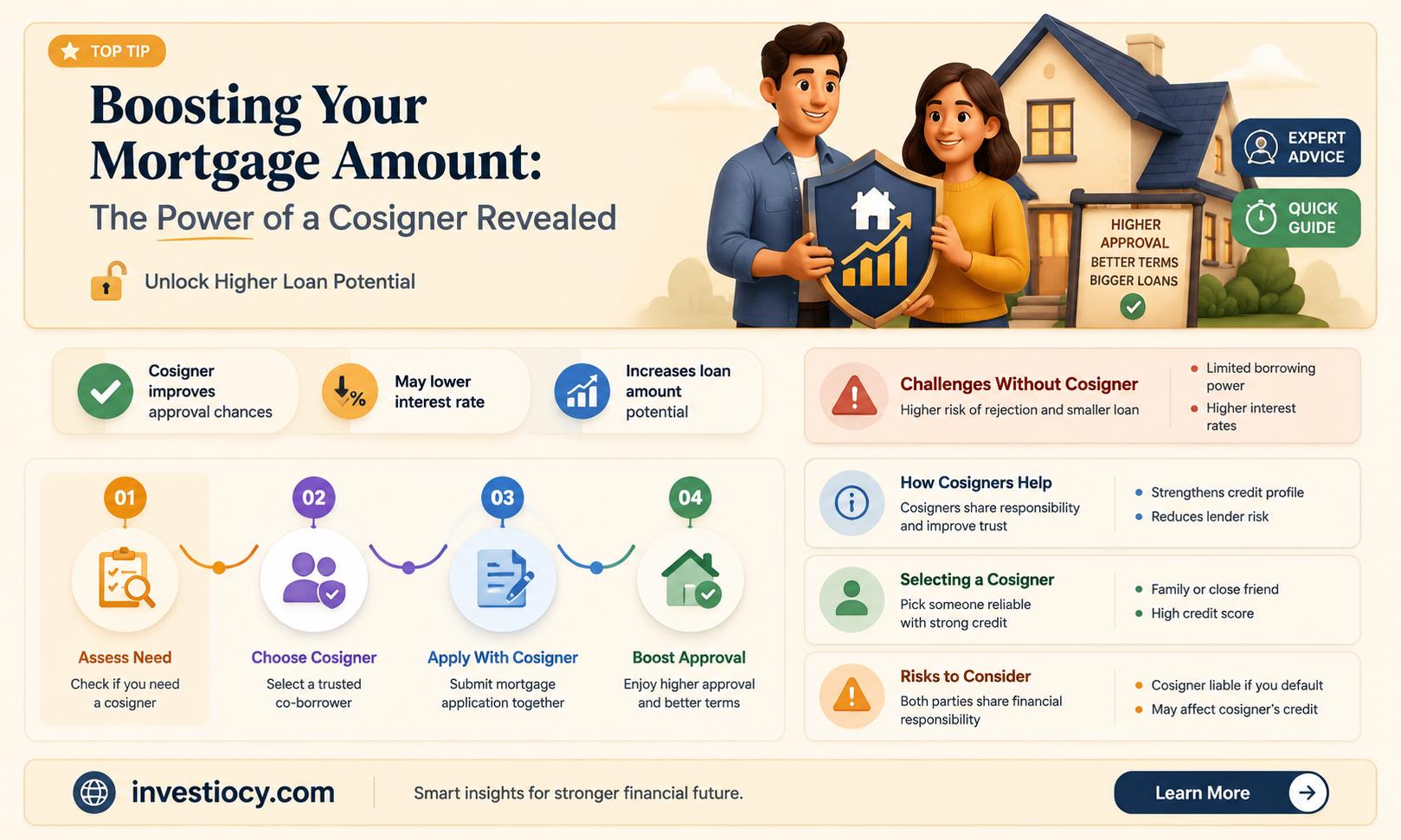
A cosigner on a mortgage can indeed increase the mortgage amount. When a cosigner with a strong credit history and stable income is added to a mortgage application, it can improve the overall creditworthiness of the borrowers. This, in turn, can lead to a higher loan approval amount. Lenders view the cosigner as an additional source of repayment, which reduces their risk and allows them to offer a larger loan. However, it's important to note that the cosigner also takes on significant responsibility, as they are legally obligated to repay the loan if the primary borrowers default.
| Characteristics | Values |
|---|---|
| Definition | A cosigner is an individual who agrees to be legally responsible for repaying a loan if the primary borrower defaults. |
| Impact on Mortgage Amount | Having a cosigner can potentially increase the mortgage amount a lender is willing to offer. |
| Reason for Increase | Lenders may consider the combined income and creditworthiness of both the primary borrower and the cosigner, which can lead to a higher loan approval amount. |
| Credit Score Requirement | Both the primary borrower and the cosigner typically need to meet the lender's credit score requirements for the loan. |
| Income Verification | Lenders will verify the income of both the primary borrower and the cosigner to ensure they can afford the mortgage payments. |
| Debt-to-Income Ratio | The combined debt-to-income ratio of the primary borrower and the cosigner must meet the lender's guidelines. |
| Legal Responsibility | The cosigner is equally responsible for repaying the mortgage if the primary borrower fails to make payments. |
| Interest Rates | The interest rate on the mortgage may be influenced by the creditworthiness of both the primary borrower and the cosigner. |
| Loan Term | The loan term may vary depending on the lender's policies and the credit profiles of the primary borrower and the cosigner. |
| Closing Costs | The cosigner may also be required to contribute to closing costs, depending on the lender's requirements. |
| Documentation | Both the primary borrower and the cosigner will need to provide necessary documentation, such as proof of income and identification. |
| Approval Process | The approval process may take longer when a cosigner is involved, as the lender will need to verify the information for both parties. |
| Alternatives | If a cosigner is not available, the primary borrower may need to consider other options, such as a smaller loan amount or a higher interest rate. |
| Benefits | Having a cosigner can help borrowers who may not qualify for a mortgage on their own, or who want to secure a larger loan amount. |
| Risks | The cosigner takes on significant risk, as they are legally responsible for repaying the loan if the primary borrower defaults. |
Explore related products





What You'll Learn
- Definition of Cosigner: A cosigner is someone who agrees to take on the responsibility of repaying a loan if the primary borrower defaults
- Impact on Credit Score: Having a cosigner with a good credit score can potentially improve the chances of loan approval and lower interest rates
- Increased Loan Amount: A cosigner may increase the loan amount a lender is willing to offer, as it reduces the perceived risk for the lender
- Legal Responsibilities: Both the borrower and cosigner are legally responsible for repaying the loan, and failure to do so can affect both parties' credit scores
- Common Use Cases: Cosigners are often used for mortgages, student loans, and car loans, particularly when the primary borrower has limited credit history or income

Definition of Cosigner: A cosigner is someone who agrees to take on the responsibility of repaying a loan if the primary borrower defaults
A cosigner is an individual who agrees to assume the responsibility of repaying a loan if the primary borrower fails to make the required payments. This arrangement is often used in situations where the primary borrower may not have a strong enough credit history or income to secure a loan on their own. The cosigner essentially provides a form of financial backup, ensuring that the lender has a secondary source of repayment in case of default.
In the context of mortgages, having a cosigner can indeed increase the mortgage amount that a borrower is eligible for. This is because the lender considers the combined income and creditworthiness of both the primary borrower and the cosigner when determining the loan amount. As a result, the presence of a cosigner with a strong credit profile and stable income can help to improve the overall financial picture of the loan application, potentially leading to a higher mortgage amount being approved.
However, it is important to note that the cosigner is taking on a significant financial risk by agreeing to repay the loan if the primary borrower defaults. This responsibility can impact the cosigner's own credit score and financial stability, particularly if the primary borrower fails to make payments on time or at all. Therefore, it is crucial for both the primary borrower and the cosigner to carefully consider the terms of the loan agreement and ensure that they are comfortable with the level of risk involved.
In summary, a cosigner is someone who agrees to take on the responsibility of repaying a loan if the primary borrower defaults. In the context of mortgages, having a cosigner can increase the mortgage amount that a borrower is eligible for, as the lender considers the combined income and creditworthiness of both parties. However, this arrangement also involves significant financial risks for the cosigner, who may be required to repay the loan if the primary borrower fails to do so.
Boosting Your Mortgage Approval Odds: The Power of a Cosigner
You may want to see also
Explore related products


Impact on Credit Score: Having a cosigner with a good credit score can potentially improve the chances of loan approval and lower interest rates
Having a cosigner with a stellar credit score can significantly bolster your loan application, potentially leading to better approval odds and more favorable interest rates. This is particularly true in the context of mortgages, where lenders scrutinize credit scores closely to assess risk. A cosigner's strong credit profile can help offset any blemishes or shortcomings in your own credit history, presenting a more compelling case to the lender.
One of the key ways a cosigner can impact your credit score is by demonstrating a history of responsible credit management. If your cosigner has a track record of making timely payments and maintaining low credit utilization ratios, this can reflect positively on your application. Lenders may view this as an indication that you are more likely to repay the loan in full and on time, which can lead to more favorable loan terms.
Moreover, a cosigner's credit score can also influence the interest rate you're offered. In general, the higher the credit score, the lower the interest rate. This is because lenders perceive borrowers with higher credit scores as less risky, and therefore, they're willing to offer more competitive rates. By having a cosigner with a good credit score, you may be able to secure a lower interest rate than you would have otherwise, which can save you thousands of dollars over the life of the loan.
It's important to note, however, that not all cosigners are created equal. The effectiveness of a cosigner depends largely on their individual credit profile and financial situation. For instance, if your cosigner has a history of late payments or high credit card balances, their involvement may not have the desired effect on your loan application. In some cases, it could even hurt your chances of approval.
To maximize the benefits of having a cosigner, it's crucial to choose someone with a strong credit score and a stable financial history. Ideally, this person should have a credit score of 700 or higher, a low debt-to-income ratio, and a history of making timely payments on their own loans and credit cards. By selecting a cosigner who meets these criteria, you can increase the likelihood of improving your loan approval odds and securing a lower interest rate.
Explore related products


Increased Loan Amount: A cosigner may increase the loan amount a lender is willing to offer, as it reduces the perceived risk for the lender
A cosigner can significantly influence the loan amount a lender is willing to offer by reducing the perceived risk associated with the loan. This is particularly true in the context of mortgages, where the stakes are high for both the lender and the borrower. When a cosigner with a strong credit history and stable income signs onto a mortgage application, it sends a signal to the lender that the loan is less likely to default. As a result, the lender may be more inclined to offer a larger loan amount to the primary borrower.
The impact of a cosigner on loan amounts can be substantial, especially for first-time homebuyers or those with less-than-stellar credit. For instance, a borrower with a credit score of 650 might be approved for a $200,000 mortgage on their own. However, with a cosigner who has a credit score of 750 and a higher income, the lender might be willing to increase the loan amount to $250,000 or more. This increase can make a significant difference in the borrower's ability to purchase a home that meets their needs.
It's important to note that the cosigner's role is not just to increase the loan amount, but also to share the responsibility of repaying the loan. If the primary borrower defaults, the cosigner becomes liable for the outstanding balance. This means that cosigners should carefully consider their financial situation and the borrower's ability to repay the loan before agreeing to cosign.
In addition to increasing the loan amount, a cosigner can also help the borrower secure a lower interest rate. This is because the lender views the loan as less risky with a cosigner, and therefore may be willing to offer more favorable terms. Over the life of the loan, even a small decrease in the interest rate can result in significant savings for the borrower.
Ultimately, the decision to use a cosigner should be based on a careful evaluation of the borrower's financial situation and the cosigner's willingness and ability to take on the responsibility. When used wisely, a cosigner can be a valuable tool for increasing the loan amount and securing better terms on a mortgage.
Explore related products


Legal Responsibilities: Both the borrower and cosigner are legally responsible for repaying the loan, and failure to do so can affect both parties' credit scores
When a borrower and cosigner take out a loan together, they both assume legal responsibility for its repayment. This means that if the borrower defaults on the loan, the cosigner is equally liable and may be pursued by the lender for the outstanding balance. This shared responsibility can have significant implications for both parties' credit scores, as any missed payments or defaults will be reported to the credit bureaus and can negatively impact their ability to secure future credit.
One of the key benefits of having a cosigner is that it can increase the borrower's chances of qualifying for a loan and potentially securing a lower interest rate. However, it's important to note that this benefit comes with a trade-off: the cosigner is essentially putting their own credit on the line to help the borrower. If the borrower fails to make payments, the cosigner's credit score can suffer, even if they were not the primary borrower.
To mitigate these risks, it's crucial for both the borrower and cosigner to fully understand their legal responsibilities before entering into a loan agreement. They should carefully review the loan terms, including the repayment schedule, interest rate, and any potential penalties for late payments or defaults. Additionally, they should consider the potential impact on their credit scores and discuss strategies for ensuring timely repayment, such as setting up automatic payments or creating a joint budget to track expenses.
In some cases, it may be beneficial for the cosigner to seek legal advice before signing the loan agreement. A lawyer can help them understand their rights and obligations under the contract and advise them on any potential risks or liabilities. This can provide the cosigner with greater peace of mind and help them make an informed decision about whether to proceed with the loan.
Ultimately, the decision to cosign a loan should be made carefully and with a full understanding of the legal responsibilities involved. Both the borrower and cosigner should be committed to repaying the loan on time and should have a clear plan in place for managing their finances and avoiding default. By taking these precautions, they can help ensure that the loan is repaid successfully and that their credit scores remain intact.
Explore related products


Common Use Cases: Cosigners are often used for mortgages, student loans, and car loans, particularly when the primary borrower has limited credit history or income
Cosigners play a crucial role in the financial world, particularly in scenarios where the primary borrower may not have the creditworthiness or income to secure a loan on their own. This is especially common in the realms of mortgages, student loans, and car loans. By providing their signature and agreeing to take on the debt if the primary borrower defaults, cosigners can help bridge the gap and make financing more accessible.
In the context of mortgages, cosigners can be instrumental in helping first-time homebuyers or those with limited credit history secure a loan. They can also be beneficial for borrowers who have experienced financial difficulties in the past but are now on a more stable footing. By sharing the responsibility of the mortgage, cosigners can help lenders feel more confident in extending credit, potentially leading to more favorable loan terms and interest rates.
When it comes to student loans, cosigners are often parents or other family members who are willing to support a student's educational aspirations. In this case, the cosigner's credit history and income can significantly impact the loan amount and interest rate, making it easier for the student to afford their education. It's important to note that cosigners are equally responsible for repaying the loan, so it's crucial for both parties to understand the terms and implications before signing on the dotted line.
Car loans are another area where cosigners can make a difference. For individuals with limited credit history or income, securing a car loan can be challenging. However, with a cosigner who has a strong credit profile, the lender may be more willing to extend credit, allowing the borrower to purchase a vehicle that might otherwise be out of reach. As with mortgages and student loans, cosigners should be aware of their responsibilities and the potential risks involved.
In all of these scenarios, it's essential for both the primary borrower and the cosigner to carefully consider the terms of the loan and their ability to repay it. Cosigners should be confident in the borrower's ability to make payments and should be prepared to step in if necessary. By working together and understanding the responsibilities involved, cosigners can help make financial dreams a reality for many individuals who might otherwise face significant barriers to securing credit.
Frequently asked questions
Having a cosigner can potentially increase the mortgage amount you can borrow because their income and creditworthiness are considered alongside yours. This can make you a more attractive candidate to lenders, leading to a higher loan approval amount.
The benefits of having a cosigner on a mortgage include the possibility of qualifying for a larger loan amount, securing a lower interest rate, and improving your chances of loan approval if you have a less-than-stellar credit history.
The risks associated with cosigning a mortgage include the cosigner being equally responsible for the debt, which means they could be held accountable for missed payments. It can also impact their credit score and ability to secure their own loans in the future.
A lender evaluates the creditworthiness of a cosigner by reviewing their credit history, income, employment status, and debt-to-income ratio. They want to ensure that the cosigner has a strong financial standing and the ability to repay the loan if necessary.



![NMLS Study Guide 2026-2027 - 5 Full-Length Practice Tests, SAFE MLO Exam Prep Secrets Book for the Mortgage Loan Originator Exam: [4th Edition]](https://m.media-amazon.com/images/I/717iHac5CwL._AC_UL320_.jpg)