Credit Score
A higher credit score improves your chances of securing a lower interest rate. Monitor and improve your credit before applying for a mortgage.
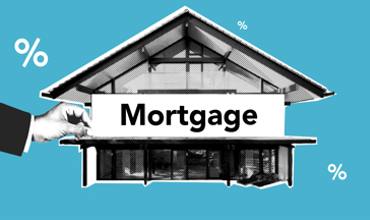
Mortgage credit is essential for homeownership, offering financial solutions to purchase or refinance properties. Understanding the various types of mortgage credit can help you make informed decisions tailored to your financial situation.
Popular types include fixed-rate mortgages, adjustable-rate mortgages (ARMs), FHA loans, VA loans, and jumbo loans. Each type has distinct features, eligibility requirements, and benefits.

Securing the right mortgage credit starts with understanding key factors like credit score, down payment, and debt-to-income ratio. These elements determine your eligibility and interest rates.
A higher credit score improves your chances of securing a lower interest rate. Monitor and improve your credit before applying for a mortgage.

A larger down payment can reduce your loan amount and interest costs. Explore programs that offer down payment assistance.

Lenders use this ratio to assess your ability to manage monthly payments. Lowering your debt can improve your eligibility.
The mortgage credit process involves several steps, from pre-approval to closing. Understanding each stage ensures a smoother experience and better outcomes.
Get pre-approved to understand your budget and show sellers you’re a serious buyer.
Submit your application with required documents, including income verification and credit history.
The lender reviews your application and assesses the risk before approving the loan.
Finalize the loan with a closing meeting, where you’ll sign documents and pay closing costs.
After closing, manage your mortgage payments and consider refinancing options in the future.
Improve your credit score by paying bills on time and reducing outstanding debt.
Compare lenders to find the best interest rates and terms for your mortgage.
Consider government-backed loans like FHA or VA if you qualify for lower down payments.




Whether you're a first-time homebuyer or refinancing, understanding these key elements will help you navigate the mortgage credit process effectively.
| Element | Description |
|---|---|
| Credit Score | A higher credit score can qualify you for lower interest rates and better loan terms. |
| Down Payment | A larger down payment reduces the loan amount and may eliminate the need for private mortgage insurance (PMI). |
| Loan Term | Choose between shorter terms (e.g., 15 years) for lower interest costs or longer terms (e.g., 30 years) for lower monthly payments. |
| Interest Rate | Fixed rates remain constant, while adjustable rates may change over time. Compare both options. |
| Closing Costs | These fees include appraisal, origination, and title insurance. Factor them into your budget. |
| Refinancing | Consider refinancing to lower your interest rate, shorten your loan term, or access home equity. |
Navigating mortgage credit can be complex, but with the right knowledge and preparation, you can secure the best financing for your home.