Lester Freeman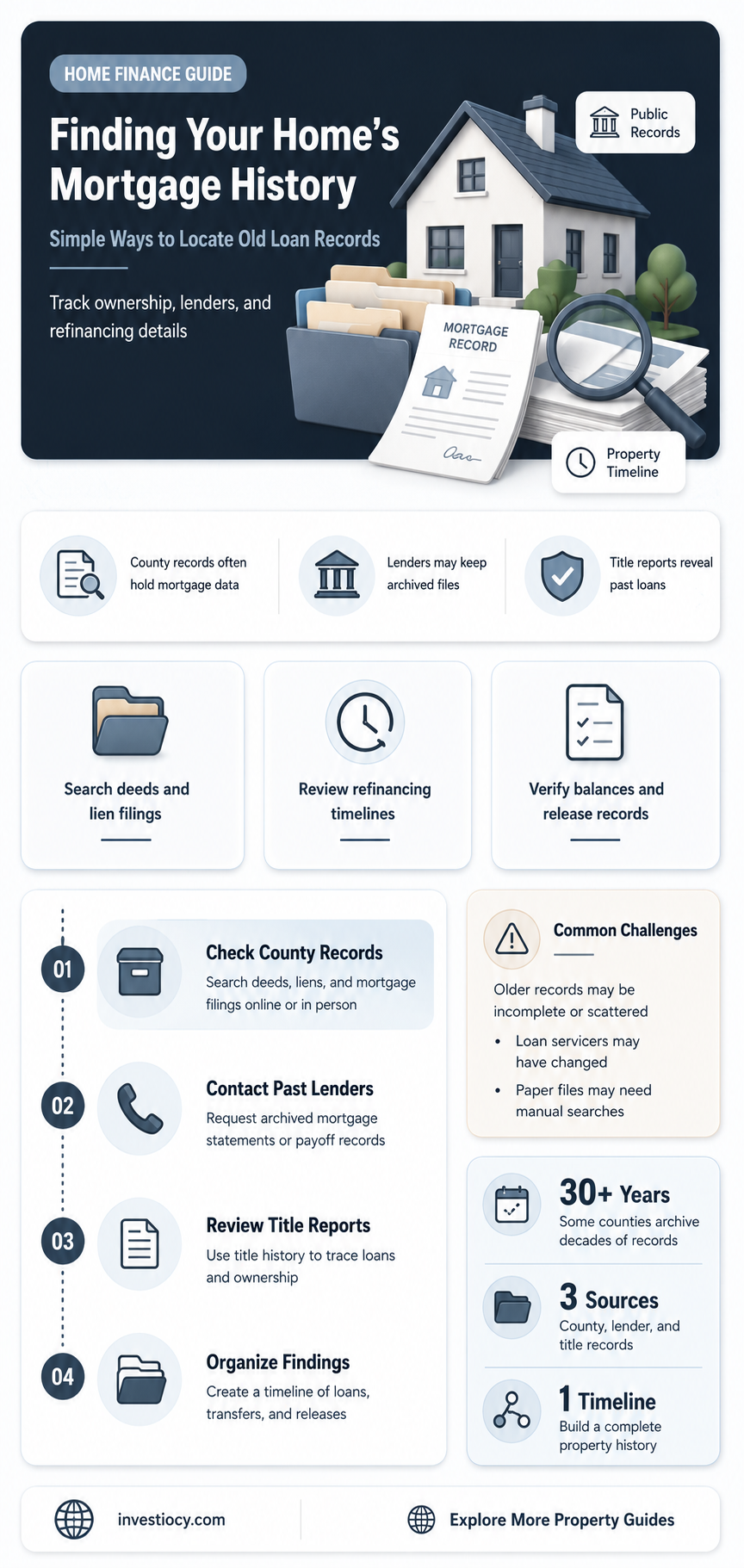
To find mortgage records, you'll need to follow a few key steps. First, determine the county where the property is located, as mortgage records are typically maintained at the county level. Next, visit the county clerk's office or their official website to inquire about accessing mortgage records. You may need to provide specific details about the property, such as the address or parcel number. Some counties offer online databases where you can search for mortgage records by name, address, or document type. If the records are not available online, you may need to request them in person or via mail. Keep in mind that there may be fees associated with obtaining copies of mortgage records. Additionally, consider reaching out to the lender who originated the mortgage, as they may also have copies of the records. Remember to be patient and persistent, as tracking down mortgage records can sometimes be a time-consuming process.
Explore related products


What You'll Learn
- Online Databases: Utilize online platforms like property records websites or county clerk databases for easy access
- County Clerk's Office: Visit or contact your local county clerk's office, as they maintain comprehensive mortgage records
- Title Companies: Reach out to title companies that specialize in property transactions; they often have access to mortgage records
- Public Libraries: Explore public libraries, which sometimes provide access to property records through specialized databases or archives
- Real Estate Agents: Consult with real estate agents who may have access to mortgage records through their professional networks or resources

Online Databases: Utilize online platforms like property records websites or county clerk databases for easy access
Utilizing online databases is a highly effective method for accessing mortgage records with ease. Property records websites and county clerk databases are treasure troves of information, offering a wealth of data that can be accessed from the comfort of your own home. These platforms are particularly useful for individuals who need to obtain mortgage records quickly and efficiently, without the hassle of visiting physical locations or sifting through mountains of paperwork.
To get started, simply visit the website of the county clerk's office where the property is located. From there, you can search for the property using the address or parcel number. Once you've located the property, you can access a variety of records, including mortgage documents, property deeds, and tax records. Some websites even offer the ability to download or print these documents for a small fee.
Another option is to use property records websites, which aggregate data from various sources and provide a user-friendly interface for searching and accessing mortgage records. These websites often offer additional features, such as the ability to search for properties by owner name or to view historical data on property values and mortgage activity.
When using online databases, it's important to be aware of potential limitations and challenges. For example, some counties may not have digitized all of their records, or the records may not be updated in real-time. Additionally, there may be fees associated with accessing or downloading certain documents. However, despite these limitations, online databases remain a valuable tool for anyone looking to access mortgage records quickly and easily.
Uncover Homeowner Mortgage Secrets: A Property Research Guide
You may want to see also
Explore related products


County Clerk's Office: Visit or contact your local county clerk's office, as they maintain comprehensive mortgage records
To find mortgage records, one of the most reliable sources is your local county clerk's office. This office maintains comprehensive records of all mortgages filed within the county, making it a treasure trove of information for those seeking details about property ownership and mortgage history. Visiting or contacting the county clerk's office can provide you with access to these records, which are typically organized by property address or owner's name.
When visiting the county clerk's office, it's essential to bring relevant information with you to facilitate your search. This may include the property address, the name of the property owner, or any other identifying details you may have. The clerk's office may have different forms and procedures for accessing mortgage records, so it's a good idea to call ahead and inquire about their specific requirements.
If you're unable to visit the county clerk's office in person, many offices now offer online access to their records. This can be a convenient option, especially if you're searching for records from a different county or state. Online databases may require registration and payment of a fee, but they can provide quick and easy access to the information you need.
It's important to note that the county clerk's office may not have records of all mortgages, especially those that are privately held or have been paid off. In these cases, you may need to explore other sources, such as the property owner's personal records or the records of the mortgage lender.
In conclusion, the county clerk's office is a valuable resource for finding mortgage records. By visiting or contacting the office, you can gain access to comprehensive information about property ownership and mortgage history, which can be useful for a variety of purposes, such as researching property values, verifying ownership, or tracking mortgage payments.
How to Locate Documents Confirming Your Mortgage Payoff
You may want to see also
Explore related products


Title Companies: Reach out to title companies that specialize in property transactions; they often have access to mortgage records
To begin, research local title companies that specialize in property transactions. Look for companies with a strong reputation and experience in handling mortgage records. You can start by asking for recommendations from real estate agents, attorneys, or other professionals involved in property transactions. Once you have a list of potential companies, visit their websites to learn more about their services and expertise.
When contacting a title company, be prepared to provide specific information about the property in question, such as the address, parcel number, or previous owners. This will help the company locate the relevant mortgage records more efficiently. Additionally, be aware that some title companies may charge a fee for their services, so be prepared to discuss costs upfront.
One of the benefits of working with a title company is their ability to provide a comprehensive search of mortgage records. They often have access to multiple databases and can cross-reference information to ensure accuracy. This can be particularly helpful if you are dealing with a complex property history or if the mortgage records are not easily accessible through other means.
In conclusion, reaching out to a title company that specializes in property transactions can be a valuable step in finding mortgage records. By leveraging their expertise and resources, you can increase your chances of uncovering the information you need to make informed decisions about a property.
Discover Your Wells Fargo Mortgage Balance: A Simple Guide
You may want to see also
Explore related products


Public Libraries: Explore public libraries, which sometimes provide access to property records through specialized databases or archives
Public libraries are often overlooked as valuable resources for accessing property records, including mortgage information. Many libraries have subscriptions to specialized databases that contain comprehensive records of property ownership, mortgage details, and other relevant information. These databases are typically accessible to library patrons and can be a treasure trove of information for those looking to research property history or verify mortgage records.
To utilize public libraries for finding mortgage records, start by visiting your local library and inquiring about their available resources. Librarians are usually knowledgeable about the databases and archives they have access to and can guide you in the right direction. Some libraries may have dedicated sections for property and mortgage records, while others may require you to use specific search terminals or online databases.
One of the benefits of using public libraries is that they often provide free access to these resources, making it a cost-effective option for individuals and researchers. Additionally, libraries may offer assistance with navigating the databases and interpreting the information, which can be particularly helpful for those who are not familiar with property records or mortgage terminology.
When using public libraries to find mortgage records, it's important to be patient and persistent. The process may involve searching through multiple databases or archives, and it may take some time to locate the specific information you're looking for. However, with the help of library staff and the wealth of resources available, you're likely to find the information you need to answer your questions about mortgage records.
In conclusion, public libraries are a valuable resource for accessing property records, including mortgage information. By utilizing the specialized databases and archives available at your local library, you can gain access to a wealth of information that can help you research property history, verify mortgage records, and make informed decisions about real estate transactions.
Uncovering Your Past: A Guide to Finding Old Mortgage Account Numbers
You may want to see also
Explore related products




Real Estate Agents: Consult with real estate agents who may have access to mortgage records through their professional networks or resources
Real estate agents can be invaluable resources in your quest to find mortgage records. These professionals often have extensive networks and access to various databases and resources that can help you locate the information you need. When consulting with a real estate agent, it's essential to be clear about your objectives and the specific information you're seeking. Provide them with as much detail as possible about the property in question, including its address, previous owners, and any other relevant information that might assist in the search.
One of the primary ways real estate agents can help is by accessing the Multiple Listing Service (MLS), which is a database of properties listed for sale by cooperating real estate brokers. While the MLS doesn't contain mortgage records directly, it can provide valuable information about a property's history, including previous sales prices and listing dates. This information can be useful in understanding a property's value and potential mortgage history.
Additionally, real estate agents may have relationships with local lenders, title companies, and other professionals who can provide access to mortgage records. They may also be familiar with local property laws and regulations that govern the disclosure of mortgage information. By leveraging these connections and their expertise, real estate agents can help you navigate the complex process of obtaining mortgage records.
When working with a real estate agent, it's important to keep in mind that they may have a vested interest in the property or the transaction. Therefore, it's crucial to maintain a level of objectivity and to verify any information they provide through other sources whenever possible. This can help ensure that you're receiving accurate and unbiased information.
In summary, consulting with real estate agents can be a strategic move in your efforts to find mortgage records. Their professional networks, resources, and expertise can significantly streamline the process and increase your chances of obtaining the information you need. However, it's essential to approach these consultations with a clear understanding of their potential biases and to verify the information they provide through other reliable sources.
Unlocking Opportunities: A Guide to Finding Assumable Mortgages
You may want to see also
Frequently asked questions
To find mortgage records for a property you own, you can check with your local county clerk's office or land records department. They typically maintain detailed records of all mortgages and property transactions. You may also contact your mortgage lender or servicer for a copy of your mortgage documents.
Yes, many counties and property record websites allow you to access mortgage records online. You can search for your property using the address or parcel number and then view or download the mortgage documents. Some websites may require registration or a fee for access.
Mortgage records usually include the mortgage deed, which outlines the terms of the loan, the interest rate, and the repayment schedule. They may also contain information about the property, such as its legal description, the purchase price, and any liens or encumbrances. Additionally, mortgage records can show the history of payments and any modifications to the loan terms.
Keeping track of mortgage records is crucial for several reasons. It helps you verify the accuracy of your loan terms and payments, ensures you are meeting your financial obligations, and can be useful in case of disputes or refinancing. Mortgage records also play a vital role in estate planning and can be required during the sale of a property.



![NMLS Study Guide 2026-2027 - 5 Full-Length Practice Tests, SAFE MLO Exam Prep Secrets Book for the Mortgage Loan Originator Exam: [4th Edition]](https://m.media-amazon.com/images/I/717iHac5CwL._AC_UL320_.jpg)