Lester Freeman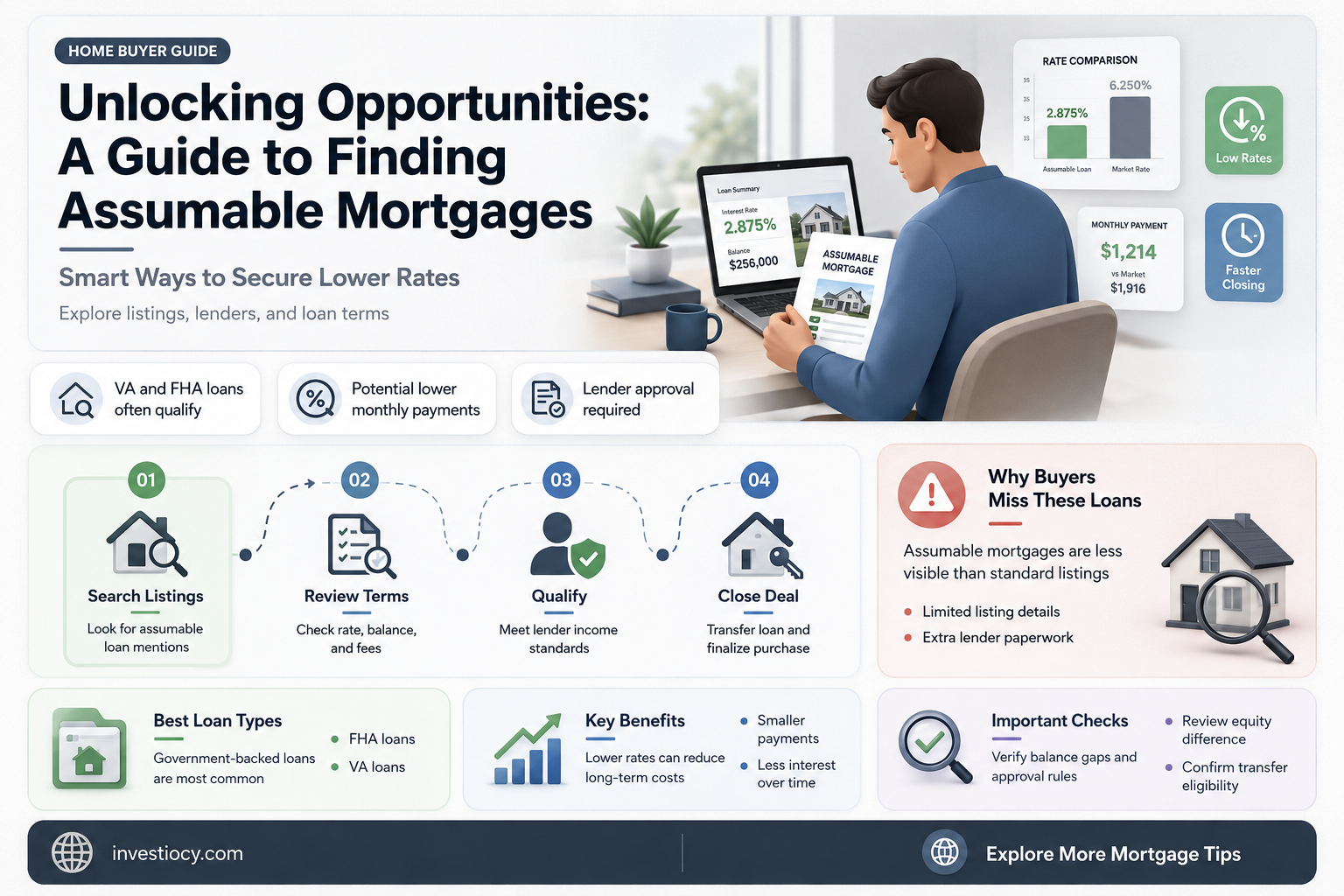
Finding assumable mortgages can be a strategic move for homebuyers looking to take advantage of existing financing terms. An assumable mortgage allows a buyer to take over the seller's existing mortgage loan, often with lower interest rates or more favorable terms than what's currently available in the market. To find assumable mortgages, start by researching online platforms and classified ads where sellers may list their properties with assumable financing. Additionally, consult with real estate agents who specialize in such transactions and can provide insights into available opportunities. It's crucial to carefully evaluate the terms of the existing mortgage, including any potential liabilities or restrictions, to ensure it aligns with your financial goals and capabilities.
Explore related products



What You'll Learn
- Understanding Assumable Mortgages: Learn what an assumable mortgage is and how it works
- Benefits of Assuming a Mortgage: Discover the potential advantages, such as lower interest rates or quicker homeownership
- Finding Lenders Offering Assumable Mortgages: Research and identify lenders that provide assumable mortgage options
- Qualifying for an Assumable Mortgage: Understand the criteria and requirements to qualify for this type of mortgage
- Risks and Considerations: Evaluate the potential risks and important factors to consider before assuming a mortgage

Understanding Assumable Mortgages: Learn what an assumable mortgage is and how it works
An assumable mortgage is a type of mortgage that allows a buyer to take over the seller's existing mortgage loan. This can be an attractive option for buyers who are looking to purchase a property without having to go through the traditional mortgage application process. However, it's important to understand the ins and outs of assumable mortgages before deciding if this is the right choice for you.
One of the key benefits of an assumable mortgage is that it can save time and money on closing costs. Since the buyer is taking over the existing loan, there is no need to apply for a new mortgage, which can save on application fees, appraisal fees, and other costs associated with getting a new loan. Additionally, the buyer may be able to take advantage of the seller's existing interest rate, which could be lower than current market rates.
However, there are also some potential drawbacks to consider. For example, the buyer may be required to make a larger down payment in order to assume the mortgage, as they will need to cover the difference between the purchase price and the outstanding balance of the loan. Additionally, the buyer will need to qualify for the mortgage assumption, which may involve providing proof of income and creditworthiness.
Another important consideration is the type of mortgage being assumed. Some mortgages, such as FHA loans, are more easily assumable than others. It's important to do your research and understand the specific requirements and limitations of the mortgage you are considering assuming.
In conclusion, an assumable mortgage can be a great option for buyers who are looking to save time and money on the home buying process. However, it's important to carefully weigh the pros and cons and make sure that this is the right choice for your individual situation. By doing your research and understanding the specific requirements and limitations of assumable mortgages, you can make an informed decision that will best suit your needs.
Uncovering Your Past: A Guide to Finding Old Mortgage Account Numbers
You may want to see also
Explore related products


Benefits of Assuming a Mortgage: Discover the potential advantages, such as lower interest rates or quicker homeownership
Assuming a mortgage can offer several benefits to homebuyers, particularly in competitive housing markets. One significant advantage is the potential for lower interest rates. When you assume a mortgage, you take over the existing loan terms, which may include a lower interest rate than what is currently available in the market. This can result in substantial savings over the life of the loan.
Another benefit of assuming a mortgage is the possibility of quicker homeownership. In some cases, assuming a mortgage can expedite the homebuying process because you are essentially stepping into the shoes of the previous borrower. This can be particularly advantageous in situations where the seller is motivated to close the deal quickly.
Additionally, assuming a mortgage may allow you to bypass some of the typical underwriting requirements associated with obtaining a new mortgage. This can be beneficial for borrowers who may not qualify for a new loan due to credit issues or other financial factors. By assuming the existing mortgage, you may be able to secure financing without undergoing a full credit check or providing extensive financial documentation.
However, it is important to note that assuming a mortgage also comes with its own set of challenges and considerations. For example, you will need to ensure that the existing loan is assumable, which may require obtaining approval from the lender. Additionally, you will need to carefully review the terms of the existing loan to ensure that they are favorable and align with your financial goals.
In conclusion, assuming a mortgage can offer several benefits, including lower interest rates, quicker homeownership, and potentially easier qualification requirements. However, it is crucial to carefully weigh these benefits against the potential drawbacks and ensure that assuming the existing mortgage is the right decision for your individual circumstances.
Explore related products





Finding Lenders Offering Assumable Mortgages: Research and identify lenders that provide assumable mortgage options
To find lenders offering assumable mortgages, start by researching online. Use search engines to look for lenders that specifically advertise assumable mortgage options. You can also check with mortgage brokers who may have connections with various lenders and can help you find those that offer assumable mortgages.
Another approach is to contact local banks and credit unions directly. While not all may offer assumable mortgages, some might, and it's worth inquiring. You can also reach out to online mortgage platforms that connect borrowers with multiple lenders, increasing your chances of finding one that offers assumable mortgages.
When researching, pay attention to the specific terms and conditions each lender offers. Some may have stricter requirements or higher fees associated with assumable mortgages. It's essential to compare options carefully to find the best fit for your financial situation.
Additionally, consider seeking recommendations from real estate agents or financial advisors who may have experience working with assumable mortgages. They can provide valuable insights and potentially connect you with lenders they've worked with in the past.
Lastly, don't forget to check reviews and ratings of lenders to ensure they have a good reputation and a history of providing reliable service. This can help you avoid potential scams or lenders with poor customer service.
Explore related products


Qualifying for an Assumable Mortgage: Understand the criteria and requirements to qualify for this type of mortgage
To qualify for an assumable mortgage, you must meet specific criteria set by the lender and the type of mortgage you're assuming. Typically, this involves a thorough credit check to ensure you have a solid credit history and a high enough credit score to take on the existing mortgage payments. Lenders will also assess your debt-to-income ratio to confirm that you can manage the monthly payments without overextending yourself financially.
In addition to credit and income requirements, you'll need to provide proof of employment and income stability. This might include pay stubs, tax returns, and bank statements. The lender may also require an appraisal of the property to ensure its value aligns with the outstanding mortgage balance. This step helps protect the lender's investment and ensures that the property is worth the amount of the loan.
Another crucial aspect of qualifying for an assumable mortgage is understanding the terms of the existing mortgage. This includes the interest rate, repayment term, and any prepayment penalties. You'll need to be comfortable with these terms and confident that you can meet the monthly payment obligations. It's also important to note that assuming a mortgage may involve paying an assumption fee, which can range from 0% to 1% of the loan balance.
Qualifying for an assumable mortgage can be a complex process, but it offers several benefits. By assuming an existing mortgage, you can potentially save on closing costs and benefit from a lower interest rate if the original mortgage was secured at a favorable time. However, it's essential to carefully consider the terms and ensure that you meet all the qualification requirements before proceeding.
Explore related products





Risks and Considerations: Evaluate the potential risks and important factors to consider before assuming a mortgage
Assuming a mortgage can be a viable option for some homebuyers, but it's crucial to understand the potential risks and considerations involved. One significant risk is inheriting the seller's credit issues. If the seller has a poor credit history or is behind on payments, it could negatively impact your ability to secure financing or result in higher interest rates. Additionally, you may be taking on more debt than you can handle, especially if the property's value has decreased since the original mortgage was taken out.
Another important factor to consider is the type of mortgage you're assuming. Some mortgages, such as FHA loans, have specific requirements and restrictions that may affect your eligibility or the terms of the loan. It's essential to review the loan documents carefully and consult with a mortgage professional to ensure you understand the terms and conditions of the assumable mortgage.
Furthermore, assuming a mortgage may also require you to pay an assumption fee, which can range from 0.5% to 1% of the loan amount. This fee is typically paid by the seller, but in some cases, it may be passed on to the buyer. It's important to factor in this cost when evaluating the overall affordability of the property.
Before assuming a mortgage, it's crucial to conduct a thorough inspection of the property to identify any potential issues that may affect its value or your ability to resell it in the future. This includes checking for structural damage, outdated systems, and any necessary repairs or renovations. Additionally, you should research the local real estate market to ensure that the property's value is in line with current market trends.
Finally, it's important to consider the long-term implications of assuming a mortgage. If interest rates rise in the future, your monthly payments could increase significantly, making it difficult to afford the property. It's essential to have a solid financial plan in place and to ensure that you have sufficient savings and income to cover unexpected expenses or changes in the market.
In conclusion, while assuming a mortgage can be a beneficial option for some homebuyers, it's crucial to carefully evaluate the potential risks and considerations involved. By conducting thorough research, consulting with professionals, and factoring in all costs and long-term implications, you can make an informed decision that aligns with your financial goals and needs.
Frequently asked questions
An assumable mortgage is a type of mortgage that allows a buyer to take over the seller's existing mortgage loan. This means the buyer assumes the seller's loan payments, interest rate, and remaining loan balance.
To find assumable mortgages, you can start by searching online for "assumable mortgages" or "takeover mortgage." You can also contact local real estate agents, mortgage brokers, or banks to inquire about available assumable mortgage options.
Assuming a mortgage can have several benefits, including:
- Lower closing costs: Since you're taking over an existing loan, you may not have to pay as many closing costs as you would with a new mortgage.
- Faster approval: The approval process for assuming a mortgage is often quicker than applying for a new loan, as the lender has already vetted the original borrower.
- Lower interest rate: If the original borrower secured a low interest rate, you may be able to benefit from that rate when you assume the mortgage.