Down Payment
A down payment is the initial amount paid upfront. Typically, 20% is ideal to avoid private mortgage insurance (PMI), but options exist for lower down payments.
Bank mortgages are essential financial tools for purchasing or refinancing real estate. They provide the necessary funds to buy a home, with various options tailored to different financial situations and goals.
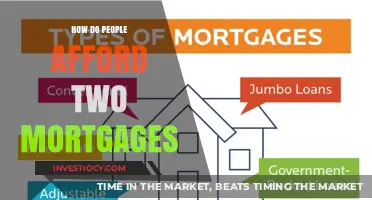
Popular types include fixed-rate mortgages, adjustable-rate mortgages (ARMs), FHA loans, VA loans, and jumbo loans. Each type has unique features, interest rates, and eligibility requirements to suit diverse needs.

Securing a mortgage involves understanding key components such as down payments, interest rates, and loan terms. These factors determine the affordability and suitability of your mortgage.
A down payment is the initial amount paid upfront. Typically, 20% is ideal to avoid private mortgage insurance (PMI), but options exist for lower down payments.
Interest rates determine the cost of borrowing. Fixed rates remain constant, while adjustable rates may change over time based on market conditions.

Loan terms define the repayment period, typically 15, 20, or 30 years. Shorter terms mean higher monthly payments but less interest over time.
The mortgage application process involves several steps, from pre-approval to closing. Understanding each stage ensures a smooth and successful experience.
Get pre-approved to understand your budget and show sellers you’re a serious buyer. This involves a credit check and financial review.
Submit a formal application with detailed financial information, including income, assets, and debts, to proceed with the loan process.
The lender orders a home appraisal to ensure the property’s value aligns with the loan amount, protecting both parties.
Underwriters review your application, verifying all information and ensuring compliance with lending guidelines.
The final step involves signing documents, paying closing costs, and receiving the keys to your new home.
Improve your credit score before applying to secure better interest rates and terms.
Compare offers from multiple lenders to find the best mortgage deal for your situation.
Consider refinancing if interest rates drop significantly to lower your monthly payments.



Whether you're a first-time homebuyer or refinancing, understanding these fundamentals ensures a successful mortgage experience.
| Element | Description |
|---|---|
| Credit Score | A higher credit score improves your chances of securing a lower interest rate and better loan terms. |
| Debt-to-Income Ratio | Lenders assess your ability to manage monthly payments by comparing your debt to your income. |
| Loan-to-Value Ratio | This ratio compares the loan amount to the property’s value, influencing down payment requirements and PMI. |
| Closing Costs | These fees include appraisal, origination, and title insurance, typically ranging from 2% to 5% of the loan amount. |
| Amortization | The process of paying off the loan over time, with early payments primarily covering interest. |
Navigating the mortgage process can be complex, but with the right knowledge and preparation, you can achieve your homeownership goals.