Josephine Norton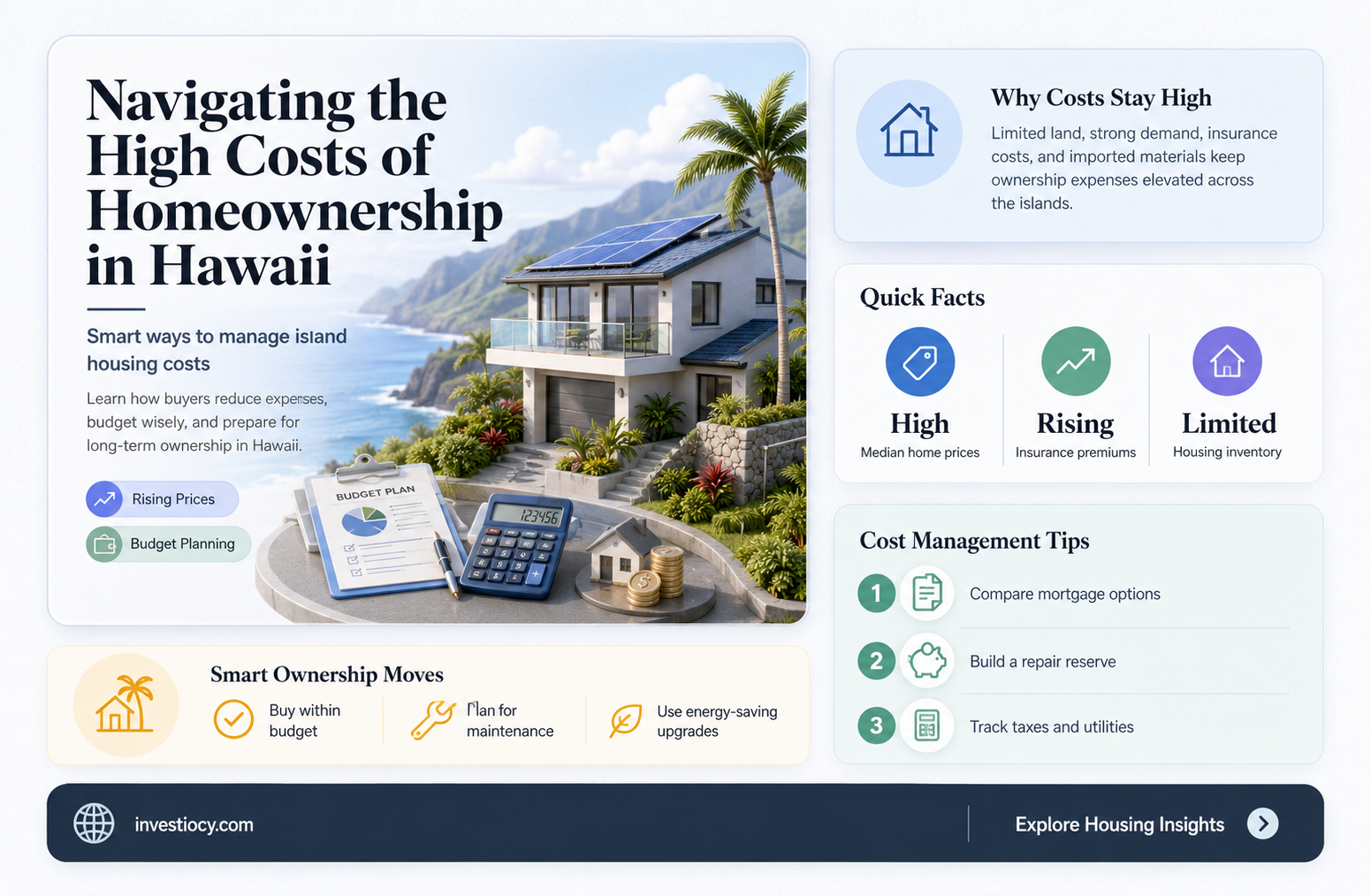
Hawaii, known for its stunning landscapes and high cost of living, presents unique challenges for those looking to purchase a home. The state's median home price is significantly higher than the national average, making it difficult for many residents to afford a mortgage. To navigate this expensive housing market, individuals often need to explore various financial strategies and resources. This may include seeking out specialized mortgage programs, such as those offered by the Hawaii Housing Finance and Development Corporation, which provides assistance to first-time homebuyers and low-to-moderate income families. Additionally, buyers may need to consider alternative financing options, like adjustable-rate mortgages or co-living arrangements, to make homeownership more attainable. Understanding the local real estate market, as well as the available financial tools and resources, is crucial for anyone looking to afford a mortgage in Hawaii.
Explore related products


What You'll Learn
- High Income Requirements: Hawaii's high cost of living necessitates a substantial income to qualify for mortgages
- Large Down Payments: Buyers often need to save significantly for down payments due to stringent lending criteria
- Government Assistance Programs: Various state and federal programs offer financial aid to help residents afford homeownership
- Creative Financing Options: Some buyers explore alternative financing methods, like lease-to-own or seller financing, to overcome affordability hurdles
- Impact of Tourism Industry: The tourism sector's influence on the economy affects mortgage affordability, with seasonal fluctuations impacting income stability

High Income Requirements: Hawaii's high cost of living necessitates a substantial income to qualify for mortgages
Hawaii's high cost of living is a well-documented challenge, and it has a direct impact on the ability of residents to qualify for mortgages. The state's median home price is significantly higher than the national average, which means that lenders require a substantial income to approve mortgage applications. This income requirement is a major hurdle for many potential homebuyers in Hawaii, particularly first-time buyers and those with lower-paying jobs.
One of the key factors contributing to Hawaii's high cost of living is the state's limited land supply. The islands are surrounded by water, which restricts the amount of developable land available for housing. This scarcity drives up property prices, making it difficult for residents to afford homes without a substantial income. Additionally, Hawaii's economy is heavily reliant on tourism, which can lead to fluctuations in employment and income levels. This economic volatility can make it challenging for lenders to assess the long-term financial stability of potential borrowers.
To qualify for a mortgage in Hawaii, lenders typically require a debt-to-income ratio of no more than 43%. This means that the total amount of debt a borrower has, including their proposed mortgage payment, cannot exceed 43% of their gross monthly income. For many residents, this requirement can be difficult to meet, particularly if they have other debts such as credit card balances or student loans. Furthermore, lenders may also require a minimum credit score of 620 or higher, which can be a challenge for some borrowers.
Given these high income requirements, how do people afford mortgages in Hawaii? One strategy is to seek out specialized mortgage programs designed for first-time homebuyers or low-to-moderate income earners. These programs may offer more flexible income requirements or lower interest rates, making it easier for residents to qualify for a mortgage. Additionally, some borrowers may consider alternative financing options, such as adjustable-rate mortgages or interest-only loans, which can provide lower monthly payments in the short term. However, these options come with their own risks and should be carefully considered.
Ultimately, the high income requirements for mortgages in Hawaii reflect the state's unique economic and housing market conditions. While these challenges can make it difficult for residents to afford homes, there are strategies and programs available to help make homeownership a reality. By understanding the specific requirements and options available, potential homebuyers can better navigate the mortgage process and find a solution that works for them.
Exploring Navy Federal Mortgages: A Comprehensive Comparison Guide
You may want to see also
Explore related products


Large Down Payments: Buyers often need to save significantly for down payments due to stringent lending criteria
In Hawaii, the dream of homeownership can come with a hefty price tag, particularly when it comes to down payments. Stringent lending criteria often require buyers to save significantly, which can be a daunting task in a state where the cost of living is already high. This financial hurdle is especially challenging for first-time homebuyers who may not have had the opportunity to accumulate substantial savings.
One unique aspect of the Hawaiian real estate market is the prevalence of leasehold properties. Unlike fee simple ownership, leasehold properties require buyers to pay a monthly lease fee in addition to their mortgage. This additional cost can make it even more difficult for buyers to save for a large down payment. Furthermore, leasehold properties often have shorter lease terms, which can create uncertainty and make it harder for buyers to secure financing.
To overcome these challenges, some buyers in Hawaii are turning to creative financing options. For example, some are using crowdfunding platforms to raise funds for their down payment, while others are exploring alternative lending sources such as credit unions or community banks. Additionally, some buyers are opting for smaller, more affordable homes or considering fixer-uppers that require less upfront capital.
Another strategy that some buyers are employing is to work with a mortgage broker who specializes in the Hawaiian market. These brokers often have access to a wider range of loan products and can help buyers navigate the complex lending landscape. They can also provide guidance on how to improve credit scores and debt-to-income ratios, which can be critical factors in securing a mortgage with a lower down payment.
Ultimately, affording a mortgage in Hawaii requires careful planning, creative thinking, and a willingness to explore unconventional options. By understanding the unique challenges of the Hawaiian real estate market and taking a proactive approach to saving and financing, buyers can increase their chances of achieving the dream of homeownership in this beautiful but expensive state.
Navigating High Mortgage Costs in Texas: A Comprehensive Guide
You may want to see also
Explore related products


Government Assistance Programs: Various state and federal programs offer financial aid to help residents afford homeownership
Hawaii, known for its stunning landscapes and high cost of living, presents unique challenges for residents seeking to afford homeownership. Amidst these challenges, various government assistance programs at both state and federal levels offer a beacon of hope. These programs provide financial aid, making the dream of owning a home more attainable for many.
One such program is the Hawaii Housing Finance & Development Corporation (HHFDC), which offers several initiatives aimed at helping residents afford mortgages. For instance, the HHFDC's Homeownership Assistance Program provides down payment assistance and closing costs to eligible first-time homebuyers. This program is particularly beneficial in a state where the median home price significantly exceeds the national average.
At the federal level, programs like the Federal Housing Administration (FHA) loans and the Veterans Affairs (VA) loans play a crucial role in assisting Hawaii's residents. FHA loans, known for their low down payment requirements and lenient credit score criteria, make homeownership accessible to a broader segment of the population. Similarly, VA loans, available to veterans and active-duty military personnel, offer favorable terms, including zero down payment and competitive interest rates.
Moreover, the U.S. Department of Agriculture (USDA) Rural Development loans provide another avenue for affordable homeownership in Hawaii. These loans are designed to support low- to moderate-income families in rural areas, offering 100% financing and low interest rates. This program is particularly valuable in Hawaii, where rural communities often face unique economic challenges.
In conclusion, government assistance programs are vital in helping Hawaii's residents navigate the complex and costly landscape of homeownership. By providing financial aid, these programs not only make mortgages more affordable but also contribute to the stability and growth of communities across the state.
Navigating Inflation: How Mortgages Adapt and Impact Homeownership
You may want to see also
Explore related products


Creative Financing Options: Some buyers explore alternative financing methods, like lease-to-own or seller financing, to overcome affordability hurdles
In the quest to own a piece of paradise in Hawaii, many prospective homebuyers face the daunting challenge of affordability. Traditional mortgage options may not always be feasible due to high property prices and stringent lending criteria. However, a growing number of buyers are turning to creative financing solutions to bridge the gap between their dreams and financial reality.
One such option is lease-to-own, where a buyer leases a property with the option to purchase it at a later date. This arrangement allows the buyer to build equity over time and potentially secure a mortgage when their financial situation improves. Another alternative is seller financing, where the seller acts as the lender, offering a mortgage to the buyer. This can be particularly appealing in Hawaii's competitive market, as it may enable buyers to secure a property without the need for a traditional bank loan.
To successfully navigate these creative financing options, buyers must be well-informed and prepared. This includes understanding the terms and conditions of the lease-to-own or seller financing agreement, as well as the potential risks and benefits associated with each option. Buyers should also be aware of the tax implications and any legal requirements specific to Hawaii.
Ultimately, creative financing solutions can provide a viable path to homeownership in Hawaii for those who may not qualify for traditional mortgage options. By exploring these alternatives and seeking professional guidance, buyers can increase their chances of securing a piece of the Aloha State's coveted real estate market.
Understanding Mortgages: A Comprehensive Guide to Home Financing
You may want to see also
Impact of Tourism Industry: The tourism sector's influence on the economy affects mortgage affordability, with seasonal fluctuations impacting income stability
The tourism industry in Hawaii plays a significant role in the state's economy, contributing billions of dollars annually. However, this economic boon comes with a double-edged sword, particularly in terms of mortgage affordability. The seasonal nature of tourism means that income for many residents can fluctuate dramatically throughout the year. During peak tourist seasons, such as summer and holidays, the influx of visitors can drive up demand for accommodations, tours, and other services, leading to higher incomes for those employed in the tourism sector. Conversely, during off-peak seasons, the reduced number of tourists can result in lower earnings, making it challenging for individuals to maintain a stable income.
This instability can have a direct impact on mortgage affordability. Lenders typically require a consistent and reliable income stream to approve a mortgage application. Seasonal fluctuations in income can make it difficult for tourism workers to demonstrate the financial stability needed to secure a home loan. Furthermore, the higher cost of living in Hawaii, driven in part by the tourism industry, can exacerbate the issue. As a result, many residents may find it challenging to save for a down payment or meet the monthly mortgage payments, especially during the leaner months of the year.
To mitigate these challenges, some residents may turn to alternative employment opportunities or side gigs to supplement their income during off-peak seasons. Others may opt for adjustable-rate mortgages or other flexible financing options that can better accommodate their variable income. Additionally, state and local governments, as well as non-profit organizations, may offer assistance programs or resources to help tourism workers navigate the complexities of mortgage affordability in Hawaii's unique economic landscape.
In conclusion, while the tourism industry is a vital component of Hawaii's economy, its seasonal nature can create significant hurdles for residents seeking to afford a mortgage. By understanding these challenges and exploring potential solutions, individuals can better position themselves to achieve their homeownership goals despite the fluctuations in the tourism sector.
How Lenders Verify Your Primary Residence: A Comprehensive Guide
You may want to see also
Frequently asked questions
Affording a mortgage in Hawaii can be challenging due to the high cost of living. Residents often need to have a stable and substantial income, save for a significant down payment, and sometimes seek assistance from family or consider alternative housing options like multi-generational living or renting out portions of their property.
To manage mortgage payments in Hawaii, people often adopt strategies such as budgeting carefully, reducing other expenses, refinancing their mortgages to get lower interest rates, or taking on additional jobs or side hustles to increase their income. Some also consider government assistance programs or local resources that provide financial aid or counseling.
Yes, there are several programs and resources available to help people afford mortgages in Hawaii. These include state-sponsored programs like the Hawaii Housing Finance and Development Corporation (HHFDC), which offers various mortgage assistance programs, and federal programs like the USDA Rural Development Single Family Housing Guaranteed Loan Program. Additionally, local non-profits and financial institutions often provide resources and counseling to help residents navigate the mortgage process and find affordable housing options.