 Clark Galvan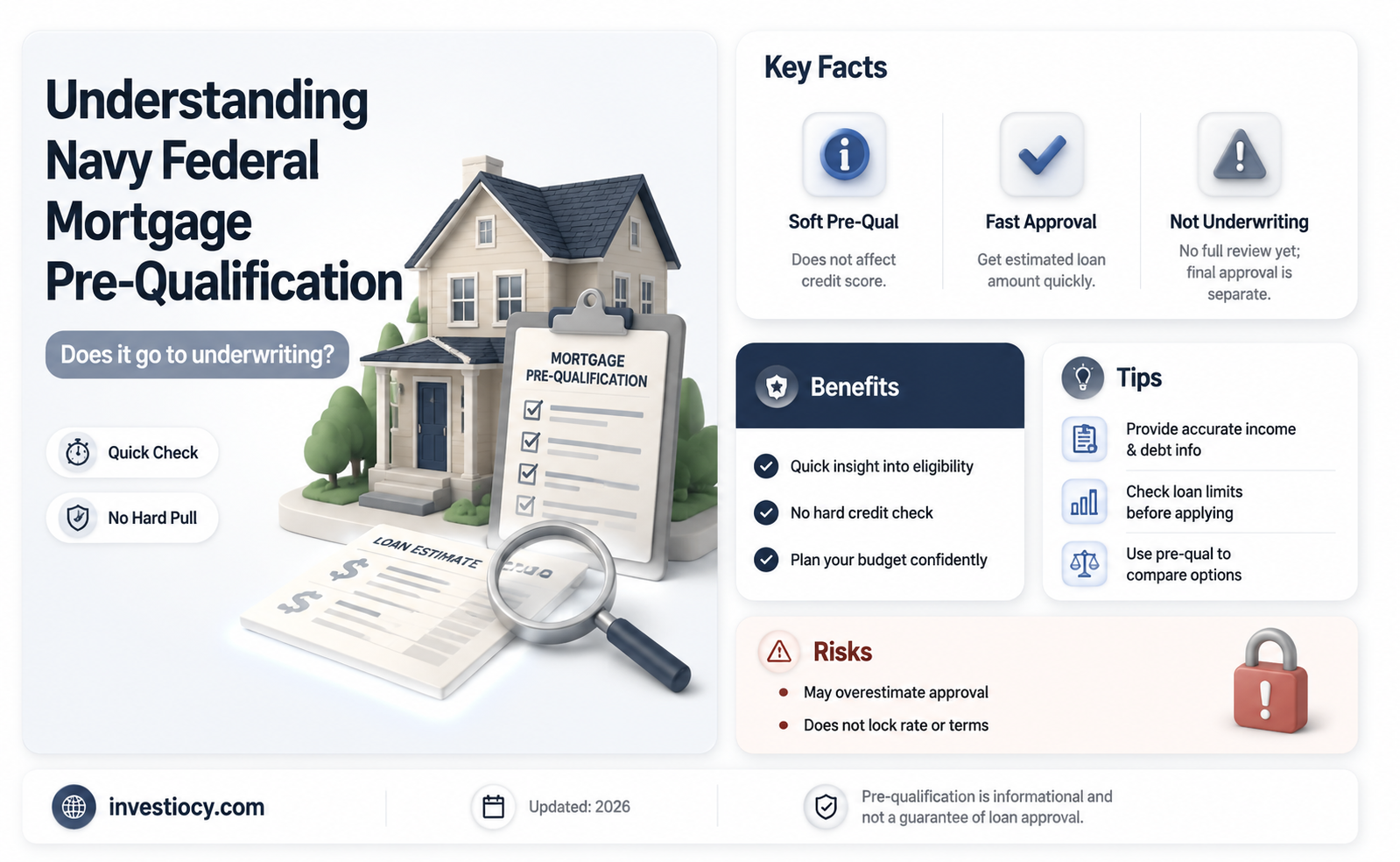
A Navy Federal mortgage pre-qualification is an essential step for potential homebuyers, particularly those affiliated with the military. This preliminary evaluation helps borrowers understand how much home they can afford and demonstrates to sellers that they are serious about purchasing. However, it's important to note that a pre-qualification is not a guarantee of loan approval. The process typically involves a cursory review of the borrower's credit score, income, and debt-to-income ratio. While it provides a useful estimate of borrowing power, it does not delve into the detailed financial scrutiny that occurs during underwriting. Underwriting is a more rigorous process where the lender thoroughly examines the borrower's financial history, employment stability, and other factors to determine the risk associated with the loan. Therefore, while a Navy Federal mortgage pre-qualification is a valuable tool for homebuyers, it does not automatically lead to underwriting or loan approval.
Explore related products


What You'll Learn

What is mortgage pre-qualification?
Mortgage pre-qualification is an essential step in the homebuying process that allows potential borrowers to understand how much house they can afford before they start shopping. It involves a lender evaluating a borrower's financial information, such as income, debt, and credit score, to determine the maximum loan amount they could qualify for. This process is typically free and non-binding, providing borrowers with a rough estimate of their purchasing power.
One common misconception about mortgage pre-qualification is that it guarantees a loan. In reality, pre-qualification is just the first step in the mortgage application process. It provides a preliminary assessment of a borrower's eligibility, but it does not guarantee that they will be approved for a loan. Lenders will still need to verify the information provided during pre-qualification and may require additional documentation before issuing a loan commitment.
Another important aspect of mortgage pre-qualification is that it can help borrowers identify any potential issues with their credit or debt-to-income ratio. By addressing these issues early on, borrowers can improve their chances of qualifying for a mortgage and potentially secure a better interest rate. Pre-qualification also allows borrowers to compare rates and terms from different lenders, giving them more options when it comes to choosing a mortgage.
In the context of Navy Federal mortgage pre-qualification, it's important to note that this process may have specific requirements and benefits tailored to military personnel and veterans. For example, Navy Federal may offer more lenient credit score requirements or special loan programs for first-time homebuyers in the military. However, the general principles of mortgage pre-qualification still apply, and borrowers should be prepared to provide detailed financial information to receive an accurate pre-qualification estimate.
In summary, mortgage pre-qualification is a crucial step in the homebuying process that provides borrowers with an estimate of their purchasing power and helps them identify potential issues with their credit or debt. While it does not guarantee a loan, it can give borrowers a better understanding of their financial situation and improve their chances of securing a mortgage with favorable terms.
Understanding Multiple Indebtedness Mortgages: Maturity Insights
You may want to see also
Explore related products


What is underwriting?
Underwriting is a critical process in the mortgage industry, where a lender evaluates the risk associated with a potential borrower. It involves a thorough review of the borrower's financial situation, credit history, and the property being purchased to determine whether the loan should be approved. This process is essential for ensuring that the lender is making a sound financial decision and minimizing the risk of default.
In the context of a Navy Federal mortgage pre-qualification, underwriting plays a crucial role in determining whether the borrower is eligible for the loan. The pre-qualification process provides an initial assessment of the borrower's financial situation, but underwriting delves deeper into the details to verify the information provided and assess the overall risk. This includes reviewing the borrower's income, assets, debts, and credit score, as well as evaluating the property's value and condition.
One unique aspect of underwriting for a Navy Federal mortgage is the consideration of the borrower's military status and benefits. Navy Federal Credit Union specializes in serving military personnel and their families, so the underwriting process may take into account factors such as military pay, allowances, and potential deployment. This can impact the lender's assessment of the borrower's ability to repay the loan and may influence the loan terms and conditions.
The underwriting process typically involves several steps, including the submission of required documentation, a review of the borrower's credit report, and an appraisal of the property. The underwriter may also request additional information or clarification from the borrower if needed. Once the underwriting process is complete, the lender will make a decision on whether to approve the loan and, if approved, what the terms and conditions will be.
In summary, underwriting is a vital component of the mortgage lending process, particularly for a Navy Federal mortgage pre-qualification. It involves a detailed evaluation of the borrower's financial situation and the property being purchased to determine the risk associated with the loan. This process helps ensure that the lender is making a responsible lending decision and that the borrower is able to repay the loan.
Understanding NACA Mortgages: Is PMI Included?
You may want to see also
Explore related products


Does pre-qualification guarantee loan approval?
Pre-qualification does not guarantee loan approval. It is a preliminary step in the mortgage process that provides an estimate of how much you may be able to borrow based on a review of your credit and financial information. This step is useful for giving you an idea of your budget when house hunting, but it is not a commitment from the lender to provide a loan.
The pre-qualification process typically involves a soft credit check, which does not impact your credit score, and an evaluation of your income, assets, and debt. Based on this information, the lender will give you an estimate of the loan amount you may qualify for. However, this is not a final decision, and the lender may require additional information or documentation before making a final approval.
It is important to note that pre-qualification is different from pre-approval. Pre-approval is a more formal process that involves a harder credit check and a more thorough review of your financial situation. Pre-approval provides a more accurate estimate of the loan amount you may qualify for and is typically valid for a specific period of time.
In the context of a Navy Federal mortgage, pre-qualification is a useful tool for service members and veterans who are looking to purchase a home. It can help you understand your borrowing power and make informed decisions about your home search. However, it is important to remember that pre-qualification is not a guarantee of loan approval, and you will still need to go through the full underwriting process to secure a mortgage.
The underwriting process involves a detailed review of your financial situation, including your credit history, income, assets, and debt. The lender will also evaluate the property you are purchasing to ensure it meets their guidelines. This process can take several weeks to complete, and there is no guarantee that you will be approved for the loan.
In conclusion, while pre-qualification can be a helpful step in the mortgage process, it is important to understand that it does not guarantee loan approval. You will still need to go through the full underwriting process to secure a mortgage, and there is no guarantee that you will be approved for the loan.
Explore related products


What happens after pre-qualification?
After pre-qualification, the next step in the Navy Federal mortgage process is underwriting. This is where the lender evaluates the borrower's financial situation in detail to determine if they are a suitable candidate for the loan. The underwriter will review the borrower's credit report, income, assets, and debt to ensure that they meet the lender's guidelines. They may also require additional documentation, such as pay stubs, bank statements, and tax returns, to verify the borrower's financial information.
During the underwriting process, the lender may also order an appraisal of the property to ensure that it is worth the amount of the loan. This is typically done to protect the lender's investment and to ensure that the borrower is not overpaying for the property. The appraisal will be conducted by an independent appraiser who will evaluate the property's condition, size, and location to determine its value.
Once the underwriting process is complete, the lender will make a decision on whether to approve the loan. If the loan is approved, the borrower will receive a loan commitment letter outlining the terms of the loan, including the interest rate, monthly payment, and closing costs. The borrower will then need to review and sign the loan commitment letter to proceed with the loan.
If the loan is not approved, the lender will provide the borrower with a denial letter explaining the reasons for the denial. The borrower may then need to address the issues raised by the lender and reapply for the loan. Alternatively, they may need to consider other financing options or delay their home purchase until they can improve their financial situation.
In summary, the underwriting process is a critical step in the Navy Federal mortgage process, as it determines whether the borrower is eligible for the loan and ensures that the lender is making a sound investment. By understanding what happens during this process, borrowers can better prepare themselves and increase their chances of securing a mortgage.
Explore related products


How does underwriting impact loan approval?
Underwriting plays a crucial role in the loan approval process, acting as a gatekeeper to ensure that lenders mitigate risk while extending credit. It involves a thorough evaluation of the borrower's creditworthiness, financial stability, and the collateral securing the loan. This meticulous assessment helps lenders determine the likelihood of the borrower repaying the loan as agreed.
The underwriting process typically begins after a borrower submits a loan application and all necessary documentation. Underwriters review credit reports, income verification, bank statements, and other relevant financial information. They assess the borrower's debt-to-income ratio, credit history, and the value of the collateral, if applicable. Based on this evaluation, underwriters may approve the loan, deny it, or request additional information or conditions to be met before approval.
One of the key factors underwriters consider is the borrower's credit score, which provides a snapshot of their credit history and reliability. A higher credit score generally indicates a lower risk of default, making it more likely for the loan to be approved. However, underwriters also look at other aspects, such as the borrower's employment history, income stability, and any outstanding debts or financial obligations.
In the context of a Navy Federal mortgage pre-qualification, underwriting is a critical step that ensures the borrower meets the lender's specific criteria for a mortgage loan. While pre-qualification provides an initial assessment of the borrower's eligibility, underwriting delves deeper into the financial details to verify the information provided and assess the overall risk profile. This process helps Navy Federal Credit Union make informed decisions about extending mortgage loans to its members, ensuring that both the borrower and the lender are well-positioned for a successful lending relationship.
Frequently asked questions
No, a Navy Federal mortgage pre-qualification does not automatically lead to underwriting. Pre-qualification is an initial step that gives you an estimate of how much you may be able to borrow based on your financial information. Underwriting is a more detailed process that occurs after you have applied for a mortgage and provided all necessary documentation.
A Navy Federal mortgage pre-qualification is significant because it provides you with an estimate of your borrowing power, which can help you determine the price range of homes you can afford. It also demonstrates to sellers that you are a serious buyer and may give you an advantage in competitive housing markets.
After receiving a Navy Federal mortgage pre-qualification, the next steps typically involve finding a home, making an offer, and then applying for a mortgage. Once your application is submitted, it will go through the underwriting process, where your financial information and documentation will be thoroughly reviewed to determine your eligibility for the loan.
