Lester Freeman
Dogecoin, a cryptocurrency that started as a joke in 2013, has garnered significant attention and investment in recent years. Initially created by software engineers Billy Markus and Jackson Palmer as a lighthearted alternative to Bitcoin, Dogecoin has since evolved into a legitimate digital currency with a dedicated community and market capitalization. The decision to invest in Dogecoin, like any other cryptocurrency, involves understanding its unique characteristics, market trends, and potential risks. While some view it as a promising investment opportunity due to its growing popularity and acceptance among merchants, others remain skeptical about its long-term viability and stability. As with any investment, it's crucial to conduct thorough research, consider your financial goals and risk tolerance, and consult with financial advisors before making a decision.
Explore related products


What You'll Learn
- Understanding Dogecoin: Learn about Dogecoin's origins, purpose, and how it differs from other cryptocurrencies
- Market Analysis: Evaluate Dogecoin's historical price trends, market capitalization, and potential for future growth
- Risk Assessment: Consider the volatility, regulatory risks, and potential security threats associated with investing in Dogecoin
- Investment Strategies: Explore various approaches to investing in Dogecoin, such as buying and holding or trading
- Diversification: Assess how Dogecoin fits into a balanced investment portfolio and its potential role in diversification

Understanding Dogecoin: Learn about Dogecoin's origins, purpose, and how it differs from other cryptocurrencies
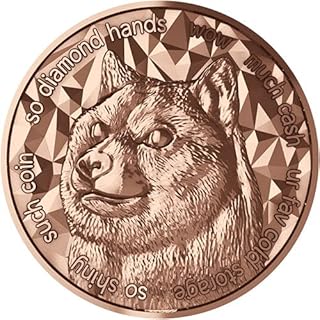
Dogecoin, often recognized by its distinctive Shiba Inu logo, was created in 2013 by software engineers Billy Markus and Jackson Palmer. Unlike many other cryptocurrencies that aim to revolutionize finance or offer advanced technological features, Dogecoin was initially conceived as a lighthearted, meme-inspired digital currency. Its purpose was to be a fun, accessible, and community-driven alternative to the more serious and complex cryptocurrencies like Bitcoin.
One of the key differences between Dogecoin and other cryptocurrencies is its inflationary nature. While Bitcoin has a capped supply of 21 million coins, Dogecoin has no such limit, with over 100 billion coins already in circulation. This abundance of Dogecoin makes it more approachable for new users and less intimidating for those who might be priced out of other cryptocurrencies. Additionally, Dogecoin's block time is significantly shorter than Bitcoin's, with blocks being mined every minute compared to Bitcoin's 10-minute interval, allowing for faster transaction processing.
Dogecoin's community is another aspect that sets it apart. The Dogecoin subreddit and other online forums are known for their friendly and supportive atmosphere, where users often share humorous content and engage in charitable activities. This sense of camaraderie has contributed to Dogecoin's enduring popularity, even during periods of market volatility.
Despite its playful origins, Dogecoin has gained traction as a legitimate investment option. Its value has seen significant fluctuations, with notable spikes in 2021 driven by social media buzz and celebrity endorsements. However, like all cryptocurrencies, Dogecoin is subject to market risks and regulatory uncertainties. Potential investors should conduct thorough research and consider their risk tolerance before deciding whether to invest in Dogecoin.
In conclusion, Dogecoin's unique blend of humor, accessibility, and community spirit has carved out a niche in the cryptocurrency landscape. While it may not offer the same level of technological innovation as some other digital currencies, its approachability and cultural significance make it a noteworthy addition to the crypto ecosystem.
Investing in Dogecoin on Cash App: A Beginner's Guide
You may want to see also
Explore related products


Market Analysis: Evaluate Dogecoin's historical price trends, market capitalization, and potential for future growth
Dogecoin's historical price trends have been marked by significant volatility, with rapid spikes and steep declines. Initially launched in 2013 as a lighthearted alternative to Bitcoin, Dogecoin saw its first major price surge in early 2014, reaching a peak of around $0.008. This was followed by a prolonged bear market, with the price dropping to below $0.001 by the end of 2014. The next notable surge occurred in early 2021, fueled in part by Elon Musk's tweets and the broader meme stock phenomenon, which saw Dogecoin's price skyrocket to an all-time high of approximately $0.73. However, this peak was short-lived, and the price has since fallen back to around $0.15 as of June 2024.
In terms of market capitalization, Dogecoin currently ranks among the top 20 cryptocurrencies, with a market cap of approximately $20 billion. This places it ahead of several other well-known cryptocurrencies such as Shiba Inu and Cardano. However, it's important to note that market capitalization can be a misleading metric, as it doesn't necessarily reflect the underlying value or potential of a cryptocurrency.
When evaluating Dogecoin's potential for future growth, several factors come into play. On the positive side, Dogecoin has a strong brand identity and a large, active community of supporters. It also has the potential to benefit from increased adoption of cryptocurrencies in general, as well as potential partnerships or integrations with other platforms and services. However, there are also significant risks and challenges, including regulatory uncertainty, competition from other cryptocurrencies, and the possibility of another prolonged bear market.
Ultimately, whether or not it makes sense to invest in Dogecoin depends on an individual's risk tolerance, investment goals, and overall financial situation. It's essential to conduct thorough research, consider a diversified investment portfolio, and consult with a financial advisor before making any investment decisions.
Navigating Coinbase Investments: A Comprehensive Guide for Indian Users
You may want to see also
Explore related products


Risk Assessment: Consider the volatility, regulatory risks, and potential security threats associated with investing in Dogecoin
Investing in Dogecoin carries significant risks that must be carefully assessed. One of the primary concerns is its extreme volatility. Unlike traditional currencies or even other cryptocurrencies, Dogecoin's value can fluctuate dramatically within short periods. This volatility is partly due to its lack of intrinsic value and the fact that it was created as a joke. As a result, its price is heavily influenced by speculation and social media trends, making it difficult to predict and manage.
Regulatory risks also loom large. Cryptocurrencies, including Dogecoin, operate in a largely unregulated environment. However, this could change rapidly as governments and financial institutions increasingly scrutinize the crypto market. Potential regulations could range from stricter reporting requirements to outright bans, which could severely impact Dogecoin's value and liquidity.
Security threats are another critical consideration. Dogecoin, like other cryptocurrencies, is vulnerable to hacking and fraud. Exchanges and wallets can be compromised, leading to significant losses for investors. Additionally, the decentralized nature of cryptocurrencies means that there is no central authority to oversee transactions or protect investors, making it essential to have robust security measures in place.
To mitigate these risks, investors should conduct thorough research and due diligence. This includes understanding the underlying technology and the factors that drive Dogecoin's value. It's also crucial to diversify investments and not allocate more funds than one can afford to lose. Keeping abreast of regulatory developments and security best practices is equally important.
In conclusion, while Dogecoin may offer potential for high returns, it also comes with substantial risks. Investors must carefully weigh these risks against the potential rewards and ensure they have the necessary knowledge and safeguards in place to protect their investments.
Exploring Litecoin Cash: A Beginner's Guide to Investing Wisely
You may want to see also
Explore related products


Investment Strategies: Explore various approaches to investing in Dogecoin, such as buying and holding or trading
Investing in Dogecoin can be approached through several strategies, each with its own set of considerations and potential outcomes. One common strategy is the "buy and hold" method, where investors purchase Dogecoin and retain it for an extended period, hoping for its value to appreciate over time. This approach is often favored by those who believe in the long-term potential of cryptocurrencies and are willing to weather short-term volatility.
Another strategy is active trading, which involves buying and selling Dogecoin in response to market fluctuations. Traders may use technical analysis, such as chart patterns and indicators, to identify potential entry and exit points. This approach requires a higher level of engagement and can be more profitable in the short term, but it also carries higher risks due to the increased frequency of transactions and the potential for losses.
A more sophisticated strategy is dollar-cost averaging (DCA), where an investor allocates a fixed amount of money to purchase Dogecoin at regular intervals, regardless of the market price. This method helps to reduce the impact of volatility by spreading out the investment over time and can be particularly effective for those who are investing for the long term.
It's also important to consider the role of diversification in a Dogecoin investment strategy. By spreading investments across different cryptocurrencies and other asset classes, investors can reduce their exposure to the risks associated with any single investment. This can help to mitigate losses during market downturns and improve overall portfolio performance.
When developing an investment strategy for Dogecoin, it's crucial to conduct thorough research and understand the associated risks. Investors should consider factors such as their risk tolerance, investment horizon, and financial goals. It's also advisable to consult with a financial advisor or conduct a self-assessment to determine the most appropriate strategy for individual circumstances.
In conclusion, investing in Dogecoin can be a complex and potentially rewarding endeavor. By exploring various investment strategies and considering the unique characteristics of the cryptocurrency market, investors can develop a tailored approach that aligns with their financial objectives and risk profile.
Navigating the Shiba Inu Investment Landscape in India
You may want to see also
Explore related products


$19.99



Diversification: Assess how Dogecoin fits into a balanced investment portfolio and its potential role in diversification
Diversification is a key strategy in investment, aimed at reducing risk by spreading investments across various assets. Dogecoin, as a cryptocurrency, presents a unique case for diversification due to its volatile nature and distinct market behavior compared to traditional assets like stocks and bonds.
In a balanced investment portfolio, Dogecoin could serve as a high-risk, high-reward component. Its inclusion would depend on the investor's risk tolerance and investment goals. For those seeking aggressive growth and willing to accept higher levels of volatility, Dogecoin might be a suitable addition. However, it should be approached with caution and allocated a smaller portion of the overall portfolio to mitigate potential losses.
One potential role of Dogecoin in diversification is its ability to act as a hedge against inflation and economic uncertainty. Cryptocurrencies, in general, are often seen as a store of value that can maintain or increase in worth during times of economic instability. Dogecoin, with its large user base and growing acceptance, might benefit from increased adoption during such periods.
To effectively incorporate Dogecoin into a diversified portfolio, investors should consider the following steps:
- Assess their risk tolerance and investment horizon.
- Allocate a small percentage of their portfolio to Dogecoin, treating it as a speculative investment.
- Monitor the performance of Dogecoin and adjust the allocation as necessary based on market conditions and personal financial goals.
In conclusion, while Dogecoin can play a role in a diversified investment portfolio, it is crucial for investors to approach it with a clear understanding of its risks and potential benefits. By doing so, they can make informed decisions that align with their overall investment strategy.
Dive into Dogecoin: Your Guide to Investing in the Popular Crypto
You may want to see also
Frequently asked questions
Dogecoin started as a meme and a joke currency, but it has since evolved to become a cryptocurrency with a dedicated community and some real-world utility. It can be used for microtransactions, tipping content creators, and even for some online purchases.
The long-term viability of Dogecoin as an investment is uncertain. While it has seen significant price increases in the past, it is also subject to high volatility and lacks the underlying technology and adoption of more established cryptocurrencies like Bitcoin and Ethereum.
Dogecoin differs from other cryptocurrencies in several ways. It uses a different algorithm (Scrypt), has a much larger supply (over 100 billion coins), and is often associated with internet culture and memes. It also has a faster block time and lower transaction fees compared to some other cryptocurrencies.
Investing in Dogecoin based solely on its current price is not advisable. It's important to consider your risk tolerance, investment goals, and the overall health of the cryptocurrency market. Dogecoin's price can be highly volatile, and it's essential to do thorough research before making any investment decisions.
Investing in Dogecoin carries several risks. These include high volatility, lack of regulatory oversight, potential security vulnerabilities, and the risk of losing your entire investment if the price drops significantly. Additionally, Dogecoin's association with internet culture and memes may make it more susceptible to price manipulation and hype-driven market swings.