 Laila Keith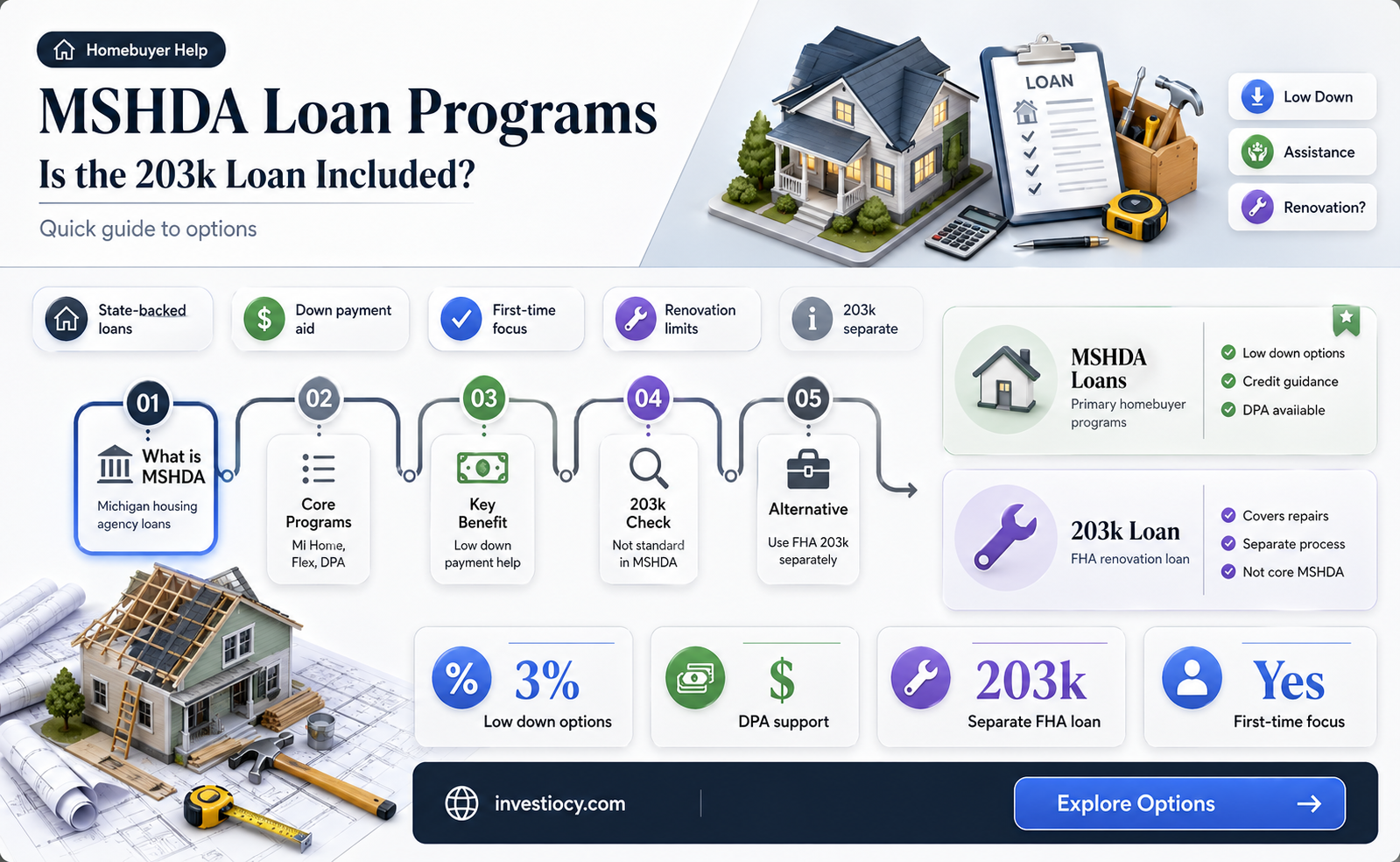
The Michigan State Housing Development Authority (MSHDA) is a state agency that provides various housing assistance programs, including mortgage loans. One of the loan programs offered by MSHDA is the FHA 203k loan, which is designed to help homebuyers purchase and renovate properties. This loan allows borrowers to finance both the purchase price of the home and the cost of repairs or renovations into a single mortgage. The FHA 203k loan is particularly beneficial for those looking to buy fixer-upper properties or make improvements to their existing homes. MSHDA's involvement in offering this loan program aligns with its mission to promote affordable housing and community development in Michigan.
What You'll Learn
- MSHDA 203k Loan Eligibility: Understand the criteria for qualifying for an MSHDA 203k loan
- Loan Limits: Explore the maximum loan amounts available through MSHDA for 203k loans
- Interest Rates: Discover the interest rates associated with MSHDA 203k loans
- Eligible Repairs: Learn about the types of repairs and renovations covered under the 203k loan program
- Application Process: Get a step-by-step guide on how to apply for an MSHDA 203k loan

MSHDA 203k Loan Eligibility: Understand the criteria for qualifying for an MSHDA 203k loan
To qualify for an MSHDA 203k loan, applicants must meet specific eligibility criteria set by the Michigan State Housing Development Authority (MSHDA). This includes having a minimum credit score of 640, although higher scores may be required for certain loan programs or lenders. Additionally, applicants must demonstrate a stable employment history and sufficient income to support the loan payments.
One unique aspect of the MSHDA 203k loan program is that it allows for the renovation of properties, which can be a significant advantage for homebuyers looking to purchase a fixer-upper. However, to qualify for this benefit, the renovations must be substantial and meet specific guidelines set by the FHA. This may include structural repairs, improvements to the property's functionality, or energy efficiency upgrades.
Another important criterion for MSHDA 203k loan eligibility is the property's location. The loan program is designed to support the revitalization of communities in Michigan, so the property must be located in an eligible area. Applicants can check the MSHDA website to see if their desired property is in a qualifying location.
In addition to these requirements, applicants must also meet the FHA's standard underwriting criteria, which includes a debt-to-income ratio of no more than 43%. However, MSHDA may have additional requirements or overlays, so it's essential to work with a lender who is familiar with the program's specific guidelines.
Overall, the MSHDA 203k loan program can be a valuable tool for homebuyers looking to purchase and renovate a property in Michigan. By understanding the eligibility criteria and working with a knowledgeable lender, applicants can increase their chances of qualifying for this beneficial loan program.
Loan Limits: Explore the maximum loan amounts available through MSHDA for 203k loans
The Michigan State Housing Development Authority (MSHDA) offers various loan programs to assist homebuyers, including the FHA 203k loan. This loan allows borrowers to finance both the purchase price of a home and the cost of repairs or renovations. However, it's essential to understand the loan limits imposed by MSHDA for 203k loans to determine if this financing option is suitable for your needs.
MSHDA's loan limits for 203k loans vary depending on the county in which the property is located. As of 2023, the maximum loan amount for a single-family home ranges from $331,760 in lower-cost counties to $484,500 in higher-cost counties. It's crucial to check the specific loan limit for the county where you're looking to purchase a home to ensure you're within the eligible range.
In addition to the county-specific loan limits, MSHDA also has a statewide maximum loan amount for 203k loans. As of 2023, this statewide limit is $484,500. This means that even if the county-specific limit is lower, you may still be able to borrow up to the statewide maximum if you meet the necessary criteria.
To qualify for an MSHDA 203k loan, you'll need to meet certain income and credit requirements. Additionally, the property must be a primary residence, and the repairs or renovations must be substantial and permanently affixed to the property. It's also important to note that MSHDA requires borrowers to work with an approved lender and to complete a homebuyer education course.
In conclusion, MSHDA's 203k loan program can be a valuable tool for homebuyers looking to purchase and renovate a home. However, it's essential to understand the loan limits and eligibility requirements to determine if this financing option is right for you. By researching the specific loan limits for your county and working with an approved lender, you can make an informed decision about whether an MSHDA 203k loan is the best choice for your homeownership goals.
Interest Rates: Discover the interest rates associated with MSHDA 203k loans
The Michigan State Housing Development Authority (MSHDA) offers various loan programs to assist homebuyers in the state, including the FHA 203k loan. This particular loan program is designed to help borrowers finance the purchase and renovation of a home. One of the key factors that potential borrowers consider when evaluating loan options is the interest rate.
Interest rates for MSHDA 203k loans can vary depending on several factors, including the borrower's credit score, the loan amount, and the current market conditions. As of [current date], the interest rates for MSHDA 203k loans are competitive with other renovation loan programs. Borrowers can expect to pay a fixed interest rate, which provides stability and predictability in their monthly mortgage payments.
It's important to note that MSHDA 203k loans are insured by the Federal Housing Administration (FHA), which means that borrowers may be required to pay mortgage insurance premiums. These premiums can impact the overall cost of the loan, so it's essential for borrowers to factor them into their financial planning.
To discover the current interest rates associated with MSHDA 203k loans, potential borrowers can visit the MSHDA website or contact a participating lender. It's advisable to compare rates from multiple lenders to ensure that borrowers are getting the best possible deal. Additionally, borrowers should consider working with a mortgage broker who specializes in renovation loans, as they can provide valuable guidance and assistance throughout the loan process.
In conclusion, the interest rates for MSHDA 203k loans are an important consideration for potential borrowers. By understanding the factors that influence these rates and taking the time to compare options, borrowers can make informed decisions and find the best possible financing for their home renovation projects.
Eligible Repairs: Learn about the types of repairs and renovations covered under the 203k loan program
The FHA 203k loan program is a powerful tool for homebuyers and homeowners looking to finance repairs and renovations. One of the key aspects of this program is understanding what types of repairs are eligible for financing. The 203k loan covers a wide range of repair and renovation costs, making it a versatile option for those looking to improve their property.
Eligible repairs under the 203k loan program include structural alterations, such as adding rooms or changing the layout of a home. Cosmetic improvements, like updating kitchens and bathrooms, are also covered. Additionally, the loan can finance functional upgrades, such as installing new HVAC systems, plumbing, or electrical work. Energy efficiency improvements, like adding insulation or replacing windows, are another category of eligible repairs.
It's important to note that the 203k loan program has specific guidelines regarding the types of repairs that can be financed. For example, luxury items or improvements that do not add value to the property may not be eligible. Borrowers should consult with a lender or a HUD-certified 203k consultant to ensure that their planned repairs meet the program's requirements.
The 203k loan program also offers flexibility in terms of the repair process. Borrowers can choose to do the repairs themselves, hire a contractor, or even combine both approaches. However, if the repairs are extensive, hiring a professional contractor is often recommended to ensure the work is done correctly and meets the program's standards.
In summary, the 203k loan program covers a broad spectrum of repairs and renovations, providing homeowners with the financial means to improve their property. By understanding the eligible types of repairs and following the program's guidelines, borrowers can make the most of this valuable financing option.
Application Process: Get a step-by-step guide on how to apply for an MSHDA 203k loan
To apply for an MSHDA 203k loan, you must first understand the specific requirements and steps involved in the process. The Michigan State Housing Development Authority (MSHDA) offers this loan program to help homebuyers purchase and renovate properties in Michigan. Here's a step-by-step guide to help you navigate the application process:
- Pre-Qualification: Before you start looking for a property, it's essential to get pre-qualified for the loan. This will give you an idea of how much you can borrow and what your monthly payments will be. You can contact an MSHDA-approved lender to begin the pre-qualification process.
- Property Selection: Once you're pre-qualified, you can start searching for a property that meets the MSHDA 203k loan requirements. The property must be a single-family home, a two- to four-unit property, or a condominium. It's important to note that the property must be in Michigan and meet certain condition standards.
- Loan Application: After you've found a property, you'll need to submit a loan application to an MSHDA-approved lender. The lender will guide you through the application process and help you gather the necessary documentation, such as income verification, credit reports, and property information.
- Property Inspection and Appraisal: Once your loan application is submitted, the property will need to be inspected and appraised. The inspection will determine if the property meets the MSHDA's minimum property standards, and the appraisal will determine the property's value.
- Loan Approval and Closing: If the property inspection and appraisal are satisfactory, your loan application will be reviewed and approved by the MSHDA. Once approved, you'll need to attend a closing meeting to sign the final loan documents and receive the keys to your new home.
It's important to remember that the MSHDA 203k loan program has specific requirements and guidelines that must be followed. By working with an MSHDA-approved lender and following the steps outlined above, you can successfully navigate the application process and achieve your dream of homeownership in Michigan.
Frequently asked questions
An FHA 203k loan is a type of mortgage loan offered by the Federal Housing Administration (FHA) that allows borrowers to finance the cost of home repairs and renovations into their mortgage. MSHDA, or the Michigan State Housing Development Authority, is a state agency that provides housing assistance and resources to Michigan residents. While MSHDA does not directly offer 203k loans, it may work in conjunction with FHA-approved lenders to facilitate these loans for eligible borrowers in Michigan.
To be eligible for an FHA 203k loan through MSHDA, borrowers must meet the following requirements:
- Be a first-time homebuyer or have not owned a home in the past three years
- Have a minimum credit score of 620
- Meet MSHDA's income and asset limits
- Be purchasing a single-family home, townhouse, or condominium in Michigan
- Work with an FHA-approved lender that is also approved to work with MSHDA
The benefits of using an FHA 203k loan through MSHDA include:
- Financing home repairs and renovations into the mortgage, which can make homeownership more affordable for borrowers who may not have the funds for repairs upfront
- Lower down payment requirements compared to traditional mortgage loans
- Competitive interest rates
- The ability to work with MSHDA-approved lenders who are familiar with the program and can provide guidance throughout the process
- The potential for MSHDA to offer additional assistance or incentives, such as down payment assistance or closing cost assistance, to eligible borrowers
