 Faith Morrow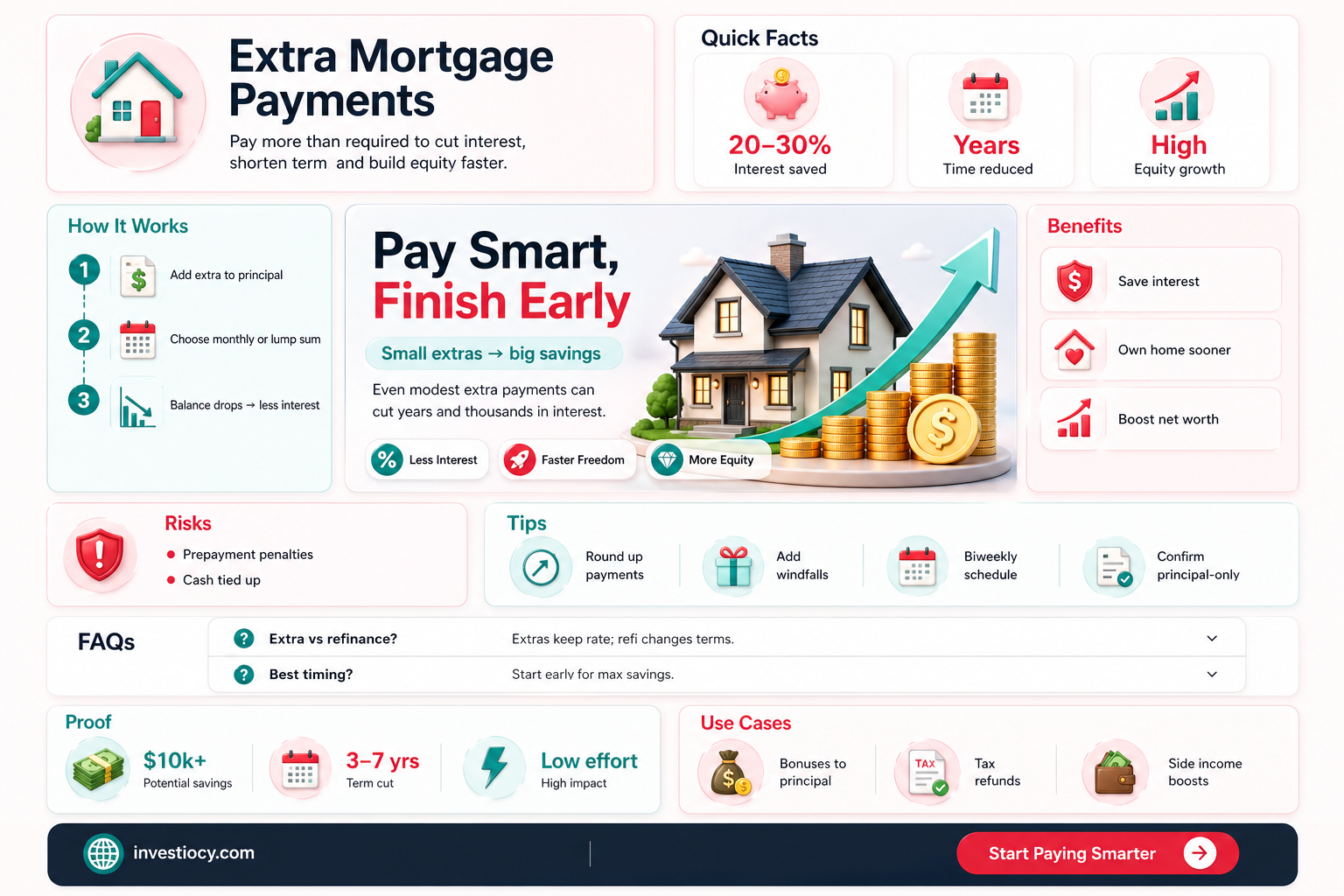
Making a mortgage overpayment can be a strategic financial move for homeowners looking to pay off their mortgage faster and save on interest. An overpayment is any amount paid above the minimum monthly mortgage payment required by your lender. This extra payment goes directly towards the principal balance of your mortgage, reducing the overall amount you owe and potentially shaving years off your repayment timeline. Before making an overpayment, it's essential to check with your lender to ensure there are no prepayment penalties or restrictions on your mortgage. Additionally, consider your overall financial situation and emergency savings to ensure that an overpayment won't leave you financially vulnerable.
Explore related products


What You'll Learn
- Benefits of Overpaying: Explore how overpaying can reduce interest costs and shorten your mortgage term
- Calculating Overpayment: Learn how to calculate the extra amount you can afford to pay each month
- Types of Overpayment: Understand lump sum vs. regular overpayments and their impacts on your mortgage
- Impact on Credit Score: Discover how making overpayments can positively affect your credit score
- Potential Downsides: Consider the cons, such as tying up funds that could be used elsewhere

Benefits of Overpaying: Explore how overpaying can reduce interest costs and shorten your mortgage term
Overpaying your mortgage can significantly reduce the total interest costs you incur over the life of the loan. When you make an overpayment, you're essentially paying off a portion of your principal balance ahead of schedule. This reduces the amount of principal on which interest is calculated, leading to lower interest charges in subsequent months. For example, if you have a $200,000 mortgage at a 4% interest rate and you make an overpayment of $10,000, you'll save approximately $4,000 in interest over the remaining term of the loan.
In addition to reducing interest costs, overpaying can also shorten the term of your mortgage. By paying off more principal, you're effectively reducing the number of payments needed to reach the end of your loan term. This can save you years of payments and the associated interest costs. For instance, if you have a 30-year mortgage and you make consistent overpayments, you could potentially pay off your mortgage in 20-25 years, depending on the size and frequency of your overpayments.
It's important to note that the benefits of overpaying are most pronounced when you make larger, lump-sum payments rather than small, incremental increases to your monthly payments. This is because larger payments have a more significant impact on reducing your principal balance and, consequently, your interest costs. However, even small overpayments can add up over time and contribute to long-term savings.
When considering overpaying your mortgage, it's essential to weigh the potential benefits against any prepayment penalties or fees associated with your loan. Some mortgages may have clauses that penalize you for making overpayments, especially if you're paying off a large portion of your principal balance at once. Be sure to review your loan agreement and consult with your lender to understand any potential costs or restrictions before making an overpayment.
In conclusion, overpaying your mortgage can be a strategic way to reduce interest costs and shorten your loan term. By making larger, lump-sum payments or consistent incremental increases, you can save money on interest and potentially pay off your mortgage years earlier than expected. However, it's crucial to consider any prepayment penalties or fees and to consult with your lender before making an overpayment to ensure it's the right decision for your financial situation.
Explore related products




Calculating Overpayment: Learn how to calculate the extra amount you can afford to pay each month
To calculate the extra amount you can afford to pay each month towards your mortgage, start by reviewing your current budget. Identify areas where you can cut back on expenses, such as dining out or subscription services. Consider the amount you spend on non-essential items and determine how much of that could be redirected towards your mortgage. For example, if you spend $200 a month on entertainment, you might decide to reduce that to $100 and put the remaining $100 towards your mortgage overpayment.
Next, evaluate your income to see if there are any opportunities for increasing your earnings. This could involve taking on a side job, working overtime, or pursuing a promotion. Even a small increase in income can make a significant difference in your ability to make overpayments. For instance, if you earn an extra $500 a month from a side job, you could allocate half of that towards your mortgage.
Once you have a clear picture of your budget and income, use a mortgage overpayment calculator to determine the impact of different overpayment amounts on your loan. These calculators can help you visualize how much faster you could pay off your mortgage and how much interest you could save. Experiment with different scenarios to find an overpayment amount that is both affordable and effective.
When deciding on an overpayment amount, it's important to strike a balance between paying off your mortgage quickly and maintaining a comfortable lifestyle. While it's tempting to put as much money as possible towards your mortgage, you should also consider other financial goals and obligations. For example, if you have high-interest credit card debt, it may be more beneficial to focus on paying that off before making large mortgage overpayments.
Finally, once you have determined a feasible overpayment amount, set up a plan to make those payments consistently. Consider automating your overpayments through your bank's online banking system to ensure that you don't miss any payments. Regularly review your budget and income to see if there are any changes that could impact your ability to make overpayments, and adjust your plan accordingly.
By following these steps, you can calculate the extra amount you can afford to pay each month towards your mortgage and make a significant dent in your loan balance. Remember to stay disciplined and patient, as making mortgage overpayments is a long-term strategy that requires commitment and consistency.
Explore related products


Types of Overpayment: Understand lump sum vs. regular overpayments and their impacts on your mortgage
Lump sum overpayments are a significant one-time payment made towards your mortgage principal. This type of overpayment can be particularly impactful if you receive a large sum of money, such as a bonus, inheritance, or tax refund. By applying this lump sum to your mortgage, you can reduce the principal balance, which in turn lowers the amount of interest you'll pay over the life of the loan. For example, if you have a $300,000 mortgage at a 4% interest rate and you make a $50,000 lump sum overpayment, you could save approximately $80,000 in interest and pay off your mortgage about 10 years earlier.
Regular overpayments, on the other hand, involve adding a smaller amount to your monthly mortgage payment. This could be a fixed amount, such as $100 or $200, or a percentage of your payment. Regular overpayments can be more manageable for many homeowners, as they don't require a large sum of money upfront. Over time, these smaller overpayments can add up to make a significant difference in your mortgage balance and interest savings. For instance, adding $200 to your monthly payment on a $300,000 mortgage at a 4% interest rate could save you about $45,000 in interest and help you pay off your mortgage about 5 years earlier.
When deciding between lump sum and regular overpayments, it's essential to consider your financial situation and goals. Lump sum overpayments can provide a more immediate impact on your mortgage balance, but they may not be feasible for everyone. Regular overpayments, while less impactful in the short term, can be a more sustainable option for many homeowners. It's also important to check with your lender about any prepayment penalties or restrictions before making overpayments.
In conclusion, understanding the differences between lump sum and regular overpayments can help you make informed decisions about managing your mortgage. By choosing the right overpayment strategy for your situation, you can save money on interest and potentially pay off your mortgage sooner.
Explore related products


Impact on Credit Score: Discover how making overpayments can positively affect your credit score
Making overpayments on your mortgage can have a significant positive impact on your credit score. This is because overpayments demonstrate to lenders that you are a responsible borrower who is capable of managing their debt effectively. When you make overpayments, you are essentially paying off your mortgage balance faster than required, which reduces the amount of debt you owe and improves your debt-to-income ratio. This, in turn, can lead to a higher credit score, as lenders view borrowers with lower debt-to-income ratios as less risky.
One of the key factors that influence your credit score is your payment history. By making overpayments, you are not only paying off your mortgage balance faster but also ensuring that you never miss a payment. This consistent payment history can help to build trust with lenders and improve your creditworthiness. Additionally, overpayments can help to reduce the amount of interest you pay on your mortgage, which can further improve your financial standing and credit score.
It's important to note that the impact of overpayments on your credit score may vary depending on your individual circumstances. For example, if you have a high credit score already, the impact of overpayments may be less significant. However, for those with lower credit scores, overpayments can be a valuable tool for improving creditworthiness. It's also worth considering that overpayments may not always be the best option, especially if you have other debts with higher interest rates. In such cases, it may be more beneficial to focus on paying off those debts first before making overpayments on your mortgage.
In conclusion, making overpayments on your mortgage can be a useful strategy for improving your credit score, especially if you have a history of missed payments or a high debt-to-income ratio. By demonstrating responsible borrowing behavior and reducing your mortgage balance faster, you can build trust with lenders and improve your overall creditworthiness. However, it's essential to consider your individual circumstances and financial goals before deciding whether overpayments are the right option for you.
Explore related products


Potential Downsides: Consider the cons, such as tying up funds that could be used elsewhere
One significant downside to consider when making a mortgage overpayment is the opportunity cost. By putting extra funds towards your mortgage, you may be tying up money that could be used for other financial goals or emergencies. This can be particularly problematic if you have high-interest debt elsewhere, such as credit card balances or personal loans, as paying those off first could save you more money in the long run. Additionally, if you're not already maxing out your retirement savings or other investment opportunities, diverting funds to your mortgage may mean missing out on potential growth and tax advantages.
Another potential drawback is the risk of losing liquidity. Making a large overpayment can deplete your cash reserves, leaving you vulnerable to unexpected expenses or financial shocks. This can be especially concerning if you don't have a robust emergency fund in place. Furthermore, if you're planning to make a large purchase or investment in the near future, tying up funds in your mortgage may make it more difficult to access the necessary capital when you need it.
It's also important to consider the potential impact on your credit score. While making regular, on-time payments is crucial for maintaining good credit, overpaying your mortgage may not necessarily boost your score significantly. In some cases, it may even have a negative effect if it leads to a decrease in your available credit or an increase in your debt-to-income ratio. Before making a large overpayment, it's wise to consult with a financial advisor to discuss the potential implications for your overall financial health), including your credit score and long-term goals.
Finally, it's essential to weigh the potential benefits of overpaying your mortgage against the costs. While paying off your mortgage early can save you money on interest and provide a sense of financial freedom, it may not be the most effective use of your funds in all situations. Consider factors such as your interest rate, the remaining term of your mortgagerazor, and your overall financial priorities when deciding whether to make an overpayment. By carefully evaluating the pros and cons, you can make an informed decision that aligns with your unique financial circumstances and goals.
Frequently asked questions
To make a mortgage overpayment, you'll need to contact your lender or mortgage servicer. They can provide you with the necessary information and guidance on how to make an overpayment. You may be able to make an overpayment through your online banking portal, by phone, or by mail. Be sure to confirm with your lender if there are any prepayment penalties or fees associated with making an overpayment.
Making a mortgage overpayment can have several benefits. It can help you pay off your mortgage faster, reducing the overall interest you pay on the loan. Overpayments can also help build equity in your home more quickly. Additionally, making overpayments can improve your credit score, as it demonstrates responsible financial behavior.
While there are many benefits to making a mortgage overpayment, there are also some potential drawbacks to consider. One drawback is that you may face prepayment penalties or fees, depending on your lender and the terms of your mortgage. Another drawback is that tying up a large amount of money in your mortgage may limit your liquidity and ability to access funds for other financial goals or emergencies.
The amount you choose to overpay on your mortgage each month will depend on your individual financial situation and goals. Some people may choose to overpay by a small amount each month, while others may opt for a larger overpayment. It's important to consider your budget, savings goals, and other financial obligations when determining how much to overpay. Consulting with a financial advisor can also help you make an informed decision.


