Clark Galvan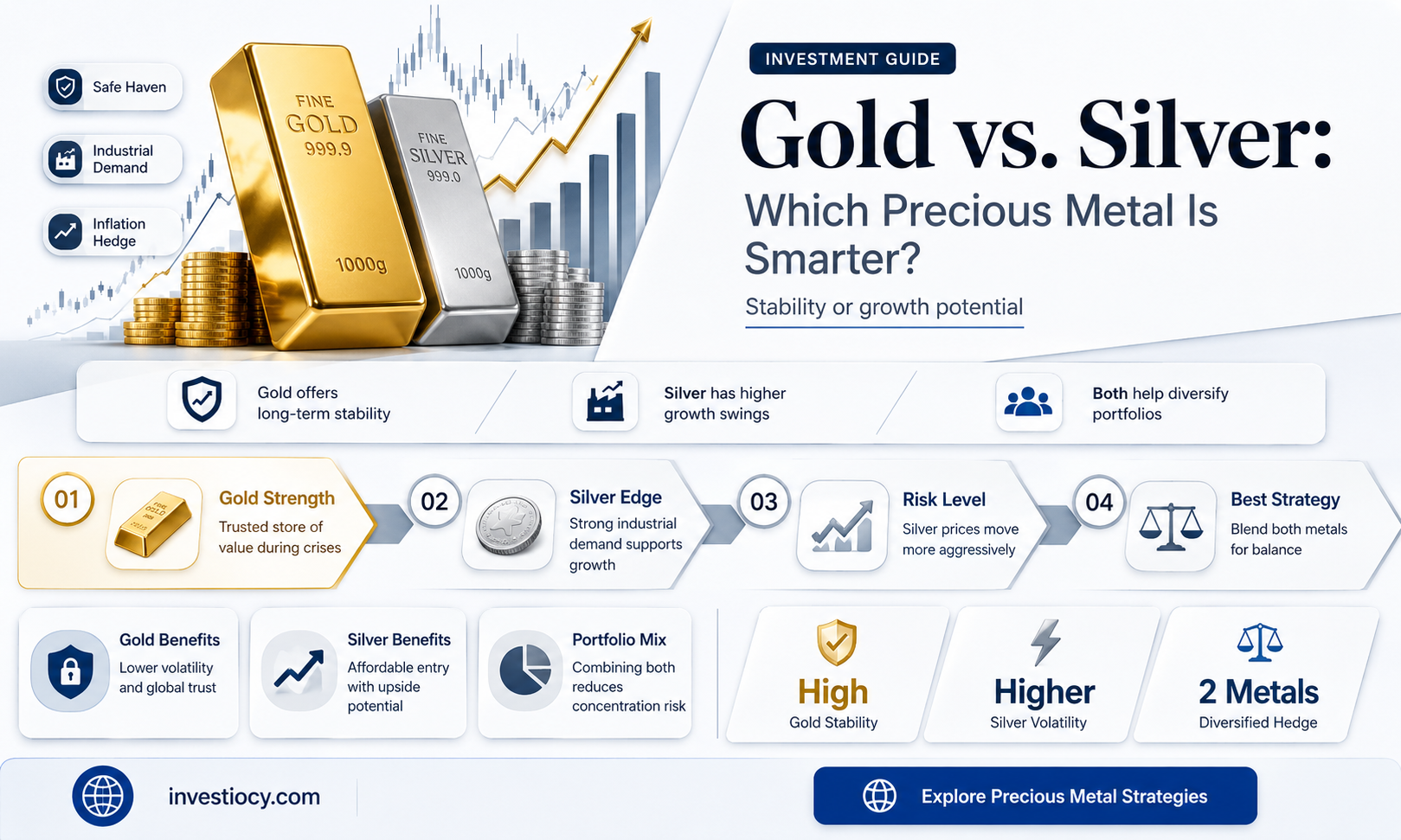
When considering investing in precious metals, the age-old debate between gold and silver often arises. Both metals have their unique appeal and potential benefits for investors. Gold, traditionally seen as a safe-haven asset, tends to perform well during economic uncertainty and inflationary periods. Its value is often driven by demand for jewelry, central bank reserves, and investment demand. On the other hand, silver, while also a precious metal, is more volatile and has a stronger correlation with industrial demand due to its use in various technological applications. Silver can offer higher potential returns but also comes with greater price fluctuations. In this discussion, we'll delve into the factors that influence the performance of both metals and explore which might be a better investment depending on your financial goals and market conditions.
Explore related products





What You'll Learn
- Historical Performance: Compare the price trends and returns of gold and silver over the past decade
- Market Demand: Analyze the current and projected demand for gold and silver in various industries
- Risk Management: Evaluate the volatility and risk associated with investing in gold versus silver
- Portfolio Diversification: Discuss how gold and silver can be used to diversify an investment portfolio
- Storage and Security: Consider the costs and methods of storing and securing physical gold and silver investments

Historical Performance: Compare the price trends and returns of gold and silver over the past decade
Over the past decade, the historical performance of gold and silver has been marked by distinct trends and fluctuations. Gold has generally maintained a higher price point compared to silver, with its value often seen as a safe-haven asset during times of economic uncertainty. In contrast, silver has exhibited more volatility, with its price movements closely tied to industrial demand and market sentiment.
Analyzing the price trends, gold experienced a significant surge in the early 2010s, peaking around 2011-2012, before undergoing a correction and stabilizing in the following years. Silver, on the other hand, saw a sharp rise in 2011 but subsequently faced a steep decline, with its price struggling to regain the same heights. This divergence in performance can be attributed to gold's stronger correlation with geopolitical events and inflation expectations, while silver's price is more sensitive to changes in industrial demand and technological advancements.
In terms of returns, gold has provided relatively steady gains over the past decade, with an average annual return of around 10-12%. Silver, however, has been more erratic, with periods of high returns followed by significant drawdowns. For instance, silver's price rallied in 2016 but then experienced a sharp sell-off in the subsequent years. This volatility has made silver a more speculative investment compared to gold, which is often viewed as a more stable store of value.
Investors considering gold and silver as potential investments should carefully weigh the historical performance and risk profiles of each metal. While gold has demonstrated a more consistent track record of returns, silver offers the potential for higher gains, albeit with greater volatility. A diversified portfolio that includes both gold and silver can help mitigate risks and capitalize on the unique characteristics of each metal. Ultimately, the choice between gold and silver depends on an investor's risk tolerance, investment horizon, and overall financial goals.
Unveiling the Truth: Is Noble Gold Investments Legitimate?
You may want to see also
Explore related products


Market Demand: Analyze the current and projected demand for gold and silver in various industries
The demand for gold and silver extends beyond traditional jewelry and coin collecting, with various industries driving the market for these precious metals. In the technology sector, gold is used in the production of smartphones, computers, and other electronic devices due to its excellent conductivity and resistance to corrosion. Silver, on the other hand, is a key component in solar panels, medical devices, and water purification systems. The growing adoption of renewable energy and increasing reliance on advanced electronics are expected to boost the demand for both metals in the coming years.
In the medical field, gold and silver have distinct applications. Gold is used in dental fillings and crowns, while silver is incorporated into wound dressings and antibacterial coatings. The aging population and rising healthcare expenditures are likely to increase the demand for these metals in medical applications. Additionally, the fashion industry continues to be a significant consumer of gold and silver, with luxury brands and high-end designers incorporating these metals into their collections.
The automotive industry is another sector driving the demand for precious metals. Gold is used in catalytic converters to reduce emissions, and silver is used in various components, including mirrors and window defrosters. As governments implement stricter environmental regulations and consumers increasingly prioritize eco-friendly vehicles, the demand for gold and silver in the automotive sector is poised to grow.
Investors should also consider the role of gold and silver in the global economy. Central banks and governments often hold reserves of these metals as a hedge against inflation and economic uncertainty. During times of market volatility, the demand for gold and silver as safe-haven assets tends to increase, driving up prices. Understanding the diverse applications of gold and silver across various industries can help investors make informed decisions about which metal to invest in based on their risk tolerance and market outlook.
Smart Gold Investment Strategies on Robinhood for Beginners
You may want to see also
Explore related products


Risk Management: Evaluate the volatility and risk associated with investing in gold versus silver
Gold and silver are both precious metals that have been used as stores of value for centuries. However, when it comes to investing, understanding the volatility and risk associated with each is crucial. Historically, gold has been considered a safe-haven asset, often performing well during economic downturns and periods of high inflation. Its price is less volatile than silver's, making it a more stable investment option for risk-averse investors.
On the other hand, silver is known for its higher volatility. While it can offer significant returns during bull markets, its price can also drop sharply during economic crises. Silver's dual nature as both a precious metal and an industrial commodity means its price is influenced by a wider range of factors, including supply and demand dynamics in various industries.
To evaluate the risk associated with investing in gold versus silver, it's essential to consider your investment goals and risk tolerance. If you're looking for a more stable investment that can provide a hedge against inflation and economic uncertainty, gold may be the better choice. However, if you're willing to take on more risk in exchange for the potential of higher returns, silver could be a more attractive option.
Diversification is also an important strategy in managing risk. By including both gold and silver in your investment portfolio, you can balance the stability of gold with the growth potential of silver. Additionally, consider investing in other assets such as stocks, bonds, and real estate to further diversify your portfolio and mitigate risk.
In conclusion, the choice between investing in gold or silver depends on your individual financial goals, risk tolerance, and investment horizon. Both metals have their unique advantages and risks, and a well-diversified portfolio that includes a mix of assets can help you achieve your investment objectives while managing risk effectively.
Timeless Elegance: The Enduring Value of Gold Jewelry Investments
You may want to see also
Explore related products


Portfolio Diversification: Discuss how gold and silver can be used to diversify an investment portfolio
Diversifying an investment portfolio is crucial for managing risk and optimizing returns. Gold and silver are often considered safe-haven assets that can play a significant role in portfolio diversification. Here's how they can be utilized:
Gold as a Diversification Tool
Gold has historically been viewed as a store of value and a hedge against inflation and economic uncertainty. Its price tends to move independently of other asset classes, such as stocks and bonds, making it an effective diversification tool. For instance, during the 2008 financial crisis, while many investments plummeted, gold prices surged, providing a buffer for investors who had allocated a portion of their portfolio to this precious metal.
Silver's Role in Diversification
Silver, like gold, offers diversification benefits but with some unique characteristics. It is more volatile than gold, which means it can provide higher returns but also comes with greater risk. Silver is also more closely tied to industrial demand, making it sensitive to economic cycles. Investors who believe in the industrial growth potential or are looking for a more speculative diversification option might find silver appealing.
Strategies for Incorporating Precious Metals
There are several strategies for incorporating gold and silver into a diversified portfolio:
- Physical Ownership: Buying and holding physical gold or silver bullion.
- ETFs and Mutual Funds: Investing in exchange-traded funds (ETFs) or mutual funds that track the price of gold or silver.
- Mining Stocks: Purchasing stocks of companies that mine gold or silver.
- Options and Futures: Trading options or futures contracts on gold or silver.
Considerations and Risks
While gold and silver can enhance portfolio diversification, there are risks and considerations to keep in mind:
- Liquidity: Physical gold and silver can be less liquid than other investments.
- Storage and Security: Physical metals require secure storage, which can be costly.
- Market Volatility: Precious metal prices can be highly volatile, leading to significant gains or losses.
- Counterparty Risk: When investing in ETFs, mutual funds, or mining stocks, there is a risk associated with the financial health of the underlying entities.
Gold and silver can be valuable components of a diversified investment portfolio, offering a hedge against economic uncertainty and inflation. However, investors should carefully consider the risks and choose the appropriate strategy based on their investment goals and risk tolerance. By doing so, they can effectively utilize precious metals to enhance the resilience and performance of their portfolio.
Explore related products


Storage and Security: Consider the costs and methods of storing and securing physical gold and silver investments
Storing and securing physical gold and silver investments is a critical aspect to consider when deciding between the two precious metals. One of the primary concerns is the cost associated with storage. Gold, being denser and more valuable, typically requires less space but more robust security measures. Silver, on the other hand, takes up more space due to its lower density, which can lead to higher storage costs. Investors must also consider the methods of storage, such as safe deposit boxes, home safes, or third-party vaults. Each option has its own set of advantages and disadvantages in terms of accessibility, security, and cost.
Security is another paramount consideration. Physical gold and silver are tangible assets that can be stolen if not properly secured. Investors should evaluate the security features of their chosen storage method, such as surveillance cameras, alarm systems, and access controls. Additionally, insurance coverage for the stored metals should be considered to mitigate potential losses in case of theft or damage.
The location of storage is also a factor that can impact both cost and security. Storing precious metals in a domestic safe deposit box may offer more convenience and accessibility, but it could also be more expensive and potentially less secure than offshore storage options. Investors should research the political and economic stability of the country where they plan to store their metals, as well as the legal requirements and tax implications associated with storing precious metals in that jurisdiction.
Furthermore, investors should consider the liquidity of their investments when deciding on storage and security measures. If they anticipate needing to sell their metals quickly, they may want to opt for storage options that offer easy access and quick liquidation. Conversely, if they plan to hold their investments for a longer period, they may prioritize security and cost-effectiveness over liquidity.
In conclusion, the costs and methods of storing and securing physical gold and silver investments are crucial factors that can significantly impact the overall investment decision. By carefully evaluating these aspects, investors can make informed choices that align with their financial goals and risk tolerance.
Frequently asked questions
Gold and silver are both precious metals, but they have different market behaviors and investment profiles. Gold is often seen as a safe-haven asset, maintaining its value during economic downturns, while silver is more volatile and can offer higher returns but also carries more risk. Gold is also more widely recognized and accepted as a form of investment, whereas silver might be more appealing to those looking for a more speculative investment.
Historically, both gold and silver have provided substantial returns on investment, but their performance can vary greatly depending on the time period in question. Over the long term, gold has generally maintained a steady increase in value, while silver has experienced more significant price swings. However, during certain periods, silver has outperformed gold, offering higher returns to investors.
Gold and silver investments require secure storage to protect against theft or damage. Gold, being denser and more valuable by weight, typically requires more secure storage solutions such as a safe deposit box or a home safe. Silver, while still valuable, is less dense and can be stored in a variety of ways, including coins, bars, or even in a home safe. The cost of storage can also vary, with gold often being more expensive to store due to its higher value and density.
The tax implications of investing in gold and silver can vary depending on the country and the specific form of investment. In many countries, gains from the sale of gold and silver are subject to capital gains tax. However, some forms of investment, such as gold and silver IRAs in the United States, offer tax advantages. It's important for investors to consult with a tax professional to understand the specific tax implications of their investments in gold and silver.