Josephine Norton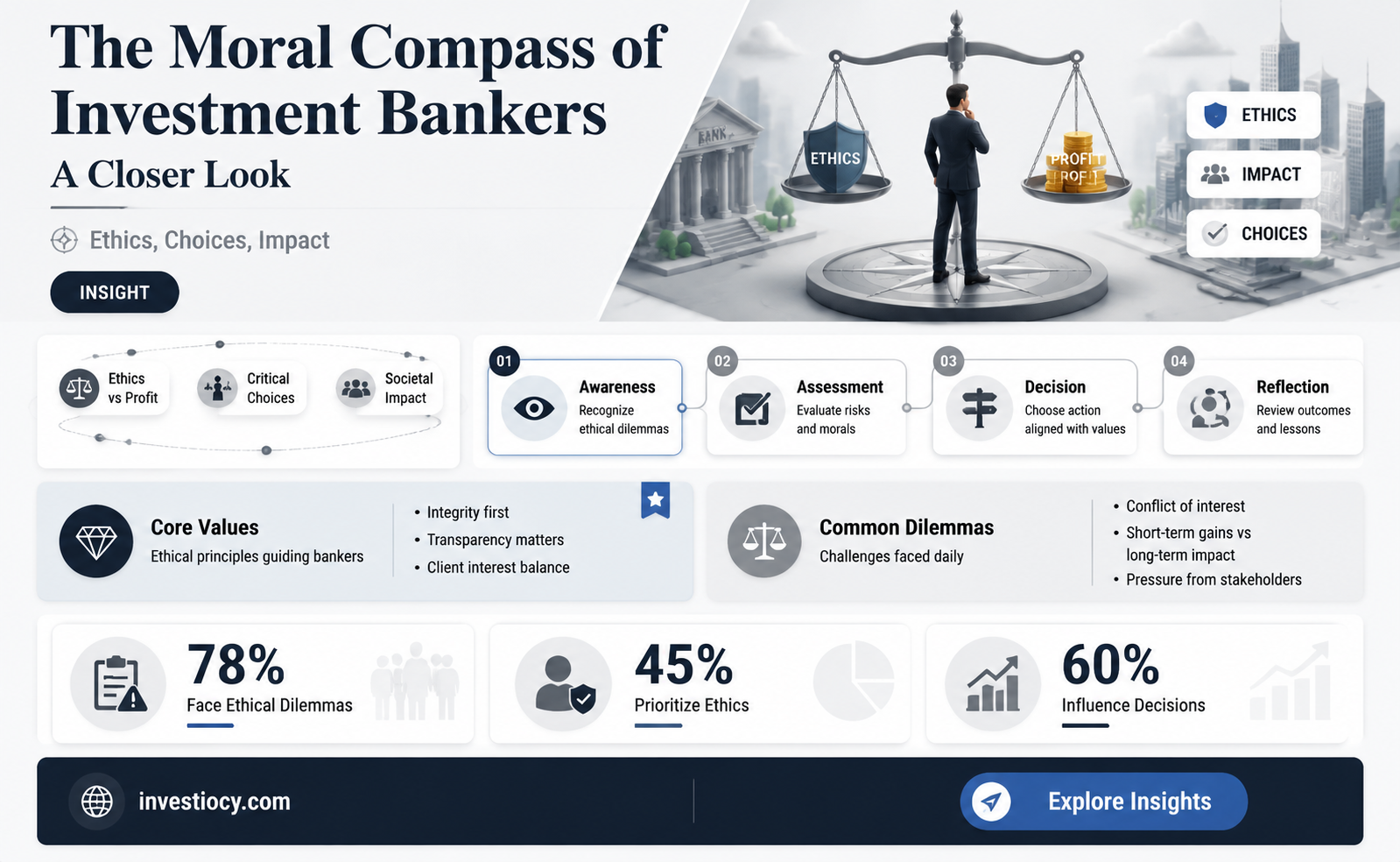
Investment bankers often find themselves at the center of public scrutiny and debate. While they play a crucial role in facilitating financial transactions, raising capital, and driving economic growth, their actions can sometimes be perceived as unethical or even harmful. This perception stems from high-profile scandals, excessive bonuses, and the notion that their decisions can disproportionately impact society. However, it's essential to recognize that not all investment bankers engage in questionable practices, and many work diligently to uphold ethical standards and contribute positively to the financial system.
Explore related products


What You'll Learn
- Ethical Considerations: Examining moral dilemmas and conflicts of interest in investment banking practices
- Industry Criticisms: Addressing common critiques of investment banking, such as excessive risk-taking and market manipulation
- Regulatory Oversight: Discussing the role of regulations in curbing unethical behavior within the investment banking sector
- Public Perception: Analyzing how investment bankers are viewed by the general public and media
- Professional Conduct: Evaluating the standards and practices that guide investment bankers' day-to-day activities

Ethical Considerations: Examining moral dilemmas and conflicts of interest in investment banking practices
Investment banking practices are often scrutinized for their ethical implications, with many questioning whether the pursuit of profit can coexist with moral integrity. One of the primary ethical considerations is the inherent conflict of interest that arises when investment banks advise clients on transactions that may benefit the bank's own financial interests. For instance, when a bank underwrites a company's initial public offering (IPO), there is a temptation to prioritize the bank's fees and market share over the best interests of the client. This conflict can lead to biased advice, misleading investors, and ultimately, market inefficiencies.
Another ethical dilemma faced by investment bankers is the pressure to engage in aggressive sales tactics and misrepresent financial products to clients. The 2008 financial crisis highlighted the devastating consequences of such practices, as banks sold complex financial instruments like collateralized debt obligations (CDOs) to unsuspecting investors, leading to massive losses and a global economic downturn. In the aftermath, many banks faced lawsuits and regulatory scrutiny, underscoring the need for greater transparency and accountability in their dealings with clients.
Furthermore, investment banking practices can also raise concerns about social responsibility and the impact of financial decisions on society as a whole. For example, banks may finance projects or companies that contribute to environmental degradation, human rights abuses, or other social harms. In such cases, investment bankers must grapple with the moral implications of their work and consider whether their actions align with their personal values and the greater good.
To address these ethical challenges, investment banks have implemented various measures, such as establishing independent compliance departments, adopting codes of conduct, and providing ethics training for employees. However, critics argue that these efforts are often insufficient and that a more fundamental shift in the industry's culture and incentives is needed to promote truly ethical behavior.
Ultimately, the question of whether investment bankers are "bad people" is overly simplistic and fails to capture the complexity of the ethical issues at play. While some individuals in the industry may engage in unethical practices, it is important to recognize that investment banking, like any profession, is not inherently good or bad. Rather, it is the choices and actions of those within the industry that determine its moral character. By fostering a culture of transparency, accountability, and social responsibility, investment banks can work to rebuild public trust and demonstrate their commitment to ethical practices.
Exploring the Psychology Behind Investment Decisions
You may want to see also
Explore related products

$82.99 $95


Industry Criticisms: Addressing common critiques of investment banking, such as excessive risk-taking and market manipulation
Investment banking has long been under scrutiny for its perceived role in fostering excessive risk-taking and market manipulation. Critics argue that the industry's focus on short-term gains and high-stakes trading can lead to destabilizing market conditions and unethical practices. One notable example is the 2008 financial crisis, where investment banks were accused of contributing to the collapse through risky mortgage-backed securities and misleading investors about the true nature of these products.
To address these criticisms, regulatory bodies have implemented stricter guidelines and oversight mechanisms. The Dodd-Frank Act, for instance, introduced reforms aimed at reducing systemic risk and increasing transparency in financial markets. Investment banks have also been compelled to adopt more robust risk management practices and enhance their compliance frameworks to mitigate the likelihood of future crises.
Moreover, the industry has seen a shift towards more sustainable and socially responsible investment strategies. The rise of Environmental, Social, and Governance (ESG) investing reflects a growing awareness among investors and financial institutions of the need to balance financial returns with ethical considerations and long-term sustainability. This trend has led to increased scrutiny of companies' ESG practices and a push for greater transparency and accountability in investment decisions.
Despite these efforts, skepticism remains about the industry's commitment to reform. Critics argue that the culture of high-risk, high-reward trading is deeply ingrained in investment banking and that regulatory measures may not be sufficient to prevent future abuses. Furthermore, the complexity of financial markets and the opacity of certain investment products continue to pose challenges for effective oversight and consumer protection.
In conclusion, while investment banking has faced significant criticism for its role in market instability and manipulation, the industry has taken steps to address these concerns through regulatory compliance, risk management reforms, and a growing emphasis on sustainable investment practices. However, ongoing vigilance and continued efforts to enhance transparency and accountability will be crucial in rebuilding public trust and ensuring the long-term stability of financial markets.
The Dark Side of Investing: How Nice People Can Turn Psychopathic
You may want to see also
Explore related products


Regulatory Oversight: Discussing the role of regulations in curbing unethical behavior within the investment banking sector
Regulatory oversight plays a crucial role in curbing unethical behavior within the investment banking sector. The implementation of stringent regulations and compliance measures can significantly reduce the likelihood of fraudulent activities and misconduct. For instance, the Dodd-Frank Act in the United States introduced a comprehensive set of financial regulatory reforms aimed at promoting transparency and accountability in the banking industry. These regulations have led to increased scrutiny of investment bankers' actions, thereby deterring unethical practices.
One of the key aspects of regulatory oversight is the enforcement of ethical standards and codes of conduct. Investment banks are required to establish and maintain robust compliance programs that ensure adherence to these standards. This includes regular training sessions for employees, periodic audits, and the appointment of compliance officers to monitor and report any deviations from ethical norms. By fostering a culture of compliance, investment banks can mitigate the risks associated with unethical behavior and enhance their reputation in the market.
Moreover, regulatory bodies often impose penalties and sanctions on investment banks that fail to comply with ethical standards. These penalties can range from monetary fines to more severe consequences such as the revocation of licenses or the imposition of trading restrictions. The threat of such repercussions serves as a strong deterrent against unethical practices, encouraging investment banks to prioritize compliance and ethical conduct.
In addition to these measures, regulatory oversight also involves the monitoring of market activities to detect and prevent potential fraud or manipulation. This includes the use of advanced surveillance technologies and data analytics to identify unusual trading patterns or suspicious transactions. By proactively identifying and addressing potential issues, regulatory bodies can help maintain the integrity of the financial markets and protect investors' interests.
Overall, regulatory oversight is essential in ensuring that investment bankers operate within the boundaries of ethical conduct. Through the establishment of clear guidelines, enforcement mechanisms, and monitoring systems, regulatory bodies can effectively curb unethical behavior and promote a fair and transparent financial environment.
Are Homes People's Biggest Investment? Exploring the Financial Landscape
You may want to see also
Explore related products


Public Perception: Analyzing how investment bankers are viewed by the general public and media
The public's perception of investment bankers is often shaped by media portrayals and high-profile scandals. Movies and television shows frequently depict investment bankers as ruthless, greedy, and willing to bend the rules to make a profit. This negative portrayal can influence public opinion, leading many to view investment bankers as "bad people." However, it's essential to recognize that these portrayals are often exaggerated and do not represent the entire industry.
One significant factor contributing to the negative perception is the media's tendency to focus on sensational stories. News outlets often highlight cases of fraud, insider trading, and other unethical practices, which can create a skewed view of the industry as a whole. While these stories are important to report, they do not necessarily reflect the behavior of the majority of investment bankers.
To gain a more accurate understanding of public perception, it's necessary to look at empirical data. Surveys and studies have shown that the general public tends to have a mixed view of investment bankers. While some people do view them negatively, others see them as hardworking professionals who play a vital role in the economy.
It's also important to consider the impact of the 2008 financial crisis on public perception. The crisis, which was partly attributed to the actions of investment banks, led to widespread anger and distrust towards the financial industry. This event had a lasting impact on public opinion, with many people still associating investment bankers with the economic turmoil that followed.
In conclusion, public perception of investment bankers is complex and multifaceted. While media portrayals and high-profile scandals can contribute to a negative view, it's essential to recognize that these do not represent the entire industry. By looking at empirical data and considering the broader context, we can gain a more nuanced understanding of how investment bankers are viewed by the general public and media.
Exploring the Depths of Financial Markets: Who's Diving In?
You may want to see also
Explore related products


$62.53 $79.99


Professional Conduct: Evaluating the standards and practices that guide investment bankers' day-to-day activities
Investment bankers operate within a highly regulated environment, bound by a complex web of laws, regulations, and industry standards designed to ensure ethical behavior and protect client interests. These rules govern everything from the handling of confidential information to the management of conflicts of interest, and they are enforced by various regulatory bodies such as the Securities and Exchange Commission (SEC) in the United States.
One key aspect of professional conduct in investment banking is the fiduciary duty, which requires bankers to act in the best interests of their clients at all times. This duty encompasses a range of responsibilities, including providing accurate and timely information, avoiding conflicts of interest, and ensuring that client assets are managed prudently.
Another important standard is the requirement for transparency and disclosure. Investment bankers must be open and honest in their dealings with clients, providing clear and concise information about the risks and potential rewards of any investment or transaction. This includes disclosing any potential conflicts of interest, such as when a banker has a personal stake in a deal or when their firm has a relationship with another party involved in the transaction.
In addition to these legal and regulatory requirements, investment banks also have their own internal codes of conduct that outline the expectations for employee behavior. These codes often go beyond the minimum legal requirements, setting higher standards for ethical behavior and professional integrity. For example, a bank's code of conduct may prohibit employees from engaging in certain types of personal investments or from accepting gifts from clients.
Despite these robust standards and practices, there have been instances where investment bankers have fallen short of the mark. High-profile scandals and cases of misconduct have led to public criticism and calls for greater accountability in the industry. However, it is important to note that these cases are not representative of the vast majority of investment bankers, who work diligently to uphold the highest standards of professional conduct.
In conclusion, the standards and practices that guide investment bankers' day-to-day activities are comprehensive and designed to ensure ethical behavior and protect client interests. While there have been instances of misconduct, the industry as a whole is committed to maintaining the highest levels of professionalism and integrity.
Is Robinhood Still Relevant? A Look at Its Current Status
You may want to see also
Frequently asked questions
The perception of investment bankers varies widely. While some view them as ruthless and driven by personal gain, others see them as professionals who play a vital role in the financial markets. It's important to remember that individuals in any profession can exhibit a range of behaviors, both positive and negative.
Investment bankers are often criticized for prioritizing profits over ethical considerations, engaging in high-risk activities that can lead to financial crises, and contributing to income inequality. These criticisms stem from the high-stakes nature of their work and the potential for conflicts of interest.
Yes, investment bankers have a fiduciary duty to act in the best interests of their clients. This legal obligation requires them to provide advice and services that are in the client's best interest, rather than their own.
Absolutely. Investment bankers can contribute positively to society by facilitating economic growth, helping businesses raise capital, and supporting charitable causes. Many investment banks have corporate social responsibility initiatives aimed at improving communities and addressing social issues.
No, it's not fair to generalize about the character of all investment bankers based on the actions of a few. Like any profession, investment banking attracts a diverse range of individuals with varying values and behaviors. It's important to avoid stereotypes and judge people based on their individual actions and character.