Lester Freeman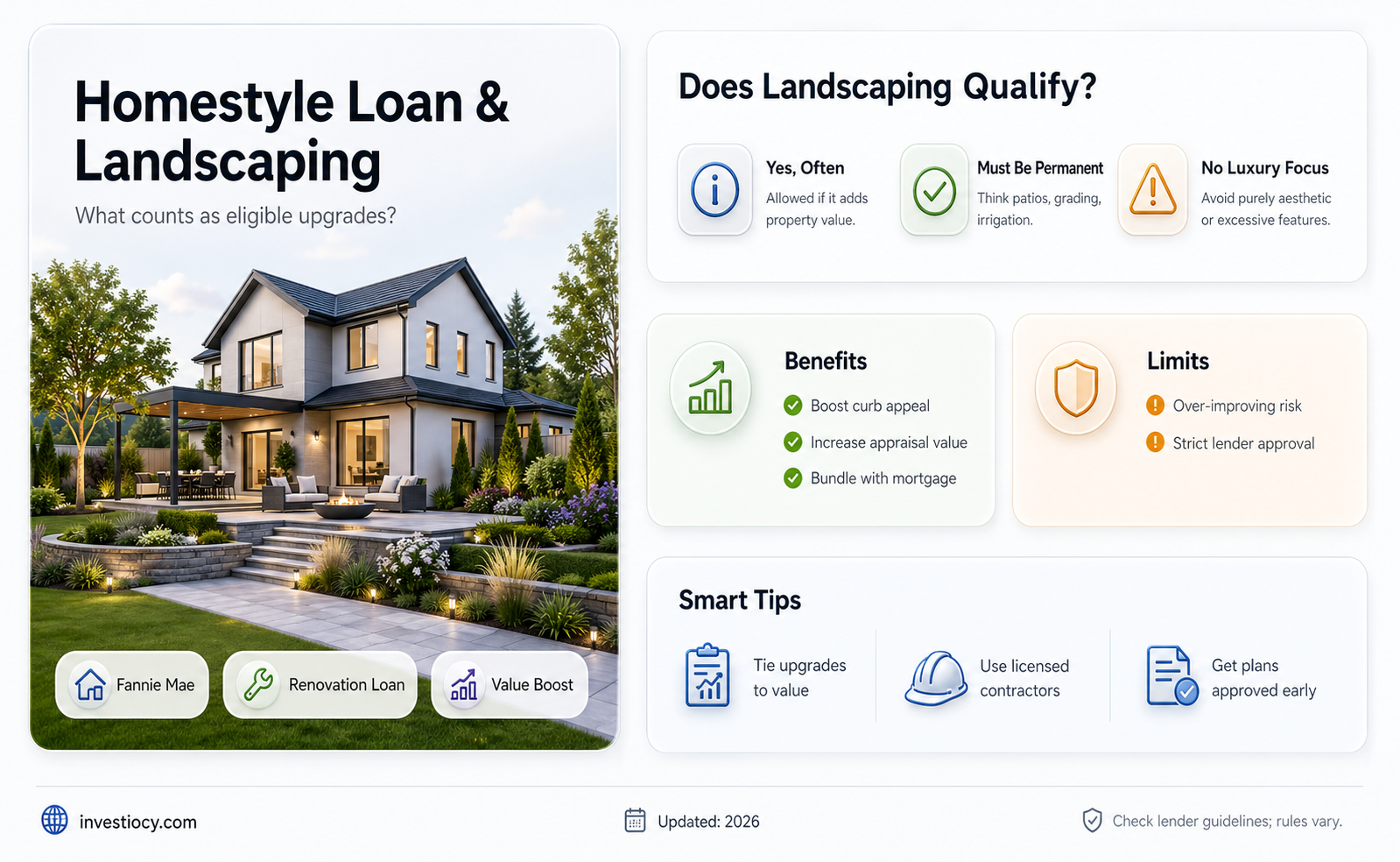
A homestyle loan is a type of mortgage that allows borrowers to finance both the purchase and renovation of a home. When it comes to landscaping, the answer is not straightforward. While a homestyle loan can cover a wide range of home improvements, including outdoor projects, there are certain limitations and requirements that borrowers must be aware of. Generally, landscaping costs can be included in a homestyle loan if they are considered a permanent improvement to the property and add value to the home. However, lenders may have specific guidelines on what types of landscaping projects are eligible, and borrowers may need to provide detailed plans and cost estimates to ensure that their project meets these criteria.
Explore related products


What You'll Learn
- Eligibility Criteria: Understand the specific requirements for landscaping projects under Homestyle loans
- Loan Limits: Explore the maximum amount available for landscaping improvements
- Interest Rates: Discover the current interest rates applicable to Homestyle loans for landscaping
- Application Process: Learn the steps involved in applying for a Homestyle loan for landscaping
- Approved Landscaping Projects: Find out what types of landscaping projects are typically approved under Homestyle loans

Eligibility Criteria: Understand the specific requirements for landscaping projects under Homestyle loans
To determine if a landscaping project is eligible for a Homestyle loan, it's essential to understand the specific requirements set forth by Fannie Mae, the organization that backs these loans. Unlike other home improvement loans, Homestyle loans have distinct criteria that must be met for landscaping projects to qualify.
First and foremost, the landscaping project must be considered a permanent improvement to the property. This means that the work must be affixed to the land or the home and cannot be easily removed. For example, planting trees, installing a patio, or building a retaining wall would likely meet this criterion, while temporary features like seasonal flower beds or movable outdoor furniture would not.
Additionally, the landscaping project must add value to the property. This could be in the form of increased curb appeal, improved functionality, or enhanced outdoor living space. The project should also be consistent with the overall aesthetic and style of the neighborhood to ensure that it doesn't negatively impact property values.
It's also important to note that Homestyle loans have specific guidelines regarding the types of landscaping projects that are eligible. For instance, the loan may not cover projects that are primarily for aesthetic purposes, such as installing a decorative water feature or adding ornamental lighting. Instead, the project should have a clear functional benefit, such as improving drainage, providing shade, or creating a usable outdoor space.
Furthermore, the landscaping project must be completed by a licensed and insured contractor. This is to ensure that the work is done to a high standard and that the homeowner is protected in case of any issues or disputes. The contractor should also have experience in the type of landscaping work being proposed to ensure that the project is completed successfully.
In conclusion, understanding the eligibility criteria for landscaping projects under Homestyle loans is crucial for homeowners looking to finance their outdoor improvements. By ensuring that the project meets the specific requirements set forth by Fannie Mae, homeowners can increase their chances of securing a loan and completing their landscaping project successfully.
Reviving Dreams: The Current Status of HomePath Renovation Loans
You may want to see also
Explore related products

$9.97 $24.97



Loan Limits: Explore the maximum amount available for landscaping improvements
Understanding the loan limits for landscaping improvements is crucial for homeowners planning to enhance their outdoor spaces. The maximum amount available can vary significantly depending on several factors, including the type of loan, the lender, and the homeowner's equity. For instance, a home equity loan might offer higher limits compared to a personal loan, as it is secured by the property itself. Homeowners should also consider their credit score and debt-to-income ratio, as these can influence the loan amount they qualify for.
One common option for financing landscaping projects is the FHA 203(k) loan, which allows borrowers to include renovation costs in their mortgage. However, this loan has specific limits, and the landscaping improvements must be considered essential to the property's value or livability. Another option is a home improvement loan, which can be unsecured or secured, and typically has a fixed interest rate and repayment term. These loans are designed specifically for home renovation projects, including landscaping.
When exploring loan limits, it's essential to shop around and compare offers from different lenders. Some lenders may have more flexible criteria or offer higher loan amounts than others. Additionally, homeowners should carefully review the terms and conditions of each loan, including the interest rate, repayment term, and any fees associated with the loan. By doing thorough research and understanding their financial situation, homeowners can make informed decisions about financing their landscaping improvements.
In conclusion, navigating the loan limits for landscaping improvements requires careful consideration of various factors, including the type of loan, the lender, and the homeowner's financial situation. By exploring different loan options and comparing offers, homeowners can find the best financing solution for their outdoor renovation projects.
Explore related products


Interest Rates: Discover the current interest rates applicable to Homestyle loans for landscaping
As of June 2024, the interest rates for Homestyle loans specifically allocated for landscaping projects are influenced by several key factors. These include the borrower's credit score, the loan-to-value ratio, and the overall economic climate. Typically, interest rates for such loans range from 5% to 7%, but this can vary significantly based on the lender and the specific terms of the loan. It's crucial for homeowners to shop around and compare rates from different lenders to secure the most favorable terms.
One unique aspect of Homestyle loans is that they allow borrowers to finance both the purchase and renovation of a home, including landscaping, into a single mortgage. This can be particularly advantageous for those looking to undertake extensive home improvement projects, as it simplifies the financing process and potentially offers tax benefits. However, it's important to note that the interest rates for these loans may be higher than those for traditional mortgages, due to the increased risk associated with renovation projects.
To secure the best possible interest rate on a Homestyle loan for landscaping, borrowers should ensure they have a solid credit history and a clear plan for their renovation project. Lenders will typically require detailed plans and cost estimates, so it's essential to be thorough in the planning stages. Additionally, borrowers may benefit from working with a mortgage broker who specializes in renovation loans, as they can provide valuable insights and help navigate the complexities of the loan process.
In conclusion, while the interest rates for Homestyle loans for landscaping can be higher than traditional mortgages, they offer the convenience of financing both the home purchase and renovation in one loan. By carefully planning their project and securing the best possible interest rate, homeowners can make their landscaping dreams a reality while potentially enhancing the value of their property.
Explore related products


Application Process: Learn the steps involved in applying for a Homestyle loan for landscaping
To apply for a Homestyle loan specifically for landscaping, you'll need to follow a series of steps that ensure your project meets the lender's criteria. First, evaluate your creditworthiness, as lenders typically require a minimum credit score of 620 for a Homestyle loan. Next, gather necessary documentation, including proof of income, employment history, and property ownership. You'll also need to provide detailed plans and cost estimates for your landscaping project.
Once you've compiled all required documents, fill out the loan application form, which can usually be done online or in person at a bank or credit union. Be prepared to pay an application fee, which varies by lender. After submitting your application, the lender will review it and may request additional information or clarification. If approved, you'll receive a loan offer outlining the terms, including the interest rate, repayment period, and any closing costs.
Before accepting the loan offer, carefully review the terms and consider consulting with a financial advisor to ensure the loan aligns with your long-term financial goals. Once you've accepted the offer, the lender will disburse the funds, and you can begin your landscaping project. Remember to keep detailed records of all expenses and progress, as the lender may require periodic updates or inspections.
Throughout the application process, it's crucial to be transparent about your project's scope and costs to avoid any delays or issues with funding. Additionally, consider working with a reputable contractor who has experience with Homestyle loans, as they can provide valuable guidance and help ensure your project meets the lender's requirements. By following these steps and being proactive in your approach, you can increase your chances of successfully securing a Homestyle loan for your landscaping project.
Explore related products



Approved Landscaping Projects: Find out what types of landscaping projects are typically approved under Homestyle loans
Typically, Homestyle loans approve landscaping projects that enhance the property's value and functionality. These can include installing new lawns, planting trees and shrubs, constructing retaining walls, and adding outdoor living spaces like patios or decks. The key is that these projects must be permanent fixtures that add to the property's overall worth.
One unique aspect of Homestyle loans is that they often cover landscaping projects that improve energy efficiency. For example, planting shade trees can reduce cooling costs, while installing a rain garden can help with stormwater management. These types of projects not only beautify the property but also provide long-term cost savings.
It's important to note that while Homestyle loans can cover a wide range of landscaping projects, they typically do not approve temporary or movable items like garden furniture or outdoor decorations. The focus is on permanent improvements that increase the property's value.
When planning a landscaping project under a Homestyle loan, it's crucial to work with a qualified contractor who can provide detailed plans and cost estimates. This will help ensure that the project meets the loan's requirements and is completed to a high standard.
In summary, Homestyle loans can be a great option for homeowners looking to improve their property's landscaping. By focusing on permanent, value-adding projects, these loans can help create beautiful and functional outdoor spaces that enhance the overall appeal of the home.
Frequently asked questions
Yes, a homestyle loan can cover landscaping costs as part of the home improvement expenses.
Homestyle loans can include a variety of landscaping projects such as lawn renovations, garden installations, patio constructions, and outdoor lighting improvements.
The amount of landscaping costs covered by a homestyle loan may vary depending on the lender and the specific loan terms. It's important to check with your lender for any restrictions or limits.
To apply for a homestyle loan to cover landscaping expenses, you'll need to contact a lender that offers these types of loans. They will guide you through the application process, which typically includes providing information about your home, your income, and the planned landscaping project.