Josephine Norton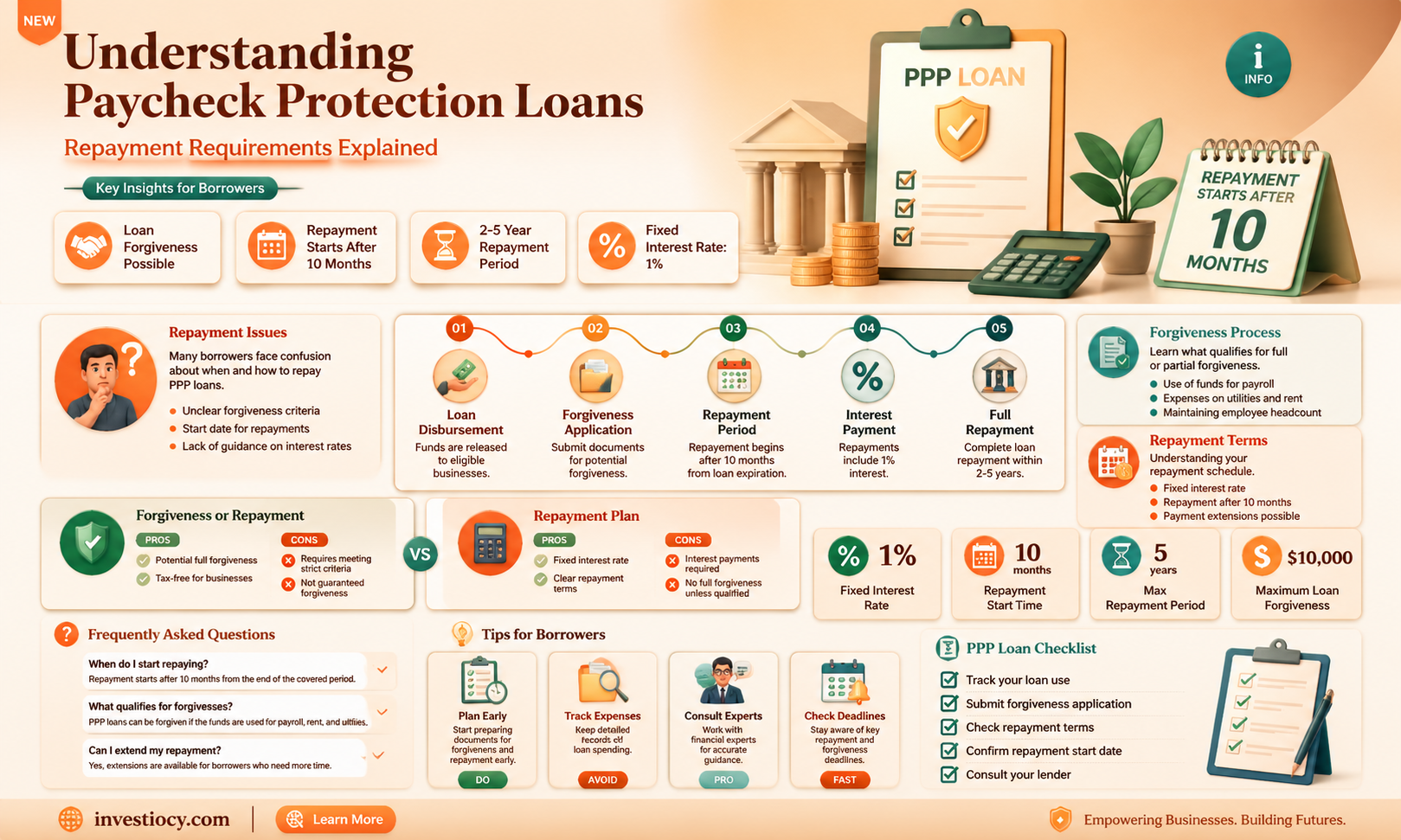
The Paycheck Protection Program (PPP) was a crucial initiative launched as part of the CARES Act in response to the economic downturn caused by the COVID-19 pandemic. It provided forgivable loans to eligible small businesses and organizations to help them maintain their workforce and cover operational expenses during the crisis. One of the key features of the PPP was that the loans could be forgiven in full or in part if certain conditions were met, such as retaining employees and using the loan funds for eligible expenses. This raised an important question for many borrowers: does the Paycheck Protection loan have to be paid back? The answer depends on whether the borrower meets the forgiveness criteria and properly applies for loan forgiveness. If the loan is forgiven, the borrower is not required to repay the principal or interest. However, if the borrower does not meet the forgiveness criteria or fails to apply for forgiveness, they will be responsible for repaying the loan with interest.
Explore related products


What You'll Learn
- Loan Forgiveness Criteria: Understand the requirements to qualify for loan forgiveness, such as retaining employees and maintaining salary levels
- Repayment Terms: Learn about the loan's interest rate, repayment period, and any penalties for early or late payments
- Eligible Expenses: Discover which business expenses qualify for loan coverage, including payroll, rent, utilities, and mortgage interest
- Application Process: Get guidance on how to apply for a Paycheck Protection Loan, including necessary documentation and deadlines
- Tax Implications: Explore how the loan and any forgiven amounts may impact your business's tax situation, including potential taxable income

Loan Forgiveness Criteria: Understand the requirements to qualify for loan forgiveness, such as retaining employees and maintaining salary levels
To qualify for loan forgiveness under the Paycheck Protection Program (PPP), businesses must meet specific criteria centered around employee retention and salary maintenance. This means that if a business has received a PPP loan, they must retain their employees and maintain their salary levels to be eligible for loan forgiveness. The criteria are designed to ensure that the funds are used to support workers and maintain business operations during challenging economic times.
One of the key requirements for loan forgiveness is that the business must retain all employees on their payroll for the duration of the loan. This includes full-time, part-time, and seasonal employees. If an employee voluntarily quits or is fired for cause, the business may still be eligible for loan forgiveness, but they must document the reasons for the employee's departure.
In addition to retaining employees, businesses must also maintain salary levels. This means that the average salary for each employee must remain at or above the level it was at the time the loan was disbursed. If a business reduces an employee's salary, they may still be eligible for loan forgiveness, but the amount of the loan that can be forgiven will be reduced proportionally.
Businesses must also use the loan funds for eligible expenses, such as payroll, rent, mortgage interest, or utilities. If a business uses the loan funds for ineligible expenses, they may not be eligible for loan forgiveness.
To apply for loan forgiveness, businesses must submit an application to their lender, along with supporting documentation, such as payroll records and bank statements. The lender will then review the application and determine whether the business meets the criteria for loan forgiveness. If approved, the loan will be forgiven, and the business will not have to repay the principal or interest.
In summary, to qualify for loan forgiveness under the PPP, businesses must retain employees, maintain salary levels, use the loan funds for eligible expenses, and submit an application to their lender with supporting documentation. By meeting these criteria, businesses can ensure that they are using the loan funds to support their workers and maintain their operations, while also taking advantage of the opportunity to have their loan forgiven.
Unraveling the Mystery: Missing Documents and Their Impact on Nelnet Loans
You may want to see also
Explore related products




Repayment Terms: Learn about the loan's interest rate, repayment period, and any penalties for early or late payments
The repayment terms of a Paycheck Protection Loan (PPL) are critical to understanding the full scope of the financial commitment. The interest rate for these loans is typically fixed and relatively low, designed to be manageable for small businesses. As of the latest updates, the interest rate for PPLs is around 1%, which is significantly lower than many other types of business loans. This low rate helps to keep the cost of borrowing minimal, allowing businesses to focus on recovery and growth rather than being burdened by high interest payments.
The repayment period for a PPL is another key aspect to consider. These loans usually have a term of two to five years, providing businesses with a reasonable timeframe to repay the borrowed amount. The specific repayment schedule will depend on the lender and the terms agreed upon at the time of loan issuance. It's important for borrowers to review their repayment schedule carefully to ensure they can meet the monthly payments without causing undue financial strain.
Penalties for early or late payments are also an important consideration. While some loans may have prepayment penalties, PPLs generally do not. This means that if a borrower is able to repay the loan early, they can do so without incurring additional fees. However, late payments can result in penalties, which can add to the overall cost of the loan. It's crucial for borrowers to make timely payments to avoid these extra charges and to maintain a good credit standing.
In addition to the standard repayment terms, it's worth noting that there may be options for loan forgiveness under certain conditions. For example, if a business uses the loan funds for eligible expenses such as payroll, rent, and utilities, and meets specific criteria, they may be able to have a portion or all of the loan forgiven. This can significantly reduce the financial burden on the business, making the PPL an even more attractive option for those in need of financial assistance.
Overall, understanding the repayment terms of a PPL is essential for any business considering this type of loan. By carefully reviewing the interest rate, repayment period, and potential penalties, borrowers can make informed decisions and ensure they are able to manage their financial obligations effectively.
Exploring Military Benefits: College Loan Forgiveness Options
You may want to see also
Explore related products


Eligible Expenses: Discover which business expenses qualify for loan coverage, including payroll, rent, utilities, and mortgage interest
To qualify for loan coverage under the Paycheck Protection Program (PPP), businesses must ensure that their expenses fall within the eligible categories. These categories include payroll costs, rent, utilities, and mortgage interest. Payroll costs encompass salaries, wages, and benefits for employees, as well as certain contractor payments. Rent refers to the cost of leasing or renting business property, while utilities cover expenses for electricity, gas, water, and internet services. Mortgage interest includes interest payments on mortgages for business property.
It is essential for businesses to maintain detailed records of these expenses to demonstrate their eligibility for loan forgiveness. Documentation such as payroll reports, rent agreements, utility bills, and mortgage statements will be required to substantiate the claimed expenses. By keeping accurate and organized records, businesses can streamline the loan forgiveness application process and increase their chances of receiving full or partial forgiveness.
Furthermore, businesses should be aware of the specific guidelines and limitations for each expense category. For instance, payroll costs are capped at $100,000 per employee, and mortgage interest is only eligible for mortgages taken out before the PPP loan was disbursed. Understanding these nuances can help businesses maximize their eligible expenses and minimize potential issues during the loan forgiveness process.
In addition to the standard eligible expenses, businesses in certain industries may qualify for additional coverage. For example, businesses in the hospitality or tourism sectors may be eligible for loan coverage for additional expenses such as marketing or advertising costs. It is crucial for businesses to consult with their lenders or financial advisors to determine which expenses are eligible for their specific situation.
Overall, by carefully tracking and categorizing their expenses, businesses can ensure that they are well-positioned to take advantage of the loan forgiveness opportunities provided by the PPP. This can help alleviate financial burdens and support business continuity during challenging economic times.
Exploring EIDL Loans in the Latest Stimulus Package: What You Need to Know
You may want to see also
Explore related products




Application Process: Get guidance on how to apply for a Paycheck Protection Loan, including necessary documentation and deadlines
To apply for a Paycheck Protection Loan, businesses must follow a specific process that includes gathering necessary documentation and meeting deadlines. The first step is to determine eligibility, which typically requires a business to have been in operation for a certain period, have a minimum number of employees, and meet specific financial criteria. Once eligibility is confirmed, the business must collect required documents, such as payroll records, tax returns, and proof of business ownership.
The application itself can be submitted through various channels, including online platforms, banks, and credit unions. It is crucial to carefully review the application instructions and ensure all required fields are completed accurately to avoid delays or rejection. After submission, the lender will review the application and may request additional documentation or clarification if needed.
One key aspect of the Paycheck Protection Loan application process is understanding the deadlines. These loans are often available for a limited time, and businesses must apply within the specified window to be considered. Additionally, there may be deadlines for submitting supporting documentation or for accepting the loan offer once it is approved.
Throughout the application process, it is essential for businesses to stay organized and keep track of all deadlines and required documents. This can help ensure a smooth and efficient process, increasing the likelihood of loan approval. By following these steps and being mindful of the unique requirements and deadlines, businesses can successfully navigate the Paycheck Protection Loan application process.
Explore related products




Tax Implications: Explore how the loan and any forgiven amounts may impact your business's tax situation, including potential taxable income
The tax implications of a Paycheck Protection Loan (PPL) and any forgiven amounts can significantly impact a business's tax situation. It's crucial to understand that while the loan itself may not be taxable, the forgiven portion could be considered taxable income. This means that if a business receives a PPL and later has a portion of it forgiven, they may need to report this forgiven amount as income on their tax return.
One key aspect to consider is the potential for increasing taxable income. If a business has a substantial amount of the loan forgiven, this could push them into a higher tax bracket, resulting in a larger tax liability. Additionally, the forgiven amount may also affect various tax credits and deductions, potentially reducing their overall tax savings.
Another important factor is the timing of the loan forgiveness. If the loan is forgiven in a different tax year than when it was received, this could create complexities in tax planning and reporting. Businesses need to be aware of these timing issues to ensure they are accurately reporting their income and taking advantage of any available tax benefits.
To navigate these tax implications effectively, businesses should consult with a tax professional who can provide tailored advice based on their specific situation. This may include strategies for minimizing tax liabilities, such as deferring income recognition or utilizing available deductions and credits. By understanding and planning for the tax implications of a PPL, businesses can better manage their financial situation and avoid unexpected tax burdens.
Frequently asked questions
Generally, yes, the PPP loan is a loan and not a grant, so it is expected to be repaid. However, there are certain conditions under which the loan can be forgiven, which we can discuss further.
The PPP loan can be forgiven if the borrower meets specific criteria, such as using the loan funds for eligible expenses (payroll, rent, mortgage interest, or utilities), maintaining employee and compensation levels, and applying for forgiveness within the specified time frame. The exact conditions may vary, so it's important to consult the latest guidelines from the Small Business Administration (SBA).
To apply for PPP loan forgiveness, you need to submit a forgiveness application to your lender. The application will require documentation to support your eligible expenses and compliance with the loan terms. Your lender will then review the application and make a decision based on the SBA's guidelines.
If you don't qualify for PPP loan forgiveness, you will need to repay the loan according to the terms specified in your loan agreement. This typically involves making regular payments over a set period, with interest accruing on the outstanding balance.
Yes, there are tax implications related to PPP loan forgiveness. The forgiven amount is generally considered taxable income, which means you may need to report it on your tax return. However, there may be exceptions or specific rules depending on your situation, so it's advisable to consult with a tax professional for personalized guidance.