Laila Keith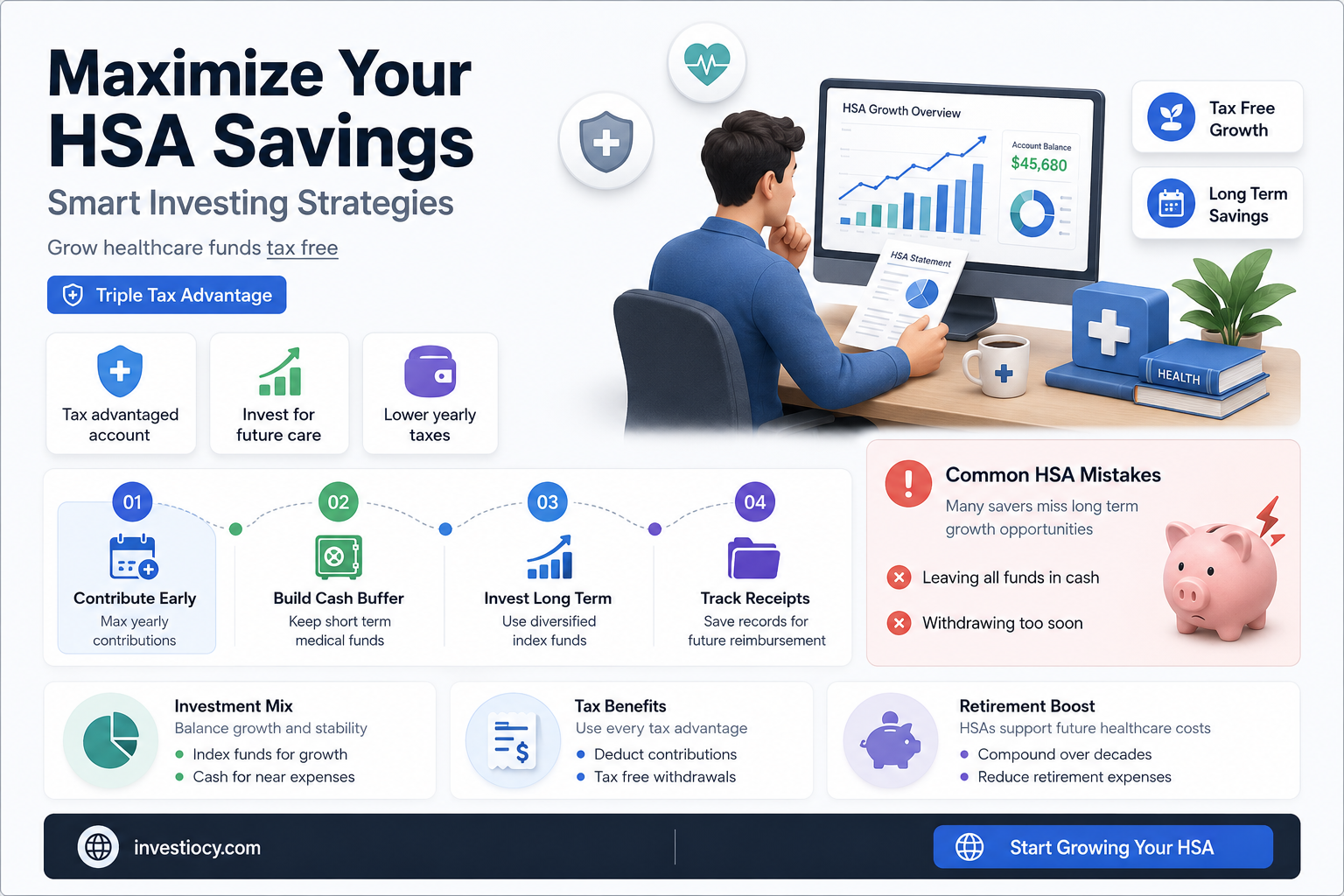
Investing HSA (Health Savings Account) savings can be a strategic move to grow your funds while enjoying tax advantages. HSAs are available to those with high-deductible health plans and offer a triple tax benefit: contributions are tax-deductible, earnings grow tax-free, and withdrawals for qualified medical expenses are also tax-free. To invest your HSA savings, you'll need to open an HSA with a financial institution that offers investment options. Typically, these options include stocks, bonds, mutual funds, and exchange-traded funds (ETFs). It's important to consider your risk tolerance, investment horizon, and financial goals when choosing investments. For instance, younger individuals might opt for more aggressive investments like stocks, while those closer to retirement may prefer more conservative options like bonds. Regularly reviewing and rebalancing your HSA investments can help ensure your portfolio aligns with your changing needs and market conditions.
Explore related products


What You'll Learn
- Understanding HSA Basics: Learn about Health Savings Accounts, their benefits, and how they differ from other health accounts
- Investment Options: Explore various investment choices available for HSA funds, including stocks, bonds, and mutual funds
- Risk Management: Assess and manage investment risks to ensure your HSA savings grow steadily over time
- Tax Implications: Understand the tax advantages of HSAs and how to optimize your investments for maximum tax benefits
- Long-Term Planning: Develop a strategy for using your HSA savings in retirement or for future healthcare expenses

Understanding HSA Basics: Learn about Health Savings Accounts, their benefits, and how they differ from other health accounts
Health Savings Accounts (HSAs) are a powerful tool for managing healthcare expenses and saving for the future. Unlike other health accounts, HSAs offer a unique combination of tax advantages, flexibility, and control over your health funds. To understand the basics of HSAs, it's essential to grasp their key features and how they differ from other types of health savings vehicles.
One of the primary benefits of HSAs is their tax-advantaged status. Contributions to an HSA are made on a pre-tax basis, reducing your taxable income for the year. This can lead to significant savings, especially for those in higher tax brackets. Additionally, the funds in your HSA grow tax-free, and qualified withdrawals are also tax-free, making it an efficient way to save for healthcare expenses.
HSAs are designed to work in conjunction with high-deductible health plans (HDHPs). To be eligible for an HSA, you must have an HDHP and not be enrolled in Medicare. This requirement ensures that HSA users are actively managing their healthcare costs and are incentivized to make wise health decisions. Unlike flexible spending accounts (FSAs) or health reimbursement arrangements (HRAs), which are often tied to specific employers or plans, HSAs are portable and can be used regardless of your employment status or health plan changes.
Another key advantage of HSAs is their flexibility in terms of withdrawals. While other health accounts may have strict rules about when and how you can access your funds, HSAs allow you to withdraw money at any time for qualified medical expenses. This flexibility can be particularly useful in managing unexpected healthcare costs or covering expenses during periods of unemployment.
When comparing HSAs to other health accounts, it's important to consider the long-term implications. HSAs can serve as a valuable retirement savings tool, as the funds can be invested and allowed to grow over time. This is in contrast to FSAs, which typically have a "use it or lose it" policy, requiring funds to be spent within a specific timeframe. By investing your HSA savings wisely, you can potentially build a substantial nest egg for future healthcare needs or other expenses.
In summary, understanding HSA basics is crucial for making informed decisions about your healthcare savings. HSAs offer a unique blend of tax advantages, flexibility, and control, making them an attractive option for those looking to manage their healthcare costs effectively and save for the future. By grasping the key features and differences of HSAs compared to other health accounts, you can maximize the benefits of this powerful savings tool.
Smart Strategies for Investing in Your Grandkids' College Future
You may want to see also
Explore related products


Investment Options: Explore various investment choices available for HSA funds, including stocks, bonds, and mutual funds
HSA funds offer a unique investment opportunity due to their tax advantages and flexibility. One of the most common investment options for HSA funds is stocks. Stocks represent ownership in a company and can provide significant growth potential over time. However, they also come with higher risk compared to other investment options. It's important to carefully select stocks that align with your investment goals and risk tolerance.
Bonds are another popular investment choice for HSA funds. Bonds are essentially loans made to companies or governments, and they provide regular interest payments as well as the return of the principal amount at maturity. Bonds are generally considered to be less risky than stocks, but they also offer lower potential returns. When investing in bonds, it's crucial to consider factors such as credit rating, maturity date, and interest rate.
Mutual funds are a diversified investment option that pools money from multiple investors to invest in a variety of assets, such as stocks, bonds, or a combination of both. Mutual funds offer the advantage of professional management and diversification, which can help reduce risk. However, they also come with fees and expenses that can impact your overall returns. When selecting mutual funds for your HSA, it's important to consider factors such as fund type, investment strategy, and expense ratio.
In addition to these traditional investment options, some HSA providers also offer alternative investments such as real estate investment trusts (REITs), exchange-traded funds (ETFs), or even cryptocurrency. These options can provide additional diversification and growth potential, but they also come with their own unique risks and considerations.
When investing your HSA funds, it's important to consider your overall financial goals, risk tolerance, and time horizon. Diversification is key to managing risk and maximizing returns. It's also important to regularly review and rebalance your investments to ensure they continue to align with your goals and market conditions.
Remember, investing always involves some level of risk, and it's important to carefully consider your options before making any investment decisions. Consulting with a financial advisor can also be helpful in determining the best investment strategy for your HSA funds.
Smart Start: Investing Your Grandchild's Savings for a Bright Future
You may want to see also
Explore related products


Risk Management: Assess and manage investment risks to ensure your HSA savings grow steadily over time
To effectively manage investment risks for your HSA savings, it's crucial to understand the different types of risks involved. Market risk, interest rate risk, credit risk, and liquidity risk are some of the key factors to consider. Market risk refers to the possibility of losing money due to market fluctuations, while interest rate risk involves changes in interest rates affecting the value of your investments. Credit risk is the risk of default by the issuer of a bond or other debt security, and liquidity risk is the risk of not being able to sell an investment quickly enough at a fair price.
Once you've identified the risks, it's important to assess your risk tolerance. This involves evaluating how much risk you're willing to take on in exchange for potential returns. A risk tolerance questionnaire can help you determine your comfort level with different types of investments. Based on your risk tolerance, you can then create a diversified investment portfolio that balances risk and return.
Diversification is a key strategy in risk management. By spreading your investments across different asset classes, such as stocks, bonds, and cash, you can reduce the overall risk of your portfolio. It's also important to regularly review and rebalance your portfolio to ensure it remains aligned with your investment goals and risk tolerance.
Another important aspect of risk management is staying informed about market conditions and economic trends. This can help you make informed decisions about when to buy, sell, or hold investments. Setting up alerts for market news and economic indicators can keep you up-to-date on potential risks and opportunities.
Finally, it's essential to have a long-term perspective when investing your HSA savings. Short-term market fluctuations can be unsettling, but historically, the stock market has provided steady growth over the long term. By focusing on your long-term investment goals and maintaining a disciplined approach to risk management, you can help ensure your HSA savings grow steadily over time.
Explore related products



![RENPHO Active Thermacool 2 Massage Gun with Heat and Cold, Mothers Day Gifts [2026 Upgraded] Percussion Deep Tissue Handheld Neck Massager, FSA Approved, Muscle Masajeador for Men Women Athletes HSA](https://m.media-amazon.com/images/I/61mtD8h+HyL._AC_UL320_.jpg)


Tax Implications: Understand the tax advantages of HSAs and how to optimize your investments for maximum tax benefits
HSAs offer significant tax advantages that can enhance your investment returns. One key benefit is the ability to contribute pre-tax dollars, reducing your taxable income for the year. This upfront tax savings can be particularly valuable for those in higher tax brackets. Additionally, the earnings on your HSA investments grow tax-free, allowing for compound growth over time without the drag of annual taxes.
To optimize your HSA investments for maximum tax benefits, consider the following strategies:
- Maximize Contributions: Contribute as much as possible to your HSA each year to take full advantage of the pre-tax savings. For 2023, the contribution limit is $3,650 for individuals and $7,300 for families.
- Invest Wisely: Choose investments that offer the potential for long-term growth, such as stocks or mutual funds. While more conservative options like savings accounts or CDs may be safer, they typically offer lower returns that may not keep pace with inflation.
- Avoid Early Withdrawals: Resist the temptation to withdraw funds from your HSA for non-medical expenses, as this will trigger taxes and penalties. Instead, let your investments grow undisturbed for as long as possible.
- Consider Roth Conversions: If you anticipate being in a higher tax bracket in retirement, consider converting some or all of your HSA funds to a Roth IRA. This will allow you to pay taxes on the converted amount at your current, potentially lower tax rate, and then withdraw the funds tax-free in retirement.
By understanding and leveraging these tax advantages, you can make the most of your HSA savings and optimize your investments for long-term growth and tax efficiency.
Explore related products


Long-Term Planning: Develop a strategy for using your HSA savings in retirement or for future healthcare expenses
To effectively develop a strategy for using your HSA savings in retirement or for future healthcare expenses, it's crucial to understand the unique advantages and limitations of HSA funds. Unlike other retirement accounts, HSAs offer triple tax benefits: contributions are tax-deductible, earnings grow tax-free, and qualified withdrawals are also tax-free. This makes HSAs an attractive option for long-term healthcare savings. However, to maximize these benefits, you need to plan carefully.
First, consider the timeline of your healthcare needs. If you're planning to use your HSA savings in retirement, you'll need to estimate your future healthcare costs, taking into account factors like inflation, your health status, and potential long-term care needs. You can use online calculators or consult with a financial advisor to get a realistic projection. Once you have an estimate, you can begin to allocate your HSA contributions accordingly, ensuring that you're saving enough to cover your anticipated expenses.
Another important aspect of long-term planning is investment strategy. While HSAs typically offer a range of investment options, from conservative to aggressive, it's essential to choose a portfolio that aligns with your risk tolerance and time horizon. If you're planning to use your HSA savings in the distant future, you may be able to afford a more aggressive investment strategy, which could potentially yield higher returns. However, as you approach retirement age, you may want to shift to a more conservative approach to protect your principal.
It's also important to be aware of the potential pitfalls of HSA withdrawals. While qualified withdrawals are tax-free, non-qualified withdrawals are subject to income tax and a 20% penalty. To avoid these penalties, you'll need to ensure that your withdrawals are for qualified healthcare expenses. Additionally, you should be mindful of the Medicare surtax, which applies to high-income earners. If you're subject to this tax, you may want to consider delaying your HSA withdrawals until after you've enrolled in Medicare.
Finally, consider the role of your HSA in your overall retirement planning. HSAs can be a valuable tool for covering healthcare expenses, but they should be integrated with other retirement accounts, such as 401(k)s and IRAs. By coordinating your HSA strategy with your other retirement savings, you can create a comprehensive plan that ensures you're prepared for both healthcare and living expenses in retirement.
In conclusion, developing a strategy for using your HSA savings in retirement or for future healthcare expenses requires careful planning and consideration of your unique circumstances. By understanding the benefits and limitations of HSAs, estimating your future healthcare costs, choosing an appropriate investment strategy, and being mindful of potential pitfalls, you can maximize the value of your HSA savings and ensure that you're prepared for whatever healthcare expenses may come your way.
Frequently asked questions
Investing HSA savings can help grow your funds over time, thanks to the power of compounding interest. This can enable you to cover future medical expenses more easily, and potentially even build wealth for retirement.
HSAs often allow for a variety of investments, including stocks, bonds, mutual funds, and exchange-traded funds (ETFs). Some HSAs may also offer certificates of deposit (CDs) or savings accounts as investment options.
Yes, there are tax implications for investing HSA savings. Contributions to an HSA are tax-deductible, and the earnings on your investments grow tax-free. However, withdrawals for non-qualified expenses are taxed as ordinary income and may also incur a penalty.