Clark Galvan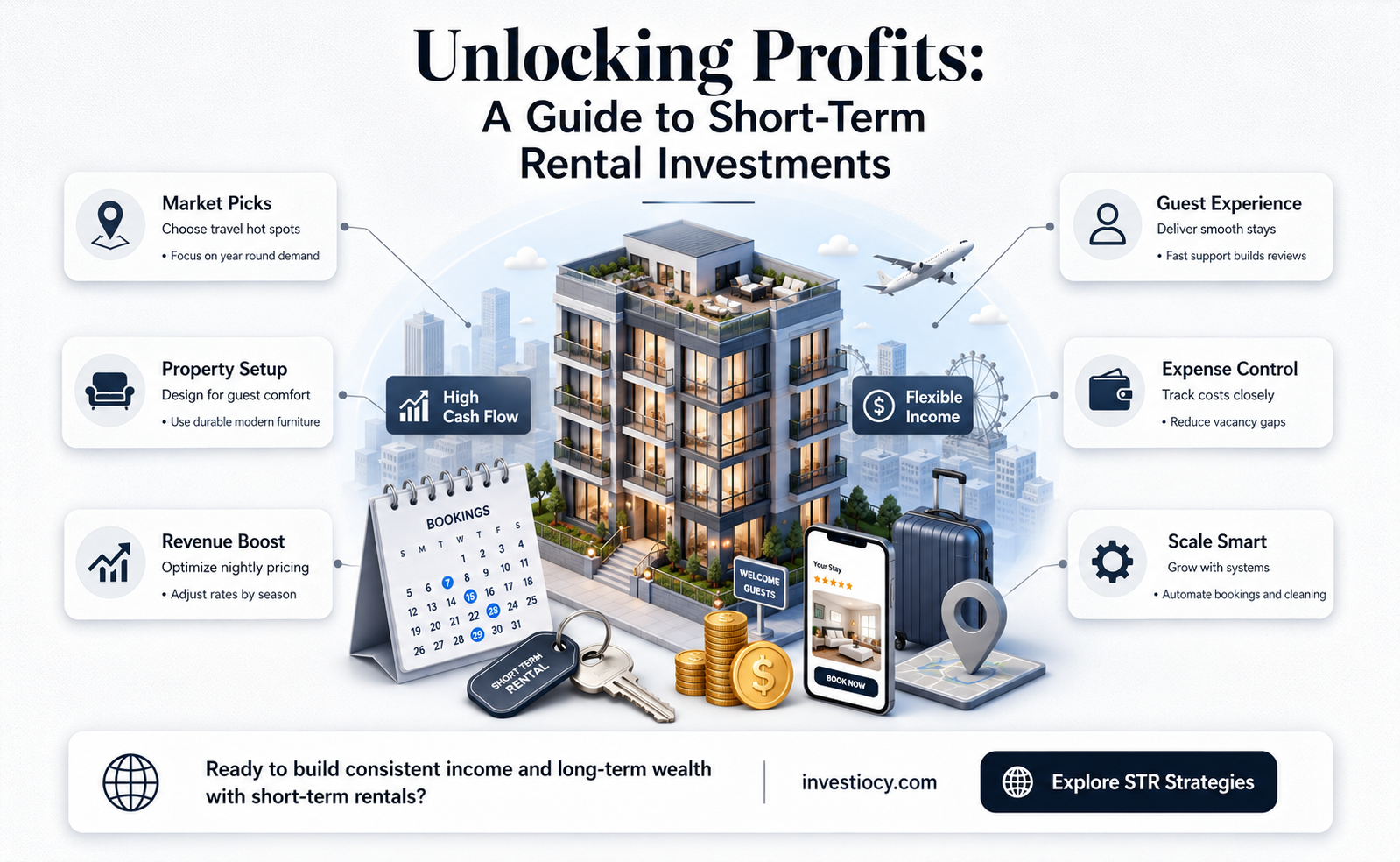
Investing in short-term rentals can be a lucrative venture for those looking to capitalize on the growing demand for temporary accommodations. Whether you're considering renting out a spare room, an entire property, or even a vacation home, there are several key factors to consider before diving in. From understanding local regulations and zoning laws to setting competitive pricing and managing guest expectations, successful short-term rental investing requires careful planning and execution. In this guide, we'll walk you through the essential steps to get started, including how to choose the right property, furnish and prepare it for guests, and effectively market your listing to attract high-quality renters.
Explore related products


What You'll Learn
- Research Market Demand: Identify areas with high demand for short-term rentals, such as tourist destinations or business hubs
- Choose the Right Property: Select properties that fit your budget and have potential for high returns, considering factors like location and amenities
- Furnish and Prepare the Property: Ensure the property is well-furnished and equipped to meet the needs of short-term renters, enhancing its appeal
- Set Competitive Pricing: Determine rental rates that are competitive yet profitable, taking into account local market conditions and property features
- Manage and Market the Rental: Utilize effective marketing strategies to attract renters and maintain the property to ensure positive reviews and repeat business

Research Market Demand: Identify areas with high demand for short-term rentals, such as tourist destinations or business hubs
To successfully invest in short-term rentals, it's crucial to identify areas with high demand. Tourist destinations and business hubs are prime locations, but how do you pinpoint the most lucrative spots? Start by analyzing travel trends and business activity in various cities. Look for areas with a consistent influx of visitors, such as cities with major airports, popular attractions, or frequent conferences and events.
Once you've identified potential locations, dive deeper into the local market. Research the average daily rates for short-term rentals in the area, as well as the occupancy rates. This will give you an idea of the potential revenue you can generate. Additionally, consider the seasonality of the market. Some tourist destinations may have high demand during certain times of the year, while business hubs may see more consistent demand throughout the year.
Another important factor to consider is the competition. Look at the number of available short-term rentals in the area and the quality of the existing properties. If the market is saturated with low-quality rentals, there may be an opportunity to differentiate yourself by offering a higher-end experience. Conversely, if the market is underserved, you may be able to capitalize on the lack of competition.
Finally, don't forget to consider the local regulations and zoning laws. Some cities may have restrictions on short-term rentals, so it's important to ensure that you're operating within the legal framework. By thoroughly researching the market demand and local conditions, you can increase your chances of success in the short-term rental market.
Debunking Myths: Not All Long-Term Investments Guarantee Returns
You may want to see also
Explore related products


Choose the Right Property: Select properties that fit your budget and have potential for high returns, considering factors like location and amenities
To maximize returns in short-term rentals, it's crucial to select properties that not only fit your budget but also offer high potential for profitability. This involves a strategic evaluation of various factors, with location and amenities being paramount.
Location is a key determinant of a property's success in the short-term rental market. Properties situated in prime locations, such as city centers, tourist attractions, or business districts, tend to attract more guests and command higher rates. It's essential to research the demand for rentals in your target area, considering seasonal fluctuations and local events that could impact occupancy. Tools like Airbnb's pricing tool or VRBO's rental demand calculator can provide valuable insights into potential earnings based on location.
Amenities also play a significant role in the desirability and profitability of a short-term rental property. Features like Wi-Fi, air conditioning, and laundry facilities are considered essentials by most guests. However, to stand out in a competitive market, consider offering unique amenities that cater to specific guest needs or preferences. For instance, properties with pools, hot tubs, or pet-friendly accommodations can attract a niche audience willing to pay a premium.
When evaluating properties, it's important to consider the total cost of ownership, including purchase price, closing costs, and ongoing expenses like property taxes, insurance, and maintenance. Factor in the potential for renovation or upgrades to increase the property's value and appeal. Additionally, assess the local regulations and zoning laws that may impact your ability to rent the property short-term.
In conclusion, choosing the right property for short-term rentals requires a careful balance of budget considerations and potential for high returns. By focusing on prime locations and desirable amenities, investors can increase their chances of success in this lucrative market. Remember to conduct thorough research, consider all costs, and stay informed about local regulations to make informed investment decisions.
Characteristics of Long-Term Investments: A Comprehensive Guide
You may want to see also
Explore related products

Furnish and Prepare the Property: Ensure the property is well-furnished and equipped to meet the needs of short-term renters, enhancing its appeal
To maximize the appeal of your short-term rental property, it's crucial to furnish and prepare it thoughtfully. This involves more than just filling the space with furniture; it's about creating an environment that meets the specific needs and desires of short-term renters. Start by considering the demographics of your typical guests. For instance, if you're targeting business travelers, ensure there's a dedicated workspace with a reliable internet connection and comfortable seating. Conversely, if you're aiming to attract families, provide amenities like a crib, high chair, and child-friendly entertainment options.
Next, focus on the essentials that will make your property stand out. Invest in high-quality linens, towels, and toiletries to provide a luxurious experience. Equip the kitchen with modern appliances and stock it with basic supplies like coffee, tea, and condiments. Attention to detail is key; consider adding personal touches like fresh flowers, a welcome basket, or a curated list of local attractions and restaurants.
When it comes to furniture, opt for pieces that are both functional and aesthetically pleasing. Choose a color scheme that complements the property's architecture and creates a cohesive look throughout. Ensure that the layout is intuitive and maximizes the use of space, allowing guests to move around comfortably. Lighting is another critical element; provide a mix of ambient, task, and accent lighting to create a warm and inviting atmosphere.
Don't overlook the importance of safety and accessibility. Install smoke detectors, carbon monoxide detectors, and secure locks on all doors and windows. If your property has stairs or a pool, ensure there are appropriate safety features in place, such as handrails and pool fencing. Additionally, consider making your property accessible to guests with disabilities by providing features like a wheelchair ramp or grab bars in the bathroom.
Finally, maintain a high standard of cleanliness and organization. Regularly inspect the property for any damage or wear and tear, and address issues promptly. Hire a professional cleaning service to ensure the space is spotless between guests. By taking these steps, you'll not only enhance the appeal of your short-term rental property but also increase the likelihood of positive reviews and repeat bookings.
Decoding Investments: Short-Term vs Long-Term - What's True?
You may want to see also
Set Competitive Pricing: Determine rental rates that are competitive yet profitable, taking into account local market conditions and property features
To set competitive pricing for short-term rentals, it's crucial to conduct a thorough analysis of the local market. This involves researching the average rental rates for similar properties in the area, considering factors such as location, amenities, and seasonality. Tools like Airbnb's pricing tool, local real estate websites, and property management software can provide valuable insights into market trends and competitor pricing strategies. By understanding the local market dynamics, investors can determine a pricing strategy that balances competitiveness with profitability.
Once the market analysis is complete, investors should consider the unique features of their property that may impact pricing. This could include factors such as proximity to popular attractions, public transportation, or local events, as well as the property's size, layout, and amenities. By highlighting these unique selling points, investors can justify a higher rental rate and differentiate their property from competitors. Additionally, offering flexible pricing options, such as discounts for longer stays or seasonal promotions, can help attract a wider range of guests and maximize occupancy rates.
Implementing a dynamic pricing strategy is essential for short-term rental investors. This involves adjusting rental rates in response to changes in demand, such as holidays, weekends, or special events. By using data-driven pricing tools and monitoring market trends, investors can optimize their pricing strategy to maximize revenue and minimize vacancy rates. It's also important to regularly review and adjust pricing strategies to ensure they remain competitive and aligned with market conditions.
In addition to setting competitive rental rates, investors should also consider the impact of fees and taxes on their pricing strategy. This includes understanding local tax regulations, as well as any additional fees associated with property management, cleaning, or guest services. By factoring these costs into the pricing strategy, investors can ensure they are covering all expenses while maintaining a competitive edge in the market.
Ultimately, setting competitive pricing for short-term rentals requires a combination of market analysis, property differentiation, dynamic pricing strategies, and cost management. By carefully considering these factors, investors can develop a pricing strategy that maximizes revenue, attracts guests, and maintains a competitive position in the market.
Smart Strategies: Examples of Short-Term Investments for Quick Returns
You may want to see also
Manage and Market the Rental: Utilize effective marketing strategies to attract renters and maintain the property to ensure positive reviews and repeat business
To effectively manage and market a short-term rental property, it's crucial to implement strategies that not only attract renters but also ensure the property is well-maintained to encourage positive reviews and repeat business. One key approach is to leverage online platforms and social media to showcase the property's best features. High-quality photos and virtual tours can provide potential renters with a detailed view of the space, increasing the likelihood of bookings. Additionally, utilizing search engine optimization (SEO) techniques can help the property listing rank higher in search results, making it more visible to potential renters.
Another important aspect of marketing is to highlight the unique selling points of the property. This could include its location, amenities, or any special features that set it apart from other rentals in the area. Offering competitive pricing and flexible booking options can also make the property more appealing to a wider range of renters. Furthermore, maintaining a strong online presence through regular updates and engaging with renters can help build a positive reputation and foster a sense of community around the property.
In terms of property maintenance, regular inspections and prompt repairs are essential to ensure the space remains in good condition. Investing in high-quality furnishings and appliances can also contribute to a better renter experience and reduce the frequency of replacements or repairs. Providing clear guidelines and expectations for renters regarding the use and care of the property can help prevent damage and maintain a clean and welcoming environment.
Lastly, encouraging renters to leave reviews and feedback can be a valuable tool for improving the property and attracting future guests. Responding promptly to any concerns or issues raised by renters demonstrates a commitment to their satisfaction and can lead to positive word-of-mouth recommendations. By focusing on these strategies, property owners can effectively manage and market their short-term rentals, leading to increased occupancy rates and long-term success in the competitive rental market.
Frequently asked questions
When selecting a property for short-term rental investment, consider factors such as location, demand, property condition, and local regulations. A desirable location with high tourist traffic or business activity can ensure consistent bookings. Researching demand and occupancy rates in the area can help predict potential income. The property's condition is crucial; it should be well-maintained or renovated to meet guest expectations. Additionally, understanding and complying with local zoning laws, tax requirements, and rental regulations is essential to avoid legal issues.
Effective marketing of your short-term rental property involves creating an appealing online presence and leveraging various platforms. Start by taking high-quality photos and writing a detailed, engaging description of your property. List your rental on popular platforms like Airbnb, VRBO, and Booking.com, ensuring your profile is complete and responsive. Utilize social media to showcase your property and engage with potential guests. Offering competitive pricing, special promotions, or discounts for longer stays can also attract more bookings. Respond promptly to inquiries and maintain excellent guest communication to build a positive reputation.
To maximize income from short-term rentals, implement strategies such as dynamic pricing, optimizing your listing, and providing additional services. Dynamic pricing involves adjusting your rental rates based on demand, seasonality, and local events to ensure you're charging the optimal amount. Optimize your listing by continuously updating your photos, description, and amenities to stay competitive. Consider offering additional services like cleaning, laundry, or concierge services to enhance the guest experience and justify higher rates. Also, focus on maintaining high guest satisfaction to encourage repeat bookings and positive reviews, which can lead to more reservations and higher income.