Josephine Norton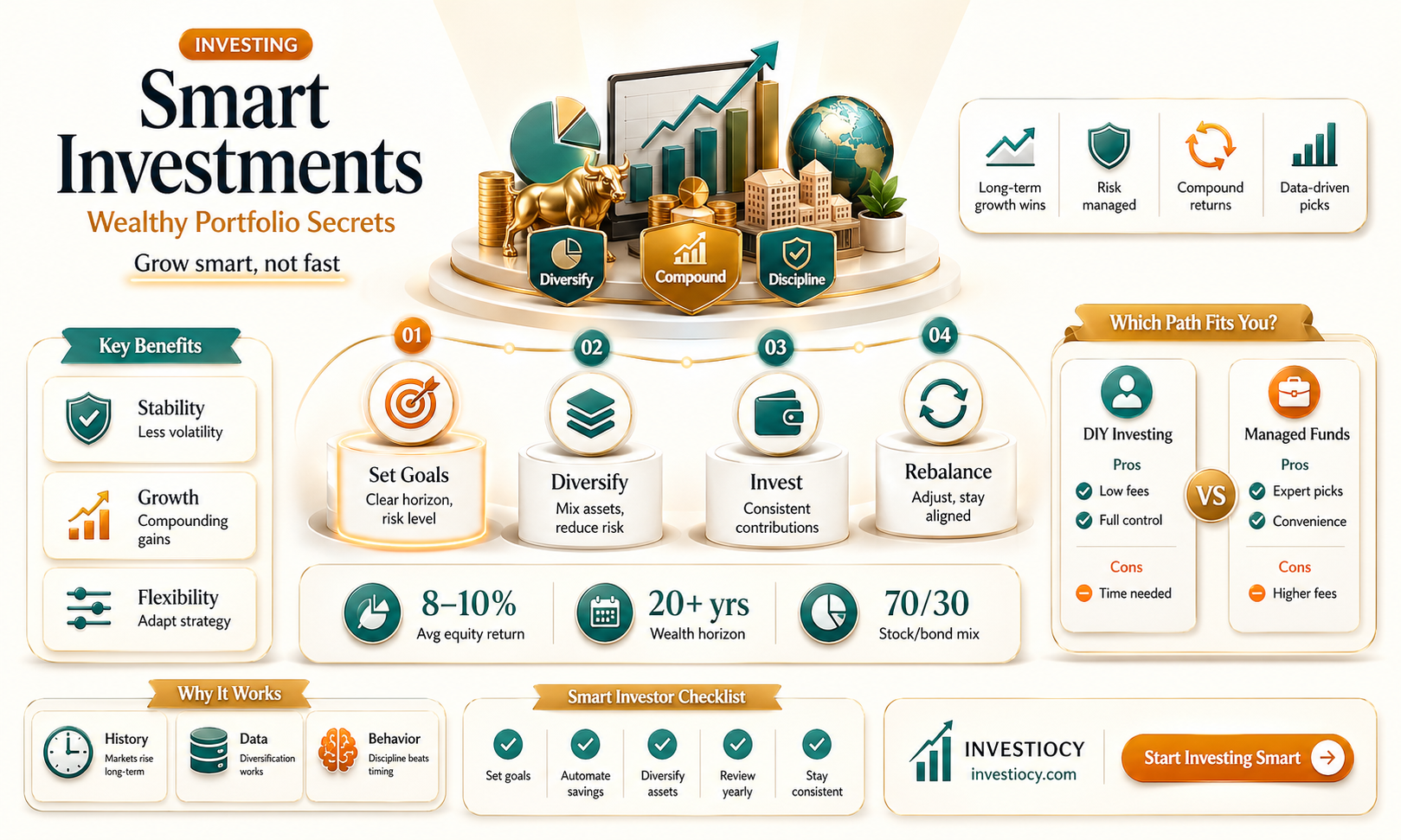
Wealthy individuals often diversify their investments across various asset classes to maximize returns and minimize risk. These investments can include stocks, bonds, real estate, private equity, hedge funds, and commodities. Additionally, they may invest in alternative assets such as art, wine, or collectibles. The goal is to create a balanced portfolio that can weather market fluctuations and provide long-term growth. Understanding these investment strategies can offer insights into how wealth is accumulated and managed.
Explore related products


What You'll Learn
- Real Estate: Wealthy individuals often invest in properties, including residential, commercial, and industrial real estate
- Stocks and Bonds: They diversify their portfolios with stocks for growth and bonds for steady income
- Private Equity: Investments in private companies or startups with high growth potential are common
- Art and Collectibles: Wealthy people may invest in fine art, rare collectibles, and other valuable items
- Cryptocurrencies: Some affluent investors allocate funds to cryptocurrencies like Bitcoin and Ethereum for their potential returns

Real Estate: Wealthy individuals often invest in properties, including residential, commercial, and industrial real estate
Wealthy individuals often invest in properties, including residential, commercial, and industrial real estate. This is because real estate has historically been a stable and lucrative investment, providing both capital appreciation and regular income through rents. For instance, a high-net-worth individual might purchase a luxury apartment building in a prime location, such as New York City or London, and rent out the units to generate a steady stream of income. Over time, the value of the property is likely to increase, providing a significant return on investment when the property is eventually sold.
One unique angle to consider is the role of real estate in portfolio diversification. Wealthy investors often use real estate as a way to spread risk across different asset classes. By investing in a mix of stocks, bonds, and real estate, investors can reduce their exposure to any one particular market and protect their wealth from volatility. For example, during the 2008 financial crisis, many investors who had a significant portion of their portfolio in real estate were able to weather the storm better than those who were heavily invested in stocks.
Another important aspect of real estate investment is the ability to leverage financing. Wealthy individuals can use their existing assets to secure loans and purchase larger properties than they could afford outright. This allows them to increase their potential returns and build wealth more quickly. However, it's important to note that leveraging financing also increases risk, as investors are responsible for repaying the loan regardless of the property's performance.
In addition to traditional real estate investments, wealthy individuals may also explore alternative real estate investment options, such as real estate investment trusts (REITs) or crowdfunding platforms. REITs allow investors to pool their money with other investors to purchase a diversified portfolio of properties, while crowdfunding platforms enable investors to fund specific real estate projects in exchange for a share of the profits. These options provide a way for wealthy individuals to invest in real estate with lower minimum investment requirements and greater flexibility.
Overall, real estate remains a popular investment choice for wealthy individuals due to its potential for both income generation and capital appreciation. By carefully selecting properties, diversifying their portfolios, and leveraging financing, wealthy investors can build significant wealth through real estate investments.
Exploring the Psychology Behind Investment Decisions
You may want to see also
Explore related products


Stocks and Bonds: They diversify their portfolios with stocks for growth and bonds for steady income
Wealthy individuals often diversify their investment portfolios by allocating a portion to stocks and another to bonds. This strategy is rooted in the fundamental principles of risk management and asset allocation. Stocks, typically seen as higher-risk investments, offer the potential for significant capital growth over the long term. In contrast, bonds are generally considered lower-risk and provide a steady stream of income through regular interest payments.
For instance, a well-diversified portfolio might include a mix of large-cap, mid-cap, and small-cap stocks across various sectors such as technology, healthcare, and finance. This spread helps mitigate the risk associated with any single stock or sector underperforming. On the bond side, investors might hold a combination of government bonds, corporate bonds, and municipal bonds, each with different maturities and credit ratings. This diversification ensures that the portfolio is not overly exposed to interest rate fluctuations or credit risk.
Moreover, the specific allocation between stocks and bonds can vary based on an investor's risk tolerance, investment horizon, and financial goals. For example, a younger investor with a higher risk tolerance and a long investment horizon might allocate a larger percentage of their portfolio to stocks, aiming for higher growth potential. Conversely, an older investor nearing retirement might lean more towards bonds to ensure a steady income stream and preserve capital.
It's also important to note that diversification doesn't eliminate risk entirely; it merely spreads it out. Investors should regularly review and rebalance their portfolios to maintain their desired asset allocation and adjust for any changes in their financial situation or market conditions. By doing so, they can ensure that their investments continue to align with their overall financial strategy and goals.
Exploring the Depths of Financial Markets: Who's Diving In?
You may want to see also
Explore related products




Private Equity: Investments in private companies or startups with high growth potential are common
Private equity investments have become a cornerstone of wealth accumulation for high-net-worth individuals. These investments involve acquiring stakes in private companies or startups that exhibit strong growth potential. Unlike public stocks, private equity investments are not traded on stock exchanges, offering a level of exclusivity and potentially higher returns due to the illiquidity premium. Wealthy investors often allocate a significant portion of their portfolio to private equity to capitalize on emerging market trends, innovative technologies, and disruptive business models.
One of the primary attractions of private equity investments is the opportunity for active involvement in the management and strategic direction of the invested companies. This hands-on approach allows investors to leverage their expertise and network to enhance the company's growth trajectory. Additionally, private equity investments can provide a hedge against market volatility, as they are less correlated with public markets. However, it's essential to note that private equity investments also come with higher risk due to the lack of liquidity and the potential for total loss of investment if the company fails.
To mitigate these risks, wealthy investors often diversify their private equity holdings across various sectors and stages of company development. They may also co-invest with other experienced investors or private equity firms to spread risk and benefit from collective expertise. Due diligence is crucial in private equity investing, as it involves thorough research and analysis to identify companies with robust growth potential and strong management teams.
In recent years, the rise of crowdfunding platforms and online investment portals has democratized access to private equity investments, allowing smaller investors to participate in this asset class. However, these platforms also introduce new challenges, such as the need for rigorous vetting of investment opportunities and the management of regulatory compliance.
Overall, private equity investments offer wealthy individuals a unique opportunity to grow their wealth by supporting innovative companies and benefiting from the potential for high returns. By carefully managing the risks and diversifying their investments, affluent investors can position themselves to capitalize on the dynamic and evolving landscape of private equity.
Unlocking Financial Freedom: The Power of Smart Investments
You may want to see also
Explore related products


Art and Collectibles: Wealthy people may invest in fine art, rare collectibles, and other valuable items
Wealthy individuals often diversify their investment portfolios by allocating funds to art and collectibles. This strategy not only serves as a hedge against market volatility but also allows investors to capitalize on the appreciation of unique and rare items over time. Fine art, for instance, has historically demonstrated strong returns, with certain pieces fetching record-breaking prices at auctions.
Rare collectibles, such as vintage wines, classic cars, and limited edition memorabilia, also present lucrative investment opportunities. These items tend to appreciate in value due to their scarcity and the growing demand among collectors. Moreover, investing in art and collectibles can provide a sense of personal fulfillment and cultural enrichment, as these assets often hold significant historical and aesthetic value.
When investing in art and collectibles, it is crucial to conduct thorough research and due diligence. This involves verifying the authenticity and provenance of the items, as well as understanding the market trends and potential risks associated with each investment. Additionally, investors should consider the costs of storage, maintenance, and insurance, as these can impact the overall returns on their investments.
In recent years, the art and collectibles market has become increasingly globalized, with online platforms and digital marketplaces facilitating transactions between buyers and sellers worldwide. This has democratized access to these investment opportunities, allowing a broader range of individuals to participate in the market. However, it has also heightened the importance of vigilance and caution, as the ease of online transactions can sometimes lead to fraudulent activities.
Overall, investing in art and collectibles can be a rewarding and enriching endeavor for wealthy individuals. By carefully selecting and managing their investments, they can not only achieve financial gains but also contribute to the preservation and appreciation of cultural heritage and artistic expression.
Explore related products


Cryptocurrencies: Some affluent investors allocate funds to cryptocurrencies like Bitcoin and Ethereum for their potential returns
Cryptocurrencies have emerged as a high-risk, high-reward investment option that has captured the attention of affluent investors. Unlike traditional assets, cryptocurrencies operate independently of central banks and governments, offering a decentralized financial system that is both intriguing and volatile. Bitcoin, the first and most well-known cryptocurrency, has seen its value skyrocket from mere cents to tens of thousands of dollars, making early adopters extremely wealthy. Ethereum, another prominent cryptocurrency, has also experienced significant growth and is widely used for its smart contract capabilities.
One of the primary reasons wealthy individuals invest in cryptocurrencies is the potential for substantial returns. The market is known for its rapid price fluctuations, which can lead to significant gains or losses in a short period. This volatility is not for the faint-hearted but can be highly lucrative for those who understand the market dynamics and are willing to take calculated risks. Additionally, the limited supply of certain cryptocurrencies, like Bitcoin, which has a cap of 21 million coins, contributes to their perceived value and potential for long-term growth.
However, investing in cryptocurrencies also comes with unique challenges and risks. The market is largely unregulated, which can expose investors to fraud, hacking, and other illicit activities. The lack of oversight also means that there is limited recourse for investors if something goes wrong. Furthermore, the environmental impact of cryptocurrency mining, particularly for proof-of-work currencies like Bitcoin, has raised concerns among environmentally conscious investors.
Despite these risks, the allure of cryptocurrencies continues to grow, with many affluent investors viewing them as a way to diversify their portfolios and potentially achieve outsized returns. As the cryptocurrency market matures, it is likely that we will see increased institutional investment and the development of more sophisticated financial products and services tailored to this emerging asset class.
In conclusion, while investing in cryptocurrencies is not without its risks, the potential for significant returns and the unique characteristics of this asset class make it an attractive option for wealthy investors looking to diversify their portfolios and capitalize on emerging market opportunities.
Frequently asked questions
Wealthy individuals often diversify their portfolios across various asset classes. These may include stocks, bonds, real estate, private equity, hedge funds, and commodities. The goal is to balance risk and return while capitalizing on market opportunities.
Wealthy investors employ sophisticated risk management strategies. They may use asset allocation to spread investments across different sectors and geographies, utilize hedging techniques to protect against market downturns, and engage in active portfolio monitoring to adjust positions as needed.
Tax planning is crucial for wealthy investors. They often structure their investments to minimize tax liabilities, utilizing tools such as tax-loss harvesting, charitable giving, and strategic asset location. This helps them retain more of their investment returns over the long term.
Yes, certain investment vehicles are particularly popular among the wealthy. These include index funds for broad market exposure, dividend-paying stocks for steady income, and alternative investments like art, wine, or collectibles for diversification and potential appreciation in value.