Inaya Mclaughlin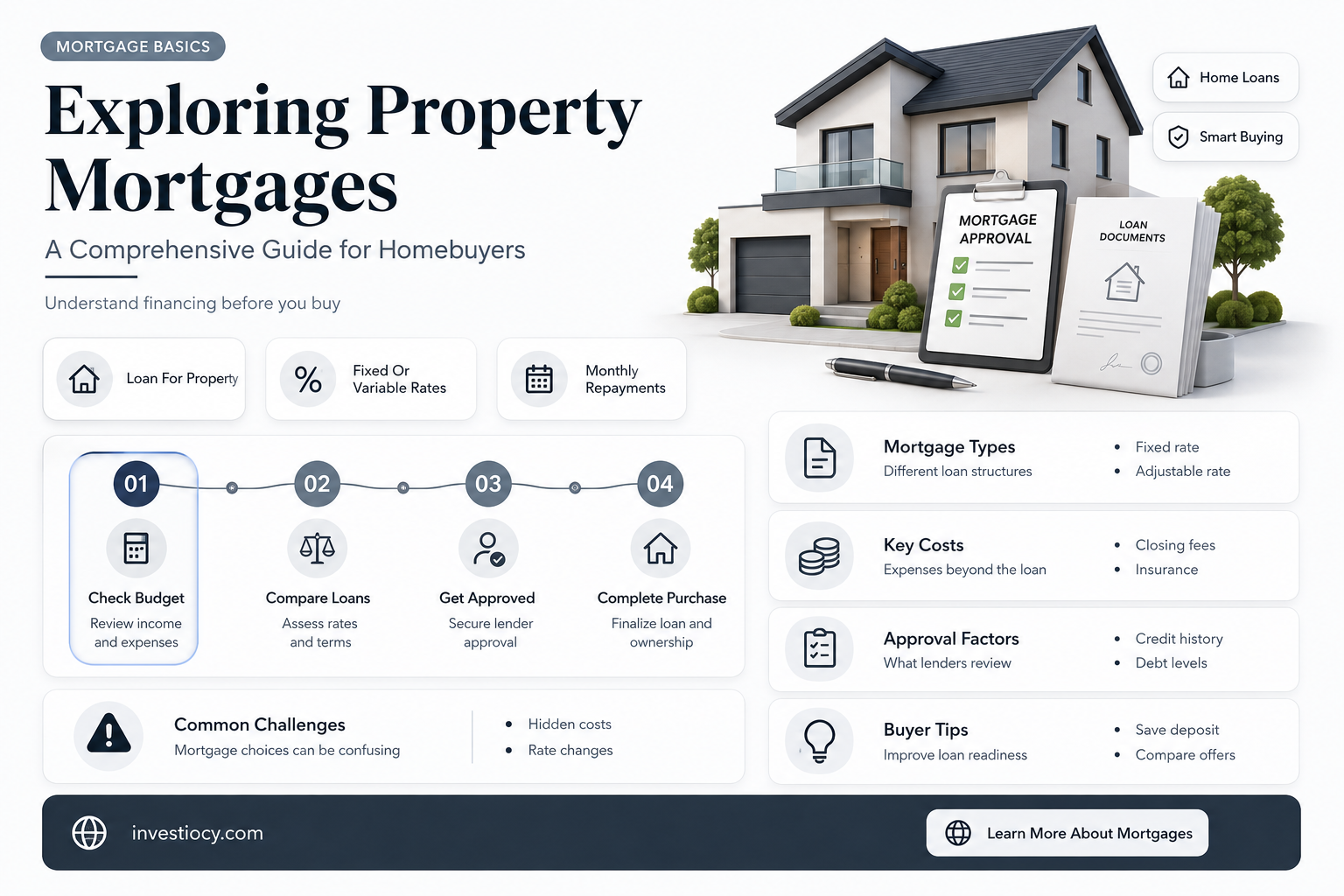
When exploring the topic of whether a property has a mortgage, it's essential to understand the basics of property ownership and financing. A mortgage is a legal agreement between a borrower and a lender, typically a bank, where the lender provides funds for the borrower to purchase property. In return, the borrower agrees to repay the loan over a specified period, with the property serving as collateral. This means that if the borrower fails to make payments, the lender can take possession of the property. Mortgages are common financial instruments used by individuals and businesses to acquire real estate, and they come in various forms, such as fixed-rate, adjustable-rate, and interest-only mortgages. Understanding the intricacies of mortgages is crucial for anyone looking to buy, sell, or invest in property, as it can significantly impact the financial and legal aspects of property ownership.
Explore related products


What You'll Learn
- Mortgage Definition: A mortgage is a loan secured by property, typically used to purchase real estate
- Types of Mortgages: Fixed-rate, adjustable-rate, FHA, VA, and USDA mortgages are common types
- Mortgage Process: Applying, underwriting, appraisal, and closing are key steps in obtaining a mortgage
- Mortgage Payments: Monthly payments include principal, interest, taxes, and insurance (PITI)
- Mortgage Default: Failure to make payments can lead to foreclosure, impacting credit scores and property ownership

Mortgage Definition: A mortgage is a loan secured by property, typically used to purchase real estate
A mortgage is a legal agreement between a lender and a borrower, where the borrower pledges their property as collateral to secure the loan. This arrangement allows individuals to finance the purchase of real estate, which they might not be able to afford outright. Mortgages come in various forms, such as fixed-rate or adjustable-rate, and have different repayment terms, typically ranging from 15 to 30 years.
To determine if a property has a mortgage, one can conduct a title search or review the property's deed. These documents will reveal any liens or encumbrances on the property, including mortgages. Additionally, property tax records or credit reports can provide clues about outstanding mortgages. It's crucial to verify the mortgage status of a property, especially when buying or selling real estate, to avoid potential legal and financial complications.
In some cases, a property may have multiple mortgages, such as a primary mortgage and a home equity loan or line of credit. These secondary mortgages allow homeowners to borrow against the equity in their property, which can be used for various purposes, such as home improvements or debt consolidation. However, having multiple mortgages increases the risk of default and foreclosure if the borrower fails to make payments.
Mortgage lenders typically require borrowers to meet specific criteria, including a minimum credit score, income verification, and a down payment. The loan-to-value ratio, which compares the loan amount to the property's value, also plays a significant role in determining mortgage eligibility. Borrowers with a higher credit score and a larger down payment may qualify for more favorable loan terms, such as a lower interest rate or a higher loan amount.
In conclusion, a mortgage is a loan secured by property, which enables individuals to purchase real estate. To determine if a property has a mortgage, one can conduct a title search, review the deed, or check property tax records and credit reports. Mortgages come in various forms and repayment terms, and borrowers must meet specific criteria to qualify. Understanding the intricacies of mortgages is essential for making informed decisions when buying or selling property.
Understanding Multiple Indebtedness Mortgages: Maturity Insights
You may want to see also
Explore related products


Types of Mortgages: Fixed-rate, adjustable-rate, FHA, VA, and USDA mortgages are common types
Understanding the types of mortgages available is crucial when determining if a property has a mortgage. Fixed-rate mortgages offer a stable interest rate throughout the loan term, making monthly payments predictable. This type of mortgage is ideal for those who plan to stay in their home for an extended period and prefer consistent payments. On the other hand, adjustable-rate mortgages (ARMs) have interest rates that fluctuate based on market conditions, which can lead to varying monthly payments. ARMs may be suitable for individuals who anticipate moving or refinancing within a shorter timeframe.
Federal Housing Administration (FHA) mortgages are designed to help first-time homebuyers and those with lower credit scores. These loans typically require a lower down payment and have more lenient credit requirements compared to conventional mortgages. FHA loans also come with mortgage insurance premiums, which protect the lender in case of default. Veterans Affairs (VA) mortgages are exclusive to eligible veterans and offer favorable terms, such as no down payment requirements and lower interest rates. These loans are backed by the VA, reducing the risk for lenders and providing more accessible financing options for veterans.
USDA mortgages, offered by the United States Department of Agriculture, are aimed at homebuyers in rural areas. These loans provide financing for the purchase, construction, or improvement of homes in eligible rural regions. USDA mortgages often feature lower interest rates and may not require a down payment, making them an attractive option for those looking to settle in less urbanized areas. When researching whether a property has a mortgage, it's essential to consider these various types and their specific characteristics to gain a comprehensive understanding of the property's financial situation.
Understanding Mortgage Notes: The Role of a Notary Public Explained
You may want to see also
Explore related products
![NMLS Study Guide 2026–2027: 10 Full-Length Practice Tests for the SAFE Mortgage Loan Originator (MLO) Exam Prep: [3rd Edition]](https://m.media-amazon.com/images/I/71vKdeyjihL._AC_UY218_.jpg)


Mortgage Process: Applying, underwriting, appraisal, and closing are key steps in obtaining a mortgage
The mortgage process is a critical journey for any prospective homeowner, involving several key steps that must be navigated carefully. It begins with the application phase, where potential borrowers submit their financial information to lenders. This includes income verification, credit history, and debt-to-income ratio, all of which are scrutinized to determine creditworthiness.
Following the application, the underwriting process takes place. During this stage, lenders assess the risk associated with lending to the applicant. They may request additional documentation or clarification on certain aspects of the borrower's financial situation. This phase can be lengthy and may involve back-and-forth communication between the lender and the borrower.
An appraisal is then conducted to determine the value of the property in question. This is a crucial step, as it ensures that the lender is not over-extending themselves by lending more than the property is worth. The appraiser will evaluate various factors, such as the property's location, size, condition, and comparable sales in the area.
Finally, the closing process marks the culmination of the mortgage journey. This is where the borrower signs the final documents, receives the keys to their new home, and officially becomes a homeowner. It's important to note that closing costs, which can include attorney fees, title insurance, and other expenses, are typically incurred at this stage.
Throughout the mortgage process, it's essential for borrowers to remain informed and proactive. This includes understanding their credit report, shopping around for the best interest rates, and being prepared for the various fees and costs associated with homeownership. By doing so, they can ensure a smoother and more successful mortgage experience.
Understanding Navy Federal Mortgage Pre-Qualification: Does It Go to Underwriting?
You may want to see also
Mortgage Payments: Monthly payments include principal, interest, taxes, and insurance (PITI)
Understanding mortgage payments is crucial for any homeowner or potential buyer. Monthly payments typically consist of four main components: principal, interest, taxes, and insurance (PITI). The principal is the amount of money borrowed to purchase the property, which is gradually repaid over the life of the loan. Interest is the cost of borrowing that principal, calculated as a percentage of the outstanding loan balance. Property taxes are levied by local governments and are based on the assessed value of the property. Insurance, often referred to as homeowners insurance, protects the property from various risks such as fire, theft, and natural disasters.
One common misconception is that mortgage payments are fixed and unchanging. However, this is not always the case. While the principal and interest portions of the payment may remain constant, taxes and insurance premiums can fluctuate. For instance, if the property value increases, so too will the property taxes. Similarly, changes in insurance rates or the addition of new coverage can impact the insurance portion of the payment. It's essential for homeowners to review their PITI breakdown regularly to ensure they are prepared for any changes.
Another important consideration is how these payments are structured over the life of the loan. In the early years of a mortgage, a significant portion of the payment goes towards interest, with less being applied to the principal. As the loan progresses, this ratio shifts, and more of the payment is allocated to reducing the principal balance. This is known as amortization. Understanding this process can help homeowners make informed decisions about refinancing or making extra payments to pay off their mortgage faster.
For those considering purchasing a property, it's crucial to factor in the total PITI payment when determining how much house they can afford. Lenders often look at the debt-to-income ratio, which includes all monthly debt payments, including PITI, credit cards, and other loans. By understanding the components of a mortgage payment and how they impact affordability, potential buyers can make more informed decisions about their home purchase.
In conclusion, mortgage payments are a complex but essential aspect of homeownership. By understanding the components of PITI and how they can change over time, homeowners and potential buyers can better navigate the mortgage process and make informed financial decisions.
Pre-Approval vs. Guaranteed Mortgage: Understanding the Difference
You may want to see also
Mortgage Default: Failure to make payments can lead to foreclosure, impacting credit scores and property ownership
Mortgage default occurs when a borrower fails to make the required payments on their mortgage loan. This can lead to serious consequences, including foreclosure, which is the legal process by which a lender reclaims a property due to non-payment. Foreclosure not only results in the loss of the property but also significantly impacts the borrower's credit score, making it difficult for them to secure future loans or credit.
The process of foreclosure varies by jurisdiction but typically begins when the borrower is several months behind on their mortgage payments. The lender may send a notice of default, followed by a notice of sale, informing the borrower that the property will be sold at auction. If the property is sold for less than the outstanding mortgage balance, the borrower may still be responsible for the difference, known as a deficiency judgment.
To avoid mortgage default and foreclosure, borrowers should communicate with their lenders if they are experiencing financial difficulties. Lenders may offer options such as loan modification, forbearance, or repayment plans to help borrowers get back on track. It is crucial for borrowers to address the issue promptly, as delaying can lead to more severe consequences and fewer available options for resolution.
In addition to the immediate financial impact, mortgage default and foreclosure can have long-term effects on a borrower's financial stability and well-being. The loss of a home can lead to displacement and the need to find alternative housing, which can be costly and disruptive. Furthermore, the damage to one's credit score can make it challenging to rebuild financial credibility, affecting future opportunities for homeownership and access to credit.
Understanding the risks and consequences of mortgage default is essential for borrowers to make informed decisions about their financial commitments. By prioritizing timely communication with lenders and exploring available options for assistance, borrowers can mitigate the risk of foreclosure and protect their financial future.
Understanding NACA Mortgages: Is PMI Included?
You may want to see also
Frequently asked questions
You can find out if a property has a mortgage by checking the property records at the local county clerk's office or through a title search conducted by a title company. These records will show any liens or mortgages on the property.
A mortgage is a specific type of lien that is used to secure a loan for the purchase of real estate. It gives the lender the right to take possession of the property if the borrower fails to make payments. A lien, on the other hand, is a broader term that refers to any legal claim or charge against a piece of property, which can include mortgages, tax liens, and mechanic's liens.
Yes, you can still buy a property if it has a mortgage. However, you will need to work with the seller and the lender to assume the existing mortgage or to pay off the mortgage at closing. Assuming the mortgage means that you take over the seller's mortgage payments, while paying off the mortgage means that you pay the entire balance of the mortgage at closing.
Buying a property with a mortgage can have several implications. First, you will need to make regular mortgage payments to the lender, which can impact your cash flow and budget. Second, you will need to have a good credit score and financial history in order to qualify for a mortgage. Third, you will need to pay closing costs, which can include appraisal fees, title insurance, and attorney fees. Finally, you will need to be aware of any potential issues with the property, such as needed repairs or outstanding liens, which could impact your ability to obtain financing or to sell the property in the future.