Faith Morrow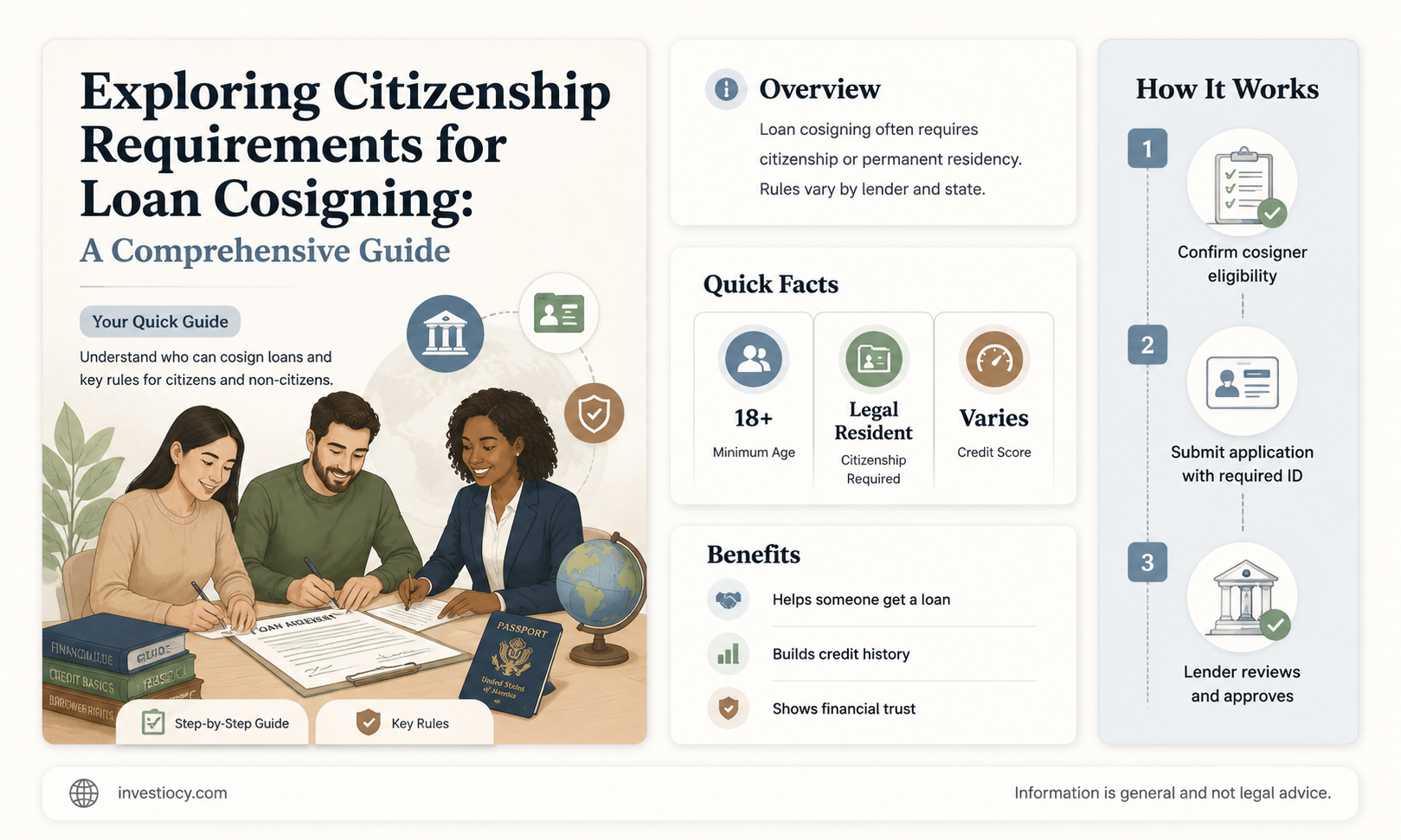
When considering cosigning for a loan, one important question that often arises is whether the cosigner must be a citizen of the country where the loan is being taken out. The answer to this question can vary depending on the specific lender and the country's regulations. In general, lenders may require cosigners to be citizens or permanent residents of the country to ensure they have a stable income and are subject to the same legal system. However, some lenders may be more flexible and allow non-citizen cosigners if they meet certain criteria, such as having a valid visa or a strong credit history in their home country. It's essential for potential cosigners to check with the lender directly to understand their specific requirements and ensure they meet all necessary conditions before agreeing to cosign a loan.
Explore related products





What You'll Learn
- Eligibility Requirements: Explore citizenship status necessity for cosigning loans in different financial institutions
- Legal Implications: Understand the legal responsibilities and implications of cosigning for non-citizens
- Credit Score Impact: Analyze how cosigning affects credit scores for both citizens and non-citizens
- Alternatives for Non-Citizens: Discover alternative loan options available for non-citizens who need a cosigner
- Success Stories: Share case studies or testimonials of non-citizens who successfully obtained loans with cosigners

Eligibility Requirements: Explore citizenship status necessity for cosigning loans in different financial institutions
Financial institutions often have stringent eligibility requirements when it comes to cosigning loans, and citizenship status can be a critical factor in this process. While some lenders may not explicitly require cosigners to be citizens, they may impose other conditions that indirectly affect non-citizen eligibility. For instance, certain banks might mandate that cosigners have a valid Social Security Number (SSN) or Individual Taxpayer Identification Number (ITIN), which are typically issued to citizens and certain non-citizens respectively. This requirement can limit the pool of potential cosigners to those with specific immigration statuses.
Moreover, lenders may also consider the cosigner's residency status, employment history, and creditworthiness. Non-citizens may face additional scrutiny in these areas, as their financial and employment records might be less established or more difficult to verify. Some institutions may even require cosigners to have a certain minimum income or credit score, which could disproportionately impact non-citizens who may not have had the same opportunities to build their financial profiles.
In the case of federal student loans, for example, the U.S. Department of Education requires cosigners to be U.S. citizens or permanent residents. This means that non-citizen parents or guardians may not be able to cosign for their children's student loans, potentially limiting access to higher education for non-citizen students. Private lenders, on the other hand, may have more flexible policies, but they often require additional documentation and assurances from non-citizen cosigners.
It's also worth noting that some financial institutions may have specific programs or products designed for non-citizen borrowers, which could include options for cosigning. These programs might take into account the unique financial circumstances and challenges faced by non-citizens, offering more tailored solutions that address their specific needs. However, such programs may not be widely available or advertised, requiring borrowers to do their own research and outreach to identify potential options.
Ultimately, the necessity of citizenship status for cosigning loans can vary significantly depending on the lender, the type of loan, and the individual circumstances of the borrower and cosigner. Non-citizens who are considering cosigning a loan should carefully review the eligibility requirements of different financial institutions and consult with a financial advisor or immigration expert to understand their options and potential implications.
Exploring Conventional Loans: The Role of Co-signers Explained
You may want to see also
Explore related products


Legal Implications: Understand the legal responsibilities and implications of cosigning for non-citizens
Cosigning a loan for a non-citizen can have significant legal implications that both parties should be aware of. One of the primary responsibilities of a cosigner is to ensure that they understand the terms of the loan agreement and are willing to take on the financial obligation if the primary borrower defaults. For non-citizens, this can be particularly complex due to differences in legal systems and financial regulations between countries.
From a legal standpoint, a cosigner must be able to demonstrate that they have the capacity to enter into a binding contract. This typically requires that the cosigner be of legal age, have a valid identification, and possess the mental capacity to understand the terms of the agreement. Additionally, the cosigner must be able to show that they have a legitimate source of income and the means to repay the loan if necessary.
One unique aspect of cosigning for non-citizens is the potential impact of immigration status on the loan agreement. If the primary borrower is not a citizen or permanent resident of the country where the loan is being issued, the cosigner may need to provide additional documentation to prove their own legal status. This could include proof of citizenship, a valid visa, or other immigration documents.
Another important consideration is the potential for legal disputes that may arise if the primary borrower defaults on the loan. In some cases, the cosigner may be held responsible for the full amount of the loan, plus any accrued interest and fees. This can lead to legal action being taken against the cosigner, which could result in wage garnishment, asset seizure, or even bankruptcy.
To mitigate these risks, it is essential for cosigners to carefully review the loan agreement and understand their rights and responsibilities. They should also consider seeking legal advice from a qualified attorney who is familiar with the laws and regulations governing loan agreements for non-citizens. By taking these precautions, cosigners can help protect themselves from potential legal issues and ensure that they are making an informed decision.
Navigating Loan Consolidation: Private vs. Federal Options Explained
You may want to see also
Explore related products


Credit Score Impact: Analyze how cosigning affects credit scores for both citizens and non-citizens
Cosigning a loan can have significant implications for credit scores, particularly when it involves individuals with different citizenship statuses. For citizens, cosigning can be a strategic move to help a non-citizen friend or family member secure financing, but it also comes with risks. If the primary borrower defaults, the cosigner's credit score can take a hit, potentially impacting their ability to secure their own loans in the future.
For non-citizens, cosigning can be a vital tool for accessing credit in a new country where they may not have an established credit history. However, the impact on their credit score can be more pronounced due to their potentially limited financial track record. A missed payment or default can severely damage their creditworthiness, making it harder to obtain loans or credit cards in the future.
It's essential to consider the long-term consequences of cosigning, especially when it involves cross-border financial relationships. Citizens should carefully evaluate their cosigner's financial stability and ability to repay the loan, while non-citizens should be aware of the potential risks and benefits of cosigning. Understanding the credit score impact of cosigning can help individuals make informed decisions and navigate the complexities of international lending.
Understanding the Impact of Cosigning Loans on SSI Benefits
You may want to see also
Explore related products


Alternatives for Non-Citizens: Discover alternative loan options available for non-citizens who need a cosigner
For non-citizens seeking loans, the requirement of a cosigner can present a significant hurdle. However, there are alternative loan options available that may not require a cosigner or may have more lenient requirements. One such option is secured loans, which require collateral such as a car, home, or other valuable asset. Because the lender has a form of security, they may be more willing to lend to non-citizens without a cosigner. Another alternative is peer-to-peer lending, which connects borrowers directly with individual lenders through online platforms. These lenders may have different criteria for approving loans and may be more open to lending to non-citizens.
Credit unions and community banks may also offer loan options for non-citizens. These institutions often have a focus on serving local communities and may be more flexible in their lending criteria. Additionally, some online lenders specialize in providing loans to non-citizens and may offer competitive rates and terms. It's important to research and compare different lenders to find the best option for your specific situation.
When exploring alternative loan options, it's crucial to be aware of potential risks and pitfalls. Some lenders may charge high interest rates or fees, or may have strict repayment terms. It's important to carefully review the terms and conditions of any loan agreement before signing. Additionally, be cautious of scams or fraudulent lenders who may target non-citizens seeking loans. Always verify the legitimacy of a lender before providing any personal or financial information.
In conclusion, while the requirement of a cosigner can make it challenging for non-citizens to obtain loans, there are alternative options available. By researching and comparing different lenders and loan types, non-citizens can find the best option for their specific needs and situation. It's important to be aware of potential risks and to carefully review the terms and conditions of any loan agreement before signing.
Understanding Conventional Loan Residency Requirements: A Comprehensive Guide
You may want to see also
Explore related products


Success Stories: Share case studies or testimonials of non-citizens who successfully obtained loans with cosigners
Maria, a non-citizen from Mexico, had been working in the United States for five years when she decided to start her own business. However, as a non-citizen, she faced numerous challenges in securing a loan from traditional banks. That's when she turned to her friend, John, a U.S. citizen, who agreed to cosign the loan. With John's help, Maria was able to secure a $50,000 loan from a credit union, which she used to open her own restaurant. Today, Maria's restaurant is a thriving business, and she is well on her way to achieving her dream of financial independence.
Similarly, Ahmed, a non-citizen from Egypt, was struggling to secure a loan to buy a car. Despite having a steady job and a good credit score, he was repeatedly denied by banks due to his non-citizen status. That's when he approached his colleague, Sarah, a U.S. citizen, who agreed to cosign the loan. With Sarah's help, Ahmed was able to secure a $20,000 loan from a community bank, which he used to purchase a reliable car. The car not only improved his daily commute but also opened up new opportunities for him to advance in his career.
These success stories highlight the importance of cosigners in helping non-citizens secure loans. By providing a guarantor who is a U.S. citizen, non-citizens can overcome the barriers they face in the lending market and achieve their financial goals. However, it's important to note that cosigning is not without risks. Cosigners are legally responsible for repaying the loan if the primary borrower defaults, so it's crucial for both parties to understand the terms and conditions of the loan agreement before signing on the dotted line.
In conclusion, cosigning can be a valuable tool for non-citizens looking to secure loans in the United States. By partnering with a trusted cosigner, non-citizens can overcome the challenges they face in the lending market and achieve their financial dreams. However, it's important for both parties to carefully consider the risks and responsibilities involved in cosigning before moving forward.
Simplify Your Finances: The Truth About Loan Consolidation Costs
You may want to see also
Frequently asked questions
Cosigning for a loan does not necessarily require the cosigner to be a citizen. Lenders typically look for a cosigner who has a good credit history and the ability to repay the loan if the primary borrower defaults. Citizenship is not usually a determining factor.
The main requirements for a cosigner on a loan include having a good credit score, a stable income, and the willingness and ability to repay the loan if the primary borrower cannot. The cosigner must also meet any specific criteria set by the lender, which may vary depending on the type of loan.
Yes, a non-citizen can cosign a loan for a citizen. However, the non-citizen cosigner must meet the lender's requirements, such as having a valid visa or residency status, a good credit history, and the ability to repay the loan if necessary.
Cosigning a loan for someone else involves several risks. If the primary borrower defaults on the loan, the cosigner becomes responsible for repaying the full amount, including any interest and fees. This can negatively impact the cosigner's credit score and financial stability. Additionally, the cosigner may face legal consequences if they fail to repay the loan as required.