Lester Freeman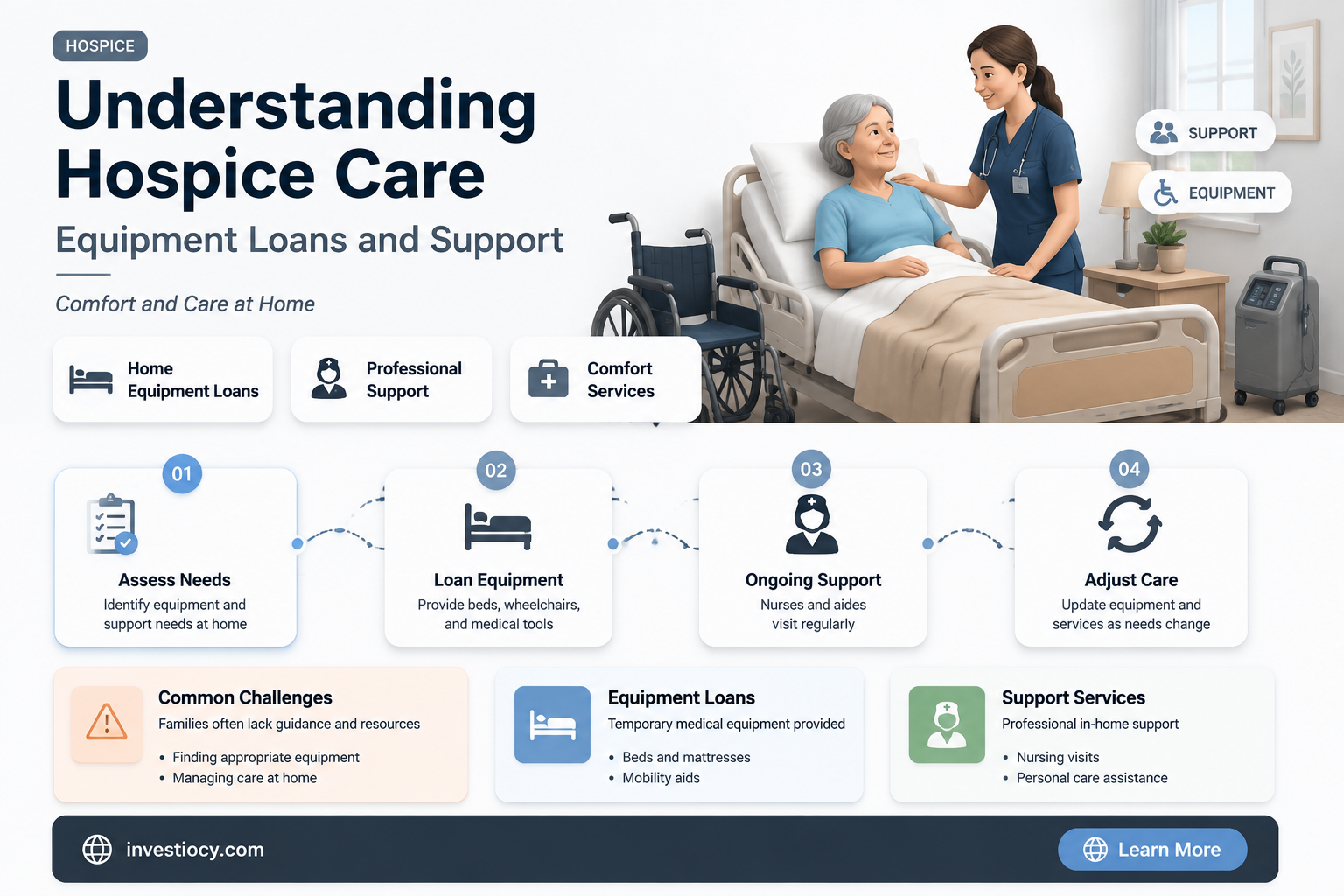
Hospice care is a crucial service that provides comfort and support to individuals nearing the end of their lives. One aspect of hospice care that is often overlooked is the use of medical equipment to aid in patient care. Hospice organizations typically loan equipment to patients and their families to ensure they have the necessary tools to manage symptoms and maintain comfort at home. This equipment can range from hospital beds and oxygen tanks to wheelchairs and other mobility aids. By providing access to this equipment, hospice care helps to improve the quality of life for patients and their loved ones during a difficult time.
Explore related products


What You'll Learn
- Types of Equipment Loaned: Hospice loans various medical equipment like hospital beds, wheelchairs, and oxygen tanks
- Loan Duration: Equipment is typically loaned for the duration of the patient's hospice care
- Cost of Equipment Loans: Hospice care often covers the cost of equipment loans, making it free for patients
- Delivery and Setup: Hospice teams usually deliver and set up the loaned equipment at the patient's home
- Return Policy: After the patient's passing or transition out of hospice care, the equipment is returned to the hospice

Types of Equipment Loaned: Hospice loans various medical equipment like hospital beds, wheelchairs, and oxygen tanks
Hospice care extends beyond just medical treatment; it encompasses a range of supportive services aimed at improving the quality of life for patients with terminal illnesses. One crucial aspect of this support is the provision of necessary medical equipment. Hospice organizations typically loan out a variety of equipment to ensure that patients can receive care in the comfort of their own homes or in hospice facilities.
The types of equipment loaned by hospice organizations can vary widely, depending on the specific needs of the patient. Commonly loaned items include hospital beds, which are adjustable to provide comfort and support; wheelchairs, which aid in mobility for patients who may have difficulty walking; and oxygen tanks, which are essential for patients experiencing respiratory distress. Additionally, hospice may provide other specialized equipment such as suction machines, commodes, and bath chairs, all tailored to meet the unique needs of each patient.
The process of obtaining this equipment through hospice is generally straightforward. Once a patient is admitted to hospice care, the healthcare team will assess their needs and determine what equipment is necessary. This equipment is then delivered to the patient's home or hospice facility, and hospice staff will provide training on how to use it safely and effectively. The equipment remains the property of the hospice organization and is loaned to the patient for as long as it is needed.
One of the significant benefits of hospice loaning equipment is that it helps to reduce the financial burden on patients and their families. Medical equipment can be expensive to purchase or rent, and many insurance plans may not cover the full cost. By providing this equipment at no charge, hospice organizations help to ensure that patients have access to the care they need without worrying about the financial implications.
In conclusion, the provision of medical equipment is a vital component of hospice care. By loaning out a range of equipment tailored to the specific needs of each patient, hospice organizations help to improve the quality of life for those with terminal illnesses, allowing them to receive care in a comfortable and familiar environment.
Exploring Homestyle Loan Coverage: Does Landscaping Qualify?
You may want to see also
Explore related products


Loan Duration: Equipment is typically loaned for the duration of the patient's hospice care
Hospice care is a critical service that provides comfort and support to patients with terminal illnesses. One aspect of this care is the loaning of medical equipment to patients. The duration of the loan is typically aligned with the length of the patient's hospice care. This means that the equipment is provided to the patient for as long as they are receiving hospice services, which can vary depending on the patient's condition and needs.
The loaning of equipment is a vital part of hospice care because it allows patients to remain comfortable and safe in their own homes or in hospice facilities. The equipment can range from basic items like hospital beds and wheelchairs to more complex devices like oxygen concentrators and infusion pumps. The goal is to ensure that patients have access to the necessary tools to manage their symptoms and maintain their quality of life.
The process of loaning equipment typically involves a thorough assessment of the patient's needs by the hospice team. This assessment takes into account the patient's medical condition, their living situation, and their personal preferences. Based on this assessment, the hospice team will determine what equipment is necessary and for how long it will be needed. The equipment is then delivered to the patient's home or hospice facility and is set up by trained staff.
Throughout the loan period, the hospice team will monitor the patient's condition and adjust the equipment as needed. This may involve changing the settings on a device, replacing a piece of equipment that is no longer needed, or providing additional training to the patient or their caregivers. The hospice team is also responsible for ensuring that the equipment is properly maintained and cleaned to prevent infection and ensure its longevity.
At the end of the loan period, the equipment is typically returned to the hospice organization. This allows the equipment to be reused by other patients who may need it. In some cases, the hospice organization may offer the option for patients or their families to purchase the equipment if they wish to keep it.
In conclusion, the loaning of medical equipment is an essential component of hospice care. It allows patients to receive the care they need in a comfortable and familiar environment. The duration of the loan is tailored to the individual needs of each patient, ensuring that they have access to the necessary tools for as long as they are receiving hospice services.
Exploring Honda's Extended Loan Options: 84 Months and Beyond
You may want to see also
Explore related products


Cost of Equipment Loans: Hospice care often covers the cost of equipment loans, making it free for patients
Hospice care often covers the cost of equipment loans, making it free for patients. This is a significant benefit for those who require specialized medical equipment to manage their symptoms and improve their quality of life. The cost of such equipment can be prohibitive for many patients, especially those who are already facing financial burdens due to their illness. By covering these costs, hospice care ensures that patients have access to the necessary tools to maintain their comfort and dignity.
One of the key advantages of hospice care's equipment loan program is that it removes the financial barrier to accessing essential medical devices. This can include items such as hospital beds, wheelchairs, oxygen concentrators, and other durable medical equipment. For patients who are terminally ill or have a limited life expectancy, the ability to obtain these items without incurring additional debt can be a tremendous relief. It allows them to focus on their health and well-being rather than worrying about the financial implications of their care.
Furthermore, hospice care's coverage of equipment loans can also help to reduce the overall cost of care for patients and their families. By providing these items free of charge, hospice organizations can help to lower the financial burden on healthcare systems and insurance providers. This, in turn, can make hospice care more accessible and affordable for a wider range of patients.
In addition to the financial benefits, hospice care's equipment loan program can also provide patients with a greater sense of independence and autonomy. By having access to the necessary equipment, patients can often manage their symptoms more effectively and participate more fully in their own care. This can lead to improved outcomes and a better overall quality of life.
Overall, the cost of equipment loans is an important consideration for patients and families who are facing serious illness. Hospice care's commitment to covering these costs can make a significant difference in the lives of those they serve, providing them with the support and resources they need to navigate their health journey with dignity and comfort.
Reviving Dreams: The Current Status of HomePath Renovation Loans
You may want to see also
Explore related products


Delivery and Setup: Hospice teams usually deliver and set up the loaned equipment at the patient's home
Hospice teams typically handle the delivery and setup of loaned equipment at the patient's home, ensuring a seamless transition to home care. This process is crucial as it allows patients to receive the necessary medical support in the comfort of their own homes. The hospice team will usually schedule a delivery time that is convenient for the patient and their family, and they will bring all the required equipment with them.
Upon arrival, the hospice team will assess the patient's home to determine the best location for the equipment. They will then set up the equipment, which may include items such as hospital beds, oxygen tanks, and infusion pumps. The team will ensure that all equipment is properly installed and functioning correctly before leaving the patient's home.
In addition to setting up the equipment, the hospice team will also provide training to the patient and their family on how to use the equipment safely and effectively. This training is essential as it empowers the patient and their family to manage the patient's care at home. The hospice team will also provide ongoing support and monitoring to ensure that the equipment is meeting the patient's needs and to address any issues that may arise.
The delivery and setup process is just one aspect of the comprehensive care provided by hospice teams. By handling this process, hospice teams help to alleviate the stress and burden on patients and their families, allowing them to focus on what is most important – the patient's comfort and well-being.
Explore related products


Return Policy: After the patient's passing or transition out of hospice care, the equipment is returned to the hospice
After a patient passes away or transitions out of hospice care, the equipment provided during their care is typically returned to the hospice. This return policy is an essential aspect of hospice services, ensuring that the necessary medical equipment is available for future patients. The process of returning equipment is usually handled by the hospice staff, who will arrange for the collection and transportation of the items.
The equipment that is returned can include a wide range of medical supplies, such as hospital beds, wheelchairs, oxygen tanks, and various other devices that are used to support patients during their hospice care. These items are carefully inspected and cleaned before being made available for use by other patients. In some cases, the hospice may also provide training to the patient's family or caregivers on how to properly use and maintain the equipment during the patient's care.
It is important to note that the return policy for hospice equipment may vary depending on the specific hospice provider and the policies in place. Some hospices may have specific guidelines or requirements for the return of equipment, such as timeframes for return or conditions for the equipment's condition. It is always best to check with the hospice provider directly to understand their specific return policy and procedures.
In addition to ensuring the availability of equipment for future patients, the return policy also helps to manage the costs associated with hospice care. By reusing equipment, hospices can reduce the need for purchasing new items, which can be a significant expense. This cost savings can then be passed on to patients and their families, helping to make hospice care more accessible and affordable.
Overall, the return policy for hospice equipment is an important aspect of the hospice care process. It helps to ensure that patients have access to the necessary medical supplies during their care, while also managing costs and promoting sustainability within the hospice system.
Frequently asked questions
Yes, hospice care often loans equipment to patients. This can include items such as hospital beds, wheelchairs, walkers, oxygen tanks, and other medical devices necessary for patient care and comfort.
Hospice care may loan a variety of equipment, including but not limited to: hospital beds, wheelchairs, walkers, oxygen tanks and concentrators, suction machines, commodes, shower chairs, and other assistive devices that help manage symptoms and improve quality of life.
Hospice care typically does not charge patients for the use of loaned equipment. The cost of equipment rental is usually covered by the hospice organization as part of their service to ensure that patients have access to necessary items without additional financial burden.
The duration for which patients can keep loaned equipment varies depending on the hospice care provider and the patient's needs. Generally, the equipment is provided for as long as the patient requires it, which could be from a few days to several weeks or even months. Hospice staff will periodically assess the patient's needs and adjust the equipment loan accordingly.