Josephine Norton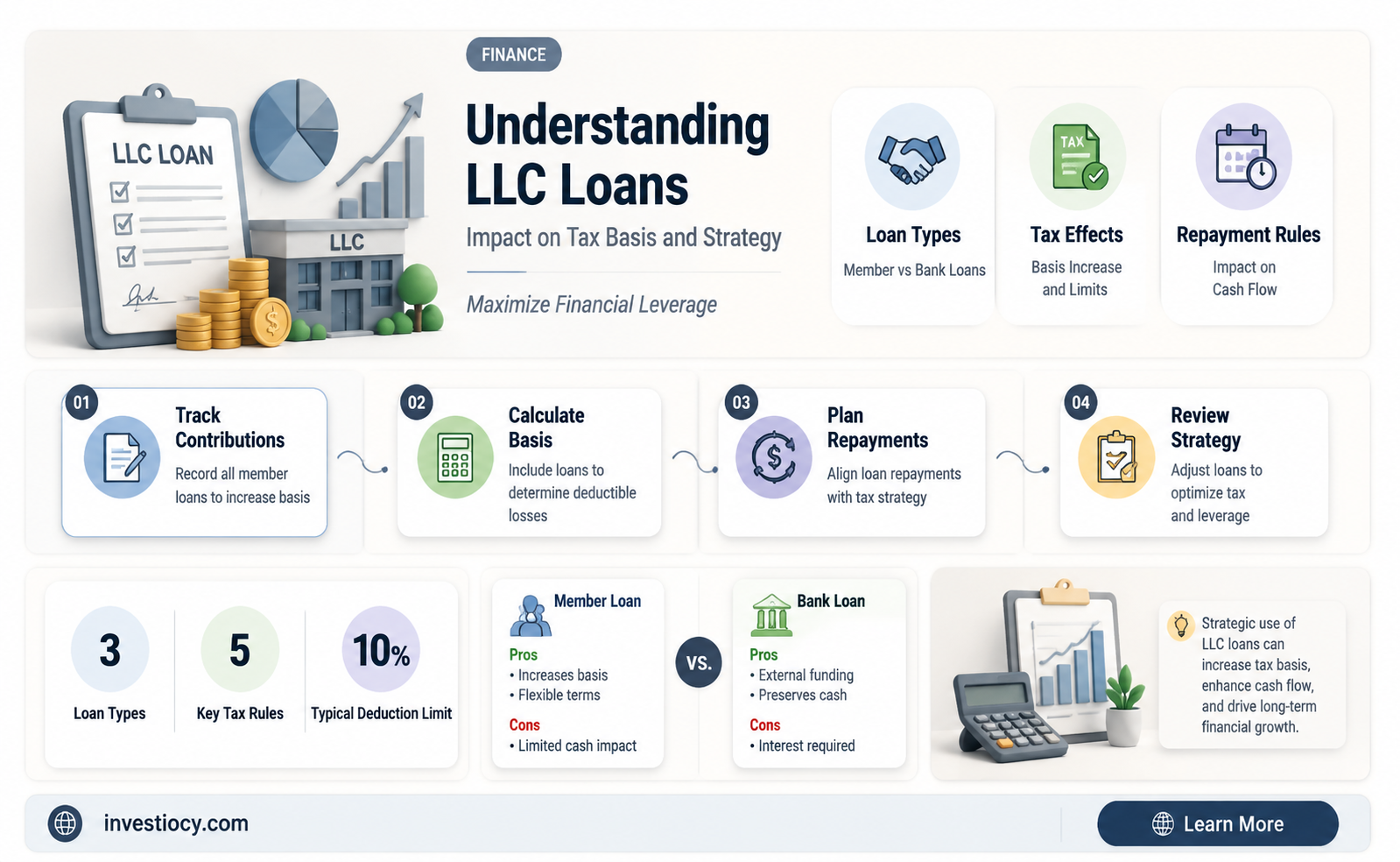
The question of whether a loan to an LLC increases the basis is a common inquiry in the realm of business finance and taxation. In essence, this query delves into the financial implications of lending money to a Limited Liability Company (LLC). To understand this concept, it's crucial to grasp the fundamentals of business entities, loans, and tax basis. An LLC is a popular business structure that offers flexibility in management and taxation. When an individual or another entity loans money to an LLC, it's considered a form of debt financing. This transaction can have significant effects on the tax basis of the LLC, which is essentially the original cost of an asset for tax purposes. The basis is used to calculate depreciation, amortization, and capital gains or losses. Therefore, comprehending how loans impact the basis is vital for accurate tax reporting and financial planning.
Explore related products


What You'll Learn
- Definition of Basis: Understanding the tax concept of basis and its relevance to LLC loans
- Loan vs. Capital Contribution: Distinguishing between loans to an LLC and capital contributions for tax purposes
- Increase in Basis: Exploring scenarios where a loan to an LLC might increase the tax basis
- Tax Implications: Discussing the potential tax consequences of increasing basis through loans to LLCs
- Case Studies: Analyzing real-world examples to illustrate how loans to LLCs can affect tax basis

Definition of Basis: Understanding the tax concept of basis and its relevance to LLC loans
The concept of tax basis is fundamental in understanding the implications of loans to LLCs. In the context of taxation, basis refers to the original cost of an asset for tax purposes. This cost is used to determine depreciation, amortization, and other tax deductions. When an individual or entity loans money to an LLC, the basis of the loan is established at the time the loan is made. This basis is crucial because it affects the tax treatment of the loan repayments and any interest accrued.
For instance, if an individual loans $100,000 to an LLC, the basis of the loan is $100,000. As the LLC repays the loan, the basis decreases. If the LLC pays interest on the loan, this interest is generally deductible by the LLC and taxable to the lender. However, the basis of the loan does not increase simply because interest is paid. Instead, the basis remains the same unless additional capital is contributed to the LLC or certain other specific events occur that would adjust the basis.
One common misconception is that the basis of a loan to an LLC increases as the LLC makes repayments. This is not the case. The basis remains constant unless there are specific adjustments, such as additional contributions or distributions that affect the lender's investment in the LLC. Understanding this concept is essential for both lenders and LLC members to ensure proper tax reporting and compliance.
In summary, the tax basis of a loan to an LLC is established at the time the loan is made and generally remains constant throughout the life of the loan. It is not affected by interest payments or loan repayments but can be adjusted by additional contributions or distributions. Proper understanding of this concept is crucial for accurate tax reporting and financial planning.
Exploring the Loan Signing System: Exam Requirements Uncovered
You may want to see also
Explore related products


Loan vs. Capital Contribution: Distinguishing between loans to an LLC and capital contributions for tax purposes
A loan to an LLC is generally considered debt financing, where the lender provides funds to the LLC with the expectation of repayment, usually with interest. This transaction does not increase the tax basis of the LLC for the lender because it is treated as a debt obligation rather than an equity investment. The interest payments on the loan may be deductible by the LLC as a business expense, but the principal amount remains the same and does not affect the tax basis.
On the other hand, a capital contribution is an investment made by a member into the LLC, increasing their ownership stake. This injection of funds increases the member's tax basis in the LLC because it represents an equity interest rather than a debt obligation. The tax basis is crucial for determining the member's share of the LLC's profits, losses, and other tax attributes. Capital contributions can also impact the LLC's overall tax structure and the individual tax liabilities of its members.
Distinguishing between a loan and a capital contribution is essential for tax purposes because it affects how the transaction is reported and the tax implications for both the LLC and its members. Loans are typically documented with a promissory note and repaid over time, while capital contributions are reflected in the LLC's operating agreement and may not have a repayment schedule. The characterization of the transaction will influence the tax treatment, including the deductibility of interest, the allocation of profits and losses, and the potential for capital gains or losses upon the sale of the LLC interest.
In summary, loans to an LLC are debt obligations that do not increase the tax basis for the lender, while capital contributions are equity investments that do increase the tax basis for the member. Properly characterizing these transactions is crucial for accurate tax reporting and planning.
Exploring LoanStar College's TRS Options: A Comprehensive Guide
You may want to see also
Explore related products

$24.99 $24.99





Increase in Basis: Exploring scenarios where a loan to an LLC might increase the tax basis
In the realm of tax implications for LLCs, the concept of basis increase due to loans is a nuanced and critical area. A loan to an LLC can indeed increase the tax basis, but this depends on several factors, including the nature of the loan, the relationship between the lender and the LLC, and the specific tax regulations in place.
One scenario where a loan to an LLC might increase the tax basis is when the loan is considered a capital contribution. If a member of the LLC loans money to the company and this loan is treated as a capital contribution, it can increase the member's tax basis in the LLC. This is because a capital contribution is essentially an investment in the LLC, and as such, it can increase the value of the member's interest in the company.
Another scenario is when the loan is used to purchase assets for the LLC. If the LLC uses the loan proceeds to buy assets, such as property or equipment, the loan can increase the tax basis of these assets. This is because the loan is essentially financing the purchase of these assets, and as such, it can be considered part of the cost basis of the assets.
However, it's important to note that not all loans to an LLC will increase the tax basis. For example, if the loan is used for operating expenses or to pay off other debts, it may not increase the tax basis. Additionally, the tax implications of a loan to an LLC can be complex, and it's essential to consult with a tax professional to understand the specific implications in your situation.
In conclusion, while a loan to an LLC can increase the tax basis in certain scenarios, it's crucial to understand the specific factors that influence this outcome. By doing so, you can make informed decisions about how to structure loans to an LLC to minimize tax implications and maximize benefits.
Loan Rehabilitation: Your Path to Ending Wage Garnishment
You may want to see also
Explore related products




Tax Implications: Discussing the potential tax consequences of increasing basis through loans to LLCs
Increasing the basis of an LLC through loans can have significant tax implications for both the LLC and its members. When an LLC takes out a loan, it increases its basis, which in turn can affect the tax deductions and credits available to the LLC and its members. For example, if an LLC takes out a loan to purchase property, the interest on the loan may be deductible as a business expense, reducing the LLC's taxable income. However, if the loan is not properly structured, the interest may not be deductible, resulting in a higher tax liability for the LLC.
One potential tax consequence of increasing basis through loans is the impact on the LLC's depreciation deductions. When an LLC purchases property, it can depreciate the property over time, reducing its taxable income. However, if the LLC takes out a loan to purchase the property, the depreciation deductions may be limited by the amount of the loan. This is because the LLC's basis in the property is increased by the amount of the loan, and the depreciation deductions are based on the LLC's basis in the property.
Another potential tax consequence is the impact on the LLC's members' tax liabilities. If an LLC takes out a loan and the loan is not properly structured, the members may be required to report the loan as income on their personal tax returns. This can result in a higher tax liability for the members, as they may be taxed on the loan amount as if it were income. Additionally, if the LLC defaults on the loan, the members may be held personally liable for the debt, further increasing their tax liabilities.
To mitigate these tax implications, it is important for LLCs to properly structure their loans. This can include ensuring that the loan is properly documented, that the interest rate is reasonable, and that the loan is used for legitimate business purposes. Additionally, LLCs should consult with a tax professional to ensure that they are taking advantage of all available tax deductions and credits, and to minimize their tax liabilities.
In conclusion, increasing the basis of an LLC through loans can have significant tax implications, including impacts on depreciation deductions and members' tax liabilities. To mitigate these implications, LLCs should properly structure their loans and consult with a tax professional to ensure that they are taking advantage of all available tax benefits.
Understanding the Impact of Loan Reports on Your Credit Score
You may want to see also
Explore related products





Case Studies: Analyzing real-world examples to illustrate how loans to LLCs can affect tax basis
#### Analytical Approach
In the realm of tax law, the impact of loans on LLCs is a nuanced topic. To understand how such financial transactions affect the tax basis, it's essential to delve into real-world case studies. One such example involves a small business owner who took out a loan to fund the expansion of their LLC. Initially, the loan increased the owner's basis in the LLC, as it was used to acquire additional assets and invest in the business's growth. However, as the loan was repaid, the basis began to decrease, reflecting the reduction in the owner's investment.
#### Instructive Insight
Consider the case of a real estate investor who borrowed funds to purchase a property through their LLC. The loan was secured by the property itself, and the investor planned to use the rental income to cover the mortgage payments. In this scenario, the loan increased the investor's basis in the LLC, as it was directly related to the acquisition of the property. However, the investor must be cautious about the potential for depreciation recapture if the property is sold in the future.
#### Persuasive Perspective
Another compelling case study involves a tech startup that received a significant loan to develop a new product. The loan was used to hire additional staff, purchase equipment, and cover operational expenses. While the loan initially increased the startup's basis in the LLC, the rapid growth and subsequent valuation of the company led to a complex tax situation. The startup's founders had to navigate the implications of the loan on their personal tax liabilities and the company's overall tax strategy.
#### Comparative Analysis
When comparing these case studies, it's evident that the impact of loans on LLCs varies depending on the specific circumstances. In some cases, loans can increase the tax basis, while in others, they may have a neutral or even negative effect. The key factors influencing these outcomes include the purpose of the loan, the type of assets acquired, and the repayment structure. By analyzing these real-world examples, business owners and investors can gain valuable insights into how to structure their financial transactions to optimize their tax situation.
#### Descriptive Detail
In the case of a family-owned business, a loan taken out to refinance existing debt had a significant impact on the tax basis. The loan was used to pay off high-interest credit card debt and consolidate the company's financial obligations. While the loan initially increased the family's basis in the LLC, the long-term effects were more complex. The family had to consider the implications of the loan on their personal tax returns and the potential for future capital gains taxes if the business was sold.
#### Tactical Takeaway
From these case studies, it's clear that understanding the tax implications of loans to LLCs requires a detailed analysis of each unique situation. Business owners and investors should consult with tax professionals to develop a comprehensive strategy that takes into account their specific financial circumstances and long-term goals. By doing so, they can navigate the complex landscape of tax law and make informed decisions about their financial transactions.
Exploring LoanStar Title Loans: Do They Offer Buyout Options?
You may want to see also
Frequently asked questions
Generally, a loan to an LLC does not increase the basis of the LLC. The basis of an LLC is typically increased by contributions of capital or property, not by loans.
Yes, under certain circumstances, such as if the loan is recharacterized as a contribution or if it is used to purchase property that is contributed to the LLC, the basis of the LLC might increase.
The tax treatment of a loan to an LLC differs from that of a contribution in that interest on the loan may be deductible by the LLC, whereas contributions are generally not deductible. Additionally, if the loan is recharacterized as a contribution, it may have different tax implications for the members of the LLC.
Recharacterizing a loan to an LLC as a contribution can have several potential risks or drawbacks, including increasing the tax basis of the LLC, which may lead to higher taxes on future distributions, and potentially triggering gift tax implications for the members of the LLC.