Clark Galvan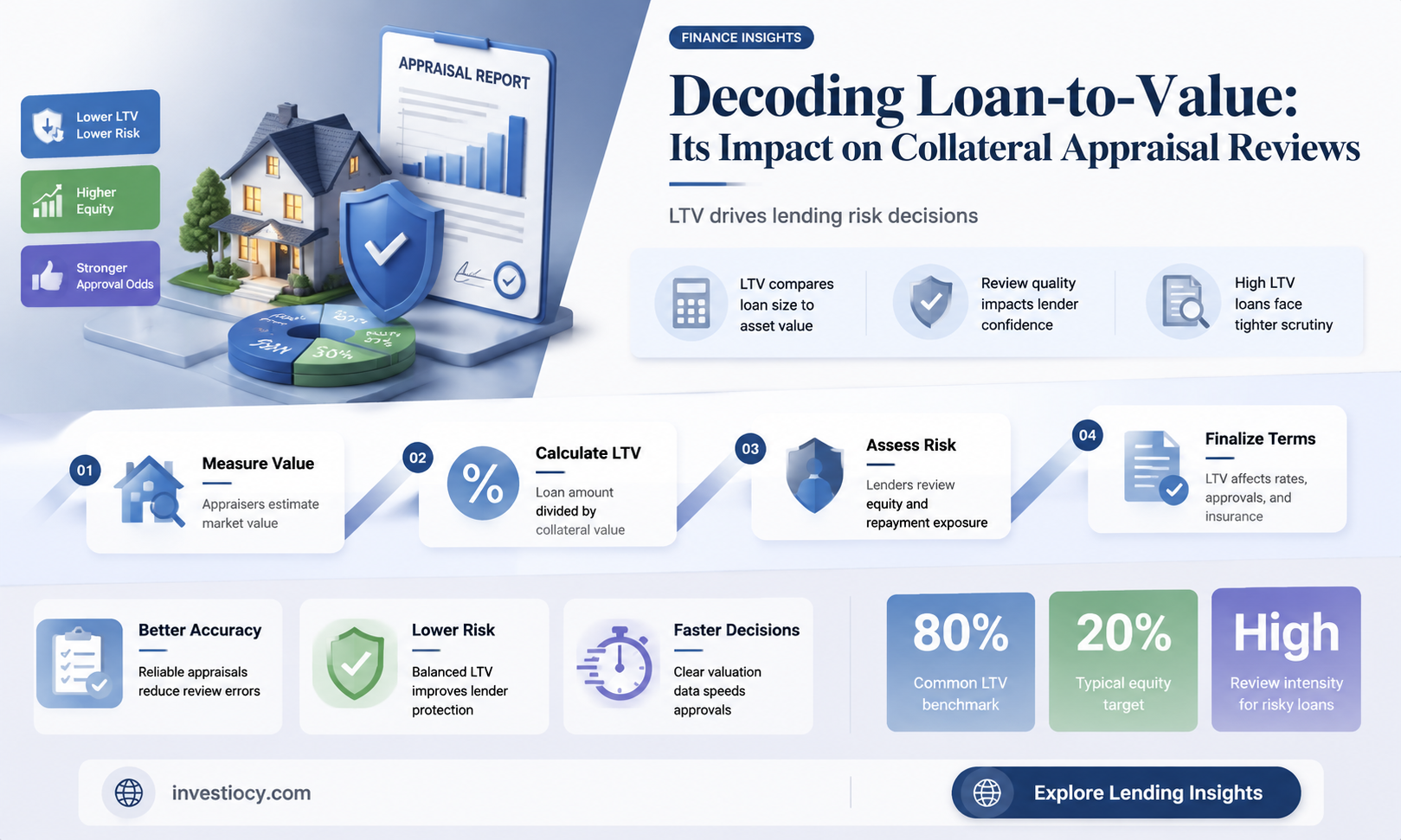
When assessing the importance of Loan-to-Value (LTV) ratios in the context of collateral department reviews of appraisals, it is crucial to understand the interplay between these financial metrics. The LTV ratio serves as a key indicator of the risk associated with a loan, representing the proportion of the loan amount relative to the appraised value of the collateral. In the appraisal review process, the collateral department scrutinizes the accuracy and reliability of the property valuation to ensure that the LTV ratio is within acceptable limits. This helps mitigate potential risks for the lender by verifying that the loan amount is adequately supported by the collateral's market value. Therefore, the LTV ratio plays a pivotal role in the collateral department's evaluation of appraisals, influencing lending decisions and risk management strategies.
Explore related products


What You'll Learn
- Loan-to-Value Ratio: Understanding the proportion of the loan amount relative to the appraised property value
- Collateral Review Process: How the lender's collateral department evaluates the appraisal to ensure it meets their standards
- Appraisal Accuracy: The importance of an accurate property valuation in determining the loan-to-value ratio
- Risk Assessment: Lenders' strategies for assessing the risk associated with different loan-to-value ratios
- Market Conditions: The impact of current real estate market trends on loan-to-value considerations

Loan-to-Value Ratio: Understanding the proportion of the loan amount relative to the appraised property value
The Loan-to-Value (LTV) ratio is a critical metric in the world of real estate finance, representing the proportion of the loan amount relative to the appraised value of the property. This ratio is a key factor in determining the risk associated with a mortgage loan. A higher LTV ratio indicates that the borrower is seeking a loan that is closer to the full value of the property, which can increase the lender's risk. Conversely, a lower LTV ratio suggests that the borrower has more equity in the property, which can reduce the risk for the lender.
When the collateral department reviews an appraisal, the LTV ratio is a crucial consideration. The appraisal provides an estimate of the property's market value, which is used to calculate the LTV ratio. If the LTV ratio exceeds a certain threshold, typically around 80%, the loan may be considered higher risk, and the lender may require additional safeguards, such as mortgage insurance or a higher interest rate. Therefore, understanding the LTV ratio is essential for both borrowers and lenders to make informed decisions about mortgage financing.
For borrowers, a lower LTV ratio can lead to more favorable loan terms, including lower interest rates and the potential to avoid mortgage insurance premiums. This can result in significant savings over the life of the loan. For lenders, a lower LTV ratio reduces the risk of default, as the borrower has more invested in the property. This can lead to more competitive loan offerings and potentially higher loan volumes.
In practice, the collateral department will review the appraisal to ensure that it accurately reflects the property's market value. They will also verify that the LTV ratio is within the lender's acceptable range. If the LTV ratio is too high, the lender may request a larger down payment or deny the loan application altogether. Therefore, it is crucial for borrowers to understand the LTV ratio and its implications when applying for a mortgage loan.
In conclusion, the Loan-to-Value ratio is a vital component of the mortgage loan process, influencing both the borrower's and lender's decisions. By understanding the LTV ratio and its impact on loan terms and risk assessment, borrowers can make more informed decisions about their mortgage financing options.
Exploring LoanStar College's TRS Options: A Comprehensive Guide
You may want to see also
Explore related products


Collateral Review Process: How the lender's collateral department evaluates the appraisal to ensure it meets their standards
The collateral review process is a critical step in the lending cycle, where the lender's collateral department evaluates the appraisal to ensure it meets their standards. This process is essential to mitigate risk and ensure that the loan is secured by a reliable and accurate valuation of the collateral. The collateral department will typically review the appraisal for accuracy, completeness, and adherence to industry standards and guidelines. They will also assess the appraiser's qualifications and experience to ensure that they are competent to perform the appraisal.
During the review process, the collateral department may request additional information or clarification from the appraiser, such as supporting documentation for the valuation or explanations for any discrepancies or unusual findings. They may also conduct their own research or analysis to verify the appraiser's conclusions. This thorough review process helps to ensure that the loan is based on a sound and reliable valuation of the collateral, which is essential for protecting the lender's interests and minimizing the risk of default.
One of the key factors that the collateral department will consider during the review process is the loan-to-value (LTV) ratio. The LTV ratio is a measure of the loan amount relative to the value of the collateral, and it is an important indicator of the risk associated with the loan. A high LTV ratio may indicate that the loan is more risky, as the borrower has less equity in the collateral and may be more likely to default. Conversely, a low LTV ratio may indicate that the loan is less risky, as the borrower has more equity in the collateral and is therefore more likely to repay the loan.
In addition to the LTV ratio, the collateral department will also consider other factors such as the type of collateral, the borrower's credit history, and the overall economic conditions. They will use this information to assess the risk associated with the loan and determine whether it meets their lending criteria. If the loan does not meet their criteria, the collateral department may request additional collateral, reduce the loan amount, or reject the loan application altogether.
Overall, the collateral review process is a crucial step in the lending cycle that helps to ensure that loans are based on accurate and reliable valuations of the collateral. By carefully evaluating the appraisal and considering factors such as the LTV ratio, the collateral department can mitigate risk and protect the lender's interests. This process is essential for maintaining the integrity of the lending system and ensuring that borrowers are able to access credit on fair and reasonable terms.
Exploring the Loan Signing System: Exam Requirements Uncovered
You may want to see also
Explore related products


Appraisal Accuracy: The importance of an accurate property valuation in determining the loan-to-value ratio
An accurate property valuation is crucial in determining the loan-to-value (LTV) ratio, which is a key factor in the collateral department's review of an appraisal. The LTV ratio is calculated by dividing the loan amount by the appraised value of the property, and it helps lenders assess the risk associated with a mortgage. A higher LTV ratio indicates a higher risk for the lender, as the borrower has less equity in the property. Therefore, it is essential that the appraisal is accurate to ensure that the LTV ratio is correctly calculated and that the lender can make an informed decision about the loan.
One of the main reasons why appraisal accuracy is important is that it can affect the borrower's ability to secure a loan. If the appraisal is too low, the LTV ratio will be higher, which may result in the lender denying the loan or requiring a larger down payment. On the other hand, if the appraisal is too high, the LTV ratio will be lower, which may lead to the borrower overpaying for the property or taking on more debt than necessary. In either case, an inaccurate appraisal can have significant financial consequences for the borrower.
Another reason why appraisal accuracy is important is that it can impact the lender's risk management strategies. Lenders use the LTV ratio to determine the level of risk associated with a mortgage, and they may adjust their lending criteria or interest rates accordingly. If the appraisal is inaccurate, the lender may misjudge the risk and make decisions that could lead to financial losses. For example, if the appraisal is too high and the LTV ratio is too low, the lender may offer a loan with a lower interest rate, which could result in a loss if the borrower defaults on the loan.
In addition to affecting the borrower's ability to secure a loan and the lender's risk management strategies, appraisal accuracy can also impact the overall health of the housing market. If appraisals are consistently inaccurate, it can lead to a mispricing of properties, which can contribute to market instability. For example, if appraisals are too high, it can lead to a housing bubble, where property prices are inflated and eventually burst, causing a market crash. On the other hand, if appraisals are too low, it can lead to a lack of demand for properties, which can also contribute to market instability.
To ensure appraisal accuracy, it is important for lenders to work with qualified appraisers who have a thorough understanding of the local real estate market. Appraisers should use a variety of methods to determine the value of a property, including comparable sales, income capitalization, and cost approaches. They should also consider factors such as the property's location, condition, and amenities when determining its value. By working with qualified appraisers and using a variety of methods to determine property values, lenders can help ensure that the LTV ratio is accurately calculated and that they are making informed decisions about loans.
In conclusion, appraisal accuracy is critical in determining the LTV ratio, which is a key factor in the collateral department's review of an appraisal. An accurate appraisal can help ensure that the borrower is able to secure a loan with favorable terms, that the lender is able to manage risk effectively, and that the overall health of the housing market is maintained. By working with qualified appraisers and using a variety of methods to determine property values, lenders can help ensure that the LTV ratio is accurately calculated and that they are making informed decisions about loans.
Understanding the Impact of Loan Reports on Your Credit Score
You may want to see also
Explore related products


Risk Assessment: Lenders' strategies for assessing the risk associated with different loan-to-value ratios
Lenders employ various strategies to assess the risk associated with different loan-to-value (LTV) ratios. One key approach is to analyze the borrower's credit history and score, as this provides insight into their past financial behavior and likelihood of default. Additionally, lenders consider the type of collateral being offered, as certain assets may be more volatile or difficult to liquidate than others. For instance, a loan secured by real estate may be considered less risky than one secured by stocks or other investments.
Another strategy lenders use is to evaluate the borrower's debt-to-income ratio, which helps determine their ability to repay the loan. This ratio is calculated by dividing the borrower's total monthly debt payments by their gross monthly income. A lower debt-to-income ratio indicates that the borrower has more disposable income to put towards loan repayments, thus reducing the risk of default.
Lenders also assess the loan term and interest rate, as these factors impact the total cost of the loan and the borrower's ability to repay it. Longer loan terms and higher interest rates can increase the risk of default, as they result in higher monthly payments and a greater overall financial burden for the borrower.
Furthermore, lenders may consider external factors such as economic conditions and market trends when assessing risk. For example, during a recession, lenders may be more cautious when issuing loans with high LTV ratios, as the value of collateral may decrease and borrowers may be more likely to default.
In conclusion, lenders use a multifaceted approach to assess the risk associated with different LTV ratios. By analyzing the borrower's credit history, debt-to-income ratio, loan term, interest rate, and external factors, lenders can make informed decisions about the likelihood of default and adjust their lending strategies accordingly.
Exploring LoanStar Title Loans: Do They Offer Buyout Options?
You may want to see also
Explore related products


Market Conditions: The impact of current real estate market trends on loan-to-value considerations
In the dynamic landscape of real estate, market conditions play a pivotal role in shaping loan-to-value (LTV) considerations. As property values fluctuate, lenders must adapt their LTV ratios to mitigate risks and ensure the collateral adequately secures the loan. For instance, during a seller's market characterized by rapidly appreciating property values, lenders may increase LTV ratios to accommodate higher purchase prices. Conversely, in a buyer's market where property values are declining, lenders may reduce LTV ratios to protect against potential losses.
The impact of market conditions on LTV considerations is further exemplified by the recent housing market trends. Following the COVID-19 pandemic, the real estate market experienced a surge in demand, leading to increased property values and higher LTV ratios. However, as interest rates rose and economic uncertainty persisted, the market began to cool, prompting lenders to reassess their LTV strategies. This shift highlights the importance of staying attuned to market dynamics and adjusting lending practices accordingly.
Moreover, regional variations in market conditions can also influence LTV considerations. For example, in areas with high demand and limited inventory, lenders may be more willing to offer higher LTV ratios to competitive buyers. In contrast, in regions with oversupply and declining property values, lenders may adopt more conservative LTV approaches to minimize risk. Understanding these regional nuances is crucial for both lenders and borrowers navigating the complex real estate market.
In addition to market trends, other factors such as credit scores, debt-to-income ratios, and loan terms can also impact LTV considerations. Borrowers with strong credit profiles and stable income may be eligible for higher LTV ratios, while those with lower credit scores or higher debt levels may face more stringent LTV requirements. Furthermore, loan terms, including interest rates and repayment periods, can influence the lender's willingness to offer higher LTV ratios.
Ultimately, the interplay between market conditions and LTV considerations underscores the need for a nuanced and adaptive approach to real estate lending. By closely monitoring market trends and adjusting LTV ratios accordingly, lenders can balance risk and opportunity, ensuring the collateral department's review of appraisals remains a critical safeguard in the loan approval process.
Does Loan Rejection Affect CIBIL Score: Understanding the Impact
You may want to see also
Frequently asked questions
Yes, the loan-to-value (LTV) ratio is a crucial factor in the collateral department's review process. It helps determine the risk associated with the loan and influences the appraisal's scrutiny level. A higher LTV ratio may lead to a more rigorous review to ensure the collateral's value supports the loan amount.
The collateral department uses the appraisal to verify the property's value, which is then compared to the loan amount to calculate the LTV ratio. This ratio helps assess the loan's risk profile and determines whether the property provides sufficient collateral for the loan. If the appraisal value is lower than expected, it may result in a lower LTV ratio and potentially affect the loan's approval or terms.
A high LTV ratio can lead to several consequences in the appraisal process. It may trigger a more detailed and stringent review by the collateral department to ensure the property's value is accurate and sufficient to support the loan. Additionally, a high LTV ratio may result in higher interest rates or stricter loan terms to mitigate the increased risk associated with the loan. In some cases, it may even lead to the loan being denied if the collateral department deems the risk too high.