Clark Galvan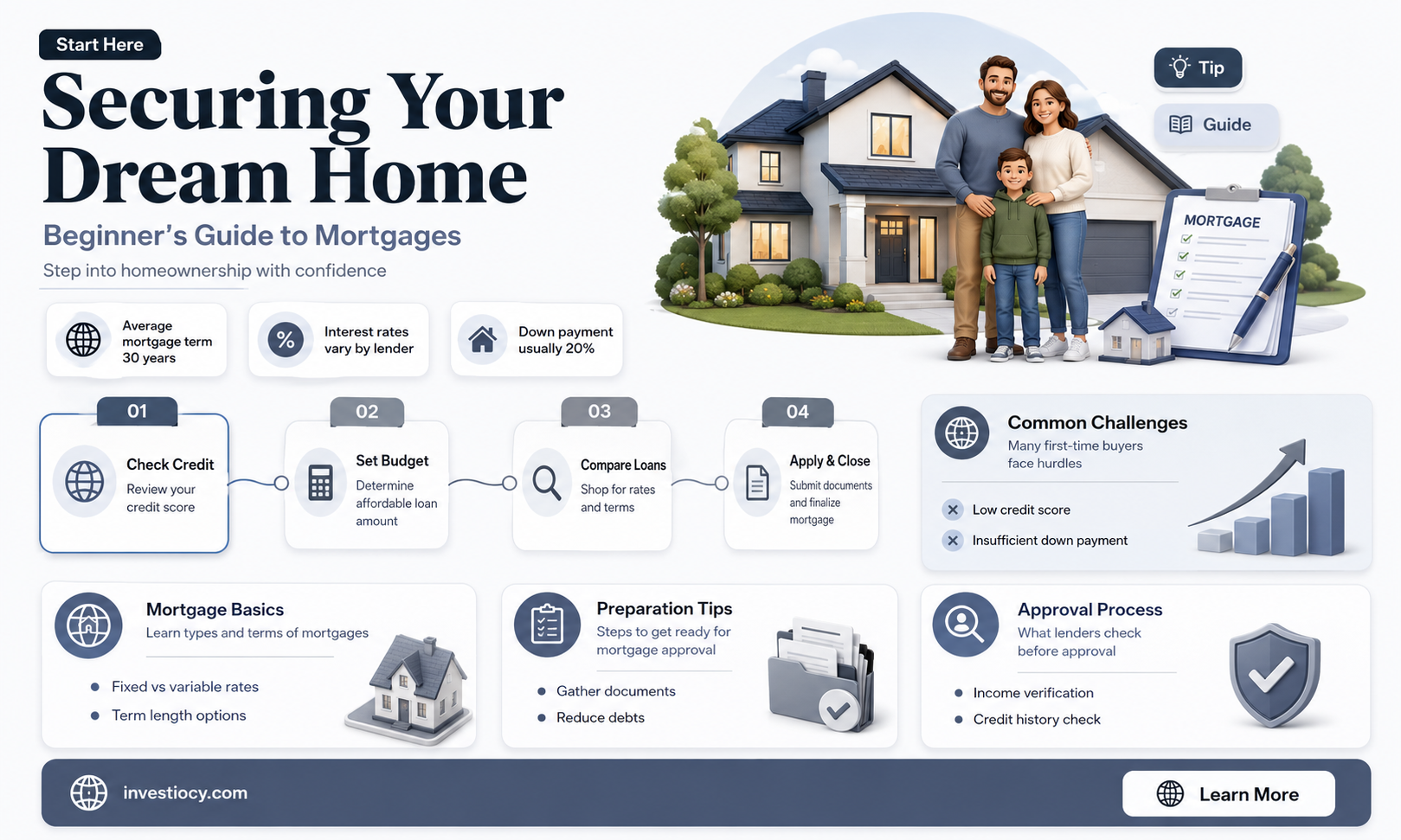
Navigating the world of mortgages can be a daunting task, especially for first-time homebuyers. Understanding how to mortgage a property involves grasping various concepts such as interest rates, loan terms, and the different types of mortgages available. It's essential to research and compare options to find the best mortgage that suits your financial situation and long-term goals. This guide will walk you through the process, from assessing your credit score to finalizing the deal, ensuring you make informed decisions every step of the way.
Explore related products


What You'll Learn
- Understanding Mortgage Basics: Learn about mortgage types, terms, and how they work
- Checking Eligibility: Review income, credit score, and debt-to-income ratio requirements
- Finding a Lender: Research and compare different lenders and their mortgage rates
- Applying for a Mortgage: Gather necessary documents and fill out the application form
- Closing the Deal: Finalize the mortgage, sign documents, and receive the funds

Understanding Mortgage Basics: Learn about mortgage types, terms, and how they work
Understanding mortgage basics is crucial for anyone looking to purchase a home or refinance their existing mortgage. A mortgage is a loan secured by real estate, where the borrower pledges the property as collateral to the lender. There are several types of mortgages, each with its own set of terms and conditions.
One common type of mortgage is the fixed-rate mortgage, where the interest rate remains constant throughout the loan term. This type of mortgage is ideal for borrowers who plan to stay in their home for a long time and want predictable monthly payments. Another type is the adjustable-rate mortgage (ARM), where the interest rate can change periodically based on market conditions. ARMs often have lower initial interest rates but can be riskier if interest rates rise significantly.
Mortgage terms refer to the length of time over which the loan is repaid. The most common mortgage terms are 15, 20, and 30 years. Shorter terms typically have higher monthly payments but lower interest rates, while longer terms have lower monthly payments but higher interest rates. Borrowers should consider their financial situation and long-term goals when choosing a mortgage term.
To qualify for a mortgage, borrowers must meet certain criteria, including having a stable income, a good credit score, and a sufficient down payment. Lenders will also consider the borrower's debt-to-income ratio, which is the percentage of their monthly income that goes towards debt payments. A lower debt-to-income ratio can improve the borrower's chances of qualifying for a mortgage and securing a favorable interest rate.
In conclusion, understanding mortgage basics is essential for making informed decisions when purchasing a home or refinancing a mortgage. By learning about different mortgage types, terms, and qualification criteria, borrowers can find the best mortgage option for their unique financial situation and long-term goals.
Boost Your Business: A Guide to Generating Your Own Mortgage Leads
You may want to see also
Explore related products


Checking Eligibility: Review income, credit score, and debt-to-income ratio requirements
To determine your eligibility for a mortgage, lenders scrutinize several key financial metrics. The first step involves assessing your income. This isn't just about your salary; lenders also consider bonuses, commissions, and other regular income sources. They want to ensure that you have a stable and sufficient income to cover your monthly mortgage payments. Typically, they'll require proof of income through pay stubs, W-2 forms, and possibly tax returns.
Next, your credit score comes under examination. This three-digit number reflects your credit history and is a critical factor in determining your creditworthiness. A higher score indicates a better credit history, which can lead to more favorable loan terms, including lower interest rates. Lenders usually require a minimum credit score, which can vary depending on the type of mortgage and the lender's policies.
Another crucial metric is your debt-to-income ratio (DTI). This ratio compares your total monthly debt payments to your gross monthly income. Lenders use this ratio to gauge whether you can manage additional debt. A lower DTI ratio is preferable, as it suggests that you have a healthier balance between your income and existing debt obligations.
When reviewing these requirements, it's essential to be thorough and accurate. Any discrepancies or errors in your financial information can impact your eligibility and the terms of your mortgage. It's also important to note that different lenders may have varying criteria, so it's beneficial to shop around and compare offers from multiple lenders.
To improve your chances of mortgage approval, consider taking steps to enhance your financial profile. This might include paying down existing debts, avoiding new credit inquiries, and ensuring that your income is stable and predictable. By understanding and meeting these eligibility requirements, you can position yourself as a strong candidate for a mortgage.
Smart Strategies for Making Extra Mortgage Payments
You may want to see also
Explore related products


Finding a Lender: Research and compare different lenders and their mortgage rates
To find a lender, start by researching and comparing different lenders and their mortgage rates. This can be done online, through financial advisors, or by visiting local banks and credit unions. When comparing lenders, consider factors such as interest rates, loan terms, fees, and customer reviews. It's important to find a lender that offers competitive rates and terms that align with your financial goals and budget.
One way to research lenders is to use online comparison tools and websites. These platforms allow you to input your financial information and receive personalized loan offers from multiple lenders. This can save you time and effort in comparing rates and terms from different lenders. Additionally, you can read reviews and ratings from other customers to get a sense of the lender's reputation and customer service.
Another option is to work with a financial advisor or mortgage broker. These professionals have access to a wide range of lenders and can help you navigate the mortgage process. They can also provide personalized advice and recommendations based on your financial situation and goals. However, it's important to note that working with a broker may come with additional fees.
When comparing lenders, be sure to consider the total cost of the loan, including interest rates, fees, and closing costs. It's also important to consider the loan terms, such as the length of the loan and the type of interest rate (fixed or variable). Additionally, consider the lender's customer service and reputation, as this can impact your overall experience with the loan.
In conclusion, finding a lender involves researching and comparing different lenders and their mortgage rates. This can be done online, through financial advisors, or by visiting local banks and credit unions. When comparing lenders, consider factors such as interest rates, loan terms, fees, and customer reviews. It's important to find a lender that offers competitive rates and terms that align with your financial goals and budget.
Simplifying Your Wells Fargo Mortgage Payment Process
You may want to see also
Explore related products




Applying for a Mortgage: Gather necessary documents and fill out the application form
To successfully apply for a mortgage, the first step is to gather all the necessary documents. This typically includes proof of income, such as pay stubs and tax returns, as well as identification documents like a driver's license or passport. You'll also need to provide information about your debts, assets, and employment history. Once you have all the required documents, it's time to fill out the mortgage application form.
The application form will ask for detailed information about your financial situation, including your income, expenses, and credit history. Be prepared to provide accurate and up-to-date information, as any discrepancies could delay or even derail your mortgage application. It's also important to be honest about any past financial issues, such as bankruptcies or foreclosures, as these can impact your eligibility for a mortgage.
When filling out the application form, it's a good idea to have a clear understanding of the type of mortgage you're applying for and the terms you're hoping to secure. This will help you provide more accurate information and make informed decisions about your mortgage options. If you're unsure about any aspect of the application process, don't hesitate to reach out to your lender for guidance.
In addition to the standard application form, you may also need to provide additional documentation, such as proof of insurance or a property appraisal. Your lender will let you know what specific documents are required for your particular situation. Once you've submitted your application and all required documents, the lender will review your information and make a decision about your mortgage approval.
It's important to note that the mortgage application process can be time-consuming and may require multiple rounds of documentation and communication with your lender. However, by being prepared and proactive, you can help ensure a smoother and more efficient process. Remember to always read and understand the terms of your mortgage agreement before signing, and don't hesitate to ask questions if you're unsure about any aspect of the deal.
How to Make an Overpayment on Your Barclays Mortgage: A Step-by-Step Guide
You may want to see also
Explore related products



Closing the Deal: Finalize the mortgage, sign documents, and receive the funds
Once you've found the perfect home and secured a mortgage pre-approval, the final step is to close the deal. This involves finalizing the mortgage, signing all necessary documents, and receiving the funds to complete the purchase. Here's a step-by-step guide to help you navigate this crucial phase:
- Finalize the Mortgage: Before closing, your lender will require a final appraisal of the property to ensure its value matches the purchase price. They may also request additional documentation, such as proof of insurance or updated income statements. Review your loan terms one last time to ensure everything is as agreed upon.
- Sign Documents: The closing process typically takes place at a title company or attorney's office. You'll need to bring identification, such as a driver's license or passport, and be prepared to sign numerous documents. These may include the mortgage note, deed of trust, and closing disclosure. Take your time to read each document carefully and ask questions if you're unsure about any terms or conditions.
- Receive the Funds: Once all documents are signed, the lender will disburse the mortgage funds. This usually happens through a wire transfer or cashier's check. Make sure you have the correct account information or bring a blank check to the closing to facilitate the transfer.
- Review Closing Costs: Closing costs can add up quickly, so it's essential to review them carefully. These may include appraisal fees, title insurance, attorney fees, and recording fees. Ensure you understand each charge and negotiate with the seller or lender if possible to reduce your out-of-pocket expenses.
- Complete the Purchase: After receiving the funds, you'll need to transfer the money to the seller, typically through a wire transfer or certified check. Once the seller receives the payment, they'll sign the deed, and you'll officially become the homeowner.
- Post-Closing Steps: After closing, make sure to update your address with the post office, set up utilities, and change the locks on your new home. It's also a good idea to review your homeowners insurance policy to ensure you have adequate coverage.
By following these steps and staying organized, you can ensure a smooth closing process and avoid any last-minute surprises. Remember to ask questions and seek clarification whenever needed to ensure you fully understand the terms and conditions of your mortgage and the closing process.
Maximize Your Mortgage Payments: A Guide to Woolwich Overpayments
You may want to see also




![NMLS Study Guide 2026-2027 - 5 Full-Length Practice Tests, SAFE MLO Exam Prep Secrets Book for the Mortgage Loan Originator Exam: [4th Edition]](https://m.media-amazon.com/images/I/717iHac5CwL._AC_UL320_.jpg)