Josephine Norton
When applying for a mortgage, protecting your documents is crucial to ensure the security of your personal and financial information. This involves several key steps:
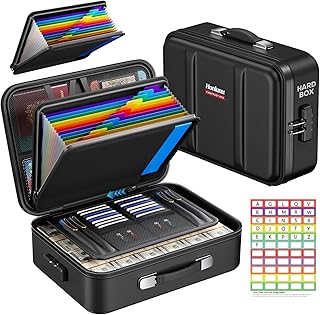
1. Secure Storage: Keep all your documents in a secure location, such as a locked filing cabinet or a safe deposit box at a bank. This prevents unauthorized access and potential theft.
2. Digital Security: If you're storing documents digitally, use a secure cloud storage service with strong encryption. Ensure that your computer and mobile devices are protected with up-to-date antivirus software and strong passwords.
3. Document Tracking: Maintain a record of all your documents, including copies of everything you submit to the mortgage lender. This helps you keep track of what information has been shared and with whom.
4. Sensitive Information Redaction: When sharing documents, redact any unnecessary sensitive information, such as social security numbers or bank account details, to minimize the risk of identity theft.
5. Regular Updates and Reviews: Periodically review and update your security measures to stay protected against evolving threats. This includes changing passwords, updating software, and ensuring that your physical storage remains secure.
By following these steps, you can significantly reduce the risk of your documents being compromised during the mortgage application process.
Explore related products


What You'll Learn
- Gather necessary documents: Collect all required paperwork, including proof of income, credit reports, and identification
- Organize documents: Arrange your documents in a clear, logical order to facilitate the application process
- Secure sensitive information: Ensure that personal and financial data is kept confidential and protected from unauthorized access
- Review and verify: Double-check all documents for accuracy and completeness to avoid delays or issues
- Submit documents securely: Use a secure method to submit your documents, such as encrypted email or a secure online portal

Gather necessary documents: Collect all required paperwork, including proof of income, credit reports, and identification
To safeguard your documents during the mortgage application process, it's crucial to understand the types of paperwork lenders typically require. This includes proof of income, such as pay stubs and tax returns, credit reports, and various forms of identification like driver's licenses and passports. Knowing what to expect can help you prepare and protect your documents more effectively.
One key step in document protection is ensuring that all your paperwork is up to date and accurately reflects your current financial situation. This means reviewing your credit reports for any errors or discrepancies and obtaining the most recent copies of your income verification documents. By doing so, you can prevent potential issues that could arise from outdated or incorrect information.
Another important aspect of document security is how you store and transmit your paperwork. It's advisable to keep physical copies of your documents in a secure location, such as a locked file cabinet or a safe deposit box. When submitting your application, consider using a reputable courier service or encrypted email to send your documents to the lender. This can help prevent unauthorized access or loss of your sensitive information.
Additionally, be cautious about who you share your documents with. Only provide your paperwork to trusted individuals or organizations, and always verify the legitimacy of any requests for your information. This includes being wary of unsolicited offers or requests for personal details, as these could be attempts at identity theft or fraud.
Finally, it's essential to stay informed about the latest trends and tactics in document security. This includes keeping up with changes in data protection laws and regulations, as well as being aware of common scams and threats. By staying vigilant and proactive, you can better protect your documents and ensure a smooth mortgage application process.
Smart Strategies for Making Extra Mortgage Payments
You may want to see also
Explore related products


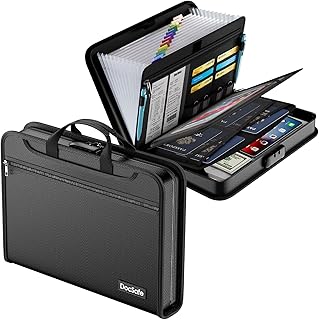

Organize documents: Arrange your documents in a clear, logical order to facilitate the application process
To streamline the mortgage application process, it's crucial to organize your documents meticulously. Begin by categorizing all necessary paperwork into distinct groups, such as income verification, credit history, and property details. Within each category, arrange documents chronologically or by relevance, ensuring the most recent and pertinent information is easily accessible. This structured approach not only expedites the application but also minimizes the risk of omitting critical documents.
When organizing your documents, consider using a checklist to ensure completeness. This can include items like pay stubs, tax returns, bank statements, and identification documents. By cross-referencing your organized files against the checklist, you can identify any missing pieces and address them proactively. Additionally, make digital copies of all documents and store them securely, as this can provide a backup in case of loss or damage.
A well-organized document system also helps in maintaining the confidentiality and security of your sensitive information. Use password-protected folders or encryption tools to safeguard digital copies, and keep physical documents in a secure location. When submitting documents to lenders or other parties, ensure they are transmitted through secure channels, such as encrypted email or a secure online portal.
Furthermore, staying updated on the specific document requirements of different lenders can give you an edge in the application process. Research and understand the unique criteria of each lender you're considering, and tailor your document organization accordingly. This can help avoid delays caused by submitting incomplete or irrelevant information.
In summary, organizing your documents in a clear, logical order is a fundamental step in protecting them during the mortgage application process. By categorizing, checking, securing, and staying informed, you can enhance the efficiency and security of your application, ultimately increasing your chances of success.
Navigating Your Mortgage Move: A Step-by-Step Guide
You may want to see also
Explore related products


Secure sensitive information: Ensure that personal and financial data is kept confidential and protected from unauthorized access
In the digital age, securing sensitive information is paramount, especially when applying for a mortgage. One crucial step is to ensure that all personal and financial data is kept confidential and protected from unauthorized access. This involves being vigilant about how and where you store your documents.
Firstly, it's essential to use secure storage methods for your documents. This means avoiding public or shared computers and opting for password-protected, private devices. Utilize encrypted cloud storage services that offer two-factor authentication for an added layer of security. When handling physical documents, keep them in a locked drawer or safe, and never leave them unattended in public spaces.
Secondly, be cautious about who you share your information with. Only provide your documents to trusted individuals or organizations, and always verify their legitimacy before sharing any data. Be wary of unsolicited requests for information, as these could be phishing attempts. When in doubt, contact the institution directly using a verified phone number or website to confirm the request.
Thirdly, regularly monitor your credit reports and financial statements for any signs of unauthorized activity. This can help you detect identity theft or fraud early on, allowing you to take immediate action to protect your information and finances. Consider placing a fraud alert or credit freeze on your reports for added security.
Lastly, educate yourself about the latest cybersecurity threats and best practices. Stay informed about common scams and learn how to recognize and avoid them. By being proactive and knowledgeable, you can significantly reduce the risk of your sensitive information being compromised.
In summary, protecting your documents when applying for a mortgage involves using secure storage methods, being cautious about information sharing, monitoring your financial activity, and staying informed about cybersecurity threats. By following these steps, you can help ensure that your personal and financial data remains confidential and protected.
Understanding Mortgage Debt: How to Calculate What You Owe
You may want to see also
Explore related products


Review and verify: Double-check all documents for accuracy and completeness to avoid delays or issues
Before submitting your mortgage application, it's crucial to review and verify all your documents to ensure accuracy and completeness. This step is often overlooked but can make a significant difference in the outcome of your application. Start by creating a checklist of all required documents, such as proof of income, bank statements, identification, and credit reports. Then, carefully review each document for any errors or missing information.
One common mistake is failing to account for all sources of income or omitting important financial details. For example, if you have a side gig or freelance work, make sure to include this income on your application. Additionally, check your credit reports for any discrepancies or errors that could negatively impact your credit score. Dispute any errors you find and wait for the corrections to be made before submitting your application.
Another important aspect to consider is the completeness of your application. Make sure you've filled out all necessary forms and provided any additional documentation required by the lender. This may include letters of explanation for any unusual financial circumstances or documentation of your employment history. Double-checking your application for completeness can help prevent delays in the processing of your mortgage application.
It's also a good idea to have a professional review your documents before submission. A mortgage broker or financial advisor can provide valuable insights and help you identify any potential issues that could arise during the application process. They can also offer guidance on how to improve your chances of approval and help you navigate any complex financial situations.
In conclusion, taking the time to review and verify your documents before submitting your mortgage application can save you time and stress in the long run. By ensuring accuracy and completeness, you can improve your chances of approval and avoid potential delays or issues. Remember, attention to detail is key when it comes to protecting your documents and securing your mortgage.
Maximize Your Mortgage Payments: A Guide to Woolwich Overpayments
You may want to see also
Explore related products
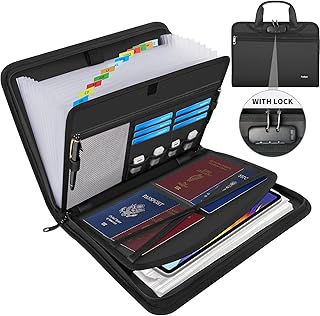


Submit documents securely: Use a secure method to submit your documents, such as encrypted email or a secure online portal
In the digital age, the security of your documents is paramount, especially when applying for a mortgage. One of the most effective ways to protect your sensitive information is to use encrypted email services. These services provide an additional layer of security by scrambling your data, making it unreadable to unauthorized parties. Popular encrypted email providers include ProtonMail and Tutanota, which offer user-friendly interfaces and robust security features.
Another secure method for submitting mortgage documents is through a secure online portal. Many mortgage lenders and financial institutions provide a dedicated, encrypted platform where you can upload your documents safely. These portals typically require a username and password, and some may even use two-factor authentication to ensure that only you can access your information. When using such a portal, it's essential to verify that the website is legitimate and that the connection is secure, usually indicated by a padlock icon in your browser's address bar.
When submitting documents via email or an online portal, it's crucial to be mindful of the file formats you use. PDF files are generally considered safer than Word documents because they are less susceptible to viruses and malware. Additionally, PDFs can be password-protected, adding an extra layer of security. If you must use Word documents, ensure they are saved in the latest format, which supports encryption.
It's also important to be cautious about the information you share in the subject line and body of your email. Avoid including sensitive details such as your social security number or account information in the subject line, as this could be visible to others if your email is intercepted. Instead, use a generic subject line like "Mortgage Application Documents" and include your sensitive information only in the encrypted attachments.
Finally, always keep a record of the documents you've submitted and the method you've used to send them. This will help you track your application's progress and ensure that all your information has been received securely. If you have any concerns about the security of your documents, don't hesitate to contact your lender or financial advisor for guidance.
Strategic Steps to Pay Off Your Chase Mortgage Faster
You may want to see also
Frequently asked questions
When applying for a mortgage, you will typically need to provide proof of income, such as pay stubs and tax returns, proof of assets like bank statements, and identification documents including your driver's license and social security number.
To protect your documents, make sure to submit them through secure channels, such as encrypted email or a secure online portal provided by your lender. Avoid sending sensitive information via regular mail or unsecured email.
To prevent identity theft, be cautious about sharing your personal information, especially your social security number. Only provide your documents to reputable lenders, and monitor your credit reports regularly for any unusual activity.