Lester Freeman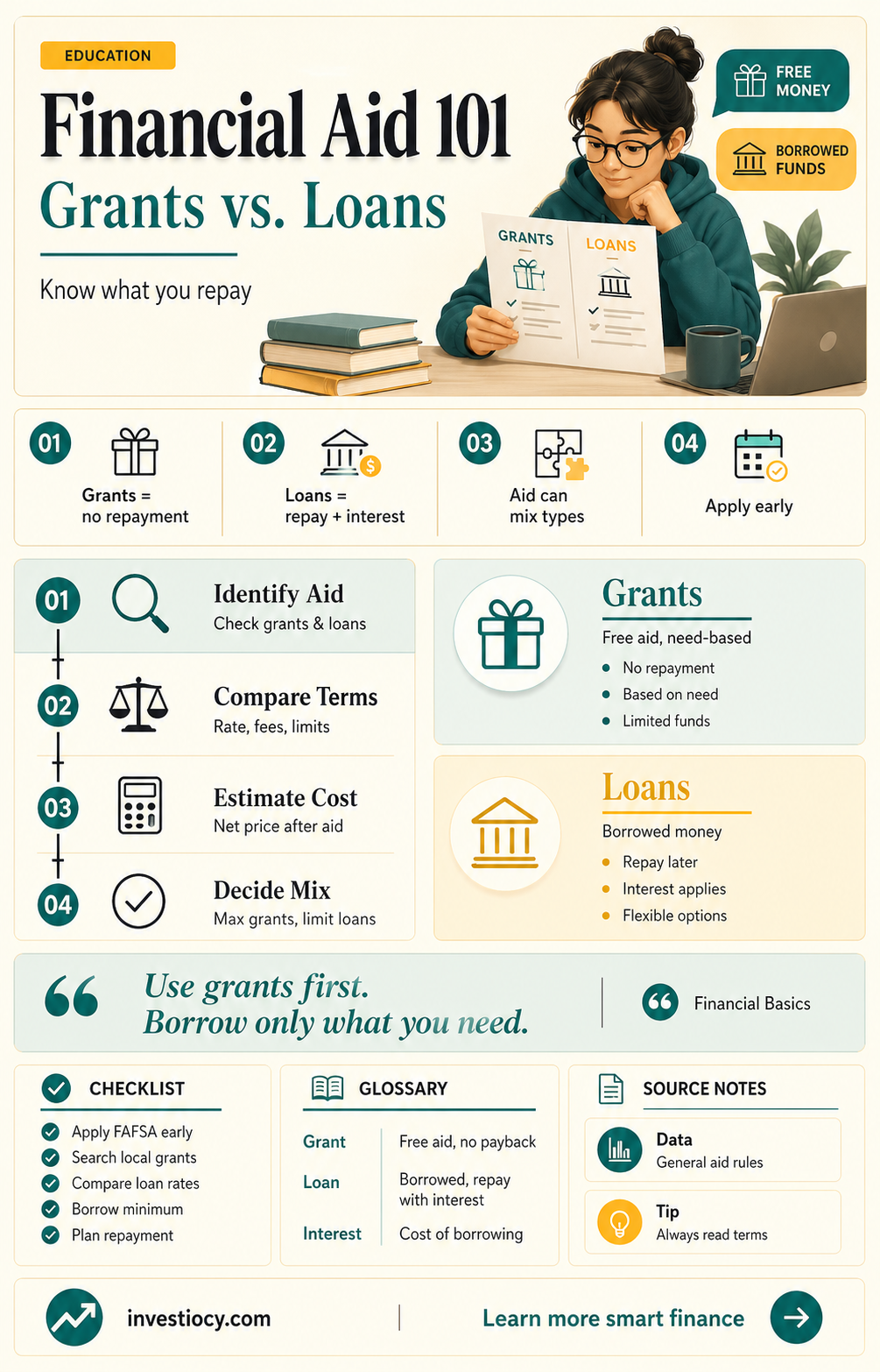
Grants and loans are two distinct forms of financial assistance, each with its own set of characteristics and implications. A grant is typically a sum of money awarded by a government, organization, or individual to support a specific project, research, or initiative. It does not require repayment, making it a favorable option for those seeking funding without the burden of debt. On the other hand, a loan is a financial arrangement where a lender provides funds to a borrower with the expectation of repayment, usually with interest, over a predetermined period. Loans can be secured or unsecured, and they often involve collateral or a credit check to assess the borrower's ability to repay. Understanding the differences between grants and loans is crucial for individuals and businesses seeking financial support, as each option has its own advantages, disadvantages, and eligibility criteria.
| Characteristics | Values |
|---|---|
| Definition | A grant is a financial award given by an organization, government, or individual to another entity for a specific purpose, usually without the expectation of repayment. A loan is a sum of money borrowed from a financial institution or individual, with the expectation of repayment, usually with interest. |
| Repayment | Grants typically do not require repayment. Loans require repayment, often with interest, over a specified period. |
| Interest | Grants do not accrue interest. Loans often have interest rates that can be fixed or variable, depending on the terms of the loan. |
| Purpose | Grants are usually awarded for specific projects or purposes, such as research, education, or community development. Loans can be used for various purposes, including personal expenses, business ventures, or real estate purchases. |
| Eligibility | Grants often have specific eligibility criteria based on the applicant's qualifications, the project's merit, or the funding organization's priorities. Loans typically require a credit check and proof of income or collateral to demonstrate the borrower's ability to repay. |
| Application Process | Applying for a grant usually involves submitting a detailed proposal outlining the project's goals, methods, and expected outcomes. Applying for a loan involves filling out an application form and providing necessary documentation, such as income statements or property deeds. |
| Funding Source | Grants can come from various sources, including government agencies, private foundations, and corporations. Loans are typically provided by banks, credit unions, or other financial institutions. |
| Amount | The amount of a grant can vary widely, from small stipends to large sums, depending on the project's scope and the funding organization's resources. Loan amounts can also vary, but they are often larger than grants, especially for mortgages or business loans. |
| Duration | Grants usually have a specified duration, after which the funding ends. Loans have a repayment term, which can range from a few months to several years, depending on the type of loan. |
| Reporting Requirements | Grant recipients often have to submit regular reports on the project's progress and financial expenditures. Loan borrowers typically do not have to submit reports, but they must make regular payments as per the loan agreement. |
| Impact on Credit Score | Receiving a grant does not usually affect the recipient's credit score. Taking out a loan can impact the borrower's credit score, especially if they miss payments or default on the loan. |
| Taxation | Grants may be subject to taxation, depending on the type of grant and the recipient's tax status. Loan interest may be tax-deductible in some cases, such as for mortgage interest or business loan interest. |
| Flexibility | Grants often have strict guidelines on how the funds can be used, and any deviations may require approval from the funding organization. Loans generally offer more flexibility in how the borrowed funds are used, as long as the borrower meets the repayment terms. |
| Competition | Grants can be highly competitive, with many applicants vying for limited funds. Loans are less competitive, as financial institutions often have more funds available for lending. |
| Renewal | Grants may be renewable, depending on the funding organization's policies and the project's continued relevance. Loans can be refinanced or renewed, but this depends on the borrower's creditworthiness and the lender's terms. |
Explore related products

$16.36 $17.99


What You'll Learn
- Definition: Grants are gifts; loans are borrowed funds that must be repaid with interest
- Repayment: Grants do not require repayment; loans must be repaid according to a schedule
- Interest: Grants do not accrue interest; loans typically have interest rates applied
- Purpose: Grants often have specific usage requirements; loans can be used for various purposes
- Eligibility: Grants may have stricter eligibility criteria; loans are based on creditworthiness and ability to repay

Definition: Grants are gifts; loans are borrowed funds that must be repaid with interest
Grants and loans are two distinct forms of financial assistance, each with its own set of characteristics and implications. Understanding the fundamental differences between them is crucial for individuals and organizations seeking funding for various projects or needs.
At its core, a grant is a gift. This means that the funds provided are not expected to be repaid. Grants are typically awarded by governments, foundations, or other organizations to support specific initiatives, research, or community projects. The recipients of grants are usually required to meet certain criteria and may need to demonstrate how the funds will be used to achieve particular goals or outcomes. However, the key feature of a grant is that it does not require repayment, making it a highly desirable form of financial assistance for many.
In contrast, a loan is a form of borrowed funds that must be repaid with interest. Loans are commonly provided by banks, credit unions, and other financial institutions to individuals or businesses for a variety of purposes, such as purchasing a home, starting a business, or covering unexpected expenses. When taking out a loan, the borrower agrees to repay the principal amount plus a specified rate of interest over a predetermined period. Failure to repay the loan as agreed can result in penalties, damage to credit scores, and even legal action.
One of the primary distinctions between grants and loans lies in the expectation of repayment. Grants are designed to provide financial support without the burden of repayment, while loans require borrowers to pay back the funds with interest. This difference has significant implications for the financial planning and management of the recipients. Grants can offer a more sustainable solution for long-term projects or initiatives, as they do not create ongoing debt obligations. Loans, on the other hand, can provide immediate access to funds but require careful budgeting and financial discipline to ensure timely repayment.
In summary, grants and loans serve different purposes and come with distinct terms and conditions. Grants are gifts that do not require repayment, making them ideal for supporting projects or initiatives without creating financial obligations. Loans, however, are borrowed funds that must be repaid with interest, providing immediate access to capital but requiring careful financial management. Understanding these differences is essential for making informed decisions about which form of financial assistance is most appropriate for a given situation.
Unlocking Opportunities: Your Guide to Becoming a Loan Signing Agent in Florida
You may want to see also
Explore related products


Repayment: Grants do not require repayment; loans must be repaid according to a schedule
One of the most significant distinctions between grants and loans lies in the repayment requirements. Grants, by definition, do not require repayment. They are essentially gifts provided by governments, foundations, or corporations to support specific projects or initiatives. This means that once a grant is awarded and the funds are disbursed, the recipient is not obligated to return the money, provided they use it for the intended purpose and comply with any stipulations or reporting requirements.
In contrast, loans are financial instruments that must be repaid according to a predetermined schedule. Whether it's a personal loan, a business loan, or a student loan, the borrower is expected to make regular payments, typically including both principal and interest, until the full amount is repaid. This repayment schedule is outlined in the loan agreement and can vary depending on the type of loan, the lender, and the borrower's creditworthiness.
The absence of repayment requirements for grants makes them an attractive option for individuals and organizations seeking funding for projects that may not generate immediate revenue or have a long-term payoff. For example, a non-profit organization working on environmental conservation might secure a grant to fund a research project or a community outreach program. Since grants do not need to be repaid, the organization can allocate its resources more freely, focusing on the project's objectives rather than worrying about debt repayment.
On the other hand, loans can provide a more substantial amount of funding than grants, but they come with the responsibility of repayment. This can be a significant burden, especially for borrowers who struggle to make ends meet or face unexpected financial challenges. Failure to repay a loan according to the schedule can result in penalties, damage to credit scores, and even legal action by the lender.
In summary, the repayment requirements are a critical factor in distinguishing between grants and loans. Grants offer the advantage of not requiring repayment, making them ideal for projects with long-term benefits or uncertain financial returns. Loans, while potentially providing larger sums of money, come with the obligation of repayment, which can be a significant financial commitment. Understanding these differences is essential for individuals and organizations seeking funding, as it helps them make informed decisions about which type of financial assistance best suits their needs and circumstances.
Exploring Unitranche Loans: A Comprehensive Guide for Borrowers
You may want to see also
Explore related products

$6.99



Interest: Grants do not accrue interest; loans typically have interest rates applied
One of the key distinctions between grants and loans lies in the application of interest. Grants, by definition, do not accrue interest. This means that the amount awarded is typically fixed and does not increase over time. For instance, if a student receives a $5,000 grant for tuition, they will not be required to pay back any more than this initial amount, regardless of how long it takes to complete their studies.
In contrast, loans are financial instruments that typically carry interest rates. This means that the amount borrowed will increase over time as interest accrues. For example, if a student takes out a $5,000 loan at an annual interest rate of 5%, they will owe more than the original principal amount after one year. The interest rate applied can vary widely depending on the type of loan, the lender, and the borrower's creditworthiness.
The implications of interest rates on loans can be significant. Borrowers need to carefully consider the total cost of the loan, including the interest, when determining how much they can afford to borrow. Additionally, the interest rate can impact the repayment schedule, with higher interest rates often resulting in higher monthly payments.
From a financial planning perspective, grants are generally more favorable than loans due to the absence of interest. However, grants may come with other conditions or restrictions, such as the requirement to maintain a certain GPA or to use the funds for specific purposes. Loans, on the other hand, offer more flexibility in terms of how the funds can be used, but the interest rate can make them more expensive in the long run.
In summary, the difference in interest rates between grants and loans is a critical factor to consider when evaluating financial aid options. Grants provide a fixed amount of funding without the burden of interest, while loans offer more flexibility but come with the cost of interest rates that can significantly increase the total amount owed.
Explore related products


Purpose: Grants often have specific usage requirements; loans can be used for various purposes
Grants and loans serve distinct purposes in the financial landscape, primarily differing in their intended use and flexibility. Grants are typically awarded for specific projects or purposes, carrying stringent requirements on how the funds can be utilized. This ensures that the money is directed towards the intended outcomes, such as research, community development, or education. For instance, a grant for scientific research would likely stipulate that the funds be used for laboratory equipment, personnel salaries, and publication costs, rather than for administrative overhead or unrelated expenses.
In contrast, loans offer a more flexible financial solution, allowing borrowers to use the funds for a variety of purposes. Whether for personal, educational, or business needs, loans provide the autonomy to allocate the money as required. This flexibility can be particularly beneficial for individuals or organizations with diverse financial needs, as it enables them to address multiple areas without being restricted by the specific terms of a grant.
The specificity of grants can be advantageous in ensuring that funds are used efficiently and effectively towards achieving particular goals. However, this also means that grant recipients must carefully plan and budget their projects to align with the grant's requirements. Loans, on the other hand, offer greater latitude but also require responsible financial management to ensure that the borrowed funds are repaid in a timely manner.
When considering whether to pursue a grant or a loan, it is essential to evaluate the specific financial needs and goals. If the requirement is for a targeted project with clear, measurable outcomes, a grant may be the more suitable option. Conversely, if the need is for general financial support or for addressing a range of expenses, a loan could provide the necessary flexibility.
In summary, the primary distinction between grants and loans lies in their purpose and usage requirements. Grants are designed for specific, predetermined purposes, ensuring that funds are directed towards achieving particular objectives. Loans, however, offer a more versatile financial solution, allowing borrowers to use the funds as needed, provided they manage their finances responsibly and repay the loan as agreed.
Eligibility: Grants may have stricter eligibility criteria; loans are based on creditworthiness and ability to repay
Grants and loans are two distinct forms of financial assistance, each with its own set of eligibility criteria and requirements. While grants are typically awarded based on specific criteria such as income level, academic achievement, or project merit, loans are primarily based on an individual's creditworthiness and ability to repay the borrowed amount. This fundamental difference in eligibility criteria is crucial for understanding the distinctions between grants and loans.
One of the key aspects of grant eligibility is that it often involves demonstrating a level of need or merit. For instance, a student applying for a grant may need to provide proof of financial hardship, academic excellence, or enrollment in a specific program. Similarly, a business seeking a grant might need to demonstrate the potential impact of its project on the community or its alignment with certain industry goals. In contrast, loans do not typically require applicants to demonstrate need or merit in the same way. Instead, lenders focus on assessing the borrower's credit history, income, and debt-to-income ratio to determine their ability to repay the loan.
Another important consideration is that grants may have stricter eligibility criteria than loans. This means that the application process for a grant can be more rigorous and time-consuming, as applicants may need to provide extensive documentation and meet specific requirements. Loans, on the other hand, may have a more streamlined application process, particularly for those with a strong credit history and stable income. However, it's essential to note that meeting the eligibility criteria for a loan does not guarantee approval, as lenders also consider other factors such as the loan amount, interest rate, and repayment terms.
In summary, the eligibility criteria for grants and loans differ significantly, with grants often requiring applicants to demonstrate need or merit, while loans focus on creditworthiness and ability to repay. Understanding these differences is crucial for individuals and businesses seeking financial assistance, as it can help them navigate the application process more effectively and increase their chances of securing the funding they need.
Frequently asked questions
The primary difference between a grant and a loan is that a grant is a form of financial aid that does not need to be repaid, while a loan is a borrowed amount of money that must be repaid with interest.
Yes, both grants and loans have specific eligibility criteria. Grants often require the applicant to meet certain conditions related to the purpose of the grant, such as being a student, a researcher, or a non-profit organization. Loans typically require the borrower to have a good credit score and a stable income to demonstrate the ability to repay the loan.
The application process for grants usually involves submitting a detailed proposal outlining the project or purpose for which the grant is being sought. This proposal is then reviewed by the granting organization, and if approved, the grant is awarded. For loans, the application process typically involves providing financial information, such as income and credit history, to the lender. The lender then assesses the borrower's creditworthiness and, if approved, disburses the loan amount.
If a loan is not repaid, the borrower may face legal consequences, damage to their credit score, and additional fees or penalties. In contrast, if the conditions of a grant are not met, the grant recipient may be required to return the grant funds or may become ineligible for future grants from the same organization.