Josephine Norton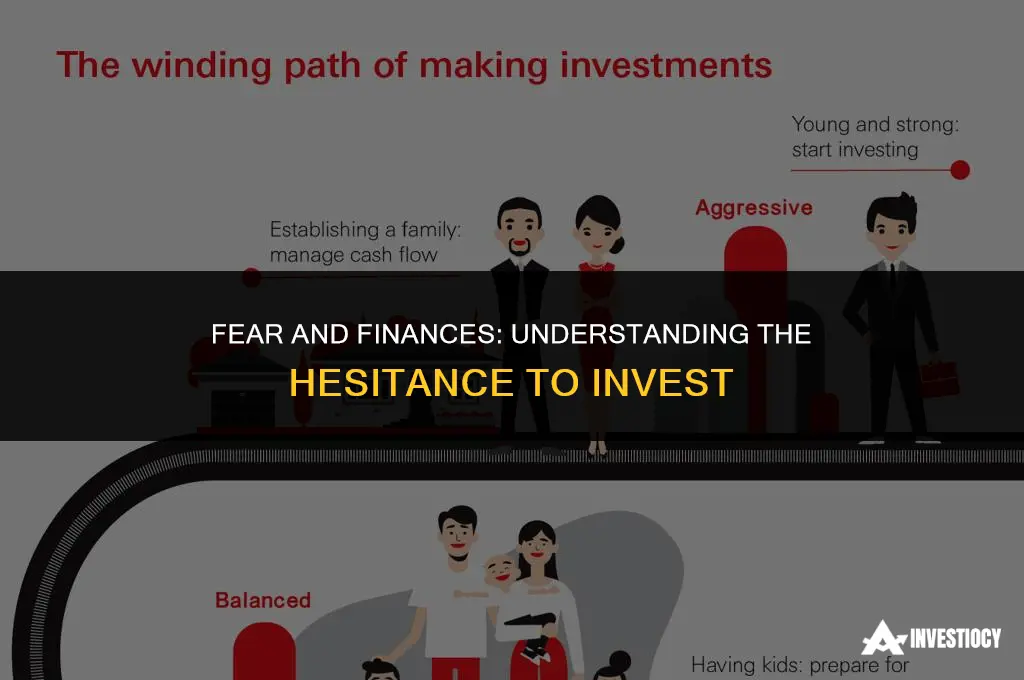
The question of whether people are scared to invest is a complex one, influenced by a multitude of factors including economic conditions, personal financial goals, risk tolerance, and market volatility. In recent years, global economic uncertainty, coupled with the rise of inflation and fluctuating stock markets, has led to increased apprehension among potential investors. This fear can stem from a lack of understanding of investment mechanisms, the dread of potential losses, or the intimidation factor of navigating the financial world. Furthermore, the abundance of misinformation and the sensationalism often found in financial news can exacerbate these fears, making it difficult for individuals to discern reliable advice from alarmist rhetoric. As a result, many people may hesitate to invest, opting instead for the perceived safety of savings accounts, despite the potential for lower returns. Understanding the root causes of investment fear is crucial for financial advisors and policymakers aiming to encourage informed and confident investment decisions.
Explore related products


What You'll Learn
- Fear of market volatility: Investors worry about sudden market fluctuations causing significant financial losses
- Lack of financial literacy: Inadequate understanding of investment concepts and strategies can deter people from investing
- Risk aversion: Some individuals prefer to avoid risks associated with investments, opting for safer options
- Economic uncertainty: Concerns about economic downturns or instability can make people hesitant to invest
- Past investment failures: Negative experiences or losses from previous investments can create fear and reluctance to invest again

Fear of market volatility: Investors worry about sudden market fluctuations causing significant financial losses
Market volatility is a significant concern for many investors, as sudden fluctuations can lead to substantial financial losses. This fear is particularly prevalent among novice investors who may not have the experience or knowledge to navigate turbulent markets effectively. The unpredictability of market movements can create a sense of unease, causing some individuals to shy away from investing altogether.
One of the primary reasons for this fear is the lack of control investors feel over market outcomes. Unlike other aspects of personal finance, such as budgeting or saving, investing involves a degree of uncertainty that can be unsettling. The rapid pace of technological advancements and global events further exacerbates this issue, as news and information can spread quickly, leading to swift and sometimes drastic market reactions.
To mitigate the fear of market volatility, investors can adopt several strategies. Diversification is a key approach, as spreading investments across various asset classes and sectors can help reduce the impact of sudden market downturns. Additionally, maintaining a long-term perspective and avoiding impulsive decisions based on short-term market movements can be beneficial. Investors should also consider setting clear financial goals and risk tolerance levels to guide their investment decisions and help them stay focused during periods of volatility.
Another important aspect to consider is the role of emotions in investment decision-making. Fear and greed are two powerful emotions that can significantly influence investor behavior, often leading to suboptimal outcomes. By developing emotional intelligence and learning to manage these emotions effectively, investors can make more rational and informed decisions, even in the face of market uncertainty.
In conclusion, while the fear of market volatility is a common concern among investors, there are strategies and approaches that can help alleviate this anxiety. By diversifying their portfolios, maintaining a long-term perspective, setting clear goals, and managing their emotions, investors can navigate the complexities of the market with greater confidence and reduce the risk of significant financial losses.
Exploring Satisfaction with Fisher Investments: A Comprehensive Analysis
You may want to see also
Explore related products





Lack of financial literacy: Inadequate understanding of investment concepts and strategies can deter people from investing
A significant barrier to investment for many individuals is a lack of financial literacy. This encompasses an inadequate understanding of fundamental investment concepts, such as risk and return, diversification, and the impact of inflation. Without a grasp of these principles, potential investors may feel overwhelmed or intimidated by the prospect of entering the financial markets.
One of the primary reasons for this lack of financial literacy is the absence of comprehensive financial education in many school curricula. As a result, individuals often enter adulthood without a solid foundation in personal finance, let alone investment strategies. This knowledge gap can lead to misconceptions about investing, such as the belief that it is inherently risky or that it requires a large amount of initial capital.
Furthermore, the complexity of financial products and services can exacerbate the issue. The plethora of investment options available, from stocks and bonds to mutual funds and exchange-traded funds (ETFs), can be bewildering to those without a financial background. This complexity can deter people from investing, as they may fear making the wrong choice or not fully understanding the implications of their decisions.
To address this issue, it is essential to promote financial literacy through education and awareness initiatives. This could include incorporating financial education into school curricula, offering workshops and seminars on investing, and providing accessible online resources for individuals to learn about investment concepts and strategies. By empowering people with the knowledge and confidence to invest, we can help to break down the barriers that prevent many from participating in the financial markets.
Securing the Future: Are Middle-Aged Investors On Track?
You may want to see also
Explore related products


$24.99 $15.07


Risk aversion: Some individuals prefer to avoid risks associated with investments, opting for safer options
Risk aversion is a significant factor influencing investment decisions. Some individuals exhibit a strong preference for avoiding risks associated with investments, leading them to opt for safer options. This behavior can stem from various psychological and emotional factors, including fear of loss, uncertainty intolerance, and a desire for security. Understanding risk aversion is crucial for financial advisors and investors alike, as it can help tailor investment strategies to align with individual comfort levels and financial goals.
One manifestation of risk aversion is the tendency to favor low-risk investments, such as savings accounts, certificates of deposit (CDs), or government bonds, over higher-risk options like stocks or mutual funds. This preference can be driven by a fear of market volatility and the potential for significant financial losses. Risk-averse individuals may also be more inclined to invest in assets with predictable returns, even if these returns are lower than those offered by riskier investments.
Another aspect of risk aversion is the impact of cognitive biases. For example, the endowment effect can lead individuals to overvalue assets they already own, making them reluctant to sell and reinvest in riskier options. Similarly, the sunk cost fallacy can cause investors to hold onto losing investments in the hope of recouping their losses, rather than cutting their losses and moving on to more promising opportunities.
Financial advisors can help risk-averse clients by developing investment portfolios that balance risk and return. This may involve diversifying investments across different asset classes, using hedging strategies to mitigate risk, and regularly reviewing and rebalancing the portfolio to ensure it remains aligned with the client's risk tolerance and financial objectives. Additionally, advisors can educate clients about the importance of risk management and the potential benefits of taking calculated risks to achieve long-term financial goals.
In conclusion, risk aversion is a complex and multifaceted concept that can significantly impact investment decisions. By understanding the underlying factors driving risk aversion and developing strategies to address these concerns, financial advisors can help clients navigate the investment landscape more effectively and achieve their financial aspirations.
Exploring the Depths of Financial Markets: Who's Diving In?
You may want to see also
Explore related products





Economic uncertainty: Concerns about economic downturns or instability can make people hesitant to invest
Economic uncertainty can significantly impact investment behavior, causing individuals to adopt a more cautious approach. This hesitation often stems from concerns about potential economic downturns or instability, which can lead to a fear of losing invested capital. During periods of economic uncertainty, people may be more inclined to prioritize liquidity and capital preservation over long-term growth opportunities.
One of the primary reasons for this hesitancy is the unpredictability of market performance during uncertain times. Historical data shows that economic downturns can result in substantial declines in stock market values, which can be alarming for investors. This fear of market volatility can lead individuals to delay investing or to withdraw their investments prematurely, potentially missing out on future gains.
Moreover, economic uncertainty can affect investor confidence in various asset classes. For instance, during times of high inflation or interest rate fluctuations, the appeal of fixed-income investments like bonds may diminish. Conversely, the perceived safety of cash or cash equivalents may increase, even though these options typically offer lower returns. This shift in confidence can result in a more conservative investment portfolio, which may not align with an individual's long-term financial goals.
To mitigate the impact of economic uncertainty on investment decisions, it is essential for investors to have a well-diversified portfolio. Diversification can help spread risk across different asset classes, reducing the potential impact of market fluctuations on the overall investment value. Additionally, maintaining a long-term perspective and avoiding impulsive decisions based on short-term market movements can be beneficial.
In conclusion, economic uncertainty can indeed make people hesitant to invest, as it introduces a level of unpredictability and risk that can be unsettling. However, by understanding the nature of this uncertainty and adopting a strategic approach to investment, individuals can navigate these challenging times more effectively and work towards achieving their financial objectives.
Smart Investments: Unveiling the Secrets of Wealthy Portfolios
You may want to see also
Past investment failures: Negative experiences or losses from previous investments can create fear and reluctance to invest again
Past investment failures can have a profound psychological impact on individuals, leading to a deep-seated fear and reluctance to invest again. This phenomenon is rooted in the concept of loss aversion, where the pain of losing money is felt more intensely than the pleasure of gaining it. For many, the memory of a failed investment can be a constant reminder of the risks involved, causing them to shy away from future opportunities.
One of the primary reasons why past investment failures can be so debilitating is that they often involve significant emotional and financial investment. Investors may have poured their life savings into a venture, only to see it crumble before their eyes. This can lead to feelings of guilt, shame, and regret, which can be difficult to overcome. Moreover, the loss of financial security can create a sense of vulnerability, making individuals more risk-averse in the future.
Another factor that contributes to the fear of investing after a failure is the lack of understanding about what went wrong. Without a clear analysis of the mistakes made, investors may be hesitant to put their money on the line again, fearing that they will repeat the same errors. This uncertainty can be paralyzing, causing individuals to miss out on potential opportunities for growth and financial stability.
To overcome the fear of investing after a past failure, it is essential to take a proactive approach to understanding and learning from the experience. This may involve seeking out professional advice, conducting thorough research, and developing a more diversified investment strategy. By taking these steps, individuals can begin to rebuild their confidence and approach investment opportunities with a more informed and cautious mindset.
Ultimately, past investment failures can serve as valuable lessons, teaching individuals the importance of risk management, diversification, and informed decision-making. While the fear of investing again is understandable, it is crucial to recognize that avoiding investment altogether can also be a costly mistake. By facing their fears and taking a calculated approach, individuals can work towards achieving their financial goals and securing their future.
Is Robinhood Still Relevant? A Look at Its Current Status
You may want to see also