Lester Freeman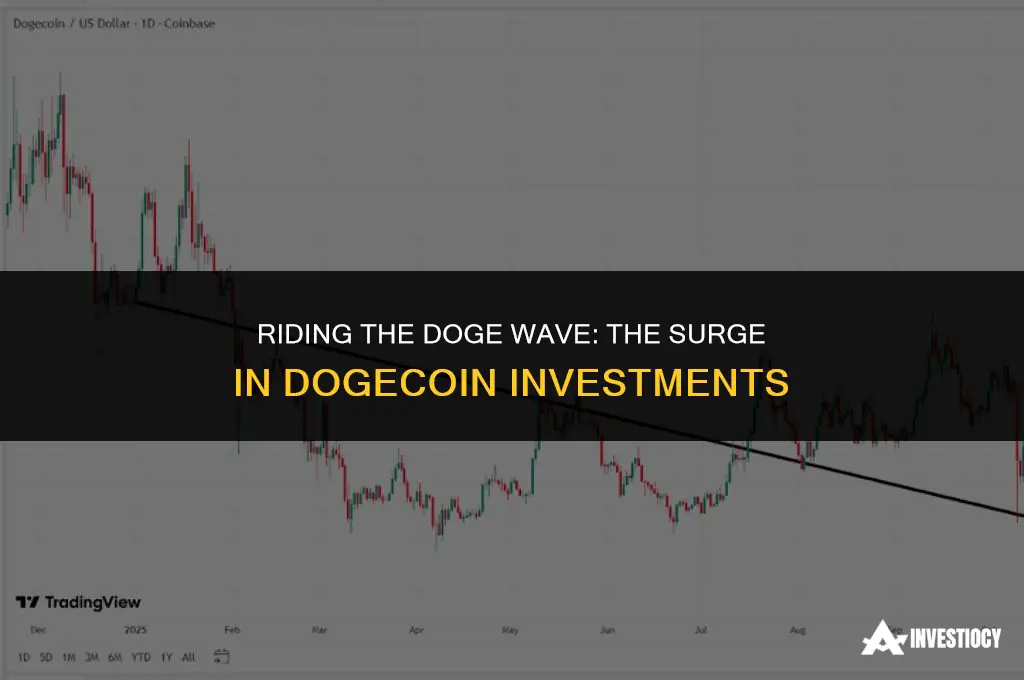
Dogecoin, a cryptocurrency that started as a joke in 2013, has garnered significant attention and investment in recent years. Initially created by software engineers Billy Markus and Jackson Palmer as a lighthearted alternative to Bitcoin, Dogecoin has since evolved into a legitimate investment option for many. Its surge in popularity can be attributed to its low transaction fees, fast processing times, and the strong community support it enjoys. Notably, high-profile endorsements from celebrities like Elon Musk have also played a role in boosting its visibility and appeal. As a result, many people are indeed investing in Dogecoin, viewing it as a potentially lucrative asset in the volatile cryptocurrency market.
Explore related products


What You'll Learn
- Dogecoin's Popularity: Exploring the reasons behind Dogecoin's surge in popularity and its impact on investments
- Market Trends: Analyzing current market trends and how they influence investor decisions regarding Dogecoin
- Investor Profiles: Discussing the types of investors who are attracted to Dogecoin and their investment strategies
- Risk Factors: Evaluating the potential risks associated with investing in Dogecoin and how investors mitigate these risks
- Future Outlook: Speculating on the future of Dogecoin based on expert opinions and market predictions

Dogecoin's Popularity: Exploring the reasons behind Dogecoin's surge in popularity and its impact on investments
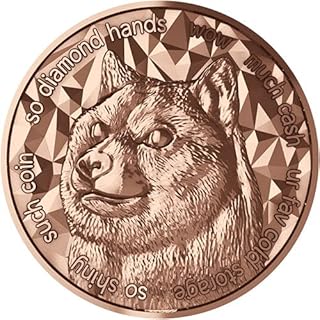
The surge in Dogecoin's popularity can be attributed to several key factors. Initially, Dogecoin was created as a lighthearted alternative to Bitcoin, with its founders intending it to be a more approachable and less intimidating cryptocurrency. This playful branding, complete with a Shiba Inu mascot, resonated with a broad audience, particularly those new to the crypto space. The coin's low price point and the promise of quick gains also attracted many speculative investors.
Social media played a significant role in Dogecoin's rise to fame. Platforms like Reddit and Twitter became breeding grounds for Dogecoin enthusiasts, who shared memes, jokes, and investment tips. The hashtag #DogecoinToTheMoon trended multiple times, further fueling the coin's popularity. Influencers and celebrities, such as Elon Musk, also contributed to the hype, with Musk famously tweeting about Dogecoin and even appearing on Saturday Night Live to discuss it.
Another factor behind Dogecoin's popularity is its perceived potential for high returns. Unlike traditional investments, cryptocurrencies are known for their volatility, and Dogecoin is no exception. Investors who got in early saw substantial gains, which attracted more people to the coin. The fear of missing out (FOMO) on these potential profits drove many to invest in Dogecoin without fully understanding the risks involved.
However, Dogecoin's popularity has also raised concerns about its sustainability and the potential for a bubble. Critics argue that the coin lacks the technological innovation and practical use cases that other cryptocurrencies, like Bitcoin and Ethereum, possess. They warn that the coin's value is largely driven by speculation and hype, which could lead to a sharp decline if investor sentiment shifts.
Despite these concerns, Dogecoin's impact on investments cannot be denied. It has introduced a new wave of investors to the cryptocurrency market, many of whom are now exploring other digital assets. Dogecoin's success has also prompted other meme coins to emerge, creating a new subsector within the crypto market. Whether Dogecoin's popularity is a fleeting trend or a sign of a more significant shift in investment behavior remains to be seen, but its influence on the financial world is undeniable.
Smart Investments: Unveiling the Secrets of Wealthy Portfolios
You may want to see also
Explore related products


Market Trends: Analyzing current market trends and how they influence investor decisions regarding Dogecoin
The cryptocurrency market is known for its volatility and rapid changes, making it crucial for investors to stay abreast of current trends. Dogecoin, a digital currency that started as a joke, has seen significant fluctuations in its value, influenced by various market factors. One of the primary trends affecting Dogecoin is the overall sentiment towards cryptocurrencies. When the market is bullish, with investors optimistic about the future of digital currencies, Dogecoin tends to see an increase in value. Conversely, during bearish periods, when fear and uncertainty dominate, Dogecoin's price often drops.
Another trend impacting Dogecoin is the growing acceptance and adoption of cryptocurrencies by mainstream institutions and individuals. As more companies and individuals invest in or accept Dogecoin as a form of payment, its legitimacy and value proposition are bolstered. This increased adoption can lead to a rise in demand, driving up the price. However, regulatory changes and government policies can also significantly influence Dogecoin's value. For instance, if governments impose strict regulations on cryptocurrency trading or usage, it could deter investors and lead to a decline in Dogecoin's price.
Social media and online communities also play a role in shaping market trends for Dogecoin. Viral tweets, memes, and online discussions can create buzz and drive interest in the cryptocurrency, leading to sudden spikes in its value. However, this influence can be a double-edged sword, as negative sentiment or misinformation can also lead to rapid sell-offs and price drops.
Investors looking to capitalize on Dogecoin's market trends should conduct thorough research and stay informed about the latest developments in the cryptocurrency space. They should also be aware of the risks associated with investing in such a volatile asset and consider diversifying their portfolios to mitigate potential losses. By understanding and analyzing market trends, investors can make more informed decisions about whether and when to invest in Dogecoin.
Securing the Future: Are Middle-Aged Investors On Track?
You may want to see also
Explore related products


Investor Profiles: Discussing the types of investors who are attracted to Dogecoin and their investment strategies
Dogecoin has attracted a diverse range of investors, each with unique profiles and investment strategies. One prominent group is the 'hodlers,' long-term investors who believe in the potential of Dogecoin and are willing to hold onto their assets for extended periods, often years. These investors are typically driven by a strong conviction in the cryptocurrency's future value and are less concerned with short-term market fluctuations.
Another significant segment is the 'traders,' who are more focused on short-term gains. These investors actively monitor market trends and price movements, seeking to capitalize on Dogecoin's volatility. Traders often employ technical analysis tools and strategies, such as moving averages and candlestick charts, to make informed decisions about when to buy or sell.
A smaller but notable group is the 'speculators,' who are drawn to Dogecoin's high-risk, high-reward potential. These investors often have a more aggressive investment strategy, using leverage and margin trading to amplify their returns. Speculators are typically more risk-tolerant and are willing to take on significant exposure to Dogecoin in hopes of substantial profits.
Institutional investors have also begun to show interest in Dogecoin. These entities, which include hedge funds, venture capital firms, and family offices, often have a more diversified investment portfolio and are attracted to Dogecoin as a way to gain exposure to the broader cryptocurrency market. Institutional investors typically employ a more conservative strategy, focusing on long-term growth and risk management.
Lastly, there are the 'newbies,' or novice investors, who are often drawn to Dogecoin due to its popularity and accessibility. These investors may not have a well-defined strategy and are more susceptible to market hype and emotional decision-making. As such, they are often advised to educate themselves on investment principles and risk management before diving into the cryptocurrency market.
In conclusion, Dogecoin has attracted a wide array of investors, each with distinct profiles and strategies. Understanding these different investor types can provide valuable insights into the dynamics of the Dogecoin market and the broader cryptocurrency landscape.
Are Homes People's Biggest Investment? Exploring the Financial Landscape
You may want to see also
Explore related products





Risk Factors: Evaluating the potential risks associated with investing in Dogecoin and how investors mitigate these risks
Investing in Dogecoin carries several inherent risks that potential investors should carefully evaluate. One of the primary risks is the volatility of the cryptocurrency market. Dogecoin, like many other cryptocurrencies, is subject to extreme price fluctuations that can result in significant losses if not managed properly. Investors can mitigate this risk by diversifying their portfolio, setting stop-loss orders, and avoiding emotional trading decisions based on short-term market movements.
Another risk factor is the lack of regulatory oversight. Cryptocurrencies, including Dogecoin, operate in a largely unregulated environment, which can expose investors to potential fraud, market manipulation, and legal uncertainties. To address this risk, investors should conduct thorough research on the platforms and exchanges they use, ensure they comply with local tax and financial regulations, and stay informed about any changes in the regulatory landscape.
Additionally, the security of digital assets is a critical concern. Hacking, phishing scams, and other cyber threats can compromise the safety of Dogecoin holdings. Investors can protect themselves by using secure wallets, enabling two-factor authentication, and being cautious about sharing personal information online. Regularly updating software and staying vigilant about potential security breaches are also essential practices.
Furthermore, the environmental impact of cryptocurrency mining is an emerging risk factor. The energy-intensive process of mining Dogecoin contributes to carbon emissions and can have negative environmental consequences. Investors who are environmentally conscious may consider supporting sustainable mining practices or investing in cryptocurrencies that use more energy-efficient consensus mechanisms.
Lastly, the social and cultural risks associated with investing in Dogecoin should not be overlooked. The cryptocurrency community can be highly speculative and influenced by social media trends, which can lead to irrational investment decisions. Investors should maintain a critical perspective, avoid following the crowd blindly, and base their investment strategies on sound financial principles and risk management techniques.
In conclusion, while investing in Dogecoin can offer potential rewards, it is crucial for investors to be aware of and proactively manage the associated risks. By diversifying their portfolio, staying informed about regulatory changes, prioritizing digital security, considering environmental impacts, and maintaining a rational approach to investment decisions, investors can navigate the complexities of the cryptocurrency market more effectively.
Unlocking Financial Freedom: The Power of Smart Investments
You may want to see also
Explore related products


Future Outlook: Speculating on the future of Dogecoin based on expert opinions and market predictions
As we look ahead to the future of Dogecoin, expert opinions and market predictions paint a complex picture. Some analysts believe that Dogecoin has the potential to continue its upward trajectory, driven by its growing popularity and the increasing acceptance of cryptocurrencies in mainstream finance. They point to the fact that Dogecoin has already demonstrated remarkable resilience, bouncing back from significant dips to reach new highs.
However, others are more cautious, noting that the cryptocurrency market is highly volatile and subject to rapid changes in sentiment. They argue that Dogecoin's value is largely driven by speculation and social media hype, rather than any underlying fundamentals. This, they say, makes it vulnerable to a sudden collapse if investor sentiment were to shift.
In terms of specific predictions, some experts have suggested that Dogecoin could reach a value of $1 or even $10 in the next few years, while others believe it will struggle to maintain its current level. A recent survey of cryptocurrency experts found that the majority believed Dogecoin would reach a value of between $0.50 and $1 by the end of 2024.
One factor that could influence Dogecoin's future is the regulatory environment. As governments around the world grapple with how to regulate cryptocurrencies, any changes in policy could have a significant impact on Dogecoin's value. For example, if regulators were to crack down on cryptocurrencies, it could lead to a decline in Dogecoin's value. On the other hand, if regulators were to provide clearer guidelines and oversight, it could help to legitimize Dogecoin and other cryptocurrencies, potentially leading to increased adoption and investment.
Another factor to consider is the role of Elon Musk, who has been a vocal supporter of Dogecoin. Musk's influence on the cryptocurrency market is significant, and any changes in his stance on Dogecoin could have a major impact on its value. For example, if Musk were to announce that he is no longer supporting Dogecoin, it could lead to a decline in investor confidence and a subsequent drop in value.
Ultimately, the future of Dogecoin is uncertain, and investors should be aware of the risks involved. While some experts believe that Dogecoin has the potential for significant growth, others are more cautious, noting the volatility of the cryptocurrency market and the lack of underlying fundamentals supporting Dogecoin's value. As with any investment, it is important to do your own research and consult with a financial advisor before making any decisions.
The Moral Compass of Investment Bankers: A Closer Look
You may want to see also
Frequently asked questions
Yes, people are still investing in Dogecoin. Despite its volatility, Dogecoin has maintained a level of popularity and interest among investors.
Whether Dogecoin is a good investment depends on individual risk tolerance and investment goals. It's known for its high volatility, which means it can offer high returns but also poses significant risks.
As of my last update in June 2024, the price of Dogecoin was approximately $0.15. However, cryptocurrency prices can fluctuate rapidly, so it's essential to check the current price on a reliable exchange.
Dogecoin differs from Bitcoin in several ways. It was created as a lighthearted, meme-inspired currency, whereas Bitcoin was designed as a serious alternative to traditional money. Dogecoin has a much faster block time and a larger supply, making it more accessible for everyday transactions.
Some potential risks of investing in Dogecoin include its high volatility, lack of regulatory oversight, and susceptibility to market manipulation. Additionally, its value is largely driven by speculation and social media trends, which can lead to sudden and unpredictable price changes.