Laila Keith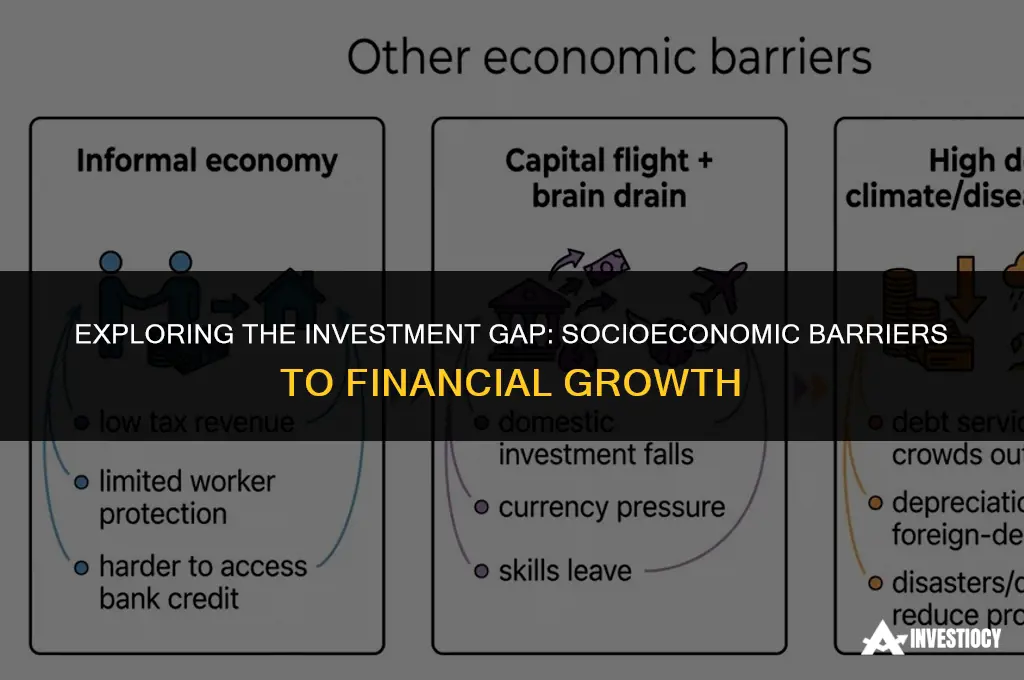
The question of whether poor people are less likely to invest is a complex one, influenced by a multitude of factors including access to financial resources, education, and systemic barriers. On one hand, individuals with limited financial means may struggle to set aside money for investments, as their immediate needs and expenses often take precedence. Additionally, a lack of financial literacy or access to reliable financial advice can deter investment. Systemic issues such as discriminatory lending practices and limited access to financial institutions in underserved communities can also play a significant role. On the other hand, the assumption that poor people are inherently less inclined to invest overlooks the diverse experiences and strategies within low-income communities. Many individuals, regardless of their economic status, engage in informal or alternative forms of investment, such as saving through community-based organizations or investing in small-scale entrepreneurial ventures. Therefore, a nuanced understanding of the intersection between poverty and investment is essential to address the underlying disparities and promote inclusive economic opportunities.
Explore related products



What You'll Learn
- Limited Financial Resources: Poor individuals often lack the disposable income necessary for investments
- Higher Risk Aversion: Those with lower economic status may be more cautious about risking their limited funds
- Lack of Financial Education: Insufficient knowledge about investment options and strategies can deter poor people from investing
- Immediate Financial Needs: Poverty often necessitates prioritizing immediate expenses over long-term investments
- Systemic Barriers: Institutional obstacles, such as high fees or minimum investment requirements, can exclude poor individuals from investment opportunities

Limited Financial Resources: Poor individuals often lack the disposable income necessary for investments
The stark reality is that poverty significantly restricts one's ability to invest. Poor individuals often find themselves in a perpetual cycle of financial struggle, where the majority of their income is allocated to basic necessities such as food, shelter, and healthcare. This leaves little to no disposable income for investments, which are typically seen as a luxury for those with more substantial financial cushions.
Furthermore, the lack of financial resources among the poor is compounded by limited access to financial education and investment opportunities. Without the necessary knowledge and tools to navigate the complex world of finance, many poor individuals are understandably hesitant to invest what little money they have. This fear of the unknown, coupled with the very real risk of losing their hard-earned savings, creates a significant barrier to investment for those living in poverty.
Moreover, the poor often face higher costs for basic financial services, such as banking and insurance, which can further erode their already limited financial resources. This makes it even more challenging for them to set aside money for investments. Additionally, the poor are more likely to be targeted by predatory financial schemes, which can lead to further financial losses and reinforce the notion that investing is not a viable option for them.
In conclusion, the limited financial resources of poor individuals are a significant obstacle to investment. This is not simply a matter of lacking the necessary funds, but also of having limited access to financial education, investment opportunities, and affordable financial services. Addressing these systemic issues is crucial to breaking the cycle of poverty and enabling poor individuals to build wealth through investment.
Is China's Economic Boom a Bubble Waiting to Burst?
You may want to see also
Explore related products


Higher Risk Aversion: Those with lower economic status may be more cautious about risking their limited funds
Individuals with lower economic status often exhibit higher risk aversion when it comes to financial decisions. This behavior is rooted in the reality of having limited funds, which makes the potential loss of money more significant and impactful. For those living paycheck to paycheck or struggling to make ends meet, the idea of risking what little they have can be daunting. This risk aversion can manifest in various ways, such as avoiding investments, preferring low-risk savings options, or being overly cautious in spending decisions.
One of the key reasons behind this risk aversion is the lack of financial cushion. When you have a limited amount of money, the consequences of a financial mistake can be severe. This can lead to a cycle of poverty, where individuals are unable to take advantage of opportunities that could potentially improve their financial situation due to fear of loss. For example, someone with a low income might choose to keep their savings in a low-interest account rather than investing in stocks or mutual funds, which could offer higher returns but also come with greater risk.
Moreover, individuals with lower economic status may have less access to financial education and resources, which can further exacerbate their risk aversion. Without a solid understanding of financial concepts and investment strategies, it's natural to be more cautious. This lack of knowledge can lead to mistrust of financial institutions and advisors, making it even more challenging for individuals to take calculated risks with their money.
Another factor contributing to higher risk aversion among those with lower economic status is the psychological impact of financial stress. Constantly worrying about making ends meet can create a mindset that is more focused on avoiding losses than on potential gains. This stress can lead to a more conservative approach to financial decisions, where the primary goal is to maintain stability rather than to grow wealth.
In conclusion, higher risk aversion among individuals with lower economic status is a complex issue influenced by a variety of factors, including limited financial resources, lack of financial education, and the psychological impact of financial stress. Understanding these factors is crucial in developing strategies to help individuals overcome their risk aversion and make informed financial decisions that can improve their economic situation.
Is Robinhood Still Relevant? A Look at Its Current Status
You may want to see also
Explore related products


Lack of Financial Education: Insufficient knowledge about investment options and strategies can deter poor people from investing
A significant barrier preventing poor individuals from investing is the lack of financial education. Many people from lower-income backgrounds may not have access to the same level of financial literacy as their wealthier counterparts, which can lead to a lack of understanding about investment options and strategies. This knowledge gap can be particularly detrimental, as it may cause individuals to shy away from investing altogether, fearing the potential risks without fully comprehending the benefits and opportunities.
Financial education is crucial in empowering individuals to make informed decisions about their money. Without it, people may be more likely to fall prey to predatory financial schemes or make poor financial choices that perpetuate their economic struggles. For example, a lack of understanding about compound interest and long-term investment growth can lead individuals to prioritize short-term gains or savings over investing in assets that could appreciate in value over time.
To address this issue, it is essential to provide accessible financial education resources to individuals from all socioeconomic backgrounds. This could include community-based workshops, online courses, or even financial literacy programs integrated into school curricula. By equipping people with the knowledge and skills necessary to navigate the investment landscape, we can help level the playing field and provide opportunities for economic mobility.
Moreover, financial institutions and policymakers have a role to play in promoting financial inclusion. By offering investment products and services tailored to the needs and risk profiles of lower-income individuals, and by implementing policies that encourage and support investment among this demographic, we can help bridge the wealth gap and create a more equitable financial system.
In conclusion, the lack of financial education is a significant deterrent to investment among poor people. Addressing this issue through targeted education initiatives and inclusive financial policies can help empower individuals to take control of their financial futures and break the cycle of poverty.
Riding the Doge Wave: The Surge in Dogecoin Investments
You may want to see also
Explore related products

$2.99 $80


Immediate Financial Needs: Poverty often necessitates prioritizing immediate expenses over long-term investments
Individuals living in poverty often face a harsh reality where the pressing needs of today overshadow the potential benefits of tomorrow. This immediate financial pressure can lead to a cycle of prioritizing short-term expenses over long-term investments, perpetuating the struggle to escape poverty. The lack of financial cushion means that unexpected costs, such as medical emergencies or car repairs, can derail any attempts at saving or investing for the future.
The psychological impact of poverty also plays a significant role in this cycle. The constant stress of making ends meet can lead to a state of financial myopia, where the immediate needs become the sole focus, and long-term planning seems like a luxury. This mindset is further reinforced by the lack of access to financial education and resources, which are often more readily available to those who are already financially stable.
Moreover, the structure of many financial systems exacerbates this issue. High-interest rates on short-term loans and credit cards, coupled with the lack of access to affordable banking services, can trap individuals in a cycle of debt. This debt further limits their ability to save or invest, as any available funds are often directed towards servicing these high-cost obligations.
Breaking this cycle requires a multifaceted approach. Financial education programs can help individuals understand the importance of long-term planning and provide them with the tools to manage their finances effectively. Access to affordable banking services and low-interest loans can also play a crucial role in enabling individuals to save and invest for the future. Additionally, policies aimed at addressing the root causes of poverty, such as job training programs and affordable housing initiatives, can help alleviate the immediate financial pressures that prevent individuals from investing in their future.
In conclusion, the prioritization of immediate expenses over long-term investments is a common reality for many individuals living in poverty. This cycle is perpetuated by a combination of financial, psychological, and systemic factors. Addressing these issues requires a comprehensive approach that includes financial education, access to affordable financial services, and policies aimed at reducing poverty. By tackling these challenges, we can help individuals break free from the cycle of poverty and build a more secure financial future.
Exploring the Link Between Education and Investment Tendencies
You may want to see also
Explore related products

Systemic Barriers: Institutional obstacles, such as high fees or minimum investment requirements, can exclude poor individuals from investment opportunities
High fees and minimum investment requirements are significant systemic barriers that prevent poor individuals from accessing investment opportunities. These institutional obstacles create a financial threshold that many low-income individuals cannot meet, effectively excluding them from the potential benefits of investing. For example, mutual funds often have minimum investment requirements that can range from a few hundred to several thousand dollars, which can be prohibitive for those living paycheck to paycheck.
Furthermore, the fees associated with investing can be particularly burdensome for those with limited financial resources. Brokerage fees, management fees, and transaction costs can quickly add up, reducing the overall return on investment and making it less attractive for poor individuals to participate in the market. These fees can also compound over time, further widening the wealth gap between those who can afford to invest and those who cannot.
Another systemic barrier is the lack of financial education and resources available to poor individuals. Without access to quality financial advice and information, many low-income individuals may not even be aware of the investment opportunities available to them or how to navigate the complexities of the financial system. This lack of knowledge can lead to poor financial decisions and further exacerbate the wealth disparity.
To address these systemic barriers, it is essential to implement policies and programs that make investing more accessible and affordable for poor individuals. This could include reducing or eliminating minimum investment requirements, capping fees, and providing financial education and resources to those in need. By taking these steps, we can help level the playing field and give all individuals, regardless of their financial status, the opportunity to build wealth and achieve financial security.
Fear and Finances: Understanding the Hesitance to Invest
You may want to see also
Frequently asked questions
Yes, poor people often have limited financial resources, which can make it difficult for them to invest. They may need to prioritize basic necessities like food, housing, and healthcare over long-term investments.
Yes, poor people may have less access to investment opportunities due to factors like limited education, lack of financial literacy, and restricted access to financial institutions and services.
Poor people may be less able to afford the risks associated with investing, as they have fewer financial resources to fall back on if their investments don't perform well.
Yes, there are programs and initiatives that aim to help poor people invest, such as microfinance programs, community development financial institutions, and financial education programs.
Potential solutions to increase investment among poor people include providing financial education, improving access to financial institutions and services, offering low-risk investment options, and implementing policies that support economic mobility and wealth accumulation for low-income individuals.