Inaya Mclaughlin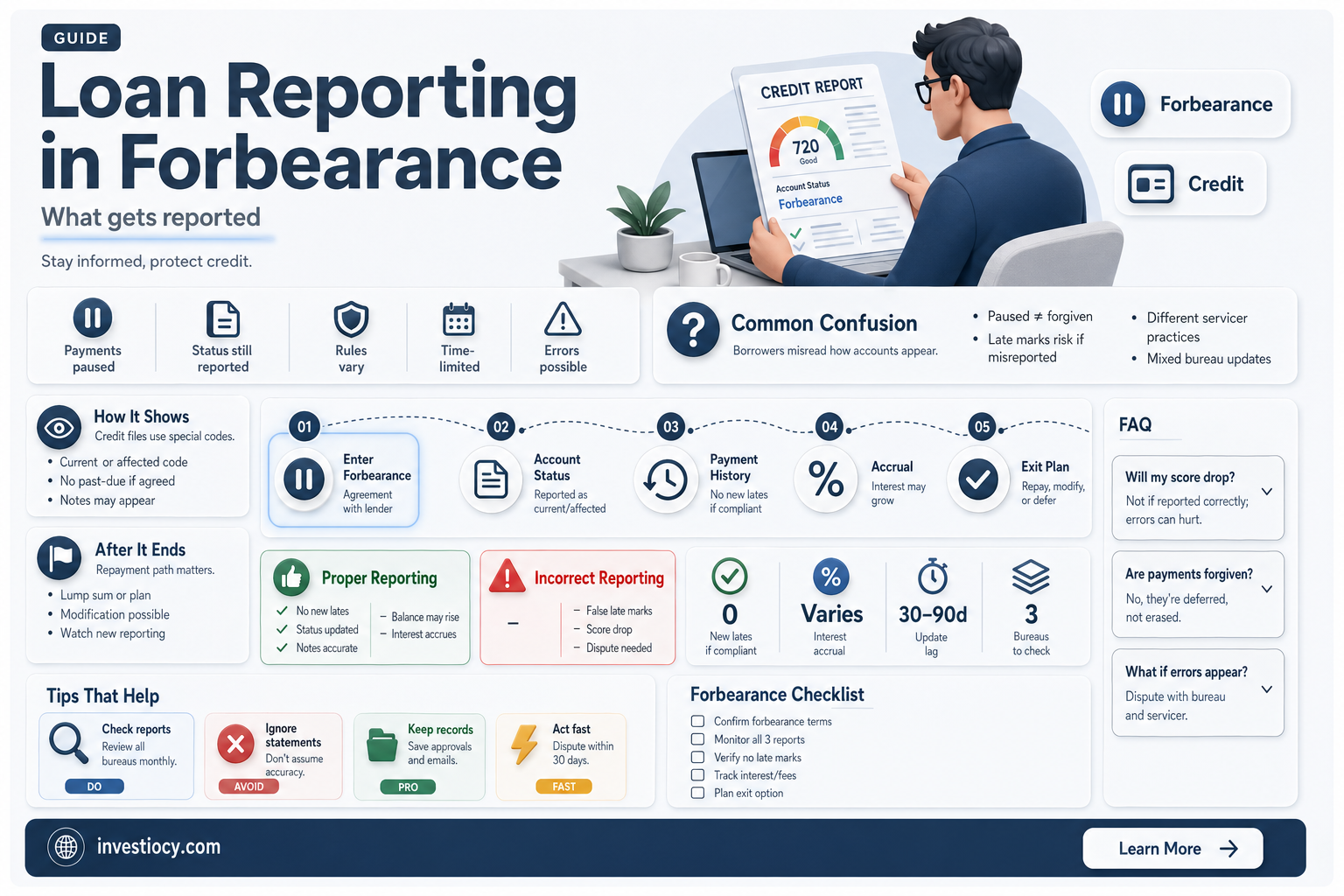
The question of whether loan payments are reported late during a forbearance period is a common concern for borrowers. Forbearance is a temporary suspension or reduction of loan payments, often granted to borrowers facing financial hardship. During this time, it's crucial to understand how loan servicers report payment status to credit bureaus. While forbearance itself does not inherently result in late payments being reported, the specifics can vary based on the lender's policies and the terms of the forbearance agreement. Borrowers should carefully review their agreement and communicate with their loan servicer to ensure they are aware of how their payment status will be reported during the forbearance period.
Explore related products


What You'll Learn
- Impact on Credit Score: Late payments during forbearance can negatively affect your credit score
- Legal Consequences: Understand potential legal actions lenders might take for late payments
- Additional Fees: Late payments may incur extra fees, adding to financial burdens
- Communication with Lender: It's crucial to maintain open communication with your lender regarding payment issues
- Options for Assistance: Explore available options for financial assistance or loan modification programs

Impact on Credit Score: Late payments during forbearance can negatively affect your credit score
Late payments during forbearance can indeed have a detrimental impact on your credit score. When a loan is in forbearance, it means that the lender has temporarily suspended or reduced the borrower's monthly payments. However, this does not mean that the borrower is exempt from making payments altogether. If a borrower fails to make the agreed-upon payments during forbearance, it can be reported as a late payment to the credit bureaus.
The impact of late payments on a credit score can be significant. Credit scores are calculated based on a variety of factors, including payment history, credit utilization, and length of credit history. Late payments can negatively affect the payment history component of the credit score, which is typically the most influential factor in determining a borrower's creditworthiness. A single late payment can drop a credit score by several points, and multiple late payments can lead to a more substantial decrease.
Furthermore, late payments during forbearance can also lead to additional consequences. For example, if a borrower is in forbearance due to financial hardship, such as job loss or medical emergency, and then fails to make payments, it may signal to the lender that the borrower is unable to repay the loan. This could lead to the lender taking further action, such as reporting the loan as delinquent or even initiating foreclosure proceedings.
To avoid the negative impact of late payments during forbearance, it is crucial for borrowers to communicate with their lenders and make the agreed-upon payments on time. Borrowers who are struggling to make payments should reach out to their lenders to discuss potential options, such as loan modification or additional forbearance. By taking proactive steps to manage their loan payments, borrowers can minimize the risk of late payments and protect their credit scores.
State-by-State Variations in Loan Regulations: What You Need to Know
You may want to see also
Explore related products


Legal Consequences: Understand potential legal actions lenders might take for late payments
Lenders have several legal avenues they can pursue when borrowers fail to make timely payments on their loans. One of the initial steps is to send a formal notice of delinquency, which serves as a warning that the borrower is in default of their loan agreement. This notice typically outlines the amount owed, the due date, and any potential consequences of continued non-payment.
If the borrower does not respond or make the required payment, the lender may then report the delinquency to the credit bureaus. This can have a significant impact on the borrower's credit score, making it more difficult for them to obtain credit in the future. In some cases, the lender may also place a lien on the borrower's property or garnish their wages to recover the outstanding debt.
For loans that are secured by collateral, such as mortgages or auto loans, the lender may initiate foreclosure or repossession proceedings. This involves taking legal action to seize the property that was used as security for the loan. The lender will then sell the property at auction and use the proceeds to pay off the outstanding debt.
In the case of unsecured loans, such as credit card debt or personal loans, the lender may file a lawsuit against the borrower to recover the debt. If the lender wins the lawsuit, they may be awarded a judgment that allows them to garnish the borrower's wages or place a lien on their property.
It's important for borrowers to understand that these legal consequences can have a lasting impact on their financial well-being. Not only can they face immediate financial penalties, but they may also experience long-term damage to their credit score and reputation. As such, it's crucial for borrowers to communicate with their lenders and make every effort to repay their debts in a timely manner.
Understanding the Impact of Loan Reports on Your Credit Score
You may want to see also
Additional Fees: Late payments may incur extra fees, adding to financial burdens
Late payments on loans can lead to a cascade of financial repercussions, with additional fees being a significant concern. These fees, often referred to as late payment penalties, can vary widely depending on the lender and the terms of the loan agreement. Typically, they are calculated as a percentage of the overdue amount or as a flat fee. For borrowers already struggling to meet their financial obligations, these extra charges can exacerbate their financial strain, making it more challenging to get back on track.
In the context of loan forbearance, where payments are temporarily suspended or reduced, the risk of incurring late fees may seem diminished. However, it's crucial to understand that forbearance does not equate to forgiveness. Interest continues to accrue during the forbearance period, and if not managed properly, this can lead to a larger balance and potentially higher late fees when regular payments resume. Borrowers must be vigilant about the terms of their forbearance agreement and ensure they understand how and when late fees will be applied.
To mitigate the risk of additional fees, borrowers should prioritize timely communication with their lenders. If facing difficulties in making payments, it's advisable to reach out to the lender before the payment is due to discuss potential options. Many lenders are willing to work with borrowers to find a mutually beneficial solution, such as a temporary reduction in payments or an extension of the due date. Proactive communication can help prevent late fees and maintain a positive relationship with the lender.
Furthermore, borrowers should be aware of their rights and protections under consumer laws. In many jurisdictions, there are regulations that limit the amount and type of fees that lenders can charge. Understanding these laws can empower borrowers to challenge unfair or excessive fees and seek redress if necessary. Additionally, credit counseling agencies can provide valuable guidance and support in managing debt and avoiding late payment pitfalls.
In conclusion, while loan forbearance can offer temporary relief, it's essential for borrowers to remain vigilant about the potential for late fees and take proactive steps to manage their financial obligations. By staying informed, communicating with lenders, and utilizing available resources, borrowers can minimize the risk of additional fees and maintain their financial well-being.
Does Loan Rejection Affect CIBIL Score: Understanding the Impact
You may want to see also
Communication with Lender: It's crucial to maintain open communication with your lender regarding payment issues
Maintaining open communication with your lender is paramount when facing payment issues, especially during periods of forbearance. This proactive approach can prevent misunderstandings and ensure that both parties are aligned on the repayment plan. It's essential to reach out to your lender as soon as you anticipate difficulty in making payments, as this demonstrates your commitment to resolving the issue and can lead to more favorable outcomes.
During forbearance, lenders may not report late payments to credit bureaus, but this doesn't mean that communication is any less important. In fact, it's crucial to discuss any changes in your financial situation or payment schedule with your lender to avoid potential penalties or legal actions. By keeping your lender informed, you can work together to find a solution that suits both parties, such as modifying the repayment plan or exploring other options like loan modification or refinancing.
Effective communication with your lender also involves being transparent about your financial circumstances and providing any necessary documentation to support your claims. This can include proof of income, expenses, or other relevant information that may impact your ability to repay the loan. By being open and honest, you can build trust with your lender and increase the likelihood of a positive resolution.
In addition to regular communication, it's important to stay informed about your rights and responsibilities as a borrower. This includes understanding the terms of your loan agreement, as well as any applicable laws or regulations that may affect your repayment options. By educating yourself on these matters, you can better navigate the complexities of loan repayment and make informed decisions about your financial future.
Ultimately, maintaining open communication with your lender is a key factor in successfully managing payment issues during forbearance. By being proactive, transparent, and informed, you can work towards a mutually beneficial solution and avoid potential pitfalls that could impact your credit score or financial well-being.
Loan Rehabilitation: Your Path to Ending Wage Garnishment
You may want to see also
Options for Assistance: Explore available options for financial assistance or loan modification programs
If you're struggling to make your loan payments due to financial hardship, you may be wondering about your options for assistance. Fortunately, there are several programs and resources available to help borrowers in such situations. One potential option is to explore loan modification programs offered by your lender. These programs can help you modify the terms of your loan, such as reducing your interest rate or extending your repayment term, to make your payments more manageable.
Another option to consider is financial assistance programs provided by government agencies or non-profit organizations. These programs can offer grants, loans, or other forms of financial aid to help you cover your loan payments or other expenses. For example, the U.S. Department of Housing and Urban Development (HUD) offers several programs to assist homeowners who are struggling to make their mortgage payments, such as the Home Affordable Modification Program (HAMP) and the Home Affordable Foreclosure Alternatives (HAFA) program.
In addition to these programs, you may also want to consider reaching out to a housing counseling agency for guidance and support. These agencies can provide you with personalized advice and assistance in navigating the various options available to you. They can also help you develop a budget and financial plan to get back on track.
When exploring these options, it's important to be proactive and reach out for help as soon as possible. The longer you wait, the more difficult it may be to find a solution that works for you. Additionally, be wary of scams and fraudulent schemes that may claim to offer assistance but are actually designed to take advantage of vulnerable borrowers. Always verify the legitimacy of any program or organization before providing personal or financial information.
In conclusion, if you're struggling to make your loan payments, there are several options available to assist you. By exploring loan modification programs, financial assistance programs, and housing counseling agencies, you can find the help you need to get back on track and avoid foreclosure. Remember to act quickly and be cautious of scams to ensure you're getting the best possible assistance.
Frequently asked questions
Typically, loans in forbearance are not reported as late. Forbearance is an agreement with the lender to temporarily suspend or reduce payments, and it usually does not negatively impact the borrower's credit score.
Forbearance itself does not generally affect credit reporting negatively. However, it's crucial to ensure that the lender is reporting the forbearance agreement accurately to the credit bureaus to avoid any potential discrepancies.
Entering into forbearance should not directly cause a decrease in your credit score. However, it's essential to continue making any required payments and to communicate with your lender to ensure that the forbearance is managed appropriately.
If you miss a payment during forbearance, it could potentially be reported as late, depending on the terms of your forbearance agreement. It's crucial to understand and adhere to the agreed-upon terms to avoid any negative impact on your credit.
The duration of forbearance varies depending on the agreement with the lender. After the forbearance period ends, you will typically need to resume making regular payments. It's essential to plan for this transition and communicate with your lender to ensure a smooth repayment process.