Inaya Mclaughlin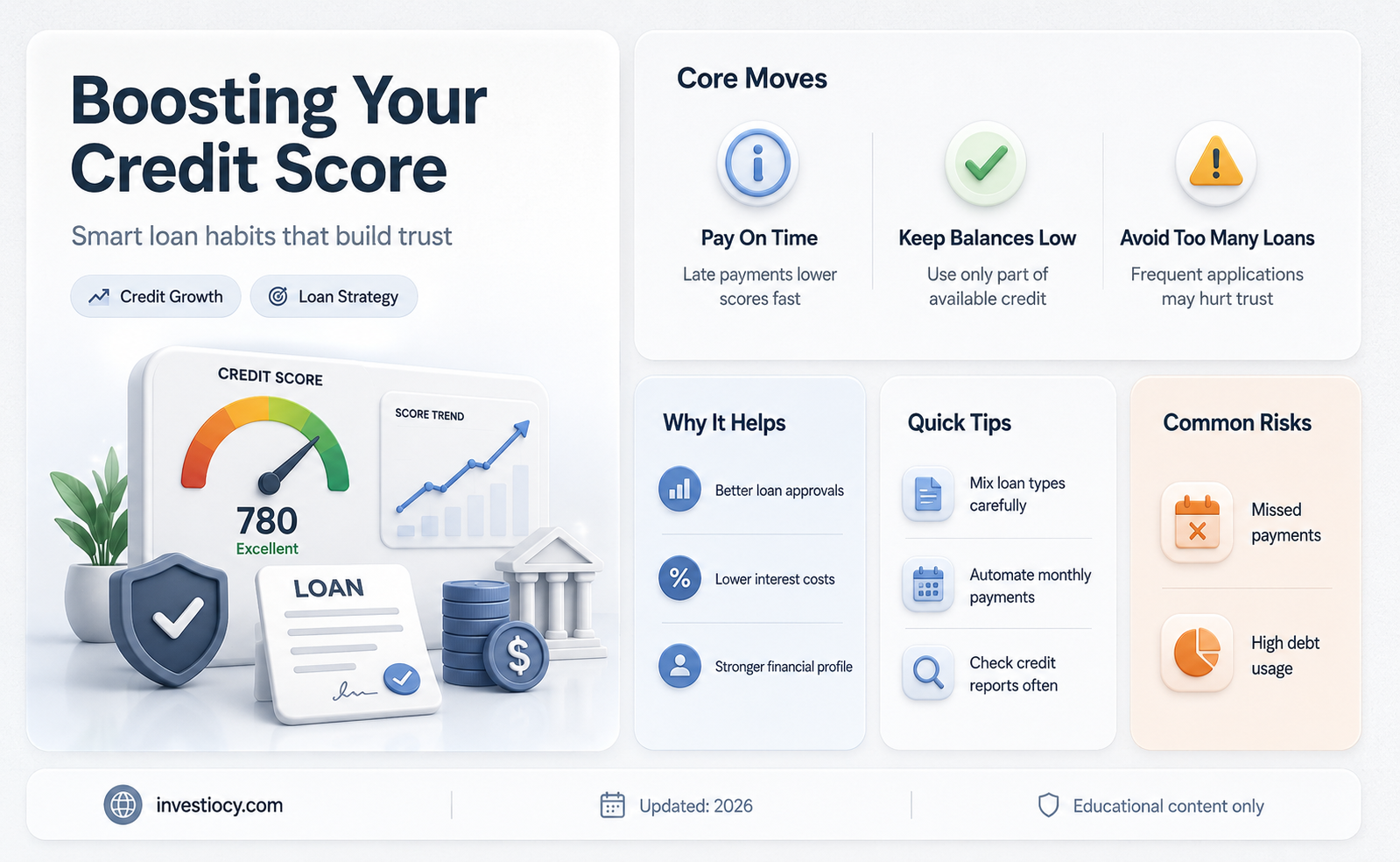
Taking out a loan can have both positive and negative impacts on your credit score. On one hand, if you manage the loan responsibly by making timely payments, it can help build your credit history and demonstrate your ability to handle debt, potentially improving your score over time. On the other hand, if you miss payments or default on the loan, it can significantly damage your credit. Additionally, applying for a loan typically results in a hard credit inquiry, which can temporarily lower your score. Therefore, it's crucial to carefully consider the terms of the loan and your ability to repay it before taking one out to ensure it benefits your credit score rather than harming it.
Explore related products


What You'll Learn
- Loan Types: Different loans (personal, mortgage, auto) impact credit scores uniquely
- Payment History: Timely payments on loans significantly boost credit scores
- Credit Utilization: Loan amounts relative to credit limits affect score
- New Credit: Applying for new loans can temporarily lower credit scores
- Credit Mix: Having a mix of loan types can positively influence credit scores

Loan Types: Different loans (personal, mortgage, auto) impact credit scores uniquely
The impact of loans on credit scores is not a one-size-fits-all scenario. Different types of loans can affect your creditworthiness in unique ways, depending on various factors such as the loan amount, interest rate, repayment term, and the lender's reporting practices. Understanding how each loan type influences your credit score can help you make informed decisions about borrowing and managing your debt.
Personal loans, for instance, can have a significant impact on your credit score. Since they are typically unsecured, lenders may view them as riskier and charge higher interest rates. However, if you have a good credit history and can demonstrate the ability to repay the loan on time, personal loans can help improve your credit score by diversifying your credit mix and showing responsible debt management. On the other hand, late payments or defaults on personal loans can severely damage your credit score.
Mortgage loans, being secured by the property you're purchasing, are generally considered less risky by lenders. As a result, they often come with lower interest rates and longer repayment terms. Mortgages can help build credit over time if you make consistent, on-time payments. However, missing payments or facing foreclosure can have a devastating impact on your credit score. Additionally, the amount of your mortgage debt relative to your income and assets can also influence your creditworthiness.
Auto loans, like mortgages, are secured loans, but they typically have shorter repayment terms and higher interest rates. The impact of an auto loan on your credit score depends on several factors, including the loan amount, interest rate, and your payment history. If you can afford the payments and make them on time, an auto loan can help improve your credit score by demonstrating responsible borrowing and repayment behavior. However, if you struggle to make payments or default on the loan, it can negatively affect your credit score.
In conclusion, different loan types can impact your credit score in unique ways. Personal loans can offer opportunities for credit improvement but also carry higher risks. Mortgages can help build credit over time if managed responsibly, while auto loans can have a significant impact on your credit score depending on the loan terms and your payment history. By understanding how each loan type affects your creditworthiness, you can make more informed borrowing decisions and take steps to maintain or improve your credit score.
Understanding 401(k) Loans: Do They Count as Withdrawals?
You may want to see also
Explore related products


Payment History: Timely payments on loans significantly boost credit scores
Making timely payments on loans is one of the most effective ways to boost your credit score. Payment history accounts for approximately 35% of your FICO credit score, which is the most widely used credit scoring model in the United States. This means that consistently paying your loans on time can have a significant positive impact on your overall creditworthiness.
When you take out a loan, whether it's a personal loan, mortgage, or credit card, your lender will report your payment activity to the three major credit bureaus: Equifax, Experian, and TransUnion. If you make your payments on time, this information will be recorded as positive payment history, which can help to improve your credit score over time. On the other hand, if you make late payments or miss payments altogether, this will be recorded as negative payment history and can significantly damage your credit score.
One of the reasons why timely payments are so important is that they demonstrate to lenders that you are a responsible borrower who is capable of managing your debt obligations. This can make you a more attractive candidate for future loans and credit opportunities, and can also lead to better interest rates and terms.
In addition to making timely payments, it's also important to pay more than the minimum amount due whenever possible. This can help to reduce your overall debt burden and improve your debt-to-income ratio, which is another important factor in determining your credit score. By paying more than the minimum, you can also save money on interest charges over the life of the loan.
If you're struggling to make your loan payments on time, there are several options available to you. You may be able to work with your lender to set up a payment plan or deferment program, or you may be able to consolidate your debt into a single, more manageable loan. It's important to take action as soon as possible if you're having trouble making payments, as late payments can quickly damage your credit score and make it more difficult to obtain credit in the future.
Understanding the Impact of Loans on Life Insurance Premiums
You may want to see also
Explore related products

$9.99


Credit Utilization: Loan amounts relative to credit limits affect score
Credit utilization is a critical factor in determining your credit score. It refers to the percentage of your available credit that you're currently using. For instance, if you have a credit card with a limit of $1,000 and a balance of $300, your credit utilization is 30%. Lenders use this ratio to assess your creditworthiness, as it indicates how well you manage your credit resources.
Maintaining a low credit utilization ratio is generally beneficial for your credit score. It demonstrates to lenders that you're not overextending yourself financially and that you have the capacity to take on additional debt if necessary. A common guideline is to keep your credit utilization below 30%, although the lower it is, the better. This can be achieved by paying off balances in full each month or making more than the minimum payments to reduce outstanding debt.
On the other hand, high credit utilization can negatively impact your score. It may signal to lenders that you're relying too heavily on credit, which could increase the risk of default. If you're using a large portion of your available credit, it may also limit your ability to obtain new credit or loans, as lenders may view you as a higher risk.
It's important to note that credit utilization is just one factor among many that influence your credit score. Other significant factors include your payment history, the length of your credit history, the types of credit you have, and new credit inquiries. However, by managing your credit utilization effectively, you can have a positive impact on your overall credit health.
In summary, credit utilization plays a vital role in your credit score. By keeping your credit usage low relative to your limits, you can demonstrate responsible credit management and potentially improve your creditworthiness. Conversely, high credit utilization can raise concerns among lenders and negatively affect your score. Therefore, it's essential to monitor and manage your credit utilization as part of a broader strategy to maintain a healthy credit profile.
The Impact of Loans on Your Net Worth: A Comprehensive Guide
You may want to see also
Explore related products


New Credit: Applying for new loans can temporarily lower credit scores
Applying for new loans can have a temporary negative impact on your credit score. This is because each time you apply for credit, it results in a hard inquiry on your credit report. Hard inquiries can lower your credit score by a few points, and multiple inquiries in a short period can have a more significant effect. This is particularly true if you are applying for multiple loans or credit cards in a short timeframe, as it may signal to lenders that you are taking on too much debt or are in financial distress.
However, it's important to note that the impact of hard inquiries on your credit score is typically short-lived. In most cases, the points lost due to a hard inquiry will be regained within a few months as long as you continue to make on-time payments and manage your credit responsibly. Additionally, some types of credit applications, such as those for mortgages or auto loans, may have a less significant impact on your credit score than credit card applications.
If you are concerned about the potential impact of applying for new loans on your credit score, there are a few strategies you can use to minimize the effect. First, try to space out your credit applications over time rather than applying for multiple loans or cards at once. Second, consider checking your credit score and report regularly to ensure that there are no errors or inaccuracies that could be negatively impacting your score. Finally, focus on maintaining good credit habits, such as making on-time payments and keeping your credit utilization low, which can help to offset the temporary impact of hard inquiries.
In conclusion, while applying for new loans can temporarily lower your credit score, the impact is usually short-lived and can be mitigated by spacing out applications and maintaining good credit habits. It's important to weigh the potential benefits of taking on new credit against the temporary impact on your credit score and to make informed decisions about when and how to apply for new loans.
Explore related products


Credit Mix: Having a mix of loan types can positively influence credit scores
A diverse credit mix can be a powerful tool in building a strong credit profile. By having a combination of different loan types, such as installment loans, revolving credit, and mortgages, individuals can demonstrate their ability to manage various forms of credit responsibly. This diversity can positively influence credit scores by showing lenders that the borrower has experience with different credit structures and can handle them effectively.
For example, having a credit card (revolving credit) and a car loan (installment loan) can provide a more comprehensive picture of a person's creditworthiness than having only one type of credit. Lenders look favorably upon borrowers who can juggle multiple credit obligations without missing payments or accumulating excessive debt. This mix can also help in situations where a person is trying to recover from a financial setback, as it provides multiple avenues to demonstrate improved financial behavior.
However, it's important to note that simply having a mix of loan types is not enough. The key is to manage these loans responsibly by making timely payments, keeping credit utilization low, and avoiding excessive borrowing. A well-managed credit mix can lead to better credit scores, which in turn can result in more favorable loan terms, lower interest rates, and increased financial opportunities.
In conclusion, a credit mix can be a valuable asset in building and maintaining a healthy credit score. By understanding the benefits of having different loan types and managing them wisely, individuals can position themselves for greater financial success and flexibility.
Frequently asked questions
Yes, taking a loan can help improve your credit score if you manage it responsibly. Making timely payments on a loan demonstrates to lenders that you are a reliable borrower, which can positively impact your credit score over time.
The type of loan can have different impacts on your credit score. For example, secured loans like mortgages or auto loans may have a more significant positive impact compared to unsecured loans like credit cards or personal loans. However, the most important factor is making consistent, on-time payments regardless of the loan type.
Applying for a loan typically results in a hard credit inquiry, which can temporarily lower your credit score by a few points. However, this impact is usually short-lived, and your score can recover quickly if you continue to manage your credit responsibly.
Besides taking a loan, other factors that influence your credit score include your payment history, credit utilization ratio, length of credit history, types of credit accounts, and new credit inquiries. Maintaining a good mix of credit types, keeping your credit utilization low, and avoiding late payments can all contribute to a higher credit score.