Josephine Norton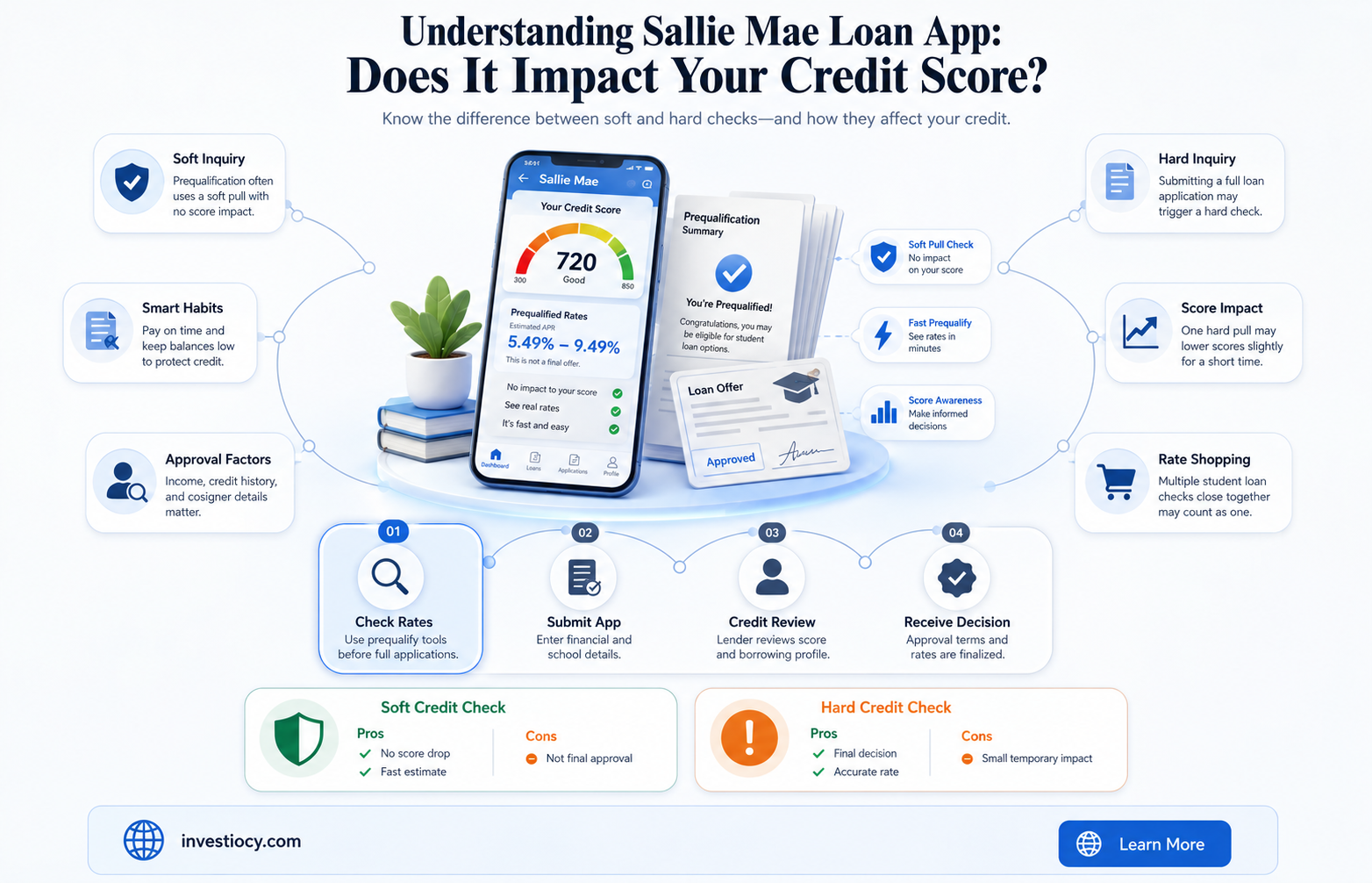
The Sallie Mae loan application process is a crucial aspect for potential borrowers seeking financial aid for education. One key concern for applicants is whether the loan application will result in a hard inquiry on their credit report. A hard inquiry can potentially impact an individual's credit score, making it an important consideration when applying for loans. In this context, understanding the specifics of Sallie Mae's loan application process and its implications on credit reports is essential for making informed decisions about educational financing.
Explore related products


What You'll Learn

What is a hard inquiry?
A hard inquiry, also known as a hard credit check, is a type of credit inquiry that occurs when a lender or creditor checks your credit report to evaluate your creditworthiness. This typically happens when you apply for a loan, credit card, or other form of credit. Hard inquiries can have a temporary impact on your credit score, usually resulting in a small decrease. However, the impact is generally short-lived, and your score will often recover within a few months as long as you continue to manage your credit responsibly.
In the context of the Sallie Mae loan application, it's important to understand that applying for a loan through Sallie Mae will likely result in a hard inquiry on your credit report. This is because Sallie Mae, like most lenders, uses credit checks to assess the risk of lending to you. If you're concerned about the potential impact of a hard inquiry on your credit score, it may be helpful to know that Sallie Mae offers a pre-qualification tool that allows you to check your eligibility for a loan without triggering a hard inquiry.
It's also worth noting that while hard inquiries can have a temporary impact on your credit score, they are a necessary part of the lending process. Lenders use the information obtained from credit checks to make informed decisions about whether to extend credit to you and at what terms. By understanding how hard inquiries work and their potential impact, you can make more informed decisions about when and how to apply for credit.
In summary, a hard inquiry is a credit check that occurs when you apply for credit, and it can have a temporary impact on your credit score. In the case of the Sallie Mae loan application, a hard inquiry is likely to be triggered, but the lender also offers a pre-qualification tool that allows you to check your eligibility without affecting your credit score.
Unraveling the Mystery: Missing Documents and Their Impact on Nelnet Loans
You may want to see also
Explore related products


Does Sallie Mae perform hard inquiries?
Sallie Mae, a prominent provider of student loans, does perform hard inquiries when processing loan applications. A hard inquiry occurs when a lender checks your credit report to evaluate your creditworthiness. This type of inquiry can have a temporary impact on your credit score, typically resulting in a small decrease.
It's important to note that Sallie Mae's hard inquiries are a standard part of the loan application process. They use this information to assess the risk associated with lending to you and to determine the terms of your loan, including the interest rate. If you're concerned about the impact of hard inquiries on your credit score, it's advisable to limit the number of loan applications you submit within a short period.
However, Sallie Mae also offers a feature called "Rate Match," which allows you to pre-qualify for a loan without a hard inquiry. This can be a useful tool if you're shopping around for the best loan terms and want to avoid unnecessary hits to your credit score. Keep in mind that pre-qualification doesn't guarantee loan approval, but it can give you an idea of the rates and terms you might be eligible for.
In summary, while Sallie Mae does perform hard inquiries as part of their loan application process, they also provide options like Rate Match to help applicants minimize the impact on their credit scores. It's essential to be aware of these practices and to manage your loan applications carefully to maintain a healthy credit profile.
Understanding Payroll Protection Loans: Repayment Requirements Explained
You may want to see also
Explore related products


How does a hard inquiry affect credit scores?
A hard inquiry occurs when a lender or creditor checks your credit report to evaluate your creditworthiness, typically when you apply for a loan, credit card, or other form of credit. This type of inquiry can have a noticeable impact on your credit scores, particularly if you have a limited credit history or a high number of recent inquiries.
The impact of a hard inquiry on your credit scores is typically more significant in the short term, with the effects diminishing over time. According to the three major credit bureaus (Equifax, Experian, and TransUnion), a single hard inquiry can lower your credit score by around 5-10 points. However, this decrease is usually temporary and will not have a long-lasting impact on your creditworthiness if you manage your credit responsibly.
It's important to note that not all credit checks result in a hard inquiry. For example, when you check your own credit report or score, it is considered a soft inquiry and does not affect your credit scores. Similarly, pre-approved credit offers and certain types of employment background checks may also result in soft inquiries.
To minimize the impact of hard inquiries on your credit scores, it's essential to be strategic about when and how you apply for credit. Consider limiting your applications to only those that are necessary and spacing them out over time to reduce the cumulative effect of multiple inquiries. Additionally, regularly monitoring your credit reports and scores can help you identify any errors or discrepancies that may be negatively impacting your creditworthiness.
In the context of the Sallie Mae loan application, it's crucial to understand that applying for a loan may result in a hard inquiry, which could potentially affect your credit scores. However, if you are in need of a loan and have a strong credit history, the impact of a single hard inquiry is likely to be minimal and temporary. As with any credit application, it's important to weigh the potential benefits of the loan against the potential drawbacks of a hard inquiry and to make informed decisions about your financial future.
Understanding Paycheck Protection Loans: Repayment Requirements Explained
You may want to see also
Explore related products





Are there alternatives to hard inquiries?
In the realm of credit checks, hard inquiries are often seen as a necessary evil. They can, however, have a negative impact on one's credit score, which may lead individuals to seek alternatives. One such alternative is a soft inquiry, which allows lenders to view a person's credit report without affecting their score. This can be particularly useful for those who are in the process of shopping for loans or credit cards and want to minimize the impact on their credit.
Another option is to use a credit monitoring service that provides regular updates on one's credit report and score. This can help individuals stay informed about their credit health and identify any potential issues before they become major problems. Additionally, some lenders offer pre-qualification options that do not require a hard inquiry, allowing borrowers to get an idea of their loan eligibility without committing to a full application.
For those who are concerned about the impact of hard inquiries on their credit, it's important to be strategic about when and how they apply for credit. Limiting the number of applications and spacing them out over time can help minimize the negative effects. Furthermore, maintaining good credit habits, such as making on-time payments and keeping credit utilization low, can help offset the impact of hard inquiries and improve overall credit health.
In conclusion, while hard inquiries are sometimes unavoidable, there are alternatives and strategies that can help mitigate their impact on one's credit score. By being proactive and informed, individuals can take steps to protect their credit and make informed decisions about their financial future.
Exploring EIDL Loans in the Latest Stimulus Package: What You Need to Know
You may want to see also
Explore related products


How to minimize the impact of hard inquiries?
To minimize the impact of hard inquiries, it's crucial to understand what they are and how they affect your credit score. A hard inquiry occurs when a lender, like Sallie Mae, checks your credit report to evaluate your creditworthiness for a loan. This can result in a temporary drop in your credit score. To mitigate this effect, consider the following strategies:
First, limit the number of hard inquiries by only applying for credit when necessary. If you're shopping for a loan, try to complete your applications within a short period, as multiple inquiries within a few weeks are often counted as one. Additionally, consider using a credit monitoring service to keep track of your credit report and score, which can help you identify any unauthorized inquiries and take action to remove them.
Another strategy is to maintain a good credit utilization ratio, which is the percentage of your available credit that you're using. Keeping this ratio low can help offset the negative impact of hard inquiries on your credit score. You can also focus on making timely payments and reducing debt to improve your overall credit health.
If you're concerned about the impact of hard inquiries, you may want to consider alternative lending options that don't require a hard credit check, such as peer-to-peer lending or credit unions. However, be cautious of high-interest rates and fees associated with these options.
In summary, minimizing the impact of hard inquiries involves being mindful of your credit applications, maintaining good credit habits, and exploring alternative lending options when necessary. By taking these steps, you can reduce the negative effects of hard inquiries on your credit score and overall financial health.
Exploring Military Benefits: College Loan Forgiveness Options
You may want to see also
Frequently asked questions
Yes, the Sallie Mae loan application process typically involves a hard credit inquiry. This is because Sallie Mae, like many other lenders, uses credit scores to evaluate the creditworthiness of applicants. A hard inquiry is necessary to obtain a credit report and score from the credit bureaus.
A hard credit inquiry can have a temporary impact on your credit score, potentially lowering it by a few points. This is because credit scoring models consider the number of recent hard inquiries when calculating your score. However, the impact is usually minimal and short-lived, and your score should recover within a few months.
Yes, there are some alternative lenders that offer student loans without requiring a hard credit inquiry. These lenders may use other factors, such as income and employment history, to evaluate creditworthiness. However, it's important to note that these alternatives may have different eligibility requirements and loan terms compared to Sallie Mae.
Yes, you can check your own credit score without triggering a hard inquiry by requesting a free credit report from the credit bureaus or using a credit monitoring service. This is known as a soft inquiry and does not have any impact on your credit score.
To minimize the impact of hard inquiries on your credit score, it's generally recommended to limit the number of credit applications you submit within a short period of time. Credit scoring models typically consider inquiries made within the past 12 to 24 months. Therefore, spacing out your credit applications and only applying when necessary can help reduce the negative impact on your score.