 Josephine Norton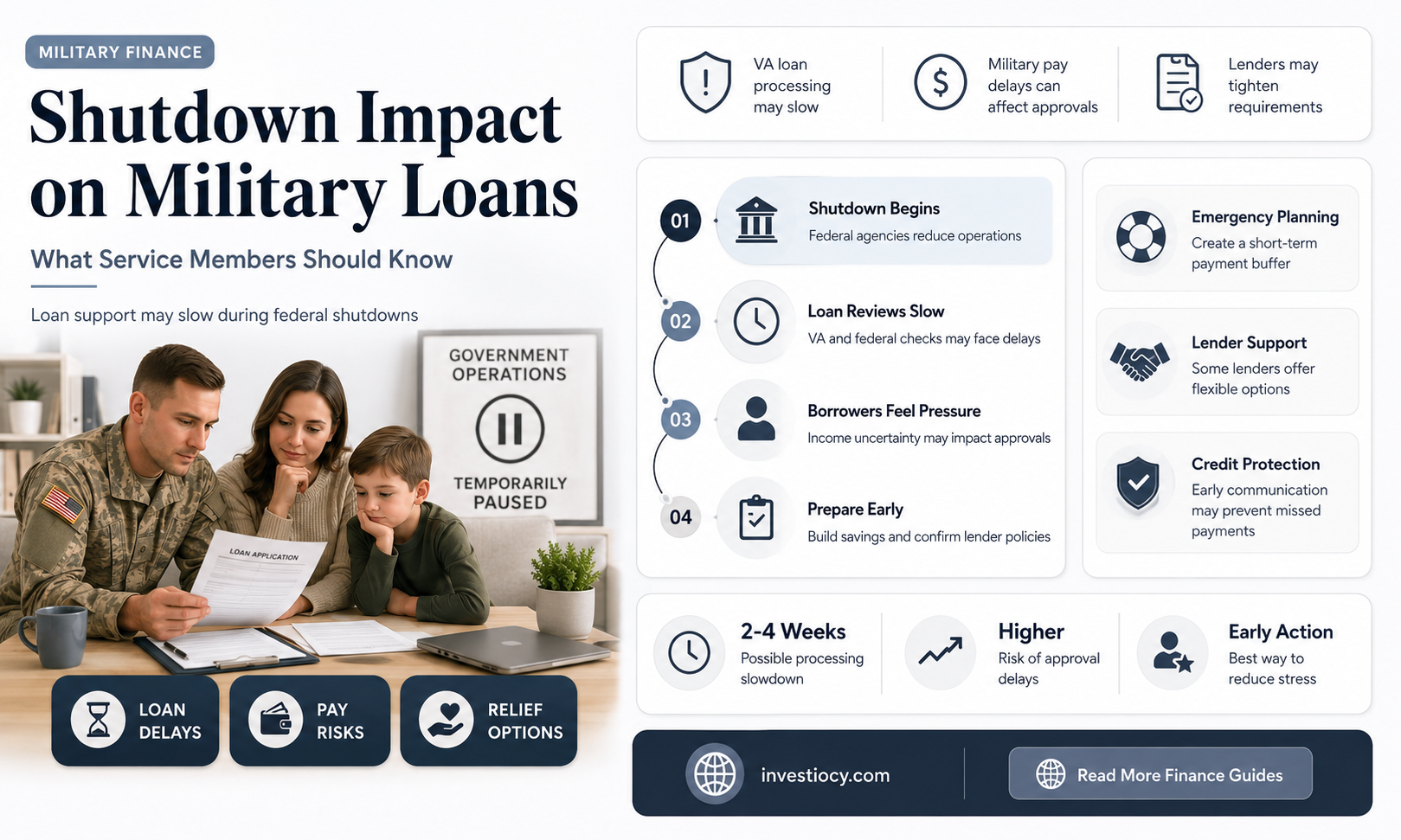
The recent shutdown has sparked concerns about its impact on various sectors, including the military. One pressing question is whether the shutdown will affect military loans. To address this, it's essential to understand the nature of military loans and how they are funded. Military loans, such as the GI Bill, are typically backed by the federal government and are designed to support veterans and active-duty service members in their educational and housing needs. Since these loans are federally funded, any disruption in government operations, such as a shutdown, could potentially delay or impact the processing and disbursement of these funds. However, it's important to note that essential services, including some military support functions, are often deemed critical and may continue to operate during a shutdown. Therefore, while there may be some temporary disruptions, the long-term impact on military loans is likely to be minimal.
Explore related products


What You'll Learn
- Impact on Loan Repayments: How the shutdown affects the repayment schedules and obligations for military personnel
- Availability of New Loans: Whether military members can apply for and receive new loans during the shutdown
- Interest Rates and Fees: Any changes to interest rates or fees on existing or new military loans
- Support Services: The availability of financial counseling and support services for military members during the shutdown
- Long-term Financial Implications: Potential long-term effects on military members' credit scores and financial stability

Impact on Loan Repayments: How the shutdown affects the repayment schedules and obligations for military personnel
The shutdown has a direct impact on loan repayments for military personnel, particularly those who are furloughed or experiencing a reduction in pay. During a shutdown, many military personnel may find themselves without a paycheck, which can make it challenging to meet their financial obligations, including loan repayments. This can lead to missed payments, late fees, and potential damage to their credit scores.
For those who are still receiving pay, the shutdown may still affect their loan repayments indirectly. For example, if they are required to work longer hours or take on additional duties to cover for furloughed colleagues, they may have less time to manage their finances and make timely loan payments. Additionally, the uncertainty and stress of the shutdown may lead to financial anxiety, which can impact their ability to make sound financial decisions.
It's important for military personnel to be aware of their options when it comes to loan repayments during a shutdown. Many lenders offer hardship programs or temporary payment reductions for those who are experiencing financial difficulty. Military personnel should reach out to their lenders to discuss their options and work out a plan that fits their individual circumstances.
In addition to exploring options with their lenders, military personnel can also take steps to manage their finances during a shutdown. This may include creating a budget, prioritizing essential expenses, and looking for ways to reduce spending. They may also want to consider seeking assistance from military aid societies or other organizations that provide financial support to military families.
Ultimately, the key to managing loan repayments during a shutdown is to be proactive and communicate with lenders and other financial institutions. By taking steps to manage their finances and exploring available options, military personnel can minimize the impact of the shutdown on their loan repayments and financial well-being.
Understanding Private Loans: Who Receives the Funds?
You may want to see also
Explore related products


Availability of New Loans: Whether military members can apply for and receive new loans during the shutdown
During a government shutdown, one of the critical concerns for military members is the availability of new loans. This is particularly pressing for those who rely on these financial instruments to cover essential expenses or manage their finances. The shutdown can disrupt the normal processing and approval of loans, leaving military personnel in a state of uncertainty.
The impact of a shutdown on loan availability can vary depending on the specific type of loan and the agency responsible for its administration. For instance, loans that are directly backed by the government, such as VA home loans, may experience delays or disruptions in processing. This is because the staff responsible for handling these loans may be furloughed or operating with limited resources during a shutdown.
However, it's important to note that not all loans are equally affected. Private lenders, such as banks and credit unions, may continue to offer and process loans as usual, albeit with potential delays due to reduced government support and guidance. Military members seeking new loans during a shutdown should explore options with private lenders who may be less impacted by the government's operational status.
Another consideration is the potential for changes in loan terms or interest rates during a shutdown. Lenders may adjust their offerings in response to the economic uncertainty caused by the shutdown, which could result in higher costs for borrowers. Military members should carefully review and compare loan terms from different lenders to ensure they are getting the best possible deal.
In summary, while a government shutdown can disrupt the availability of new loans for military members, there are still options available. By understanding the specific impacts on different types of loans and exploring alternatives with private lenders, military personnel can navigate the financial challenges posed by a shutdown.
Exploring EIDL Loans in the Latest Stimulus Package: What You Need to Know
You may want to see also
Explore related products



Interest Rates and Fees: Any changes to interest rates or fees on existing or new military loans
During a government shutdown, one of the critical concerns for military personnel is the potential impact on their financial obligations, particularly loans. Interest rates and fees on existing or new military loans could be subject to change, which may affect the overall cost of borrowing. It is essential for service members to understand how these changes might influence their financial planning and loan management strategies.
In the event of a shutdown, the Servicemembers Civil Relief Act (SCRA) provides certain protections for military personnel regarding their financial obligations. This act may cap interest rates on pre-existing debts, including loans, at 6% per annum during the period of military service. However, this protection does not necessarily apply to new loans taken out during the shutdown. Service members should carefully review the terms and conditions of any new loan agreements to ensure they are not subject to exorbitant interest rates or fees.
Moreover, the shutdown could lead to delays in the processing of loan applications and disbursements. This could be particularly problematic for service members who are in urgent need of funds. It is advisable for military personnel to explore alternative lending options or financial assistance programs that may be available during a shutdown. Credit unions, for example, often offer more favorable terms and conditions for military members and may be less affected by the shutdown.
Another important consideration is the potential impact of a shutdown on credit scores. Late payments or missed payments on loans during a shutdown could negatively affect a service member's credit score. It is crucial for military personnel to maintain open lines of communication with their lenders and to make timely payments whenever possible. In some cases, lenders may offer temporary relief or forbearance options to help service members manage their loan payments during a shutdown.
In conclusion, while the SCRA provides some protections for military personnel regarding interest rates and fees on existing loans, service members should remain vigilant about the potential impact of a government shutdown on their financial obligations. By understanding their rights and exploring alternative lending options, military personnel can better navigate the challenges posed by a shutdown and ensure their financial stability.
Understanding Payroll Protection Loans: Repayment Requirements Explained
You may want to see also
Explore related products


Support Services: The availability of financial counseling and support services for military members during the shutdown
During a government shutdown, military members may face unique financial challenges, and accessing support services becomes crucial. Financial counseling services are often available to help military personnel manage their finances, reduce debt, and navigate the complexities of military pay and benefits. These services can provide personalized advice on budgeting, saving, and investing, as well as assistance with understanding the impact of the shutdown on military loans and other financial obligations.
One key resource for military members is the Military Financial Readiness Program, which offers free financial counseling and education. This program can help service members develop a budget, manage credit, and make informed financial decisions. Additionally, many military installations have Family Readiness Centers that provide financial assistance and resources to military families. These centers can offer emergency financial aid, food assistance, and other support services to help military families cope with the financial strain of a shutdown.
Another important support service is the Military Assistance Program, which provides confidential financial counseling and assistance to military members and their families. This program can help with budgeting, debt management, and financial planning, and can also provide emergency financial assistance in some cases. Furthermore, military credit unions and banks often offer special programs and services to military members, such as low-interest loans, financial counseling, and debt management assistance.
It is essential for military members to be aware of these support services and to take advantage of them during a government shutdown. By seeking financial counseling and assistance, military personnel can better manage their finances, reduce stress, and ensure their financial stability during challenging times.
Exploring Military Benefits: College Loan Forgiveness Options
You may want to see also
Explore related products

Long-term Financial Implications: Potential long-term effects on military members' credit scores and financial stability
The shutdown's impact on military loans can have far-reaching consequences for service members' financial health. One significant concern is the potential damage to credit scores, which can affect military personnel's ability to secure loans, mortgages, and other forms of credit in the future. Late or missed payments on loans during the shutdown can lead to negative marks on credit reports, which may take years to recover from.
Furthermore, the financial stability of military members may be compromised due to the shutdown. With loans and other financial obligations put on hold, service members may struggle to make ends meet, especially if they are not receiving their regular paychecks. This can lead to a cycle of debt and financial hardship that can be difficult to break free from.
In addition to the direct financial impacts, the shutdown can also have indirect effects on military members' careers. For example, if service members are unable to make payments on loans for education or training, they may be forced to delay or cancel their plans, which can hinder their professional development and advancement opportunities.
To mitigate these long-term financial implications, military members should take proactive steps to manage their finances during the shutdown. This may include reaching out to lenders to discuss payment options, creating a budget to prioritize essential expenses, and seeking financial counseling from military support organizations. By taking these steps, service members can help protect their credit scores and financial stability, even in the face of uncertainty.
Understanding Paycheck Protection Loans: Repayment Requirements Explained
You may want to see also
Frequently asked questions
Yes, the government shutdown can impact military loans, particularly those processed through government-sponsored programs. During a shutdown, some loan processing may be delayed or halted, affecting service members' ability to secure financing.
VA loans, which are guaranteed by the Department of Veterans Affairs, may also be impacted by a government shutdown. While the VA may continue to process some loans, delays and disruptions are possible, especially if the shutdown is prolonged.
In some cases, active-duty military members may be granted exceptions or special considerations during a government shutdown. However, this can vary depending on the specific circumstances and the duration of the shutdown.
Military personnel can prepare for potential loan disruptions by staying informed about the shutdown's status, exploring alternative financing options, and maintaining open communication with their lenders. It's also advisable to have a financial contingency plan in place to account for any unexpected delays or changes.
