 Laila Keith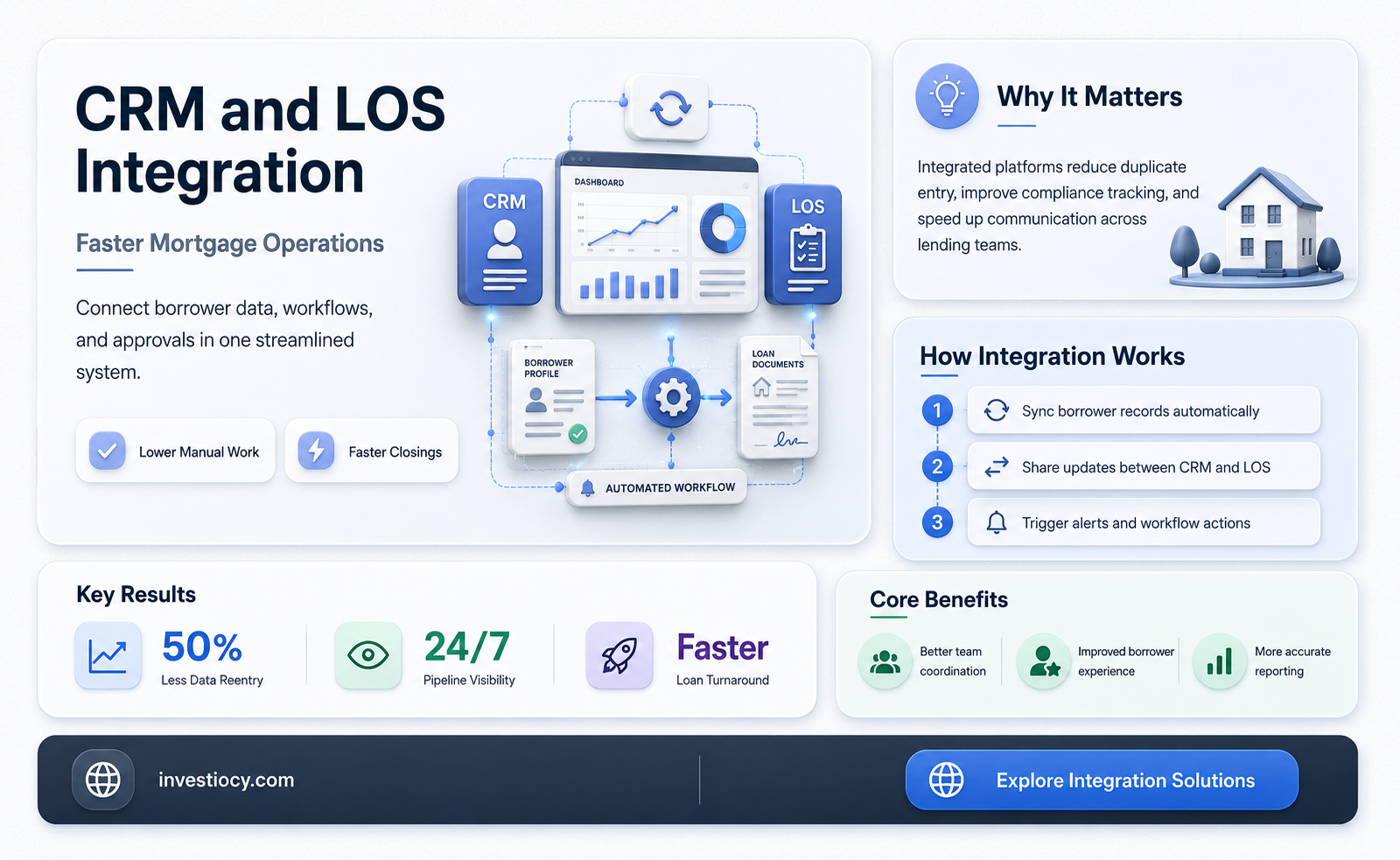
Mortgage CRM (Customer Relationship Management) systems are designed to help lenders manage their customer interactions and streamline the loan process. Integration with a Loan Origination System (LOS) is a crucial aspect of this, as it allows for seamless data transfer and automation between the two platforms. This integration can improve efficiency, reduce errors, and enhance the overall borrower experience. By combining the capabilities of a CRM with the functionalities of an LOS, lenders can effectively manage leads, track loan progress, and maintain strong customer relationships throughout the lending process.
Explore related products


What You'll Learn
- Data Synchronization: Ensures seamless data flow between the mortgage CRM and LOS systems
- Automated Workflows: Streamlines loan processing by automating repetitive tasks and approvals
- Customer Communication: Enhances borrower engagement through timely updates and personalized interactions
- Compliance Management: Helps maintain regulatory compliance by tracking and updating loan documentation
- Analytics and Reporting: Provides insights into loan performance and pipeline management for better decision-making

Data Synchronization: Ensures seamless data flow between the mortgage CRM and LOS systems
Data synchronization is a critical component of integrating a mortgage CRM (Customer Relationship Management) system with an LOS (Loan Origination System). It ensures that data flows seamlessly between the two systems, reducing the risk of errors and improving efficiency. This process involves setting up a secure and reliable connection between the CRM and LOS databases, allowing for real-time updates and data exchanges.
One of the key benefits of data synchronization is that it eliminates the need for manual data entry. This not only saves time but also reduces the likelihood of human error. For instance, when a new lead is entered into the CRM, the system can automatically create a corresponding record in the LOS, ensuring that all relevant information is captured and updated in both systems simultaneously.
Another important aspect of data synchronization is data consistency. By ensuring that both systems have access to the same, up-to-date information, data synchronization helps to prevent discrepancies that could lead to issues down the line. For example, if a borrower's credit score is updated in the CRM, that change should be reflected in the LOS to ensure accurate loan pricing and underwriting decisions.
Data synchronization also plays a crucial role in reporting and analytics. With synchronized data, mortgage lenders can generate comprehensive reports that provide insights into their business operations. These reports can help lenders identify trends, track performance metrics, and make informed decisions about their lending strategies.
In summary, data synchronization is essential for a successful integration of a mortgage CRM with an LOS. It ensures that data is accurate, consistent, and up-to-date across both systems, which is vital for efficient loan processing and informed decision-making. By automating data entry and maintaining data consistency, data synchronization helps mortgage lenders streamline their operations and improve their overall performance.
Decoding Modern Mortgages: Insights from Jared Vennett
You may want to see also
Explore related products


$9.99 $19.99


Automated Workflows: Streamlines loan processing by automating repetitive tasks and approvals
In the realm of mortgage lending, efficiency is paramount. Automated workflows have emerged as a game-changer, revolutionizing the loan processing landscape by taking over repetitive tasks and approvals. This integration of automation within Mortgage CRM (Customer Relationship Management) systems and Loan Origination Systems (LOS) is not just a technological upgrade; it's a strategic move towards enhancing productivity and customer satisfaction.
The first step in understanding the impact of automated workflows is to recognize the bottlenecks they address. Traditional loan processing is often mired in manual data entry, document handling, and approval waiting times. Automation targets these inefficiencies directly. By setting up workflows that can automatically extract data from documents, populate forms, and route applications through predefined approval stages, lenders can significantly reduce processing times. This not only speeds up the loan disbursement process but also minimizes the risk of human error, ensuring greater accuracy in loan assessments.
Moreover, automated workflows facilitate better communication and collaboration among different departments within a lending institution. For instance, when an application is submitted, the system can automatically notify relevant teams, such as underwriting and compliance, to begin their respective reviews. This parallel processing capability ensures that all necessary checks are completed simultaneously, rather than sequentially, further expediting the overall process.
Another critical aspect of automated workflows is their adaptability. Lenders can customize these workflows to fit their specific operational needs and regulatory requirements. This flexibility allows institutions to stay compliant with changing regulations while maintaining a high level of efficiency. For example, if a new regulatory requirement is introduced, the workflow can be modified to include additional compliance checks without disrupting the existing process.
In conclusion, the integration of automated workflows within Mortgage CRM and LOS is a pivotal step towards modernizing the loan processing industry. By automating repetitive tasks and approvals, lenders can achieve faster processing times, higher accuracy, and better compliance, all of which contribute to a more efficient and customer-friendly lending experience.
Boosting Economic Growth: The Role of Mortgage-Backed Securities
You may want to see also
Explore related products


Customer Communication: Enhances borrower engagement through timely updates and personalized interactions
Effective customer communication is pivotal in the mortgage industry, particularly when integrating a Customer Relationship Management (CRM) system with a Loan Origination System (LOS). This integration enhances borrower engagement by ensuring timely updates and personalized interactions throughout the loan process. By automating communication workflows, lenders can maintain consistent contact with borrowers, providing them with real-time status updates on their loan applications. This not only keeps borrowers informed but also helps in managing their expectations and reducing anxiety associated with the loan approval process.
Personalized interactions are another key benefit of integrating CRM with LOS. Lenders can leverage the data stored in the CRM to tailor their communication strategies to individual borrowers. For instance, they can use borrower preferences, loan details, and interaction history to craft customized messages that address specific concerns or provide relevant information. This level of personalization fosters a sense of trust and loyalty among borrowers, ultimately leading to higher customer satisfaction and retention rates.
Moreover, the integration of CRM with LOS enables lenders to track and analyze borrower interactions more effectively. They can monitor communication channels, response rates, and borrower feedback to identify areas for improvement and optimize their communication strategies accordingly. This data-driven approach helps lenders to continuously refine their customer communication processes, ensuring that they remain aligned with borrower needs and preferences.
In conclusion, the integration of mortgage CRM with LOS significantly enhances customer communication by facilitating timely updates and personalized interactions. This not only improves borrower engagement but also contributes to higher customer satisfaction and loyalty. By leveraging the capabilities of both systems, lenders can create a seamless and efficient communication experience that sets them apart in a competitive market.
Understanding Inflation's Effect on Your Mortgage Costs
You may want to see also
Explore related products


Compliance Management: Helps maintain regulatory compliance by tracking and updating loan documentation
Compliance management is a critical component of mortgage CRM integration with LOS, ensuring that all loan documentation is meticulously tracked and updated to maintain regulatory compliance. This process involves the systematic monitoring of loan files to ensure that all necessary documents are present, accurate, and up-to-date according to the latest regulatory requirements. By automating this process, mortgage CRMs help lenders avoid potential legal issues and financial penalties associated with non-compliance.
One of the key benefits of compliance management within mortgage CRM systems is the ability to streamline the documentation process. This is achieved through the use of automated workflows and alerts that notify lenders when documents are missing or need to be updated. Additionally, these systems often include templates for commonly required documents, which can be customized to meet specific regulatory standards. This not only saves time but also reduces the risk of errors that can occur when manually creating and updating documents.
Another important aspect of compliance management in mortgage CRM integration is the ability to conduct regular audits and reviews of loan files. This ensures that all loans are in compliance with regulatory requirements at all times. Automated audit trails and reporting features within these systems make it easier for lenders to identify and address any compliance issues quickly. Furthermore, these systems can be configured to automatically escalate non-compliant loans to management for further review and action.
In addition to maintaining regulatory compliance, mortgage CRM systems with integrated compliance management also help lenders improve their overall operational efficiency. By automating routine tasks such as document tracking and updating, lenders can free up their staff to focus on more critical aspects of the loan origination process. This can lead to faster loan processing times and improved customer satisfaction.
In conclusion, compliance management is a crucial feature of mortgage CRM integration with LOS, providing lenders with the tools they need to maintain regulatory compliance and improve operational efficiency. By automating the documentation process, conducting regular audits, and streamlining workflows, these systems help lenders avoid potential legal and financial risks while also enhancing their overall performance.
Unlocking Savings: The Power of Lower Fees in Mortgage Refinancing
You may want to see also
Explore related products




Analytics and Reporting: Provides insights into loan performance and pipeline management for better decision-making
Analytics and reporting are crucial components of mortgage CRM integration with LOS, offering lenders a comprehensive view of their loan performance and pipeline management. By leveraging data analytics, lenders can identify trends, patterns, and anomalies in their loan portfolios, enabling them to make informed decisions about risk management, pricing, and product development. For instance, analytics can help lenders determine which loan products are performing well and which ones require adjustments or discontinuation.
Effective reporting provides lenders with real-time insights into their loan pipeline, allowing them to track the progress of individual loans, identify bottlenecks, and optimize their workflows. This can lead to improved efficiency, reduced costs, and enhanced customer satisfaction. For example, lenders can use reporting tools to monitor the time it takes for loans to move through different stages of the origination process, identifying areas where delays are occurring and taking corrective action to streamline the process.
Moreover, analytics and reporting can help lenders comply with regulatory requirements by providing them with the necessary data and documentation to demonstrate adherence to industry standards and best practices. This can include tracking and reporting on key performance indicators (KPIs) such as loan-to-value ratios, debt-to-income ratios, and credit scores. By maintaining accurate and up-to-date records, lenders can reduce their risk of non-compliance and associated penalties.
In addition to these benefits, analytics and reporting can also enable lenders to develop more targeted marketing campaigns and improve their customer acquisition strategies. By analyzing borrower data, lenders can identify specific segments of the market that are more likely to be interested in their products and services, allowing them to tailor their marketing efforts accordingly. This can lead to increased lead generation, higher conversion rates, and ultimately, greater revenue growth.
To maximize the benefits of analytics and reporting, lenders should ensure that their mortgage CRM system is fully integrated with their LOS and other relevant systems, such as their accounting and compliance platforms. This will enable them to access a single, unified view of their data, reducing the risk of errors and inconsistencies that can arise from using multiple, disparate systems. Lenders should also invest in training their staff on how to effectively use analytics and reporting tools, ensuring that they are able to extract meaningful insights from the data and take appropriate action based on their findings.
Liberation from Debt: The Joy of a Mortgage-Free Life
You may want to see also
Frequently asked questions
The primary purpose of integrating a mortgage CRM (Customer Relationship Management) with a LOS (Loan Origination System) is to streamline the mortgage lending process. This integration allows for efficient management of customer data, improved communication, and automated workflows, leading to faster loan processing and better customer experiences.
Mortgage CRM integration with LOS enhances communication by providing a centralized platform where lenders can easily access and update borrower information. This ensures that all parties are informed about the loan status, requirements, and any changes in real-time, reducing misunderstandings and delays.
Key features of a mortgage CRM that can be integrated with a LOS include contact management, lead tracking, automated email and SMS communication, document management, and reporting and analytics. These features help lenders manage their customer relationships more effectively and integrate seamlessly with the loan origination process.
Integrating a mortgage CRM with a LOS improves the efficiency of the loan origination process by automating repetitive tasks, reducing manual data entry, and providing a clear view of the borrower's journey. This allows lenders to focus on more critical aspects of the loan process, such as underwriting and closing, while ensuring that all necessary steps are completed accurately and on time.
Some potential challenges lenders might face when integrating a mortgage CRM with a LOS include ensuring data security and compliance, managing the transition from existing systems, training staff on the new integrated system, and customizing the integration to meet specific business needs. Addressing these challenges requires careful planning, collaboration with technology partners, and ongoing support and training.


