Lester Freeman
Investing in physical gold can be a strategic move to diversify your portfolio and safeguard your wealth. Gold has historically served as a reliable store of value, often performing well during economic downturns and periods of inflation. To invest in physical gold, you have several options, including purchasing gold bars, coins, or jewelry. Each form has its own advantages and considerations, such as purity, storage, and liquidity. Understanding the market, assessing your investment goals, and choosing a reputable dealer are crucial steps in making an informed decision. Additionally, it's important to consider the costs associated with buying and selling gold, as well as any tax implications. By doing thorough research and consulting with financial advisors, you can make a well-informed choice about how to incorporate physical gold into your investment strategy.
Explore related products
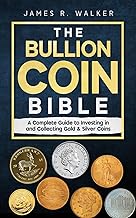


What You'll Learn
- Types of Physical Gold: Bullion, coins, bars, and jewelry are common forms of physical gold investment
- Gold Storage Options: Secure vaults, home safes, and bank safety deposit boxes are essential for protecting your gold assets
- Gold Market Analysis: Understanding gold price trends, market demand, and economic indicators to make informed investment decisions
- Gold Investment Strategies: Diversification, dollar-cost averaging, and long-term holding are key strategies for gold investors
- Tax Implications and Regulations: Familiarize yourself with tax laws and regulations regarding gold investments in your jurisdiction

Types of Physical Gold: Bullion, coins, bars, and jewelry are common forms of physical gold investment
Gold bullion, coins, bars, and jewelry are the primary forms of physical gold investment, each with its own unique characteristics and benefits. Gold bullion, for instance, is highly valued for its purity and liquidity. It typically comes in the form of coins or bars, with the most popular coins being the American Gold Eagle, Canadian Gold Maple Leaf, and South African Krugerrand. These coins are not only legal tender but also widely recognized and accepted, making them easy to buy and sell. Gold bars, on the other hand, are available in various sizes and weights, ranging from small 1-gram bars to large 1-kilogram bars. They are often used by investors who prefer to store their gold in a compact and secure form.
Gold jewelry is another popular form of physical gold investment, particularly in cultures where gold is traditionally used as a store of value and a symbol of wealth. However, it's essential to note that the value of gold jewelry is not solely determined by its gold content but also by its craftsmanship, design, and brand. As a result, gold jewelry may not be the most cost-effective way to invest in gold, but it can provide a sense of security and satisfaction to those who prefer to wear their investments.
Gold coins and bars can be purchased from various sources, including banks, coin shops, and online dealers. It's crucial to ensure that you're buying from a reputable source to avoid counterfeit products. Additionally, consider the premiums and fees associated with purchasing and selling gold, as these can impact your overall investment returns.
When investing in physical gold, it's also important to consider storage and security. Gold is a valuable commodity, and proper storage is essential to protect your investment. You can store your gold at home in a safe or lockbox, or you can opt for professional storage services offered by banks or specialized gold storage companies.
In conclusion, investing in physical gold can be a wise decision for those looking to diversify their portfolios and protect their wealth. By understanding the different types of physical gold investments and their unique characteristics, you can make informed decisions that align with your investment goals and preferences.
Smart Strategies for Investing in Gold: A Beginner's Guide
You may want to see also
Explore related products





Gold Storage Options: Secure vaults, home safes, and bank safety deposit boxes are essential for protecting your gold assets
Storing gold securely is paramount to safeguarding your investment. One of the most reliable options is utilizing secure vaults, which offer robust protection against theft, fire, and other potential hazards. These vaults are typically equipped with advanced security features such as biometric scanners, surveillance cameras, and alarm systems. Additionally, they are often located in geographically secure areas, providing an extra layer of protection.
Home safes are another viable option for storing gold, especially for those who prefer to keep their assets close at hand. When selecting a home safe, it is crucial to choose one that is both fireproof and waterproof, as these elements can significantly impact the integrity of your gold over time. Furthermore, ensure that the safe is securely bolted to the floor or wall to prevent it from being easily removed by intruders.
Bank safety deposit boxes offer a secure and convenient storage solution for gold investors. These boxes are typically located within the bank's vault, providing the same level of security as the bank's own assets. Additionally, banks often offer insurance on the contents of safety deposit boxes, providing an extra layer of protection for your investment. However, it is essential to note that banks may have specific rules and regulations regarding the storage of precious metals, so it is crucial to consult with your bank before storing gold in a safety deposit box.
When deciding on a gold storage option, it is essential to consider factors such as security, accessibility, and cost. Secure vaults and bank safety deposit boxes offer the highest level of security, but they may also come with higher costs and limited accessibility. Home safes provide more accessibility and control over your gold, but they may not offer the same level of security as vaults or safety deposit boxes. Ultimately, the best storage option for your gold will depend on your individual needs and preferences.
Securing Your Future: The Timeless Value of Gold Investments
You may want to see also
Explore related products


Gold Market Analysis: Understanding gold price trends, market demand, and economic indicators to make informed investment decisions
Analyzing the gold market is crucial for investors looking to make informed decisions about purchasing physical gold. Understanding gold price trends involves examining historical data and identifying patterns that may indicate future movements. Market demand can be gauged by looking at factors such as jewelry sales, industrial usage, and central bank purchases. Economic indicators, including inflation rates, interest rates, and currency exchange rates, also play a significant role in determining the price of gold.
To conduct a thorough gold market analysis, investors should start by researching current market conditions and recent price movements. This can be done by reviewing financial news, market reports, and gold price charts. It's essential to consider both short-term and long-term trends to get a comprehensive view of the market. Additionally, investors should pay attention to geopolitical events and economic policies that could impact the price of gold.
One unique angle to consider when analyzing the gold market is the relationship between gold and other assets, such as stocks and bonds. Gold is often seen as a safe-haven asset, meaning that its price tends to increase during times of economic uncertainty or market volatility. By examining the correlation between gold prices and other asset classes, investors can gain insights into potential market shifts and make more informed investment decisions.
Another important aspect of gold market analysis is understanding the factors that drive market demand. For example, seasonal demand for gold jewelry in certain regions can impact prices. Similarly, changes in industrial demand for gold, such as in the electronics or medical sectors, can also influence market dynamics. By staying informed about these demand drivers, investors can better anticipate price movements and adjust their investment strategies accordingly.
In conclusion, a thorough gold market analysis requires a multifaceted approach that considers price trends, market demand, economic indicators, and the relationship between gold and other assets. By conducting this analysis, investors can make more informed decisions about when and how to invest in physical gold, potentially maximizing their returns and minimizing risks.
Smart Strategies for Investing in Gold in the USA
You may want to see also
Explore related products


Gold Investment Strategies: Diversification, dollar-cost averaging, and long-term holding are key strategies for gold investors
Diversification is a cornerstone of any sound investment strategy, and gold is no exception. By spreading your investments across various assets, you reduce the risk associated with any single investment. For gold investors, this means not only diversifying within the gold market—such as investing in both gold coins and gold bars—but also diversifying across other asset classes like stocks, bonds, and real estate. This approach helps to mitigate the impact of market volatility on your overall portfolio.
Dollar-cost averaging (DCA) is another effective strategy for gold investors. This method involves investing a fixed amount of money at regular intervals, regardless of the gold price. By doing so, you purchase more gold when prices are low and less when prices are high, effectively reducing the average cost of your investment over time. DCA helps to smooth out the effects of market fluctuations and can be particularly beneficial for long-term investors who are committed to holding gold as part of their portfolio.
Long-term holding is a strategy that plays to gold's strengths as a store of value. Gold has historically maintained its purchasing power over long periods, making it an attractive asset for investors with a long-term horizon. By holding gold for extended periods, investors can benefit from its ability to preserve wealth and potentially appreciate in value. This strategy requires patience and a willingness to withstand short-term price fluctuations, but it can be highly rewarding for those who remain committed to their investment.
When implementing these strategies, it's important for gold investors to consider the physical form of their investment. Gold coins and bars each have their own advantages and disadvantages. Coins are often more convenient to buy and sell, and they can be stored more easily. Bars, on the other hand, typically offer lower premiums over the spot price of gold, making them a more cost-effective option for larger investments. Investors should also be mindful of the purity and weight of the gold they purchase, as these factors can significantly impact the value and liquidity of their investment.
In conclusion, successful gold investment requires a thoughtful and diversified approach. By combining diversification, dollar-cost averaging, and long-term holding strategies, investors can maximize the potential benefits of gold while minimizing risks. Careful consideration of the physical form of gold and its storage and security requirements is also essential for ensuring the safety and value of the investment.
Smart Gold Investment Strategies on Robinhood for Beginners
You may want to see also
Explore related products


Tax Implications and Regulations: Familiarize yourself with tax laws and regulations regarding gold investments in your jurisdiction
Understanding the tax implications and regulations surrounding gold investments is crucial for any investor looking to diversify their portfolio with physical gold. The first step is to recognize that tax laws vary significantly by jurisdiction, and what may be applicable in one country or state may not be in another. Therefore, it is essential to consult with a local tax professional or financial advisor who can provide guidance tailored to your specific circumstances.
In many jurisdictions, gold investments are subject to capital gains tax when sold. This tax is typically calculated based on the difference between the purchase price and the sale price of the gold. However, some countries offer tax exemptions or reduced rates for certain types of gold investments, such as gold coins or bars that meet specific purity standards. For example, in the United States, gold coins like the American Gold Eagle are exempt from capital gains tax if held for at least one year.
Another important consideration is the reporting requirements for gold investments. In some cases, investors may be required to report their gold holdings to tax authorities, especially if they exceed certain thresholds. Failure to comply with these reporting requirements can result in penalties or fines. Additionally, investors should be aware of any potential tax implications when storing their gold, as some jurisdictions may impose taxes on gold stored in certain types of facilities or locations.
To mitigate potential tax liabilities, investors may consider holding their gold investments through a tax-advantaged account, such as an Individual Retirement Account (IRA) or a Self-Directed Retirement Plan (SDRP). These accounts can offer significant tax benefits, including tax-deferred growth and tax-free withdrawals in some cases. However, it is important to note that not all gold investments are eligible for these accounts, and investors should consult with a tax professional to ensure compliance with all applicable regulations.
In conclusion, navigating the tax implications and regulations of gold investments requires careful consideration and expert guidance. By understanding the specific tax laws and reporting requirements in your jurisdiction, and by exploring tax-advantaged investment options, investors can maximize the potential benefits of their gold investments while minimizing their tax liabilities.
Timeless Elegance: The Enduring Value of Gold Jewelry Investments
You may want to see also
Frequently asked questions
You can invest in physical gold in various forms, including gold bars, gold coins, and gold jewelry. Each form has its own advantages and considerations. Gold bars are often preferred for their purity and ease of storage, while gold coins can be more convenient for smaller investments and may have numismatic value. Gold jewelry, while not typically considered an investment, can also serve as a form of gold ownership.
The price of gold fluctuates based on market demand and supply, geopolitical events, and economic conditions. You can find the current gold price through various online sources, such as financial news websites, precious metal dealers, and market exchanges. It's important to note that the price can vary depending on the form of gold you're purchasing, with premiums added for manufacturing and distribution costs.
Investing in physical gold offers several benefits, including portfolio diversification, a hedge against inflation and currency devaluation, and potential long-term appreciation in value. However, there are also risks to consider, such as the possibility of theft or loss, storage and insurance costs, and the lack of liquidity compared to other investments. It's crucial to weigh these factors and consult with a financial advisor before making a decision.