Clark Galvan
Investing in gold in the USA can be a strategic move to diversify your portfolio and hedge against economic uncertainties. Gold has historically been a stable investment, often increasing in value during times of market volatility. There are several ways to invest in gold, including purchasing physical gold bars or coins, investing in gold ETFs, or buying shares in gold mining companies. Each method has its own advantages and considerations, such as storage costs for physical gold and the performance of mining companies. It's essential to research and understand the different options available to make an informed investment decision that aligns with your financial goals and risk tolerance.
Explore related products


What You'll Learn
- Physical Gold: Buying gold bars, coins, or jewelry as a tangible asset for investment
- Gold ETFs: Investing in gold exchange-traded funds, which track the price of gold
- Gold Mining Stocks: Purchasing shares in companies that mine gold as a way to invest in the metal
- Gold IRAs: Setting up an Individual Retirement Account (IRA) that holds gold as an asset
- Gold Futures: Trading gold futures contracts, which allow investors to speculate on gold prices

Physical Gold: Buying gold bars, coins, or jewelry as a tangible asset for investment
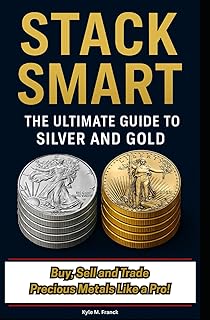
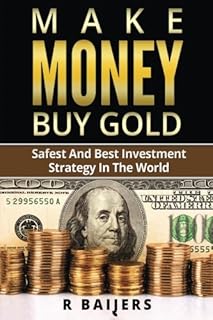
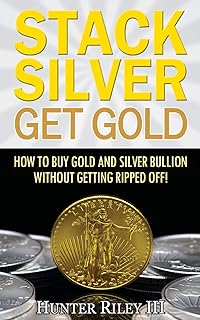
Investing in physical gold offers a tangible way to diversify your portfolio and hedge against economic uncertainties. When you buy gold bars, coins, or jewelry, you're acquiring an asset that has intrinsic value and is recognized globally. Gold's value tends to increase during times of inflation, currency devaluation, and geopolitical tensions, making it a popular choice for investors seeking stability.
One of the primary benefits of investing in physical gold is that it's a tangible asset you can hold in your possession. This provides a sense of security and control that paper assets or digital investments may not offer. Additionally, physical gold is highly liquid, meaning you can easily sell it for cash when needed.
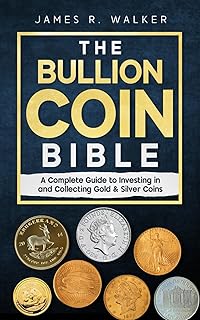
When considering investing in physical gold, it's essential to understand the different forms available and their respective advantages. Gold bars are often the most cost-effective option, as they have lower premiums over the spot price of gold. Coins, on the other hand, may have higher premiums but offer greater flexibility in terms of selling smaller quantities. Jewelry can be a more discreet way to invest in gold, but it's important to note that the value of jewelry is often influenced by factors other than the gold content, such as craftsmanship and design.
Before investing in physical gold, it's crucial to research reputable dealers and understand the current market conditions. Be aware of the risks associated with storing and insuring your gold, as well as the potential for price fluctuations. By doing your due diligence and understanding the ins and outs of investing in physical gold, you can make informed decisions that align with your financial goals and risk tolerance.
Smart Strategies for Safely Investing in Gold: A Beginner's Guide
You may want to see also
Explore related products


$2.99 $17.95


Gold ETFs: Investing in gold exchange-traded funds, which track the price of gold
Gold ETFs, or exchange-traded funds, offer a convenient and accessible way for investors to gain exposure to the price of gold without the need to physically store the metal. These funds track the price of gold, allowing investors to benefit from its potential upside while mitigating some of the risks associated with direct ownership.
One of the primary advantages of gold ETFs is their ease of use. Investors can buy and sell shares of these funds through a brokerage account, just like any other stock. This eliminates the need for specialized knowledge or equipment required for storing physical gold. Additionally, gold ETFs often have lower fees and expenses compared to other forms of gold investment, such as gold mining stocks or physical gold bullion.
However, it's important to note that gold ETFs do come with some risks. One of the main concerns is that these funds are not backed by physical gold. Instead, they hold financial instruments that are designed to track the price of gold. This means that there is a risk that the fund's performance may not perfectly match the actual price of gold. Furthermore, gold ETFs are subject to market volatility and can experience significant price fluctuations.
When investing in gold ETFs, it's crucial to conduct thorough research and understand the fund's structure and holdings. Investors should also consider their risk tolerance and investment goals to ensure that gold ETFs align with their overall portfolio strategy.
In conclusion, gold ETFs provide a convenient and cost-effective way for investors to gain exposure to the price of gold. However, it's essential to be aware of the risks and conduct proper due diligence before investing in these funds. By doing so, investors can make informed decisions and potentially benefit from the upside of gold while mitigating some of the associated risks.
Golden Opportunity or Shiny Distraction? The Smart Investor's Guide to Gold
You may want to see also
Explore related products




Gold Mining Stocks: Purchasing shares in companies that mine gold as a way to invest in the metal
Investing in gold mining stocks is a strategic way to gain exposure to the precious metal market. By purchasing shares in companies that mine gold, investors can potentially benefit from the metal's price movements without directly owning physical gold. This approach offers several advantages, including the potential for higher returns compared to simply buying gold bullion, as mining companies can leverage their operational efficiencies and exploration successes to increase profitability.
One key consideration when investing in gold mining stocks is the company's management team and their track record of success. A strong management team with a history of delivering on promises and navigating the challenges of the mining industry can significantly impact the company's performance and, consequently, the value of its shares. Additionally, investors should evaluate the company's financial health, including its debt levels, cash reserves, and profitability, to ensure that it is well-positioned to weather market fluctuations and invest in future growth opportunities.
Another important factor to consider is the geopolitical environment in which the mining company operates. Political stability, regulatory frameworks, and environmental policies can all impact the company's ability to extract gold and generate profits. Investors should research the countries where the company has mining operations and assess the associated risks, such as expropriation, labor disputes, or environmental concerns.
Furthermore, investors should be aware of the operational risks associated with gold mining, including fluctuations in gold prices, changes in production costs, and the potential for accidents or environmental incidents. Diversifying investments across multiple mining companies and regions can help mitigate these risks and provide a more balanced exposure to the gold market.
In conclusion, investing in gold mining stocks can be a rewarding strategy for those looking to gain exposure to the precious metal market. By carefully evaluating companies' management teams, financial health, geopolitical environments, and operational risks, investors can make informed decisions and potentially achieve higher returns than through direct gold ownership. However, it is essential to approach this investment with a long-term perspective and a thorough understanding of the factors that influence the gold mining industry.
Gold vs. Silver: Which Precious Metal is the Smarter Investment?
You may want to see also
Explore related products


Gold IRAs: Setting up an Individual Retirement Account (IRA) that holds gold as an asset
Setting up a Gold IRA involves a specific process that differs from traditional retirement accounts. To begin, an investor must first identify a reputable dealer or custodian that specializes in precious metals IRAs. This dealer will guide the investor through the necessary paperwork and procedures to establish the account. Typically, this includes filling out an application, transferring funds from an existing retirement account, and selecting the type and quantity of gold to be purchased.
Once the account is established, the investor must ensure that the gold meets the IRS's purity standards, which require a minimum fineness of .995 for gold bullion coins and .9999 for gold bars. The dealer will then arrange for the secure storage of the gold in an IRS-approved depository. It's crucial to note that the investor cannot take physical possession of the gold, as this would result in penalties and disqualification of the IRA.
Investors should also be aware of the fees associated with Gold IRAs, which can include setup fees, annual maintenance fees, and storage fees. These costs can vary depending on the dealer and the size of the investment, so it's essential to compare fees and services among different providers. Additionally, investors should consider the potential tax implications of investing in gold, as the IRS treats gold investments differently than other types of retirement assets.
One of the primary benefits of a Gold IRA is its ability to hedge against inflation and market volatility. Gold has historically maintained its value during economic downturns, making it a popular choice for investors looking to diversify their retirement portfolios. However, it's important to remember that gold prices can fluctuate, and investors should have a long-term perspective when considering this type of investment.
In conclusion, a Gold IRA can be a valuable addition to an investor's retirement strategy, but it requires careful consideration and planning. By understanding the process, costs, and potential benefits, investors can make informed decisions about whether a Gold IRA is right for them.
Smart Gold Investments: Your Guide to Secure Financial Growth
You may want to see also
Explore related products


Gold Futures: Trading gold futures contracts, which allow investors to speculate on gold prices
Gold futures contracts are a sophisticated investment tool that allows investors to speculate on the future price of gold. These contracts are standardized agreements between two parties to buy or sell a specific quantity of gold at a predetermined price on a future date. Trading gold futures can be a high-risk, high-reward endeavor, and it's essential for investors to understand the intricacies involved.
To begin trading gold futures, investors must first open a brokerage account with a firm that offers futures trading. They will need to provide personal information, financial details, and possibly undergo a suitability assessment to ensure they understand the risks associated with futures trading. Once the account is opened, investors can start by researching gold futures contracts, analyzing market trends, and developing a trading strategy.
One of the key benefits of trading gold futures is the ability to leverage. This means that investors can control a large position with a relatively small amount of capital. For example, a single gold futures contract might represent 100 ounces of gold, but the investor may only need to put up 10% of the contract's value as margin. This leverage can amplify profits, but it also increases the potential for losses.
Investors should also be aware of the different types of gold futures contracts available. The most common are the COMEX gold futures, which are traded on the Chicago Mercantile Exchange. These contracts are denominated in U.S. dollars and are the global benchmark for gold prices. Other exchanges, such as the London Metal Exchange and the Shanghai Gold Exchange, also offer gold futures contracts, but they may have different specifications and trading hours.
When trading gold futures, it's crucial to monitor market conditions closely. Gold prices can be influenced by a wide range of factors, including economic indicators, geopolitical events, and changes in supply and demand. Investors should also be mindful of the contract's expiration date, as they will need to either take delivery of the physical gold or roll over the contract to a new expiration date.
In conclusion, trading gold futures can be a lucrative investment strategy for those who understand the risks and have the necessary expertise. By carefully selecting a brokerage firm, researching market trends, and developing a sound trading strategy, investors can potentially profit from the fluctuations in gold prices. However, it's essential to approach this investment with caution and to never risk more capital than one can afford to lose.
Diversify Your Portfolio: A Beginner's Guide to Gold and Silver ETFs
You may want to see also
Frequently asked questions
There are several ways to invest in gold in the USA, including buying physical gold (such as coins or bars), investing in gold ETFs or mutual funds, purchasing gold stocks, or trading gold futures and options.
Gold is often considered a safe-haven asset that can help diversify a portfolio and protect against inflation and market volatility. It also has the potential to provide long-term growth and can be easily bought and sold.
Some of the risks associated with investing in gold include price volatility, storage and security concerns (for physical gold), and the potential for scams or fraud. It's important to do your research and understand the risks before investing in gold.