Clark Galvan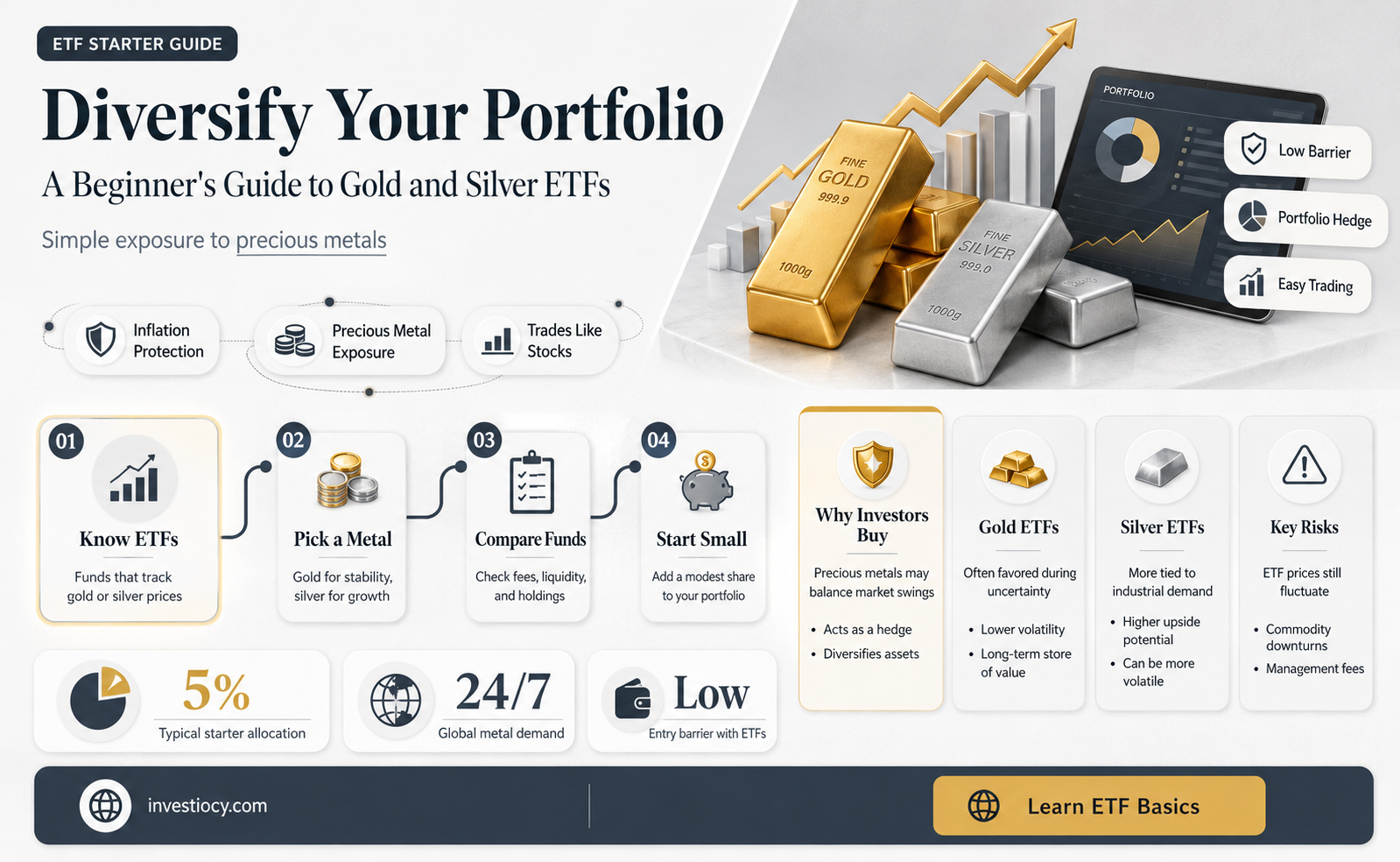
Investing in gold and silver ETFs (Exchange-Traded Funds) can be a strategic way to diversify your portfolio and hedge against market volatility. These funds track the price of physical gold and silver, allowing investors to gain exposure to precious metals without the need for physical storage. Gold ETFs tend to be more popular due to gold's historical role as a safe-haven asset, but silver ETFs can offer higher potential returns, albeit with greater volatility. When considering investing in these ETFs, it's important to understand the fund's structure, management fees, and the current market conditions affecting precious metal prices. Additionally, investors should weigh the benefits of ETFs against other investment options, such as physical bullion or mining stocks, to determine the best fit for their financial goals and risk tolerance.
Explore related products


What You'll Learn
- Understanding ETFs: Learn about Exchange-Traded Funds (ETFs), their structure, and how they differ from mutual funds
- Gold and Silver Market Analysis: Research historical performance, market trends, and factors influencing gold and silver prices
- Selecting the Right ETF: Evaluate various gold and silver ETFs based on their holdings, expense ratios, and performance records
- Investment Strategies: Explore different approaches to investing in gold and silver ETFs, such as dollar-cost averaging or lump-sum investments
- Risk Management: Understand the risks associated with investing in precious metals and develop strategies to mitigate potential losses

Understanding ETFs: Learn about Exchange-Traded Funds (ETFs), their structure, and how they differ from mutual funds
Exchange-Traded Funds (ETFs) are a type of investment fund that holds a collection of assets, such as stocks, bonds, or commodities, and is traded on stock exchanges. They are designed to track the performance of a specific market index or sector, providing investors with a way to diversify their portfolios and gain exposure to different asset classes. Unlike mutual funds, which are priced once a day after the market closes, ETFs are priced continuously throughout the trading day, allowing for more flexibility and responsiveness to market changes.
One of the key differences between ETFs and mutual funds lies in their structure. ETFs are typically structured as open-ended investment companies or unit investment trusts, while mutual funds are organized as closed-end funds. This structural difference impacts how the funds are traded, managed, and taxed. ETFs also tend to have lower expense ratios compared to mutual funds, making them a more cost-effective option for many investors.
When it comes to investing in gold and silver ETFs, it's important to understand the specific characteristics of these funds. Gold and silver ETFs are designed to track the price of the underlying precious metals, providing investors with a convenient way to gain exposure to these commodities without having to physically hold the metal. These ETFs may hold gold and silver bullion, futures contracts, or a combination of both. Investors should be aware of the potential risks associated with investing in precious metals, including price volatility and geopolitical factors that can impact the supply and demand of these commodities.
To invest in gold and silver ETFs, investors can follow a few key steps. First, they should research and select an ETF that aligns with their investment goals and risk tolerance. Next, they can open a brokerage account and fund it with the necessary capital. Once the account is funded, investors can place a buy order for the desired ETF, specifying the number of shares they wish to purchase. It's important to monitor the performance of the ETF and adjust the investment as needed to maintain a balanced portfolio.
In conclusion, understanding ETFs and their structure is crucial for investors looking to gain exposure to gold and silver through these funds. By recognizing the differences between ETFs and mutual funds, and by following a thoughtful investment process, investors can make informed decisions and potentially benefit from the unique advantages that gold and silver ETFs offer.
Unveiling the Truth: Is Noble Gold Investments Legitimate?
You may want to see also
Explore related products


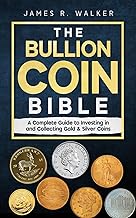
Gold and Silver Market Analysis: Research historical performance, market trends, and factors influencing gold and silver prices
Analyzing the historical performance of gold and silver markets reveals distinct trends and patterns that can inform investment decisions. Over the past decade, gold has generally outperformed silver, with its price increasing by approximately 70% compared to silver's 30% gain. However, silver has shown greater volatility, with sharper price swings that can present both risks and opportunities for investors. Understanding these historical trends is crucial for developing a well-informed investment strategy in gold and silver ETFs.
Market trends in gold and silver are influenced by a variety of factors, including economic indicators, geopolitical events, and investor sentiment. For instance, during periods of economic uncertainty or inflation, gold tends to perform well as a safe-haven asset. Conversely, silver is often more responsive to industrial demand and technological advancements. Recent trends suggest a growing interest in gold as a hedge against currency devaluation and market volatility, while silver's price has been buoyed by its use in renewable energy technologies and electronics.
Investors should also consider the impact of central bank policies and global economic conditions on gold and silver prices. For example, low interest rates and quantitative easing can stimulate gold demand as investors seek to protect their wealth from inflation. Similarly, trade tensions and geopolitical conflicts can drive up gold prices as investors flock to safe-haven assets. On the other hand, a strengthening global economy and rising interest rates can lead to decreased demand for gold and potentially lower prices.
When conducting market analysis, it's essential to examine both technical and fundamental factors. Technical analysis involves studying price charts and identifying patterns that can indicate future price movements. Fundamental analysis, on the other hand, focuses on evaluating the underlying factors that drive supply and demand, such as production levels, consumption trends, and market sentiment. By combining these approaches, investors can gain a more comprehensive understanding of the gold and silver markets and make more informed investment decisions.
In conclusion, a thorough analysis of the gold and silver markets requires an examination of historical performance, market trends, and the various factors that influence prices. By understanding these dynamics, investors can develop a well-informed investment strategy that takes into account both the potential risks and opportunities presented by gold and silver ETFs.
Smart Gold Investment Strategies on Robinhood for Beginners
You may want to see also
Explore related products


$70.77 $70.77


Selecting the Right ETF: Evaluate various gold and silver ETFs based on their holdings, expense ratios, and performance records
To select the right gold or silver ETF, begin by examining the fund's holdings. This involves looking at the specific gold or silver assets the ETF owns, such as mining stocks, physical bullion, or futures contracts. Understanding the holdings helps you align the ETF with your investment goals and risk tolerance. For instance, if you're seeking physical gold exposure, an ETF that holds gold bars would be more appropriate than one that invests in mining companies.
Next, consider the expense ratio, which is the annual fee charged by the ETF. This fee can significantly impact your returns over time, especially in a volatile market like precious metals. Compare expense ratios among different ETFs to find one that offers a good balance between cost and performance. Typically, passively managed ETFs have lower expense ratios than actively managed ones, but this isn't always the case.
Performance records are another crucial factor. Analyze the ETF's historical returns, volatility, and how it has performed during different market conditions. Look for consistency and consider how the ETF's performance aligns with your investment horizon and objectives. Keep in mind that past performance is not a guarantee of future results, but it can provide valuable insights into the fund's management and strategy.
Additionally, consider the ETF's liquidity and trading volume. A highly liquid ETF with a large trading volume is easier to buy and sell, which can be important if you need to quickly adjust your portfolio. Illiquid ETFs may have wider bid-ask spreads, making it more challenging to execute trades at favorable prices.
Finally, evaluate the ETF's tax implications. Precious metal ETFs can have different tax treatments depending on their structure and holdings. For example, some gold ETFs may be taxed as collectibles, which can result in higher capital gains taxes. Understanding the tax implications can help you make more informed decisions and optimize your after-tax returns.
By carefully evaluating these factors, you can select a gold or silver ETF that best fits your investment strategy and goals. Remember to regularly review and rebalance your portfolio to ensure it remains aligned with your objectives and risk tolerance.
Secure Your Future: A Guide to Investing in Gold IRAs
You may want to see also
Explore related products


Investment Strategies: Explore different approaches to investing in gold and silver ETFs, such as dollar-cost averaging or lump-sum investments
Dollar-cost averaging (DCA) is a popular investment strategy that involves investing a fixed amount of money at regular intervals, regardless of the market price. This approach can be particularly effective for investing in gold and silver ETFs, as it allows investors to spread their risk over time and potentially benefit from lower average prices. For example, if an investor decides to invest $100 per month in a gold ETF, they would purchase more shares when the price is low and fewer shares when the price is high. Over time, this can result in a lower average cost per share and potentially higher returns.
Lump-sum investments, on the other hand, involve investing a large amount of money all at once. This strategy can be advantageous for investors who have a significant amount of capital to invest and are confident in their market analysis. However, it also carries a higher risk, as the investor is exposed to market fluctuations and may end up purchasing shares at a higher price than if they had used DCA. For instance, if an investor invests $10,000 in a silver ETF at a high price, they may experience significant losses if the price drops shortly after.
Another investment strategy to consider is the use of stop-loss orders. A stop-loss order is a type of order that automatically sells a security when it reaches a certain price, known as the stop price. This can help investors limit their losses in the event of a market downturn. For example, if an investor purchases shares in a gold ETF at $50 per share, they could set a stop-loss order at $45 per share. If the price of the ETF drops to $45, the stop-loss order would be triggered, and the shares would be sold, limiting the investor's loss to $5 per share.
Investors may also want to consider the use of options when investing in gold and silver ETFs. Options are financial instruments that give the holder the right, but not the obligation, to buy or sell a security at a predetermined price, known as the strike price. This can provide investors with additional flexibility and potential profit opportunities. For instance, an investor could purchase call options on a silver ETF, which would give them the right to buy the ETF at a specific price. If the price of the ETF increases, the value of the call options would also increase, allowing the investor to sell the options for a profit.
Finally, it's important for investors to consider the tax implications of their investment strategies. In many countries, gold and silver ETFs are subject to capital gains tax, which can significantly impact an investor's returns. To minimize tax liabilities, investors may want to consider holding their ETFs in a tax-advantaged account, such as an IRA or 401(k) in the United States. Additionally, investors should be aware of any potential tax consequences associated with the use of options or stop-loss orders.
In conclusion, there are several investment strategies that investors can use when investing in gold and silver ETFs. Dollar-cost averaging and lump-sum investments are two common approaches, each with its own advantages and disadvantages. The use of stop-loss orders and options can provide investors with additional risk management and profit opportunities. Finally, it's crucial for investors to consider the tax implications of their investment strategies to maximize their returns.
Shining Prospects: Why Silver Outperforms Gold as a Smart Investment Choice
You may want to see also
Explore related products


Risk Management: Understand the risks associated with investing in precious metals and develop strategies to mitigate potential losses
Investing in precious metals like gold and silver through Exchange-Traded Funds (ETFs) can be a lucrative strategy, but it's not without its risks. One of the primary risks is market volatility. Precious metal prices can fluctuate significantly due to various economic factors, geopolitical events, and changes in investor sentiment. To mitigate this risk, investors should consider diversifying their portfolio by allocating only a portion of their investments to precious metals. This diversification can help cushion the impact of price swings in any single asset class.
Another risk associated with investing in gold and silver ETFs is the potential for inflation. While precious metals are often seen as a hedge against inflation, the relationship is not always straightforward. During periods of high inflation, the prices of gold and silver can increase, but they can also be affected by other market forces. To manage inflation risk, investors might consider pairing their precious metal investments with other inflation-resistant assets, such as Treasury Inflation-Protected Securities (TIPS) or real estate.
Liquidity risk is also a consideration. While gold and silver ETFs are generally more liquid than physical precious metals, there can still be times when the market is less active, making it difficult to buy or sell shares quickly. To address this, investors should ensure they have a sufficient cash reserve to cover any short-term needs and avoid over-concentrating their investments in illiquid assets.
Counterparty risk is another factor to be aware of. ETFs are managed by financial institutions, and there's always a risk that the fund manager could default or make poor investment decisions. To minimize counterparty risk, investors should choose ETFs from reputable providers with a strong track record and robust risk management practices. Additionally, they should regularly review the fund's prospectus and performance to ensure it aligns with their investment goals.
Finally, investors should be mindful of tax implications. Gains from selling gold and silver ETFs are typically subject to capital gains tax, and the tax rate can vary depending on the investor's income level and the length of time the investment was held. To optimize tax efficiency, investors might consider holding their precious metal ETFs in a tax-advantaged account, such as an Individual Retirement Account (IRA) or a 401(k), or they could employ strategies like tax-loss harvesting to offset gains with losses from other investments.
In conclusion, while investing in gold and silver ETFs can offer numerous benefits, it's crucial to understand and manage the associated risks. By diversifying their portfolio, pairing precious metals with other inflation-resistant assets, maintaining liquidity, choosing reputable fund providers, and considering tax implications, investors can develop a more robust risk management strategy and potentially enhance their overall investment performance.
Is Gold a Wise Investment Choice in Today's Market?
You may want to see also
Frequently asked questions
Gold and silver ETFs offer several benefits, including diversification of your investment portfolio, a hedge against inflation and economic uncertainty, and the convenience of trading on stock exchanges without the need for physical storage of precious metals.
Gold and silver ETFs are exchange-traded funds that track the price of gold and silver, respectively. They hold physical gold and silver bullion or invest in companies that mine these metals. Investors buy and sell shares of these ETFs on stock exchanges, and the fund's net asset value (NAV) is determined by the market price of the underlying metal.
While gold and silver ETFs can be a valuable addition to a diversified portfolio, they do carry some risks. These include market risk, as the price of precious metals can be volatile; geopolitical risk, as events in mining countries can impact supply; and counterparty risk, if the ETF's custodian or other parties involved in the fund's operations default on their obligations.
When selecting a gold and silver ETF, consider factors such as the fund's expense ratio, the quality and purity of the metal it holds, the fund's liquidity, and its tracking error. It's also important to understand the fund's investment strategy, whether it focuses on physical metal, mining companies, or a combination of both. Research and compare different ETFs to find one that aligns with your investment goals and risk tolerance.