Laila Keith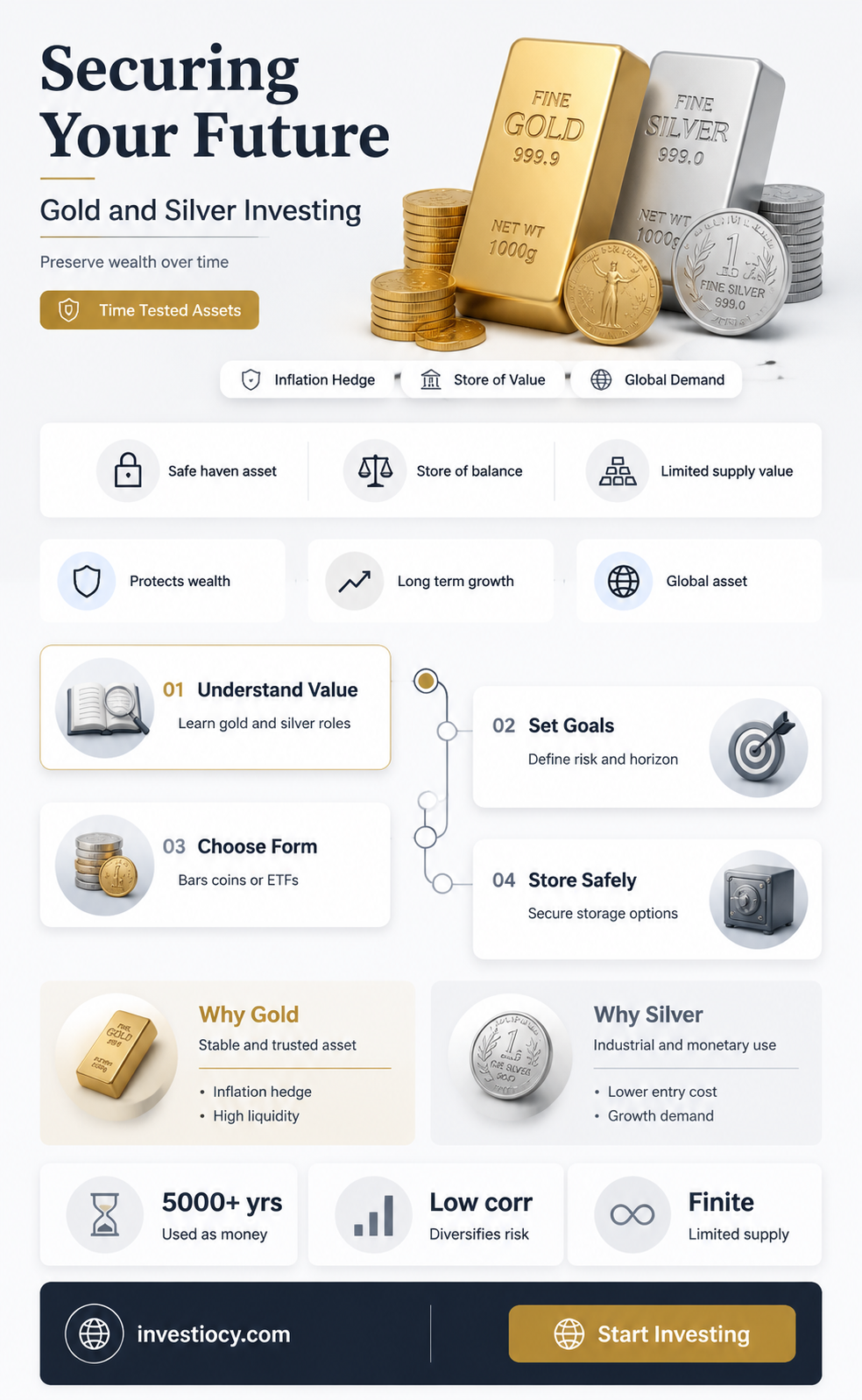
Investing in gold and silver has long been a popular strategy for diversifying one's portfolio and safeguarding wealth. These precious metals are often seen as safe-haven assets, meaning they tend to perform well during economic downturns and periods of uncertainty. Gold, in particular, has historically been viewed as a store of value, maintaining its purchasing power over time, while silver offers both industrial applications and investment potential. By including gold and silver in an investment portfolio, individuals can potentially mitigate risk, protect against inflation, and capitalize on market fluctuations.
Explore related products


What You'll Learn
- Hedge Against Inflation: Precious metals maintain value during economic downturns, protecting purchasing power
- Diversify Portfolio: Gold and silver offer stability, reducing risk in investment portfolios dominated by stocks and bonds
- Liquidity: Easily convertible to cash, gold and silver provide quick access to funds when needed
- Tangible Assets: Unlike digital investments, physical gold and silver offer a sense of security and ownership
- Historical Value: Gold and silver have been valuable for centuries, likely to continue appreciating over time

Hedge Against Inflation: Precious metals maintain value during economic downturns, protecting purchasing power
During periods of economic uncertainty, investors often seek assets that can preserve their wealth and protect against the erosive effects of inflation. Precious metals, particularly gold and silver, have historically served as effective hedges against inflation due to their intrinsic value and limited supply. Unlike fiat currencies, which can be printed in unlimited quantities, the supply of precious metals is constrained by the natural resources available and the costs associated with extraction and refining. This scarcity helps to maintain their value over time, even as the purchasing power of paper currencies declines.
One of the key reasons why precious metals are considered a hedge against inflation is their ability to maintain value during economic downturns. During the 2008 financial crisis, for example, gold prices increased by over 25% while the S&P 500 index plummeted by nearly 37%. Similarly, during the stagflation of the 1970s, gold prices rose dramatically as the value of the US dollar fell. This historical performance demonstrates the resilience of precious metals in times of economic stress, making them an attractive option for investors looking to protect their wealth.
In addition to their role as a hedge against inflation, precious metals also offer a degree of portfolio diversification. Because their price movements are often uncorrelated with those of other asset classes, such as stocks and bonds, they can help to reduce overall portfolio risk. This diversification benefit is particularly important during times of market volatility, when investors may be more susceptible to significant losses.
When considering precious metals as an investment, it is important to understand the different ways in which they can be purchased and stored. Investors can buy physical gold and silver in the form of coins, bars, or jewelry, or they can invest in exchange-traded funds (ETFs) or mutual funds that track the price of these metals. Each option has its own advantages and disadvantages, and investors should carefully weigh these factors before making a decision.
Physical precious metals offer the advantage of direct ownership and the ability to take physical possession of the asset. This can be particularly appealing to investors who are concerned about the stability of the financial system or who want to have a tangible asset that they can hold. However, physical metals also come with storage and security costs, as well as the potential for theft or loss.
ETFs and mutual funds, on the other hand, offer a more convenient and cost-effective way to invest in precious metals. These funds typically track the price of gold or silver and can be bought and sold through a brokerage account. They also provide the benefit of professional management and diversification across a range of precious metal investments. However, investors should be aware that these funds may not provide the same level of security as physical metals, and they may be subject to market risks and fees.
In conclusion, precious metals can serve as an effective hedge against inflation and economic uncertainty, offering investors a way to preserve their wealth and protect their purchasing power. By understanding the different investment options available and carefully considering the associated risks and benefits, investors can make informed decisions about how to incorporate precious metals into their portfolios.
Smart Gold Investment Strategies on Robinhood for Beginners
You may want to see also
Explore related products




Diversify Portfolio: Gold and silver offer stability, reducing risk in investment portfolios dominated by stocks and bonds
Gold and silver have historically been viewed as safe-haven assets, providing stability and reducing risk in investment portfolios heavily weighted towards stocks and bonds. This diversification strategy is particularly pertinent in times of economic uncertainty, where the volatility of equity markets can lead to significant losses. By allocating a portion of one's portfolio to precious metals, investors can mitigate potential downturns and preserve capital.
One of the primary reasons gold and silver are effective diversifiers is their inverse relationship with traditional assets. When stock markets decline, the demand for safe-haven assets like gold and silver tends to increase, driving up their prices. This negative correlation helps to balance out the overall performance of a portfolio, reducing the impact of market fluctuations.
Furthermore, gold and silver are tangible assets with intrinsic value, unlike stocks and bonds which are subject to the whims of market sentiment. This physical backing provides a level of security and stability that paper assets cannot offer. In addition, precious metals are highly liquid, allowing investors to easily convert them into cash when needed.
Investors can diversify their portfolios with gold and silver through various means, including purchasing physical bullion, investing in exchange-traded funds (ETFs), or buying shares in mining companies. Each method has its own advantages and disadvantages, and investors should carefully consider their options before making a decision.
In conclusion, diversifying a portfolio with gold and silver can provide a valuable hedge against market volatility and economic uncertainty. By incorporating these precious metals into their investment strategy, investors can reduce risk and potentially enhance returns over the long term.
Unlocking the Golden Future: A Beginner's Guide to Investing in Gold Futures
You may want to see also
Explore related products


Liquidity: Easily convertible to cash, gold and silver provide quick access to funds when needed
Gold and silver have long been prized for their liquidity, which refers to their ability to be easily converted into cash. This characteristic makes them highly attractive as investment options, particularly for those who may need quick access to funds in times of financial uncertainty or emergency. Unlike other investments that may require lengthy processes to liquidate, gold and silver can be readily sold or exchanged, providing investors with a sense of security and flexibility.
One of the primary reasons why gold and silver are considered liquid assets is due to their widespread recognition and acceptance. These precious metals are traded globally, with established markets and a high demand that ensures they can be easily sold. This is in contrast to other investments, such as real estate or art, which may require more time and effort to find a buyer. Additionally, gold and silver can be purchased and sold in various forms, including coins, bars, and jewelry, further enhancing their liquidity.
Another factor that contributes to the liquidity of gold and silver is their divisibility. These metals can be easily divided into smaller units, allowing investors to sell only what they need rather than having to liquidate their entire holdings. This is particularly advantageous for those who may require access to funds in smaller amounts or who wish to diversify their investments across different asset classes.
Furthermore, gold and silver have a long history of being used as a store of value and a medium of exchange. This has led to the development of well-established infrastructure for buying and selling these metals, including refineries, dealers, and exchanges. As a result, investors can quickly and easily convert their gold and silver holdings into cash, making these metals an ideal choice for those who prioritize liquidity in their investment portfolios.
In conclusion, the liquidity of gold and silver is a key factor that makes them attractive investment options. Their ability to be easily converted into cash, combined with their widespread recognition, divisibility, and established market infrastructure, provides investors with a sense of security and flexibility that is difficult to find in other asset classes.
Shining Prospects: Why Silver Outperforms Gold as a Smart Investment Choice
You may want to see also
Explore related products



Tangible Assets: Unlike digital investments, physical gold and silver offer a sense of security and ownership
Physical gold and silver have been revered as tangible assets for centuries, offering investors a sense of security and ownership that digital investments often lack. Unlike cryptocurrencies or stocks, which exist solely in the digital realm, gold and silver are physical commodities that can be held, stored, and passed down through generations. This tangibility provides a psychological comfort to investors, as they can physically possess and control their assets.
One of the primary advantages of investing in physical gold and silver is the ability to maintain ownership and control over the assets. Digital investments, on the other hand, are often subject to the whims of market volatility and the security of online platforms. With physical metals, investors can store their assets in a secure location, such as a home safe or a bank vault, reducing the risk of theft or loss. This level of control and security can be particularly appealing to those who are wary of the digital world or who prefer to have a tangible connection to their investments.
Furthermore, physical gold and silver can serve as a hedge against inflation and economic uncertainty. As the value of paper currencies fluctuates, the intrinsic value of precious metals tends to remain stable or even increase. This makes them an attractive option for investors looking to diversify their portfolios and protect their wealth from the erosive effects of inflation. Additionally, gold and silver have a long history of being used as a store of value, which can provide investors with a sense of confidence in their investment.
Investing in physical gold and silver also offers a level of privacy that digital investments cannot match. Transactions involving precious metals can be conducted discreetly, without the need for online platforms or digital wallets. This privacy can be particularly appealing to investors who value confidentiality and wish to keep their financial activities out of the public eye.
In conclusion, the tangibility of physical gold and silver provides investors with a unique combination of security, ownership, and control that digital investments cannot replicate. By investing in these precious metals, individuals can diversify their portfolios, protect their wealth from inflation, and maintain a level of privacy that is increasingly difficult to achieve in the digital age.
Gold vs. Silver: Which Precious Metal is the Smarter Investment?
You may want to see also
Explore related products


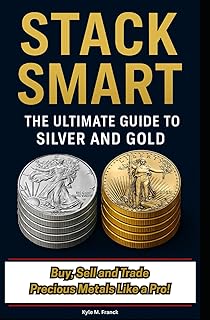


Historical Value: Gold and silver have been valuable for centuries, likely to continue appreciating over time
Gold and silver have been coveted for their beauty and rarity for millennia. These precious metals have been used as currency, jewelry, and symbols of wealth and power across numerous civilizations, from ancient Egypt to the Roman Empire. Their enduring value is a testament to their desirability and the human fascination with these lustrous elements.
One of the key reasons gold and silver are considered valuable investments is their historical tendency to appreciate over time. Unlike fiat currencies, which can be subject to inflation and devaluation, gold and silver have maintained their purchasing power throughout history. This is due in part to their limited supply and the fact that they cannot be easily created or destroyed. As a result, investors often turn to gold and silver as a hedge against economic uncertainty and a means of preserving their wealth.
Furthermore, gold and silver have a proven track record of outperforming other investments during times of crisis. During the 2008 financial crisis, for example, gold prices rose significantly as investors sought a safe haven for their assets. This trend has been observed throughout history, with gold and silver prices often increasing during periods of economic turmoil, war, and political instability.
In addition to their historical value and potential for appreciation, gold and silver also offer a number of other benefits as investments. They are highly liquid, meaning they can be easily bought and sold, and they are not subject to the same market fluctuations as stocks and bonds. Gold and silver can also be stored securely in a variety of forms, from coins and bars to exchange-traded funds (ETFs) and individual retirement accounts (IRAs).
However, it is important to note that investing in gold and silver is not without risks. The prices of these metals can be volatile, and they may not always perform as well as other investments. It is also important to consider the costs associated with storing and insuring physical gold and silver, as well as the potential for theft or loss.
In conclusion, the historical value of gold and silver, combined with their potential for appreciation and their unique benefits as investments, make them an attractive option for investors looking to diversify their portfolios and preserve their wealth. While there are risks associated with investing in these metals, their enduring value and proven track record make them a compelling choice for those seeking a safe and stable investment.
Is Gold a Wise Investment Choice in Today's Market?
You may want to see also
Frequently asked questions
Gold and silver are often considered safe-haven assets that can help diversify your investment portfolio. They tend to perform well during economic uncertainty and inflation, providing a hedge against market volatility.
Historically, gold and silver have shown to be less volatile than stocks and bonds, and they can offer a stable store of value. While they may not yield the same high returns as other investments, they can provide a reliable means of preserving wealth over the long term.
There are several options for investing in gold and silver, including purchasing physical bullion (coins or bars), investing in exchange-traded funds (ETFs) or mutual funds that track the metals' prices, or buying shares in mining companies that produce gold and silver.
Like any investment, gold and silver carry certain risks. The prices of these metals can be volatile and subject to sudden changes based on market conditions. Additionally, if you invest in physical bullion, you'll need to consider storage and insurance costs. It's important to do your research and understand these risks before making an investment decision.