Clark Galvan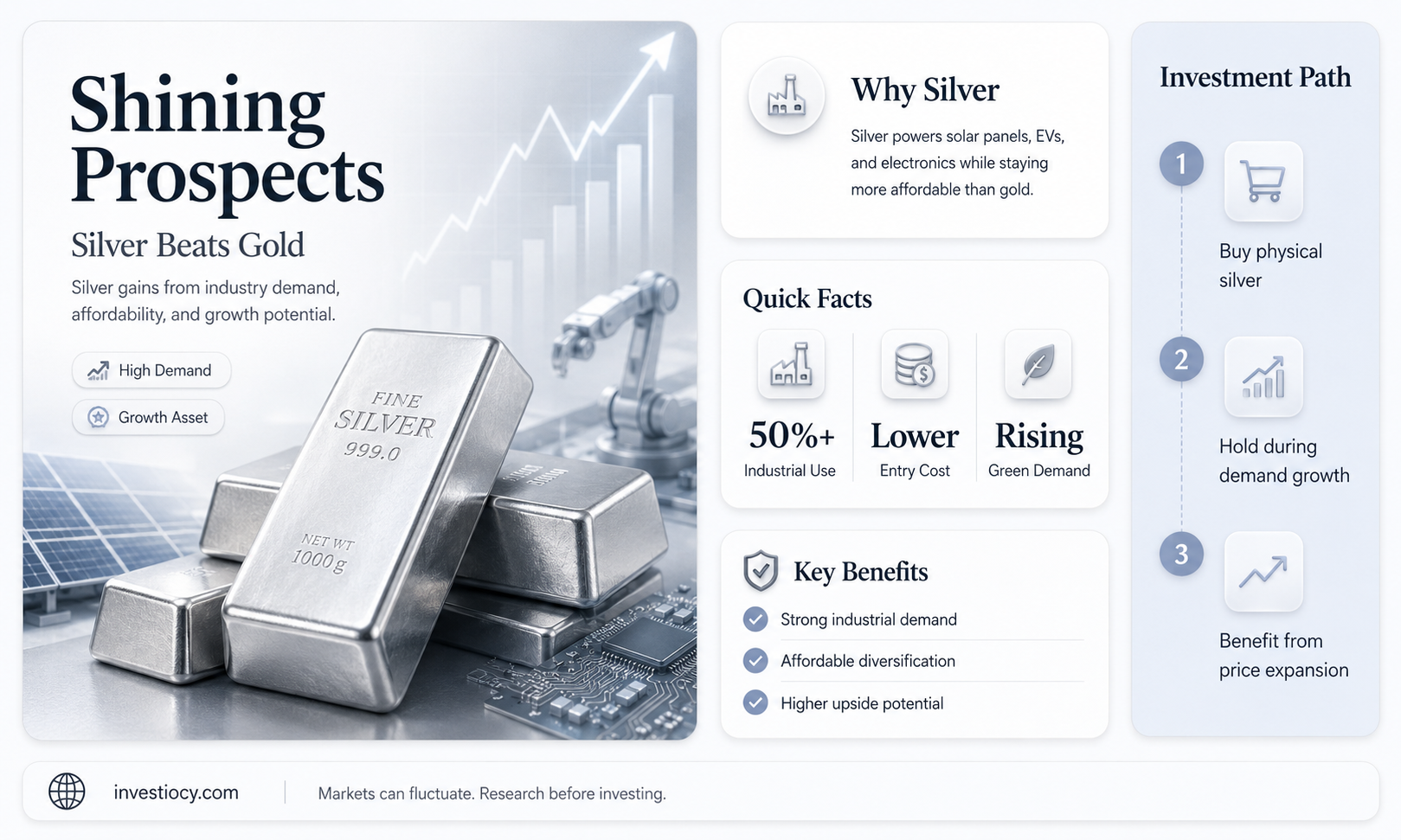
Silver often shines as a more attractive investment option compared to gold due to several compelling reasons. Firstly, silver is more affordable, allowing investors to purchase larger quantities with the same capital. This affordability can lead to greater potential returns, as the value of silver can rise more significantly in percentage terms compared to gold. Additionally, silver has a wide range of industrial applications, from electronics to solar panels, which drives demand and can contribute to its price stability and growth. Unlike gold, which is primarily valued for its scarcity and as a store of wealth, silver's utility in various sectors provides a fundamental basis for its investment appeal. Furthermore, silver is less prone to market manipulation due to its widespread use and diverse sources of supply, making it a more transparent and reliable investment choice. Overall, while gold has its merits, silver's combination of affordability, industrial demand, and market transparency positions it as a potentially superior investment opportunity.
Explore related products


What You'll Learn
- Industrial Demand: Silver's extensive use in electronics and solar panels drives consistent industrial demand
- Affordability: Silver is generally cheaper than gold, making it more accessible for smaller investors
- Liquidity: Silver's lower price point and widespread use make it a more liquid asset
- Diversification: Investing in silver alongside gold can diversify precious metal portfolios, reducing risk
- Growth Potential: Some analysts believe silver has greater growth potential due to increasing technological applications

Industrial Demand: Silver's extensive use in electronics and solar panels drives consistent industrial demand
Silver's extensive use in electronics and solar panels drives consistent industrial demand, making it a compelling investment option. The rapid growth of the electronics industry, fueled by advancements in technology and increasing consumer demand for gadgets, has led to a surge in the need for silver. This precious metal is a key component in the production of electronic devices, including smartphones, laptops, and televisions, due to its excellent conductivity and durability.
Furthermore, the global shift towards renewable energy sources has significantly boosted the demand for silver in the solar panel industry. Silver is used in the production of photovoltaic cells, which are the building blocks of solar panels. As governments and companies worldwide invest heavily in solar energy infrastructure, the demand for silver is expected to rise steadily.
The consistent industrial demand for silver provides a strong foundation for its value, making it a more stable investment compared to gold. While gold is often seen as a safe-haven asset during economic downturns, silver's industrial applications ensure a steady demand regardless of market fluctuations. This stability can be particularly appealing to investors looking for a reliable long-term investment.
Moreover, the increasing adoption of electric vehicles (EVs) is another factor driving the demand for silver. Silver is used in the production of EV batteries and other components, and as the EV market continues to grow, so does the need for silver. This additional demand further solidifies silver's position as a valuable investment.
In conclusion, silver's extensive use in electronics, solar panels, and electric vehicles drives consistent industrial demand, making it a strong investment choice. Its stability and versatility in various industries provide a solid foundation for its value, offering investors a reliable and potentially lucrative option.
Is Gold a Wise Investment Choice in Today's Market?
You may want to see also
Explore related products





Affordability: Silver is generally cheaper than gold, making it more accessible for smaller investors
Silver's affordability is a key advantage for smaller investors looking to enter the precious metals market. Unlike gold, which often commands high prices that can be prohibitive for those with limited capital, silver offers a more accessible entry point. This lower cost barrier allows investors to purchase more ounces of silver for the same amount of money they would spend on gold, potentially increasing their overall exposure to the precious metals market.
One of the primary reasons silver is cheaper than gold is due to its higher supply relative to demand. Silver is mined in larger quantities and has a wider range of industrial applications, which helps to keep its price lower. Additionally, silver is often a byproduct of mining other metals, such as copper and zinc, which further increases its supply. This abundance of silver in the market makes it more affordable for investors who are looking to diversify their portfolios without breaking the bank.
Another factor contributing to silver's affordability is its lower production costs. Mining and refining silver is generally less expensive than gold, which involves more complex and costly processes. As a result, silver can be brought to market at a lower price, making it more attractive to cost-conscious investors. Furthermore, silver's lower price point allows for smaller transactions, enabling investors to buy and sell silver more easily and with less capital commitment.
Silver's affordability also makes it an attractive option for those looking to invest in physical precious metals. For example, investors can purchase silver coins or bars in smaller denominations, such as one-ounce coins or 10-ounce bars, which are more manageable for those with limited funds. This flexibility allows investors to gradually build their silver holdings over time, as their financial situation permits. In contrast, gold's higher price point often requires larger transactions, which can be out of reach for many smaller investors.
In conclusion, silver's affordability is a significant advantage for smaller investors seeking to enter the precious metals market. Its lower price point, higher supply, and lower production costs make it a more accessible and cost-effective option compared to gold. This affordability allows investors to purchase more ounces of silver for the same amount of money, diversify their portfolios more easily, and engage in smaller transactions, making it an attractive choice for those looking to invest in precious metals without a large initial outlay.
Unveiling the Truth: Is Noble Gold Investments Legitimate?
You may want to see also
Explore related products



Liquidity: Silver's lower price point and widespread use make it a more liquid asset
Silver's lower price point compared to gold makes it a more accessible investment for a broader range of investors. This affordability translates into higher liquidity, as more individuals and institutions can participate in the silver market. Additionally, silver's widespread industrial use in electronics, solar panels, and medical applications ensures a consistent demand, further enhancing its liquidity.
One of the key advantages of silver over gold is its versatility in investment forms. Silver can be purchased in various denominations, from small coins to large bars, making it easier for investors to diversify their portfolios and manage risk. This flexibility also allows for more precise investment strategies, as investors can allocate funds to silver in smaller increments compared to the higher-priced gold.
The silver market is also less prone to manipulation by large investors or central banks, which can sometimes influence gold prices. This relative independence contributes to silver's stability and predictability, making it a more reliable asset for long-term investment. Furthermore, silver's lower volatility compared to gold reduces the risk associated with price fluctuations, appealing to risk-averse investors.
In terms of storage and security, silver's lower value per ounce means that investors can store larger quantities in a secure vault or safe without incurring prohibitive costs. This ease of storage and transportability adds to silver's liquidity, as investors can quickly convert their silver holdings into cash if needed.
Overall, silver's liquidity, driven by its lower price point and widespread use, makes it an attractive investment option for those seeking a more accessible and versatile precious metal. Its affordability, industrial demand, and investment flexibility position silver as a compelling alternative to gold for investors looking to diversify their portfolios and manage risk effectively.
Smart Gold Investment Strategies on Robinhood for Beginners
You may want to see also
Explore related products

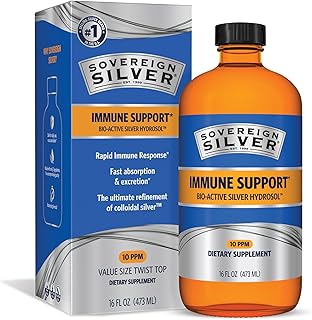

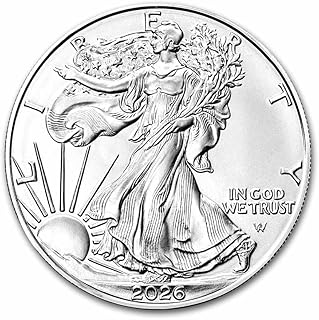


Diversification: Investing in silver alongside gold can diversify precious metal portfolios, reducing risk
Diversifying a precious metal portfolio by investing in silver alongside gold can significantly reduce risk. This strategy is rooted in the principle of spreading investments across different assets to mitigate the impact of market volatility on the overall portfolio. By including both gold and silver, investors can capitalize on the unique properties and market behaviors of each metal.
One key advantage of diversification is that gold and silver often respond differently to market conditions. For instance, during periods of economic uncertainty, gold tends to rise in value as a safe-haven asset. Conversely, silver, while also considered a safe-haven, has a stronger industrial component, which means its price can be influenced by changes in industrial demand. This divergence in market reactions can help balance out the portfolio, as gains in one metal can offset losses in the other.
Moreover, silver is typically more volatile than gold, which can be both a risk and an opportunity. For investors who are willing to tolerate higher volatility, silver can offer greater potential for profit. By diversifying with silver, investors can take advantage of these profit opportunities while still maintaining the stability provided by gold.
Another important consideration is the liquidity of the metals. Both gold and silver are highly liquid assets, meaning they can be easily bought and sold. However, silver's higher volatility can sometimes make it more challenging to predict price movements, which can impact liquidity. By diversifying with gold, investors can ensure they have a portion of their portfolio in a metal with a more stable and predictable market.
In conclusion, diversifying a precious metal portfolio with both gold and silver can be a strategic move to reduce risk and capitalize on the unique market behaviors of each metal. By understanding the different properties and responses of gold and silver to market conditions, investors can create a more balanced and resilient portfolio.
Secure Your Future: A Guide to Investing in Gold IRAs
You may want to see also
Explore related products

$84.95


$31.91


Growth Potential: Some analysts believe silver has greater growth potential due to increasing technological applications
Silver's growth potential is closely tied to its increasing use in various technological applications. As the world becomes more digitized, the demand for silver in electronics, solar panels, and other high-tech industries is expected to rise. This is because silver is an excellent conductor of electricity and heat, making it an essential component in many electronic devices. In addition, silver is used in the production of solar panels, which are becoming increasingly popular as a source of renewable energy. As the demand for solar panels grows, so too does the demand for silver.
Furthermore, silver is used in the production of many other high-tech products, such as smartphones, tablets, and laptops. As these devices become more prevalent, the demand for silver is expected to increase. In fact, some analysts predict that the demand for silver in the electronics industry alone could outpace the demand for gold in the jewelry industry. This is because silver is not only used in the production of electronic devices, but also in the production of the components that make up these devices, such as batteries and capacitors.
Another factor that contributes to silver's growth potential is its use in the medical industry. Silver has been used for centuries as an antibacterial agent, and its use in medical devices and equipment is becoming increasingly popular. As the global population ages and the demand for medical care increases, the demand for silver in the medical industry is expected to rise.
In addition to its use in technology and medicine, silver is also used in the production of many other products, such as clothing, cosmetics, and food packaging. As the demand for these products grows, so too does the demand for silver. This diverse range of applications makes silver a versatile and valuable investment, with the potential for significant growth in the coming years.
Overall, silver's growth potential is driven by its increasing use in a wide range of technological applications, as well as its use in the medical industry and other sectors. As the demand for these products and services continues to grow, the demand for silver is expected to increase, making it a valuable investment opportunity for those looking to diversify their portfolios.
Gold vs. Silver: Which Precious Metal is the Smarter Investment?
You may want to see also
Frequently asked questions
Silver is often seen as a better investment than gold due to its lower price point, which makes it more accessible to a wider range of investors. Additionally, silver has a higher industrial demand, which can drive up its value.
Silver is used in a variety of industrial applications, including electronics, solar panels, and medical devices. Its high conductivity and malleability make it an essential component in many modern technologies.
Silver tends to be more price volatile than gold. This means that its value can fluctuate more dramatically in response to market changes. While this can be a risk, it also presents opportunities for investors to buy silver at lower prices.
Like any investment, silver carries certain risks. These include market volatility, changes in industrial demand, and geopolitical factors that can affect mining production. It's important for investors to do their research and understand these risks before investing.
Investors can diversify their portfolio with silver by purchasing physical silver, investing in silver ETFs, or buying stocks in silver mining companies. This diversification can help to balance out the risks and rewards of their overall investment strategy.