Lester Freeman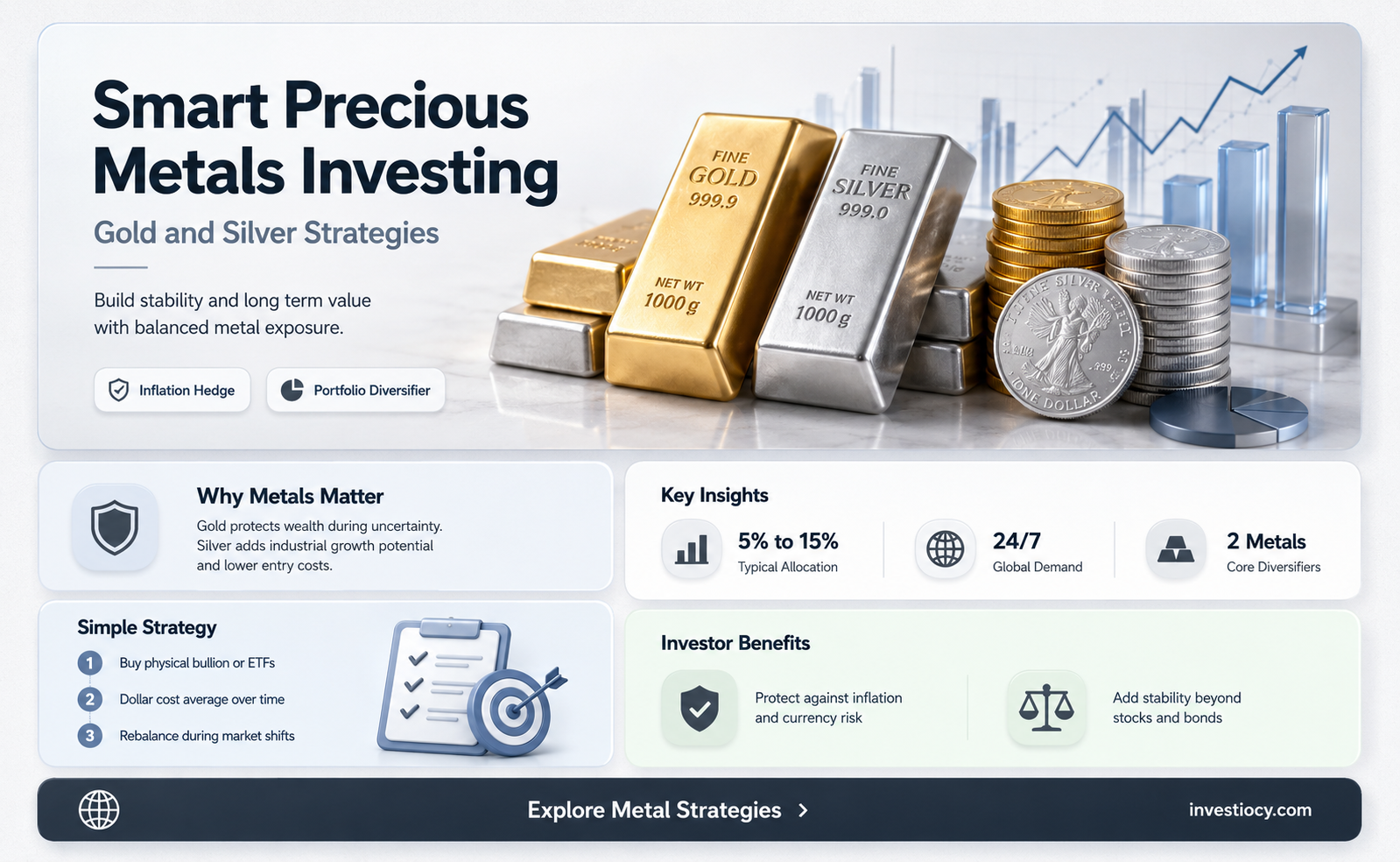
Investing in gold and silver can be a strategic move to diversify your portfolio and hedge against inflation and economic uncertainty. These precious metals have historically maintained their value and can provide a stable foundation for long-term wealth preservation. To start investing, you have several options: you can purchase physical gold and silver in the form of coins or bars, invest in exchange-traded funds (ETFs) that track the price of these metals, or buy shares in mining companies. Each method has its own advantages and considerations, such as storage costs for physical metals and the potential volatility of mining stocks. It's essential to research and understand the different investment vehicles and their associated risks before making a decision. Consulting with a financial advisor can also provide personalized guidance tailored to your investment goals and risk tolerance.
Explore related products


What You'll Learn
- Physical Bullion: Buying gold and silver coins or bars directly
- Exchange-Traded Funds (ETFs): Investing in gold and silver ETFs for diversification
- Mining Stocks: Purchasing shares in companies that mine gold and silver
- Bullion Storage: Safely storing physical gold and silver investments
- Market Timing: Strategies for buying and selling gold and silver based on market trends

Physical Bullion: Buying gold and silver coins or bars directly
Physical bullion, such as gold and silver coins or bars, offers a tangible way to invest in precious metals. One of the primary benefits of owning physical bullion is that it provides a hedge against inflation and economic uncertainty. When you hold gold or silver in physical form, you have a direct claim on the metal, which can be particularly reassuring during times of financial instability.
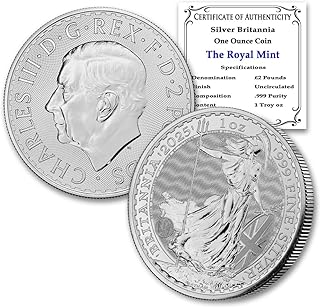
To invest in physical bullion, you'll need to decide on the type of metal you want to purchase—gold or silver—and the form in which you'd like to hold it. Common options include coins, such as the American Gold Eagle or the Silver Maple Leaf, and bars, which can range from small, one-ounce pieces to larger, ten-ounce or even one-kilogram bars. Once you've made your selection, you can purchase bullion from a variety of sources, including online dealers, local coin shops, and even some banks.
When buying physical bullion, it's important to consider the premiums you'll pay over the spot price of the metal. These premiums can vary depending on the dealer, the type of bullion, and the current market conditions. Additionally, you'll need to factor in storage and security costs, as physical bullion requires a secure location to protect it from theft or damage.
One advantage of investing in physical bullion is that it's relatively easy to liquidate. You can sell your coins or bars to dealers, pawn shops, or even online marketplaces. However, it's important to note that the resale value of your bullion may be lower than the price you paid for it, depending on the market conditions and the demand for the specific type of metal you're selling.
In conclusion, investing in physical bullion can be a smart way to diversify your portfolio and protect your wealth against economic uncertainty. By carefully considering your options and understanding the costs and risks involved, you can make an informed decision about whether physical bullion is the right investment for you.
Gold vs. Silver: Which Precious Metal is the Smarter Investment?
You may want to see also
Explore related products




Exchange-Traded Funds (ETFs): Investing in gold and silver ETFs for diversification
Exchange-Traded Funds (ETFs) offer a convenient and diversified way to invest in precious metals like gold and silver. These funds track the price of the underlying metal and can be bought and sold on stock exchanges, providing investors with an accessible entry point into the commodities market.
One of the primary benefits of investing in gold and silver ETFs is diversification. By including these funds in a portfolio, investors can reduce their exposure to market volatility and economic downturns. Precious metals often move inversely to stocks and bonds, meaning that when other assets decline, gold and silver can provide a hedge against losses.
To invest in gold and silver ETFs, follow these steps:
- Research and Select ETFs: Look for ETFs that track the price of gold or silver bullion. Some popular options include the SPDR Gold Shares ETF (GLD) and the iShares Silver Trust ETF (SLV). Consider factors such as the fund's size, liquidity, and expense ratio.
- Open a Brokerage Account: If you don't already have one, open a brokerage account with a reputable firm. Many online brokerages offer commission-free trading on ETFs, making it cost-effective to invest.
- Fund Your Account: Deposit money into your brokerage account. You can typically do this via bank transfer, wire transfer, or by selling other securities.
- Place Your Trade: Once your account is funded, place an order to buy the selected gold or silver ETF. You can usually do this through the brokerage's website or mobile app.
- Monitor and Rebalance: Keep an eye on your investment and periodically rebalance your portfolio to maintain your desired asset allocation. This may involve selling some of your ETF holdings and reinvesting in other assets.
When investing in gold and silver ETFs, it's important to be aware of the risks. While these funds can provide a hedge against inflation and market downturns, they are not without volatility. The price of precious metals can fluctuate significantly in response to economic news, geopolitical events, and changes in investor sentiment. Additionally, ETFs carry counterparty risk, as they are backed by physical metal held by a custodian.
In conclusion, investing in gold and silver ETFs can be a strategic way to diversify a portfolio and gain exposure to the precious metals market. By following the steps outlined above and being mindful of the associated risks, investors can potentially benefit from the unique advantages that these funds offer.
Is Gold a Wise Investment Choice in Today's Market?
You may want to see also
Explore related products


Mining Stocks: Purchasing shares in companies that mine gold and silver
Investing in mining stocks can be a lucrative way to gain exposure to gold and silver markets. By purchasing shares in companies that mine these precious metals, investors can potentially benefit from both the intrinsic value of the metals and the company's operational efficiencies. However, it's crucial to conduct thorough research before diving into this sector, as mining stocks can be volatile and subject to various risks.
One key consideration is the company's management team and their track record of success. Look for companies with experienced executives who have a history of delivering on promises and creating value for shareholders. Additionally, it's important to assess the company's financial health, including its debt levels, cash flow, and profitability. A strong balance sheet and consistent revenue growth are indicators of a well-managed mining company.
Another factor to consider is the company's mining operations and the quality of its assets. Evaluate the company's production levels, the grade of the ore it mines, and the costs associated with extraction. Companies with low-cost operations and high-grade deposits are typically more attractive investments. Furthermore, consider the company's exploration activities and its pipeline of potential new discoveries. A company with a robust exploration program and promising prospects for future growth can be a good long-term investment.
When investing in mining stocks, it's also important to be aware of the broader market trends and the factors that influence the price of gold and silver. Geopolitical events, economic conditions, and changes in central bank policies can all impact the demand for precious metals and, in turn, the performance of mining stocks. By staying informed about these factors and conducting regular portfolio reviews, investors can make informed decisions about when to buy, hold, or sell mining stocks.
In conclusion, investing in mining stocks can be a rewarding strategy for those looking to gain exposure to gold and silver markets. However, it requires careful research, a deep understanding of the companies involved, and an awareness of the broader market trends. By following these guidelines and maintaining a disciplined approach, investors can potentially achieve significant returns in this sector.
Shining Prospects: Why Silver Outperforms Gold as a Smart Investment Choice
You may want to see also
Explore related products


Bullion Storage: Safely storing physical gold and silver investments
Storing physical gold and silver investments securely is paramount to protecting your assets. One of the most critical decisions you'll make as a precious metal investor is choosing the right storage method. This section will delve into the various options available, highlighting their advantages and disadvantages to help you make an informed choice.
Home storage is a popular option for many investors due to its convenience and cost-effectiveness. However, it also comes with significant risks. Storing large amounts of bullion at home can make you a target for theft, and in the event of a fire or natural disaster, your investments could be lost. To mitigate these risks, consider investing in a high-quality safe that is both fireproof and theft-resistant. Additionally, ensure that your safe is bolted to the floor and hidden from view to deter potential burglars.
Another option is to store your bullion in a bank safe deposit box. This method offers greater security than home storage, as banks typically have advanced security measures in place, such as surveillance cameras, alarms, and secure vaults. However, bank safe deposit boxes may have limited access hours, and you may be required to pay an annual rental fee. Furthermore, in the event of a bank failure, there is a risk that your bullion could be lost or inaccessible.
Professional bullion storage facilities offer a more secure and convenient option for storing large amounts of precious metals. These facilities are specifically designed for storing bullion and typically have advanced security measures, such as biometric access controls, 24/7 surveillance, and armored transport services. Additionally, many professional storage facilities offer insurance options to protect your investments against loss or theft. However, these services may come at a higher cost than home storage or bank safe deposit boxes.
When choosing a storage method, it's essential to consider your individual needs and circumstances. Factors such as the size of your investment, your risk tolerance, and your access requirements should all be taken into account. Ultimately, the goal is to find a storage solution that provides the right balance of security, convenience, and cost-effectiveness for your specific situation.
In conclusion, safely storing physical gold and silver investments is a critical aspect of precious metal investing. By carefully considering the various storage options available and weighing their advantages and disadvantages, you can make an informed decision that will help protect your assets for years to come.
Unlocking the Golden Future: A Beginner's Guide to Investing in Gold Futures
You may want to see also
Explore related products




Market Timing: Strategies for buying and selling gold and silver based on market trends
Market timing is a critical aspect of investing in gold and silver. The key to successful market timing lies in understanding and leveraging market trends. One strategy is to buy during periods of low demand and sell when demand is high. This can be identified by monitoring market indices and economic indicators such as GDP growth, inflation rates, and interest rates.
Another approach is to use technical analysis, which involves studying charts and patterns to predict future price movements. This can include identifying support and resistance levels, trend lines, and candlestick patterns. Fundamental analysis, on the other hand, focuses on the underlying factors that affect the price of gold and silver, such as supply and demand, geopolitical events, and central bank policies.
Investors can also use a combination of both technical and fundamental analysis to make more informed decisions. It's important to note that market timing can be risky, and it's essential to have a solid understanding of the market and its trends before attempting to time the market. Additionally, investors should always have a diversified portfolio and should not put all their eggs in one basket.
In terms of practical tips, investors should consider setting stop-loss orders to limit potential losses and take profits when the market moves in their favor. They should also be aware of the tax implications of buying and selling gold and silver, as well as any fees associated with trading. Finally, investors should always stay informed and up-to-date on market news and trends to make the most informed decisions possible.
Securing Your Future: The Timeless Value of Gold and Silver Investments
You may want to see also
Frequently asked questions
There are several ways to invest in gold and silver, including buying physical bullion (coins or bars), investing in exchange-traded funds (ETFs) or mutual funds that track the price of gold and silver, purchasing mining stocks, or trading futures and options contracts.
Gold and silver are often seen as safe-haven assets that can provide a hedge against inflation, currency devaluation, and economic uncertainty. They can also offer portfolio diversification and potential long-term growth.
The price of gold and silver is determined by supply and demand in the global market. You can find the current spot price on financial websites or through a precious metals dealer. Keep in mind that prices can fluctuate frequently.
The decision to invest in gold or silver depends on your investment goals, risk tolerance, and market outlook. Gold is often seen as a more stable investment, while silver can be more volatile but has the potential for higher returns. Consider diversifying your portfolio with both metals.
If you own physical gold and silver, it's important to store them securely. Options include a home safe, a safety deposit box at a bank, or a third-party storage facility. For ETFs, mutual funds, and mining stocks, your investments will be held electronically through your brokerage account.