Clark Galvan
Investing in gold can be a strategic move to diversify your portfolio and safeguard against economic uncertainties. Gold has historically served as a stable store of value, often gaining in price during times of market volatility. If you're considering investing in gold, there are several avenues to explore. You could purchase physical gold in the form of bars or coins from reputable dealers, invest in gold exchange-traded funds (ETFs) that track the price of gold, or buy shares in gold mining companies. Each option has its own set of advantages and risks, so it's essential to do your research and understand your investment goals before making a decision. Additionally, consider consulting with a financial advisor to determine the best approach for your specific financial situation.
Explore related products


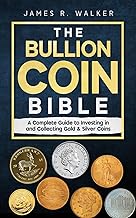


What You'll Learn
- Physical Gold: Invest in gold bars, coins, or jewelry. Secure storage and insurance are essential
- Gold ETFs: Exchange-traded funds backed by gold offer a convenient way to invest without physical storage
- Gold Mining Stocks: Invest in companies that mine gold. Research their financial health and production capabilities
- Gold Mutual Funds: Professionally managed funds that invest in gold-related assets, providing diversification
- Gold IRAs: Individual retirement accounts that allow investment in gold, offering tax advantages

Physical Gold: Invest in gold bars, coins, or jewelry. Secure storage and insurance are essential
Investing in physical gold is a tangible way to diversify your portfolio and hedge against economic uncertainty. Gold bars, coins, and jewelry are popular forms of physical gold investment, each with its own set of considerations. When purchasing gold bars, it's crucial to buy from reputable dealers to ensure authenticity and purity. Coins, on the other hand, can be more accessible and may carry lower premiums, but their value can be influenced by factors beyond gold content, such as rarity and condition. Jewelry, while often the most aesthetically pleasing option, can come with higher markups and may not be as easily liquidated as bars or coins.
Secure storage is paramount when investing in physical gold. Home safes can provide a sense of security, but they may not be sufficient for larger holdings. Consider renting a safety deposit box at a bank or using a specialized gold storage service that offers insurance and 24/7 security. Insurance is another critical aspect, as it protects your investment from theft, damage, or loss. Make sure your policy covers the full value of your gold holdings and understand the terms and conditions, including any exclusions or limitations.
One unique angle to consider when investing in physical gold is the potential for fractional ownership. Some dealers and platforms allow investors to purchase fractions of gold bars or coins, making it more accessible to those with limited capital. This can be an effective way to start building a gold portfolio without committing to a full ounce or bar. Additionally, consider the liquidity of your physical gold investment. While gold is a highly liquid asset, selling physical gold can sometimes take longer and may involve additional fees compared to selling gold ETFs or mutual funds.
When evaluating the performance of your physical gold investment, it's essential to consider both the gold price and the premiums you paid. Premiums can vary significantly between different forms of physical gold, and understanding these costs is crucial for making informed investment decisions. Furthermore, be aware of the tax implications of investing in physical gold. In some jurisdictions, gains from the sale of gold may be subject to capital gains tax, and it's important to consult with a tax professional to understand your specific situation.
In conclusion, investing in physical gold can be a solid strategy for diversifying your portfolio and protecting against economic downturns. By carefully considering the different forms of physical gold, ensuring secure storage and insurance, and understanding the associated costs and tax implications, you can make the most of this valuable investment opportunity.
Smart Strategies for Investing in Gold: A Beginner's Guide
You may want to see also
Explore related products


Gold ETFs: Exchange-traded funds backed by gold offer a convenient way to invest without physical storage
Gold ETFs, or Exchange-Traded Funds, are a popular investment vehicle for those looking to gain exposure to the gold market without the hassles of physical storage. These funds are designed to track the price of gold, offering investors a convenient and liquid way to participate in the precious metal's price movements.
One of the primary benefits of gold ETFs is their ease of access. Unlike physical gold, which requires secure storage and can be cumbersome to buy and sell, gold ETFs can be traded on stock exchanges just like any other equity. This makes them an attractive option for investors who want to diversify their portfolios with gold but don't want to deal with the logistical challenges of owning physical bullion.
Another advantage of gold ETFs is their cost-effectiveness. While physical gold can involve significant markups and storage fees, gold ETFs typically have lower expense ratios and no storage costs. This can make them a more affordable way to invest in gold, especially for smaller investors.
However, it's important to note that gold ETFs are not without risks. Like any investment, they can be subject to market volatility and price fluctuations. Additionally, gold ETFs are often backed by physical gold held by a custodian, which introduces a level of counterparty risk. If the custodian fails or is unable to deliver the gold, the ETF's value could be negatively impacted.
When considering gold ETFs as an investment option, it's crucial to do your research and understand the specific fund's structure, fees, and risks. Look for ETFs with a strong track record, low expense ratios, and a reputable custodian. By carefully evaluating these factors, you can make an informed decision about whether gold ETFs are the right choice for your investment portfolio.
Gold vs. Silver: Which Precious Metal is the Smarter Investment?
You may want to see also
Explore related products


Gold Mining Stocks: Invest in companies that mine gold. Research their financial health and production capabilities
Investing in gold mining stocks offers a dynamic way to participate in the gold market, potentially providing higher returns than physical gold or gold ETFs. To begin, identify a list of gold mining companies, focusing on those with a strong track record of production and financial stability. Look for companies that have consistently increased their gold reserves and have a robust pipeline of future projects. Analyze their financial statements to assess their debt levels, cash flow, and profitability ratios. A company with a low debt-to-equity ratio and a high return on equity is generally considered financially healthy.
Next, evaluate the production capabilities of these companies. Consider factors such as the size and quality of their mines, their extraction methods, and their history of meeting production targets. Companies with diverse portfolios of mines in politically stable regions are often less risky. Additionally, assess the management team's experience and their strategy for growth and sustainability. A strong management team with a clear vision can significantly impact a company's long-term success.
It's also crucial to monitor the geopolitical and economic environment, as these factors can greatly influence the gold market. For instance, periods of economic uncertainty or inflation often drive up the price of gold, benefiting gold mining stocks. Conversely, a strong dollar or rising interest rates can depress gold prices. By staying informed about these trends, you can make more informed investment decisions.
Finally, consider diversifying your portfolio by investing in a mix of large-cap and small-cap gold mining stocks. Large-cap companies tend to be more stable and have greater resources, while small-cap companies can offer higher growth potential but come with higher risks. Regularly review and rebalance your portfolio to ensure it aligns with your investment goals and risk tolerance.
In summary, investing in gold mining stocks requires thorough research into the financial health and production capabilities of potential companies, as well as an understanding of the broader economic and geopolitical landscape. By following these guidelines, you can build a well-diversified portfolio that capitalizes on the opportunities presented by the gold market.
Unveiling the Truth: Is Noble Gold Investments Legitimate?
You may want to see also
Explore related products


Gold Mutual Funds: Professionally managed funds that invest in gold-related assets, providing diversification
Gold mutual funds offer a convenient and diversified way to invest in gold without the need to purchase and store physical bullion. These funds are professionally managed and invest in a variety of gold-related assets, such as gold mining stocks, gold ETFs, and other gold-backed securities. This diversification helps to spread risk and can potentially lead to higher returns compared to investing in physical gold alone.
One of the key benefits of gold mutual funds is their liquidity. Unlike physical gold, which can be difficult and costly to sell, mutual fund shares can be easily bought and sold on the stock market. This makes gold mutual funds a more flexible investment option for those who may need to access their funds quickly.
When choosing a gold mutual fund, it's important to consider the fund's investment strategy and the types of gold-related assets it holds. Some funds may focus primarily on gold mining stocks, while others may hold a mix of gold ETFs, gold futures, and other gold-backed securities. It's also important to consider the fund's expense ratio, as higher fees can eat into your returns over time.
Gold mutual funds can be a good option for investors who are looking for a way to add gold to their portfolio without the hassle of physical storage. However, it's important to remember that these funds are not without risk. The value of gold can be volatile, and gold mining stocks can be particularly sensitive to changes in the price of gold. As with any investment, it's important to do your research and consult with a financial advisor before making a decision.
Smart Strategies for Safely Investing in Gold: A Beginner's Guide
You may want to see also
Explore related products





Gold IRAs: Individual retirement accounts that allow investment in gold, offering tax advantages
Gold IRAs, or Individual Retirement Accounts that permit investment in gold, present a unique opportunity for investors seeking to diversify their retirement portfolios. Unlike traditional IRAs that limit investments to stocks, bonds, and mutual funds, Gold IRAs allow individuals to invest in physical gold, gold ETFs, or gold mining stocks, providing a hedge against inflation and economic uncertainty.
One of the primary advantages of Gold IRAs is their tax benefits. Contributions to a Gold IRA are tax-deductible, similar to traditional IRAs, and the investment grows tax-deferred until withdrawal. This can result in significant tax savings over time, especially for those in higher tax brackets. Additionally, Gold IRAs offer the same retirement distribution rules as traditional IRAs, allowing investors to begin taking penalty-free withdrawals at age 59½.
To invest in a Gold IRA, individuals must first choose a custodian that specializes in self-directed IRAs, as not all custodians offer gold investment options. Once a custodian is selected, the investor can open a Gold IRA account and begin making contributions. It's important to note that the IRS has specific requirements for the type and purity of gold that can be held in an IRA, so investors should ensure they are purchasing eligible gold products.
When considering a Gold IRA, it's essential to understand the potential risks and drawbacks. Gold prices can be volatile, and there may be storage and insurance costs associated with holding physical gold. Additionally, investors should be aware of the fees charged by the custodian and any potential penalties for early withdrawals.
Despite these considerations, Gold IRAs can be a valuable addition to a diversified retirement strategy. By providing a tangible asset that is not correlated with traditional investments, Gold IRAs can help protect against market downturns and preserve wealth over the long term. As with any investment, it's crucial to conduct thorough research and consult with a financial advisor before making a decision.
Diversify Your Portfolio: A Beginner's Guide to Gold and Silver ETFs
You may want to see also
Frequently asked questions
You can invest in gold through various avenues such as buying physical gold (bars, coins), gold ETFs, gold mining stocks, or gold futures.
Gold is often seen as a safe-haven asset that can help diversify your portfolio, protect against inflation, and preserve wealth over the long term.
The price of gold is typically quoted in troy ounces and can be found through financial news websites, precious metal dealers, or stock market platforms.
Yes, like any investment, gold carries risks such as price volatility, storage costs (for physical gold), and the potential for theft or fraud.
Physical gold should be stored in a secure location such as a home safe, a bank safety deposit box, or a specialized vault to protect it from theft or damage.