Lester Freeman
Investing in gold has long been a popular strategy for diversifying one's portfolio and safeguarding against economic uncertainty. Gold is often seen as a safe-haven asset, meaning its value tends to remain stable or even increase during times of market volatility or geopolitical tension. There are several ways to invest in gold, including purchasing physical gold bars or coins, investing in gold exchange-traded funds (ETFs), or buying shares in gold mining companies. Each method has its own advantages and disadvantages, and the best approach will depend on an individual's investment goals, risk tolerance, and financial situation. Before investing in gold, it's important to understand the market dynamics, the different investment options available, and the potential risks and rewards associated with each strategy.
Explore related products


What You'll Learn
- Physical Gold: Invest in gold bars, coins, or jewelry. Secure storage and insurance are essential
- Gold ETFs: Exchange-traded funds backed by gold offer a convenient way to invest without physical storage
- Gold Mining Stocks: Invest in companies that mine gold. Research their financial health and production capabilities
- Gold Mutual Funds: Professionally managed funds that invest in gold-related assets, providing diversification
- Gold Futures and Options: Advanced investors can trade gold futures or options, which offer leverage but also higher risk

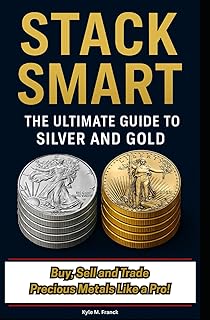
Physical Gold: Invest in gold bars, coins, or jewelry. Secure storage and insurance are essential
Investing in physical gold is a tangible way to diversify your portfolio and hedge against economic uncertainties. Gold bars, coins, and jewelry are popular forms of physical gold investment, each with its own set of considerations. When purchasing gold bars, it's crucial to buy from reputable dealers to ensure authenticity and purity. Coins, on the other hand, can be more accessible and come in various denominations, making them suitable for smaller investments. Jewelry, while often seen as a dual investment in both gold and craftsmanship, can be more challenging to value and sell.
Secure storage is paramount when investing in physical gold. Home safes, bank vaults, or specialized gold storage facilities are options to consider. Each method has its pros and cons, such as accessibility, cost, and security levels. Insurance is another critical aspect, as it protects your investment from theft, damage, or loss. Policies can vary widely, so it's essential to shop around for coverage that meets your specific needs and budget.
One unique angle to consider when investing in physical gold is the potential for tax advantages. In some jurisdictions, gold investments may be exempt from certain taxes or offer favorable tax treatment. It's advisable to consult with a tax professional to understand the implications and potential benefits in your specific situation.
Another important consideration is the liquidity of your physical gold investment. Unlike stocks or bonds, selling physical gold can be more complex and time-consuming. You may need to find a buyer, have the gold appraised, and deal with the logistics of secure transport. This process can be streamlined by working with established gold dealers or auction houses, but it's still a factor to keep in mind when considering the overall strategy of your gold investment.
In conclusion, investing in physical gold can be a rewarding and secure way to protect your wealth, but it requires careful planning and consideration. By understanding the nuances of gold bars, coins, and jewelry, as well as the importance of secure storage, insurance, and tax implications, you can make informed decisions that align with your investment goals.
Shining but Risky: Rethinking Gold as a Safe Investment
You may want to see also
Explore related products




Gold ETFs: Exchange-traded funds backed by gold offer a convenient way to invest without physical storage
Gold ETFs, or Exchange-Traded Funds, have revolutionized the way investors can participate in the gold market. Unlike traditional methods of investing in gold, such as purchasing physical bullion or mining stocks, gold ETFs offer a convenient and accessible avenue for investors to gain exposure to gold prices without the need for physical storage. This innovation has democratized gold investment, making it available to a broader range of investors.
One of the primary advantages of gold ETFs is their ease of use. Investors can buy and sell shares of these funds on stock exchanges, just like any other equity. This means that gold ETFs can be traded during regular market hours, providing liquidity and flexibility. Additionally, gold ETFs eliminate the logistical challenges associated with storing physical gold, such as security concerns and storage costs. Instead, the fund manages the storage and security of the gold, allowing investors to focus on their investment strategy.
Gold ETFs also offer diversification benefits. By investing in a gold ETF, investors can gain exposure to the gold market while still maintaining a diversified portfolio. This is particularly important for investors who are looking to hedge against inflation or geopolitical uncertainty, as gold is often seen as a safe-haven asset. Furthermore, gold ETFs can be used to gain exposure to different segments of the gold market, such as gold mining companies or gold futures contracts, providing investors with a range of options to suit their investment objectives.
However, it is important for investors to understand the risks associated with gold ETFs. Like any investment, gold ETFs carry market risk, and the price of gold can be volatile. Additionally, gold ETFs may be subject to tracking errors, where the fund's performance does not perfectly match the underlying gold price. Investors should also be aware of the fees associated with gold ETFs, such as management fees and transaction costs, which can impact the overall return on investment.
In conclusion, gold ETFs offer a convenient and accessible way for investors to participate in the gold market without the need for physical storage. They provide liquidity, diversification benefits, and exposure to different segments of the gold market. However, investors should be aware of the risks and fees associated with gold ETFs and should carefully consider their investment objectives before investing.
Golden Opportunities: A Beginner's Guide to Investing in Gold
You may want to see also
Explore related products


Gold Mining Stocks: Invest in companies that mine gold. Research their financial health and production capabilities
Investing in gold mining stocks can be a lucrative way to gain exposure to the precious metal market. However, it's crucial to conduct thorough research on the financial health and production capabilities of these companies before making an investment. Here are some key factors to consider:
First, examine the company's financial statements to assess its profitability, debt levels, and cash flow. Look for companies with a strong balance sheet and consistent revenue growth. It's also important to evaluate the company's management team and their track record of delivering on promises.
Next, consider the company's production capabilities. Look at their current production levels, as well as their plans for future expansion or development of new mines. It's also important to assess the geopolitical risks associated with the company's operations, as these can have a significant impact on production and profitability.
Another factor to consider is the company's valuation. Compare the company's price-to-earnings ratio and other valuation metrics to those of its peers in the industry. This can help you determine whether the stock is undervalued or overvalued.
Finally, it's important to diversify your portfolio by investing in a mix of gold mining stocks. This can help mitigate the risks associated with any one company and provide a more stable return over time. Consider investing in a gold mining ETF or mutual fund to gain exposure to a broader range of companies in the sector.
By conducting thorough research and considering these key factors, you can make informed investment decisions in gold mining stocks and potentially reap the rewards of this lucrative market.
Smart Precious Metals Investing: Gold and Silver Strategies
You may want to see also
Explore related products



Gold Mutual Funds: Professionally managed funds that invest in gold-related assets, providing diversification
Gold mutual funds offer investors a convenient and diversified way to invest in gold-related assets. These professionally managed funds pool money from multiple investors to purchase a variety of gold-related securities, such as gold mining stocks, gold ETFs, and other gold-backed instruments. This diversification helps to spread risk and can potentially lead to more stable returns compared to investing in a single gold stock or ETF.
One of the key benefits of gold mutual funds is their professional management. Fund managers have the expertise and resources to research and select the best gold-related investments, taking into account factors such as market trends, economic conditions, and company performance. This can be particularly advantageous for investors who may not have the time or knowledge to conduct their own research.
Another benefit of gold mutual funds is their liquidity. Unlike physical gold, which can be difficult and costly to buy and sell, mutual funds can be easily traded on the stock market. This allows investors to quickly and efficiently adjust their portfolios in response to changing market conditions.
However, it's important to note that gold mutual funds also come with some risks. The value of the fund can fluctuate based on the performance of the underlying gold-related investments, as well as broader market trends. Additionally, investors may be subject to fees and expenses associated with the fund's management and operation.
When considering investing in gold mutual funds, it's essential to conduct thorough research and choose a fund that aligns with your investment goals and risk tolerance. Look for funds with a strong track record, experienced management, and a diversified portfolio of gold-related investments. It's also important to consider the fund's fees and expenses, as these can impact your overall returns.
In conclusion, gold mutual funds can be a valuable addition to an investor's portfolio, offering diversification, professional management, and liquidity. However, it's crucial to carefully evaluate the risks and choose a fund that meets your specific investment needs.
Shining Prospects: Why Silver Outperforms Gold as a Smart Investment Choice
You may want to see also
Explore related products


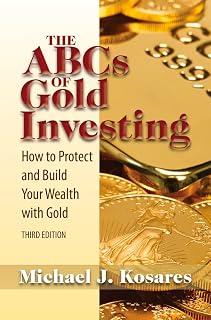

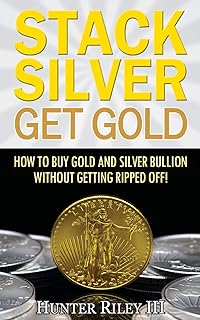

Gold Futures and Options: Advanced investors can trade gold futures or options, which offer leverage but also higher risk
Advanced investors looking to capitalize on gold market fluctuations can explore trading gold futures or options. These financial instruments offer significant leverage, allowing traders to control large positions with relatively small capital outlays. However, this leverage comes with increased risk, making it essential for investors to understand the intricacies of these markets before diving in.
Gold futures contracts are agreements to buy or sell a specific quantity of gold at a predetermined price on a future date. These contracts are standardized and traded on regulated exchanges, providing a transparent and liquid market. Investors can use futures to speculate on price movements or hedge against other investments. For instance, a trader who believes gold prices will rise can buy a futures contract, locking in a price and potentially profiting from future price increases. Conversely, a trader holding gold can sell futures to protect against potential price drops.
Options, on the other hand, give the holder the right, but not the obligation, to buy or sell gold at a specific price before a certain date. This flexibility makes options a popular choice for investors seeking to manage risk or speculate on price movements without the commitment of a futures contract. For example, buying a call option allows an investor to purchase gold at a set price if the market price rises above that level, while a put option provides the right to sell gold at a predetermined price if the market price falls.
Trading gold futures and options requires a deep understanding of market dynamics, risk management strategies, and technical analysis. Investors must be prepared to monitor their positions closely and make swift decisions in response to market changes. Additionally, it's crucial to have a solid grasp of the underlying gold market, including factors influencing supply and demand, geopolitical events, and economic indicators.
To mitigate risks, traders often employ various strategies, such as diversification, stop-loss orders, and position sizing. Diversification involves spreading investments across different assets to reduce exposure to any single market. Stop-loss orders are used to automatically close positions if they reach a predetermined loss threshold, helping to limit potential losses. Position sizing refers to determining the appropriate amount of capital to allocate to each trade, taking into account the trader's risk tolerance and account size.
In conclusion, gold futures and options offer advanced investors the opportunity to profit from gold market movements with significant leverage. However, these instruments also carry higher risks, making it essential for traders to have a comprehensive understanding of the markets and employ effective risk management strategies. By doing so, investors can potentially capitalize on gold's price volatility while minimizing their exposure to market downturns.
Timeless Elegance: The Enduring Value of Gold Jewelry Investments
You may want to see also
Frequently asked questions
There are several ways to invest in gold, including buying physical gold (such as coins or bars), investing in gold ETFs (exchange-traded funds), purchasing gold mining stocks, or trading gold futures and options.
Yes, investing in gold can be a good way to diversify your portfolio. Gold often moves inversely to other asset classes like stocks and bonds, which can help reduce overall portfolio risk.
The price of gold fluctuates based on various factors such as supply and demand, inflation rates, interest rates, geopolitical tensions, and market sentiment.
Gold is often considered a safe-haven asset during economic uncertainty. Investing in gold can provide a hedge against inflation, currency devaluation, and market volatility.
Some potential downsides of investing in gold include its lack of dividends or interest, storage costs for physical gold, and the possibility of price fluctuations. Additionally, gold may not perform as well as other investments during periods of economic growth.