 Josephine Norton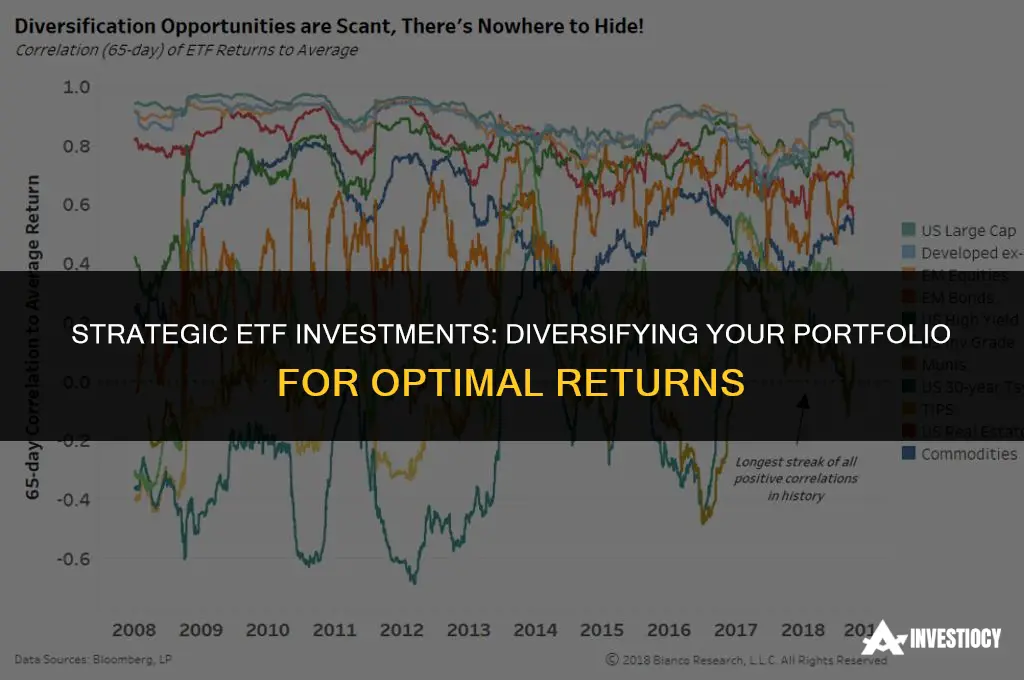
Investing in Exchange-Traded Funds (ETFs) has become a popular strategy for both novice and experienced investors due to their flexibility, diversification, and relatively low cost. ETFs are baskets of securities that trade on stock exchanges, offering exposure to a wide range of markets, sectors, and asset classes. When considering which ETFs to invest in, it's crucial to align your choices with your investment goals, risk tolerance, and time horizon. For instance, if you're looking for broad market exposure, you might consider ETFs that track major indices like the S&P 500 or the Dow Jones. Alternatively, if you're interested in specific sectors such as technology, healthcare, or renewable energy, there are ETFs designed to provide targeted exposure to these areas. Additionally, it's important to evaluate the fund's performance history, expense ratio, and the credibility of the fund manager. Diversifying your portfolio across different ETFs can help mitigate risk and optimize returns, making it a cornerstone of modern investment strategies.
Explore related products




What You'll Learn
- Technology ETFs: Invest in tech giants and innovative startups for potential high growth
- Healthcare ETFs: Capitalize on the growing healthcare sector, including pharmaceuticals and medical devices
- Sustainable ETFs: Focus on environmentally and socially responsible companies for ethical investing
- Dividend ETFs: Target high-yielding stocks that provide regular income through dividends
- International ETFs: Diversify your portfolio by investing in global markets outside the U.S

Technology ETFs: Invest in tech giants and innovative startups for potential high growth
Technology ETFs offer investors a diversified way to tap into the rapidly growing tech sector, which includes both established giants and innovative startups. These exchange-traded funds (ETFs) are designed to track the performance of a specific index or sector within the technology industry, providing broad exposure to a range of companies involved in areas such as software, hardware, internet services, and more. By investing in technology ETFs, investors can potentially benefit from the high growth rates associated with the tech sector, while also spreading their risk across multiple companies.
One of the key advantages of technology ETFs is their ability to provide access to a wide range of tech companies, from large-cap leaders like Apple, Microsoft, and Amazon to smaller, innovative startups that may have significant growth potential. This diversification can help investors mitigate the risks associated with investing in individual stocks, as the performance of a single company is less likely to have a significant impact on the overall portfolio. Additionally, technology ETFs often have lower fees compared to actively managed funds, making them a cost-effective option for investors looking to gain exposure to the tech sector.
When selecting a technology ETF, investors should consider factors such as the fund's investment strategy, the specific companies it holds, and its historical performance. Some ETFs may focus on specific sub-sectors within technology, such as cybersecurity or artificial intelligence, while others may have a broader focus. Investors should also be aware of the risks associated with investing in the tech sector, including regulatory changes, intense competition, and rapid technological obsolescence. By carefully evaluating these factors, investors can choose a technology ETF that aligns with their investment goals and risk tolerance.
In conclusion, technology ETFs can be an attractive option for investors looking to capitalize on the growth potential of the tech sector. By providing diversified exposure to a range of companies, these funds can help investors spread their risk while still participating in the high-growth opportunities offered by the technology industry. However, it is important for investors to carefully consider the specific characteristics of each ETF and to be aware of the risks associated with investing in the tech sector. With the right approach, technology ETFs can be a valuable addition to a well-rounded investment portfolio.
Smart Start: A Beginner's Guide to ETF Investing
You may want to see also
Explore related products


Healthcare ETFs: Capitalize on the growing healthcare sector, including pharmaceuticals and medical devices
The healthcare sector is experiencing unprecedented growth, driven by an aging population, advancements in medical technology, and increased demand for healthcare services. This presents a compelling opportunity for investors to capitalize on the sector's expansion through healthcare ETFs. These exchange-traded funds offer a diversified portfolio of healthcare-related stocks, including pharmaceuticals and medical devices, allowing investors to tap into the sector's potential without the need for extensive research or large capital outlays.
One of the key advantages of healthcare ETFs is their ability to provide broad exposure to the sector. By investing in a healthcare ETF, investors can gain access to a wide range of companies, from large-cap pharmaceuticals to small-cap medical device manufacturers. This diversification helps to mitigate risk and allows investors to benefit from the growth of the sector as a whole. Additionally, healthcare ETFs are often actively managed, with fund managers selecting and rebalancing the portfolio to ensure optimal performance.
When selecting a healthcare ETF, investors should consider factors such as the fund's size, expense ratio, and performance history. Larger funds tend to have lower expense ratios and more stable performance, while smaller funds may offer higher growth potential but come with higher fees. Investors should also pay attention to the fund's holdings and investment strategy, ensuring that they align with their own investment goals and risk tolerance.
Some popular healthcare ETFs include the Health Care Select Sector SPDR Fund (XLV), the Vanguard Health Care ETF (VHT), and the iShares U.S. Healthcare ETF (IYH). These funds have a strong track record of performance and offer a diversified portfolio of healthcare-related stocks. However, investors should conduct their own research and consult with a financial advisor before making any investment decisions.
In conclusion, healthcare ETFs provide a convenient and effective way for investors to capitalize on the growing healthcare sector. By offering broad exposure to a diverse range of companies, these funds allow investors to benefit from the sector's expansion while mitigating risk. With careful selection and consideration of factors such as fund size, expense ratio, and performance history, investors can position themselves to take advantage of the healthcare sector's continued growth.
Smart Investing: Your Guide to Dow Jones ETFs
You may want to see also
Explore related products


Sustainable ETFs: Focus on environmentally and socially responsible companies for ethical investing
As the global focus on sustainability intensifies, investors are increasingly seeking ways to align their portfolios with their environmental and social values. Sustainable ETFs, which focus on environmentally and socially responsible companies, offer an avenue for ethical investing. These funds typically invest in companies that demonstrate strong ESG (Environmental, Social, and Governance) practices, such as reducing carbon emissions, promoting diversity and inclusion, and maintaining transparent governance structures.
One unique angle to consider when investing in sustainable ETFs is the specific themes or sectors they target. For instance, some ETFs may focus on renewable energy, while others might emphasize companies with strong social justice records. Investors should identify their personal values and priorities to select ETFs that best match their ethical investing goals. Additionally, it's crucial to evaluate the fund's methodology for selecting and weighting its holdings to ensure it aligns with one's investment criteria.
Another important consideration is the performance and risk profile of sustainable ETFs. While some investors may assume that ethical investing means sacrificing returns, many sustainable ETFs have demonstrated competitive performance relative to their non-ESG counterparts. However, it's essential to understand the potential risks associated with these investments, such as regulatory changes or shifts in consumer sentiment towards ESG issues. Investors should conduct thorough research and consult with financial advisors to build a well-diversified portfolio that balances their values with their financial objectives.
In conclusion, sustainable ETFs provide a compelling opportunity for investors to make a positive impact while potentially achieving their financial goals. By carefully selecting ETFs that align with their values and conducting rigorous due diligence, investors can construct a portfolio that reflects their commitment to environmental and social responsibility.
Smart Investing: A Beginner's Guide to ETFs with Fidelity
You may want to see also
Explore related products




Dividend ETFs: Target high-yielding stocks that provide regular income through dividends
Dividend ETFs are a popular investment choice for those seeking regular income through dividends. These ETFs are designed to track a specific index or sector and distribute the dividends earned by the underlying stocks to investors. One of the key benefits of dividend ETFs is that they provide a diversified portfolio of high-yielding stocks, which can help reduce risk and increase potential returns.
When selecting a dividend ETF, it's important to consider the yield, the dividend payout ratio, and the overall performance of the fund. The yield is the annual dividend payment expressed as a percentage of the stock's current price. A higher yield indicates a higher income potential, but it's also important to consider the sustainability of the dividend payments. The dividend payout ratio is the percentage of earnings that are paid out as dividends. A high payout ratio may indicate that the company is committed to returning value to shareholders, but it could also suggest that the company has limited growth potential.
Another factor to consider is the overall performance of the fund. This includes not only the dividend yield but also the capital appreciation potential. A well-performing dividend ETF should have a strong track record of both dividend payments and capital gains. It's also important to consider the fund's expenses, as high fees can eat into your returns.
One popular dividend ETF is the Vanguard Dividend Appreciation ETF (VIG). This fund tracks the S&P 500 Dividend Aristocrats Index, which includes companies that have increased their dividends for at least 25 consecutive years. VIG has a relatively low expense ratio and a strong track record of performance.
Another option is the iShares Core S&P 500 Dividend ETF (SDY). This fund also tracks the S&P 500 Dividend Aristocrats Index and has a similar expense ratio to VIG. However, SDY has a slightly higher yield and a different portfolio composition.
Ultimately, the best dividend ETF for you will depend on your individual investment goals and risk tolerance. It's important to do your research and consult with a financial advisor before making any investment decisions.
Diversify Your Portfolio: A Beginner's Guide to Investing in Silver ETFs
You may want to see also
Explore related products




International ETFs: Diversify your portfolio by investing in global markets outside the U.S
Investing in international ETFs can be a strategic move for investors looking to spread their risk and capitalize on growth opportunities outside the U.S. These funds provide exposure to a basket of securities in various countries, allowing for diversification across different economies and markets. When selecting international ETFs, it's crucial to consider factors such as the fund's investment objective, geographic focus, and currency exposure.
One approach to international ETF investing is to target specific regions or countries that are expected to outperform the global market. For instance, emerging markets like China, India, and Brazil offer potential for high growth, albeit with higher volatility. Investors might also consider developed markets such as Japan, Germany, or the United Kingdom for more stable returns. Sector-specific international ETFs, focusing on areas like technology, healthcare, or energy, can further refine investment strategies.
Currency exposure is another key consideration, as fluctuations in exchange rates can significantly impact returns. Some international ETFs are hedged against currency risk, while others are not. Investors should assess their risk tolerance and investment goals to determine the most suitable currency exposure strategy. Additionally, it's important to be aware of the tax implications and regulatory differences when investing in international ETFs, as these can vary significantly from U.S.-based funds.
To mitigate risk, investors should maintain a diversified portfolio that includes a mix of international and domestic ETFs. Regular monitoring and rebalancing of the portfolio can help ensure that it remains aligned with the investor's objectives and risk profile. By carefully selecting and managing international ETFs, investors can enhance their portfolio's resilience and potentially achieve higher long-term returns.
Smart Investing: A Beginner's Guide to ETFs
You may want to see also
Frequently asked questions
For beginners, it's often recommended to start with broad market ETFs that track major indices, such as the S&P 500. These provide diversification across a wide range of companies and sectors, reducing risk.
When choosing between ETFs, consider your investment goals, risk tolerance, and the sectors or regions you're interested in. Look at the ETF's prospectus to understand its holdings, management fees, and performance history.
Yes, there are numerous ETFs that focus on specific industries or sectors, such as technology, healthcare, or renewable energy. These can be a good way to target areas of the market that you believe will perform well.
ETFs offer several advantages over individual stocks, including diversification, lower transaction costs, and professional management. They also allow you to invest in a broad market index or specific sector with a single purchase.
ETFs generate returns through a combination of capital appreciation and dividends. The value of the ETF's shares can increase over time as the value of its underlying holdings rises, and many ETFs distribute dividends to shareholders, providing an additional source of income.
