Laila Keith
Investing in Exchange-Traded Funds (ETFs) can be an excellent way for beginners to enter the stock market. ETFs are baskets of securities that trade on an exchange like individual stocks. They offer diversification, which reduces risk by spreading investments across various assets. This is particularly beneficial for beginners who may not have the knowledge or resources to select individual stocks. ETFs also typically have lower fees than actively managed mutual funds, making them a cost-effective option. To start investing in ETFs, beginners should first educate themselves on the basics of ETFs, understand their investment goals and risk tolerance, and then choose a brokerage platform that aligns with their needs. It's also crucial to consider the ETF's expense ratio, the diversity of its holdings, and its historical performance. By doing thorough research and starting with a small investment, beginners can gradually build a solid ETF portfolio.
Explore related products


What You'll Learn
- Understanding ETFs: Learn what ETFs are, how they work, and their benefits over other investments
- Choosing the Right ETF: Research and select ETFs that align with your investment goals, risk tolerance, and market interests
- Opening a Brokerage Account: Find a suitable online broker, open an account, and fund it to start trading ETFs
- Buying and Selling ETFs: Understand the process of purchasing and selling ETF shares, including order types and trading strategies
- Monitoring and Rebalancing: Regularly review your ETF investments, track performance, and adjust your portfolio as needed to maintain balance

Understanding ETFs: Learn what ETFs are, how they work, and their benefits over other investments
Exchange-traded funds (ETFs) are a type of investment fund that holds a collection of assets, such as stocks, bonds, or commodities, and is traded on stock exchanges. They are designed to track the performance of a specific market index or sector, providing investors with a way to diversify their portfolios and reduce risk. ETFs are popular among investors due to their low cost, ease of trading, and tax efficiency.
One of the key benefits of ETFs is their ability to provide broad market exposure with a single investment. For example, an ETF that tracks the S&P 500 index would give an investor exposure to 500 large-cap U.S. companies, reducing the need to invest in individual stocks. This diversification can help to mitigate the risk of any one company's performance negatively impacting the overall portfolio.
ETFs also offer flexibility in terms of investment strategies. There are various types of ETFs available, including equity ETFs, bond ETFs, commodity ETFs, and even inverse ETFs, which are designed to perform inversely to a specific market index. This allows investors to tailor their portfolios to their individual risk tolerance and investment goals.
Another advantage of ETFs is their tax efficiency. Unlike mutual funds, ETFs are not required to distribute capital gains to shareholders, which can result in lower tax liabilities. Additionally, ETFs can be traded throughout the day, providing investors with more control over their investments and the ability to react quickly to market changes.
In conclusion, ETFs are a valuable investment tool for beginners and experienced investors alike. They offer a cost-effective, flexible, and tax-efficient way to gain exposure to a wide range of assets and markets. By understanding how ETFs work and their benefits over other investments, investors can make informed decisions and build a diversified portfolio that aligns with their financial goals.
Diversify Your Portfolio: A Guide to Investing in Farmland ETFs
You may want to see also
Explore related products


Choosing the Right ETF: Research and select ETFs that align with your investment goals, risk tolerance, and market interests
To choose the right ETF, begin by clearly defining your investment goals. Are you looking for long-term growth, regular income, or a combination of both? Understanding your objectives will help you narrow down the vast array of ETFs available. For instance, if your goal is to achieve long-term capital appreciation, you might consider ETFs that track growth-oriented indices or sectors. Conversely, if you're seeking regular income, ETFs that focus on dividend-paying stocks or bonds could be more suitable.
Next, assess your risk tolerance. ETFs come in various risk profiles, from low-risk bond funds to high-risk sector-specific funds. It's crucial to select an ETF that aligns with your comfort level regarding market fluctuations. For example, if you're risk-averse, you may want to opt for ETFs that invest in government bonds or large-cap, stable companies. On the other hand, if you're willing to take on more risk for potentially higher returns, ETFs tracking small-cap stocks or emerging markets could be a better fit.
Consider your market interests as well. ETFs cover a wide range of sectors and asset classes, allowing you to invest in areas that align with your personal interests or market outlook. For instance, if you're bullish on technology, you could invest in a tech-focused ETF. Alternatively, if you believe in the growth potential of renewable energy, there are ETFs that specialize in this sector.
Research is key when selecting an ETF. Look into the fund's historical performance, expense ratio, and the specific securities it holds. Tools like financial websites, ETF databases, and investment apps can provide valuable insights and help you compare different funds. Additionally, consider consulting with a financial advisor or using robo-advisory services for personalized recommendations based on your unique financial situation and goals.
Finally, remember that diversification is essential. While ETFs can be a great way to gain exposure to specific markets or sectors, it's important to maintain a balanced portfolio. Spread your investments across different asset classes, sectors, and geographic regions to minimize risk and maximize potential returns. By following these guidelines and conducting thorough research, you can choose ETFs that are well-suited to your investment goals, risk tolerance, and market interests.
Diversify Your Portfolio: A Beginner's Guide to Investing in Silver ETFs
You may want to see also
Explore related products


Opening a Brokerage Account: Find a suitable online broker, open an account, and fund it to start trading ETFs
To open a brokerage account for trading ETFs, begin by researching various online brokers to find one that suits your needs. Consider factors such as commission fees, account minimums, and the range of ETFs available. Once you've selected a broker, visit their website and follow the instructions to open a new account. This typically involves providing personal information, choosing an account type (such as individual or joint), and setting up a username and password.
After opening your account, you'll need to fund it before you can start trading. Most brokers offer multiple funding options, including bank transfers, wire transfers, and electronic transfers from a linked bank account. Choose the method that's most convenient for you and follow the broker's instructions to complete the transfer. Keep in mind that some brokers may have minimum funding requirements, so be sure to check these details beforehand.
Once your account is funded, you're ready to start trading ETFs. Use the broker's platform to search for the ETFs you're interested in, and then follow the prompts to place a buy order. Be sure to review the ETF's prospectus and understand its investment objectives, risks, and fees before making a purchase. It's also important to consider your own investment goals and risk tolerance when selecting ETFs for your portfolio.
When trading ETFs, it's essential to be aware of the potential risks involved. ETFs can be subject to market volatility, and their value can fluctuate rapidly. Additionally, some ETFs may have higher fees than others, which can impact your overall returns. To mitigate these risks, it's important to diversify your portfolio and avoid investing too heavily in any single ETF.
Finally, remember that investing in ETFs is a long-term strategy. Avoid making frequent trades, as this can lead to higher fees and taxes. Instead, focus on building a well-diversified portfolio and holding onto your investments for the long haul. By following these steps and being mindful of the risks involved, you can successfully open a brokerage account and start trading ETFs.
Smart Investing: A Beginner's Guide to BlackRock ETFs
You may want to see also
Explore related products



Buying and Selling ETFs: Understand the process of purchasing and selling ETF shares, including order types and trading strategies
To begin buying and selling ETFs, it's essential to understand the mechanics of the process. ETFs, or Exchange-Traded Funds, are traded on stock exchanges, much like individual stocks. The first step is to open a brokerage account if you don't already have one. This account will allow you to place orders to buy or sell ETF shares. When placing an order, you'll need to specify the ETF's ticker symbol, the number of shares you want to trade, and the type of order you're placing.
There are several types of orders you can use when trading ETFs. A market order is the most basic type, where you buy or sell at the current market price. A limit order, on the other hand, allows you to set a specific price at which you're willing to buy or sell. If the market price reaches your limit, the order will be executed. Stop orders are another important tool; these orders are triggered when the market price reaches a certain level, known as the stop price. Once triggered, the order becomes a market order and is executed at the current market price.
When it comes to trading strategies, there are many approaches you can take. One common strategy is to invest in a diversified portfolio of ETFs that track different asset classes, such as stocks, bonds, and commodities. This can help spread risk and potentially increase returns. Another strategy is to use ETFs to trade specific market sectors or industries that you believe will outperform the broader market. For example, you might invest in a technology ETF if you think the tech sector is poised for growth.
It's also important to consider the costs associated with trading ETFs. Brokerages typically charge a commission for each trade, and ETFs themselves may have management fees. Additionally, there may be other costs, such as bid-ask spreads and capital gains taxes. Understanding these costs can help you make more informed trading decisions and minimize the impact on your returns.
Finally, it's crucial to have a plan in place for managing your ETF investments over time. This might include setting investment goals, monitoring your portfolio's performance, and rebalancing your holdings as needed to maintain your desired asset allocation. By having a clear strategy and understanding the process of buying and selling ETFs, you can make more informed decisions and potentially achieve your investment objectives.
Strategic Investing: Diversifying Your Portfolio with Lithium ETFs
You may want to see also
Explore related products
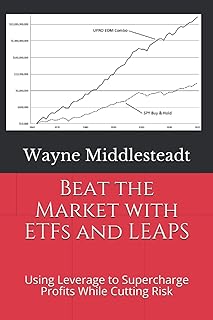
$29.95


Monitoring and Rebalancing: Regularly review your ETF investments, track performance, and adjust your portfolio as needed to maintain balance
Regularly reviewing your ETF investments is crucial to ensure that your portfolio remains aligned with your financial goals and risk tolerance. This involves tracking the performance of each ETF, analyzing market trends, and making adjustments as necessary. By doing so, you can maintain a balanced portfolio that is well-positioned to achieve your investment objectives.
One effective way to monitor your ETF investments is to set up a regular review schedule, such as quarterly or semi-annually. During these reviews, you should assess the performance of each ETF relative to its benchmark index and your overall portfolio. This will help you identify any ETFs that are underperforming or have become too volatile for your comfort level.
Rebalancing your portfolio is an essential part of maintaining balance and managing risk. This involves adjusting the allocation of your investments to ensure that they remain in line with your target asset allocation. For example, if your portfolio has become overweighted in a particular sector or asset class, you may need to sell some of those investments and allocate the proceeds to other areas that are underrepresented.
When rebalancing your portfolio, it's important to consider the tax implications of your actions. Selling investments can trigger capital gains taxes, which can eat into your returns. To minimize these taxes, you may want to consider rebalancing within tax-advantaged accounts, such as IRAs or 401(k)s, or using tax-efficient ETFs that are designed to minimize capital gains distributions.
Another important aspect of monitoring and rebalancing your ETF investments is to stay informed about market trends and economic conditions. This will help you make informed decisions about when to make adjustments to your portfolio. You can do this by reading financial news, following market analysts, and using online tools and resources to track market performance.
In conclusion, monitoring and rebalancing your ETF investments is a critical part of successful investing. By regularly reviewing your portfolio, tracking performance, and making adjustments as needed, you can maintain a balanced portfolio that is well-positioned to achieve your financial goals.
Smart Investing: Your Guide to Dow Jones ETFs
You may want to see also
Frequently asked questions
An Exchange-Traded Fund (ETF) is a type of investment fund that holds a collection of assets, such as stocks or bonds, and is traded on stock exchanges. Beginners should consider investing in ETFs because they offer diversification, are generally less expensive than mutual funds, and can be easily bought and sold throughout the trading day.
As a beginner, it's important to choose an ETF that aligns with your investment goals and risk tolerance. Consider factors such as the ETF's investment strategy, the sectors or industries it focuses on, and its historical performance. It's also a good idea to research the ETF's management team and the company that manages it.
Some common mistakes beginners make when investing in ETFs include not diversifying their portfolio enough, investing in ETFs with high fees, and not having a long-term investment strategy. To avoid these mistakes, make sure to diversify your portfolio across different asset classes and sectors, choose ETFs with low fees, and develop a long-term investment plan that aligns with your financial goals.