 Inaya Mclaughlin
When considering investment options, it's crucial to distinguish between short-term and long-term investments. Long-term investments are typically those that are held for an extended period, often several years or even decades, allowing for the potential of substantial growth despite short-term market fluctuations. Examples of long-term investments include stocks, real estate, and mutual funds. These investments generally require a greater initial commitment but can yield higher returns over time due to compounding interest and the smoothing out of market volatility. In contrast, short-term investments, such as savings accounts or certificates of deposit (CDs), offer lower returns but provide greater liquidity and stability. Understanding the differences between these types of investments is essential for creating a balanced and effective investment strategy tailored to one's financial goals and risk tolerance.
Explore related products


What You'll Learn
- Stocks: Equities with potential for growth over extended periods, often chosen for long-term portfolios
- Bonds: Fixed-income securities that provide regular interest payments and return principal at maturity
- Real Estate: Property investments that can appreciate in value and generate rental income over time
- Mutual Funds: Diversified investment portfolios managed by professionals, suitable for long-term growth
- Index Funds: Investments tracking specific market indices, offering broad diversification and potential long-term gains

Stocks: Equities with potential for growth over extended periods, often chosen for long-term portfolios
Stocks, or equities, are often considered the cornerstone of long-term investment portfolios due to their potential for growth over extended periods. Unlike bonds, which typically offer fixed returns, stocks provide the opportunity for capital appreciation as the value of the underlying company increases. This growth potential is particularly attractive for investors with a long-term horizon, such as those saving for retirement or other significant financial goals.
One key advantage of investing in stocks for the long term is the power of compounding returns. When stock prices rise, the gains can be reinvested to purchase additional shares, which in turn can lead to even greater returns over time. This compounding effect can significantly enhance the overall growth of an investment portfolio.
However, it's important to note that the stock market can be volatile in the short term, with prices fluctuating in response to economic conditions, company news, and investor sentiment. For long-term investors, this volatility can be less concerning, as historical data suggests that the market tends to trend upward over extended periods. Nonetheless, it's crucial for investors to have a diversified portfolio and to avoid putting all their eggs in one basket.
When selecting stocks for a long-term portfolio, investors should consider factors such as the company's financial health, management team, industry outlook, and competitive advantages. It's also important to have a clear investment strategy and to avoid making impulsive decisions based on short-term market movements.
In conclusion, stocks offer significant potential for long-term growth and can be a valuable component of an investment portfolio. By understanding the risks and rewards associated with stock investing and by adopting a disciplined, long-term approach, investors can harness the power of equities to achieve their financial goals.
Short-Term Investments: Are They Truly Current Assets?
You may want to see also
Explore related products


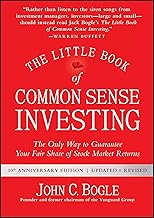


Bonds: Fixed-income securities that provide regular interest payments and return principal at maturity
Bonds are a type of fixed-income security that can be an attractive option for long-term investors. They provide regular interest payments, known as coupon payments, and return the principal amount invested at the bond's maturity date. This predictable income stream and the return of capital make bonds a popular choice for those seeking stability and regular cash flow in their investment portfolio.
One of the key benefits of bonds is their ability to offer a consistent income stream, which can be particularly valuable for long-term investors who may be looking to supplement their retirement income or fund future expenses. The interest payments from bonds can help to offset the effects of inflation and provide a reliable source of income, even during periods of economic uncertainty.
However, it's important to note that not all bonds are created equal, and the suitability of a particular bond for long-term investment depends on several factors. These include the bond's credit rating, which reflects the issuer's ability to repay the debt; the bond's maturity date, which determines how long the investor will need to hold the bond to receive the full principal amount; and the bond's yield, which is the total return anticipated on the bond if held to maturity.
Investors should also be aware of the risks associated with bond investments. One of the primary risks is interest rate risk, which occurs when changes in interest rates affect the bond's price and yield. Additionally, credit risk is the risk that the bond issuer may default on their debt obligations, potentially resulting in a loss of principal for the investor.
To mitigate these risks, investors can diversify their bond holdings by investing in a variety of bonds with different credit ratings, maturities, and yields. They can also consider investing in bond mutual funds or exchange-traded funds (ETFs), which provide exposure to a broad range of bonds and can help to spread risk across multiple issuers and sectors.
In conclusion, bonds can be a valuable component of a long-term investment strategy, offering a predictable income stream and the potential for capital preservation. However, investors should carefully consider the factors that influence a bond's performance and risk profile, and diversify their holdings to minimize potential losses. By doing so, they can harness the benefits of bonds while managing the associated risks, ultimately helping to achieve their long-term financial goals.
Smart Investing: Balancing Short-Term Gains and Long-Term Growth
You may want to see also
Explore related products


Real Estate: Property investments that can appreciate in value and generate rental income over time
Real estate investments stand out as a prime example of long-term financial strategies. Unlike more volatile investments such as stocks or cryptocurrencies, property investments offer a tangible asset that can appreciate in value over time while also generating a steady stream of rental income. This dual benefit makes real estate a cornerstone of many diversified investment portfolios.
One key advantage of real estate investments is their ability to provide consistent cash flow through rental agreements. This regular income can help offset the costs associated with property maintenance and management, while also contributing to the investor's overall financial stability. Additionally, rental properties can benefit from tax advantages such as depreciation deductions, which can further enhance their financial appeal.
Another significant aspect of real estate investments is their potential for capital appreciation. Over time, property values can increase due to factors such as inflation, demand, and improvements to the surrounding infrastructure. This appreciation can lead to substantial profits when the property is eventually sold, making real estate a viable option for long-term wealth accumulation.
However, it's important to note that real estate investments also come with their own set of challenges and risks. For instance, property management can be time-consuming and requires a certain level of expertise. Additionally, real estate markets can be subject to fluctuations, and there is always the risk of tenants defaulting on their rent. To mitigate these risks, investors should conduct thorough market research, diversify their property holdings, and maintain a well-structured rental agreement.
In conclusion, real estate investments offer a unique combination of steady income and long-term appreciation potential, making them an attractive option for investors looking to build sustainable wealth. By carefully selecting and managing properties, investors can leverage the inherent advantages of real estate to achieve their financial goals.
Decoding Investments: Short-Term vs Long-Term - What's True?
You may want to see also
Explore related products


Mutual Funds: Diversified investment portfolios managed by professionals, suitable for long-term growth
Mutual funds offer a compelling avenue for long-term investment growth, primarily due to their inherent diversification. By pooling money from multiple investors, these funds spread risk across a variety of assets, which can include stocks, bonds, and other securities. This diversification helps mitigate the impact of any single investment's poor performance, thereby reducing overall portfolio risk.
Professionally managed mutual funds also bring the advantage of expert oversight. Fund managers conduct thorough research and analysis to select investments that align with the fund's objectives and risk profile. This level of professional management can be particularly beneficial for long-term investors who may not have the time or expertise to actively manage their own portfolios.
Another key benefit of mutual funds is their liquidity. Unlike some other long-term investments, such as real estate or private equity, mutual fund shares can typically be bought or sold at any time, providing investors with flexibility and access to their capital when needed. This liquidity can be an important consideration for long-term investors who may require periodic access to their funds.
However, it's important to note that mutual funds do come with costs, including management fees, administrative expenses, and potential transaction costs. These fees can impact the overall return on investment, so it's crucial for long-term investors to carefully consider the expense ratio of any mutual fund they are considering.
In conclusion, mutual funds can be an effective tool for long-term investment growth, offering diversification, professional management, and liquidity. While they do come with costs, careful selection and a long-term perspective can help investors maximize the benefits of mutual funds in their investment portfolios.
Decoding Financial Jargon: Is Long-Term Investment a Current Asset?
You may want to see also
Explore related products


Index Funds: Investments tracking specific market indices, offering broad diversification and potential long-term gains
Index funds are a type of investment that tracks specific market indices, such as the S&P 500 or the Dow Jones Industrial Average. These funds offer broad diversification, as they invest in a wide range of stocks or bonds that make up the index. This diversification helps to reduce risk, as the performance of any single investment is less likely to have a significant impact on the overall portfolio.
One of the key benefits of index funds is their potential for long-term gains. Historically, the stock market has provided higher returns than other asset classes, such as bonds or cash, over long periods of time. By investing in an index fund, investors can gain exposure to the stock market as a whole, rather than trying to pick individual stocks. This can be particularly beneficial for those who are new to investing or who do not have the time or expertise to research and select individual stocks.
Index funds are also relatively low-cost, as they do not require active management. This means that investors can keep more of their returns, rather than paying them out in fees to a fund manager. Additionally, index funds are often more tax-efficient than actively managed funds, as they tend to generate fewer capital gains.
However, it is important to note that index funds are not without risk. The value of the fund can fluctuate based on the performance of the underlying index, and investors may lose money if the market declines. Additionally, index funds do not provide any protection against inflation, as they are not adjusted for changes in the cost of living.
Overall, index funds can be a valuable addition to a long-term investment portfolio. They offer broad diversification, potential for long-term gains, and relatively low costs. However, investors should be aware of the risks involved and should consider their individual financial goals and risk tolerance before investing.
Unlocking Profits: A Guide to Short-Term Rental Investments
You may want to see also
Frequently asked questions
Long-term investments generally include assets such as stocks, bonds, real estate, and mutual funds that are held for an extended period, usually more than one year. These investments are expected to appreciate in value over time and are often part of a diversified portfolio aimed at achieving long-term financial goals.
Long-term investments tend to have a higher potential for returns but also come with greater risks due to market volatility and other economic factors. Short-term investments, on the other hand, are typically less risky but offer lower returns. Long-term investments are suited for investors with a longer time horizon and a higher risk tolerance, while short-term investments are more appropriate for those looking for liquidity and stability in the near term.
Identifying and selecting long-term investments involves thorough research and analysis. Investors should consider factors such as the company's financial health, industry trends, market conditions, and their own investment goals and risk tolerance. Diversification is key, so it's important to spread investments across different asset classes and sectors. Additionally, investors may benefit from consulting with financial advisors or using investment tools and platforms that provide data-driven insights and recommendations.


