Inaya Mclaughlin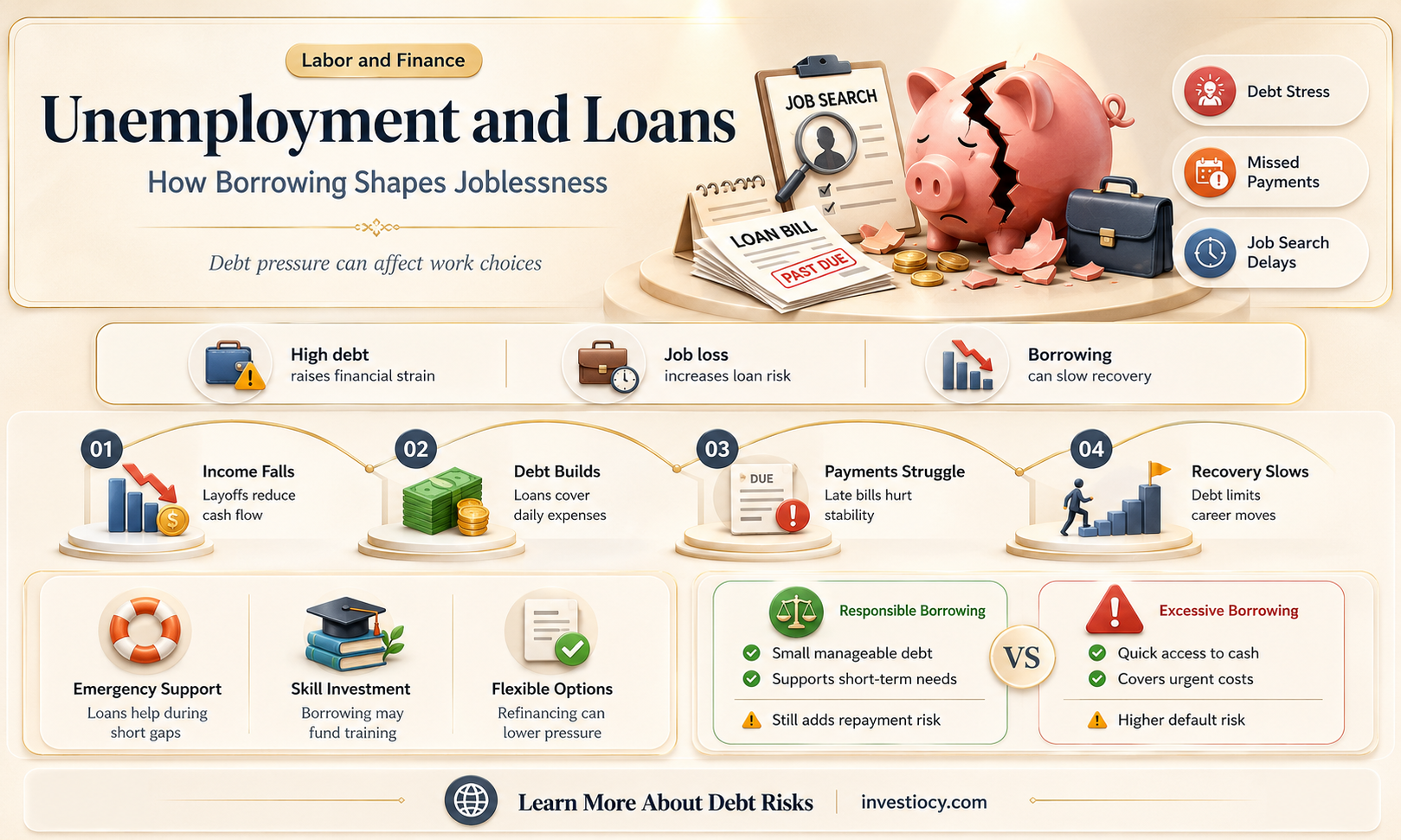
Taking out a loan can have various implications on an individual's financial situation, and one aspect that is often considered is its potential impact on unemployment benefits. The relationship between loans and unemployment is complex and can depend on several factors, including the type of loan, the lender's policies, and the specific circumstances of the borrower. In general, taking out a loan does not directly affect unemployment benefits, as these benefits are typically determined by government programs based on an individual's employment history and current jobless status. However, there are some indirect ways in which a loan could potentially influence unemployment benefits, such as through changes in income or assets that might affect eligibility or the amount of benefits received. It is important for individuals to understand these nuances and to carefully consider the potential consequences of taking out a loan while receiving unemployment benefits.
Explore related products


What You'll Learn
- Loan Impact on Job Search: Exploring how taking out a loan can influence an individual's job search process
- Debt and Unemployment Benefits: Analyzing the relationship between outstanding debt and eligibility for unemployment benefits
- Credit Score and Employment: Discussing how credit scores, affected by loans, may impact job prospects and hiring decisions
- Financial Stress and Job Performance: Examining the potential effects of financial stress from loans on job performance and stability
- Loan Repayment and Unemployment: Investigating the challenges of loan repayment during periods of unemployment and potential solutions

Loan Impact on Job Search: Exploring how taking out a loan can influence an individual's job search process
Taking out a loan can have a significant impact on an individual's job search process. One of the primary ways this occurs is through the added financial pressure that comes with loan repayments. When individuals are burdened with high monthly payments, they may feel compelled to accept the first job offer that comes their way, even if it's not the most suitable or fulfilling position. This can lead to a mismatch between the individual's skills and the job requirements, potentially resulting in job dissatisfaction and a higher likelihood of future unemployment.
Furthermore, the stress associated with loan debt can also affect an individual's mental health and overall well-being. Research has shown that financial stress can lead to anxiety, depression, and a decrease in cognitive functioning. These factors can negatively impact an individual's ability to perform well in job interviews and make informed decisions about their career path. As a result, individuals with significant loan debt may find themselves at a disadvantage in the competitive job market.
In addition to these psychological effects, taking out a loan can also have a direct impact on an individual's credit score. A lower credit score can make it more difficult to secure employment, as many employers now conduct credit checks as part of the hiring process. This can create a vicious cycle, where individuals with poor credit are unable to find stable employment, making it even more challenging to repay their loans and improve their financial situation.
It's also important to consider the opportunity cost of taking out a loan. When individuals are focused on repaying their debt, they may be less likely to invest in their own professional development or pursue educational opportunities that could enhance their job prospects. This can lead to a stagnation in their career growth and a decreased likelihood of finding long-term, stable employment.
In conclusion, the impact of taking out a loan on an individual's job search process is multifaceted. From the added financial pressure to the psychological effects and the potential damage to one's credit score, loan debt can create significant barriers to finding and maintaining stable employment. As such, it's crucial for individuals to carefully consider the potential consequences of taking out a loan and to explore alternative financial options whenever possible.
The Impact of Loans on Your Net Worth: A Comprehensive Guide
You may want to see also
Explore related products


$14.99 $9.95

$11.99 $11.99



Debt and Unemployment Benefits: Analyzing the relationship between outstanding debt and eligibility for unemployment benefits
The relationship between outstanding debt and eligibility for unemployment benefits is a critical aspect to consider when analyzing the impact of taking out a loan on unemployment. In many cases, individuals who are struggling with debt may find themselves in a precarious situation where they are unable to meet their financial obligations, leading to potential unemployment. This can create a vicious cycle, as unemployment can further exacerbate debt issues, making it difficult for individuals to regain their financial footing.
One key factor to consider is the type of debt an individual has. For example, secured debts, such as mortgages or car loans, may have different implications for unemployment benefits than unsecured debts, such as credit card debt or personal loans. In some cases, secured debts may be considered a priority over unemployment benefits, potentially reducing the amount of benefits an individual is eligible for. On the other hand, unsecured debts may not have the same level of impact on unemployment benefits, but could still affect an individual's overall financial situation and ability to manage their debt.
Another important consideration is the timing of when an individual takes out a loan in relation to their unemployment. If an individual takes out a loan while they are still employed, but then becomes unemployed shortly after, the loan may not have a significant impact on their unemployment benefits. However, if an individual takes out a loan while they are already unemployed, it could potentially affect their eligibility for benefits or the amount of benefits they receive. This is because unemployment benefits are typically based on an individual's previous earnings, and taking out a loan may reduce their overall income, thereby impacting their benefit amount.
Furthermore, it is essential to understand the specific policies and regulations surrounding unemployment benefits and debt in one's jurisdiction. Different countries or states may have varying rules regarding how debt is treated in relation to unemployment benefits. For instance, some jurisdictions may have programs in place to help individuals manage their debt while receiving unemployment benefits, while others may not. It is crucial for individuals to familiarize themselves with these policies to ensure they are making informed decisions about their financial situation.
In conclusion, the relationship between outstanding debt and eligibility for unemployment benefits is complex and multifaceted. It is influenced by factors such as the type of debt, the timing of when the loan is taken out, and the specific policies and regulations in place. By understanding these factors, individuals can better navigate their financial situation and make informed decisions about managing their debt and accessing unemployment benefits.
Understanding Loans: Impact on Assets and Liabilities
You may want to see also
Explore related products


Credit Score and Employment: Discussing how credit scores, affected by loans, may impact job prospects and hiring decisions
Employers may scrutinize credit scores as part of the hiring process, particularly for positions involving financial responsibility. A poor credit score, often resulting from mismanaged loans, can raise concerns about an applicant's reliability and financial acumen. This scrutiny is especially prevalent in industries such as finance, accounting, and management, where fiscal prudence is paramount. Job seekers with blemished credit histories may face additional challenges in securing employment, as employers may perceive them as higher risk candidates.
The impact of credit scores on employment extends beyond initial hiring decisions. In some cases, employers may also consider credit scores when evaluating current employees for promotions or transfers, particularly to roles with increased financial authority. Maintaining a healthy credit score is therefore crucial not only for securing employment but also for career advancement. Employees with poor credit scores may be passed over for opportunities, limiting their professional growth and earning potential.
It's important to note that the relationship between credit scores and employment is not universally applicable. Some employers may not consider credit scores at all, focusing instead on skills, experience, and qualifications. Additionally, certain jurisdictions have laws restricting the use of credit scores in employment decisions, recognizing the potential for discrimination and unfair bias. However, in many cases, a strong credit score can be a valuable asset in the job market, demonstrating to employers a candidate's ability to manage financial responsibilities effectively.
Individuals concerned about the impact of their credit scores on employment should take proactive steps to improve their financial health. This may include paying off outstanding debts, making timely payments, and monitoring credit reports for errors. By addressing credit issues and demonstrating responsible financial behavior, job seekers can mitigate the potential negative effects of poor credit scores on their employment prospects.
In conclusion, while not all employers consider credit scores in employment decisions, a poor credit score can still pose significant challenges in the job market, particularly in industries where financial responsibility is key. Job seekers should be aware of the potential impact of their credit scores and take steps to improve their financial standing to enhance their employability and career prospects.
Understanding the Impact of Loans on Life Insurance Premiums
You may want to see also
Explore related products


$14.86 $22.99


Financial Stress and Job Performance: Examining the potential effects of financial stress from loans on job performance and stability
Financial stress stemming from loans can have a profound impact on an individual's job performance and stability. When employees are burdened by significant debt, their focus and productivity at work may suffer. This can lead to a decrease in overall job satisfaction and an increase in absenteeism or presenteeism, where employees are physically present but mentally preoccupied with their financial worries.
Research has shown that financial stress can impair cognitive functioning, including memory, attention, and decision-making abilities. These impairments can make it difficult for employees to perform their duties effectively, leading to mistakes, missed deadlines, and strained relationships with colleagues and supervisors. Furthermore, the constant anxiety and pressure of managing debt can contribute to burnout, which can result in long-term negative effects on both physical and mental health.
In addition to the direct impact on job performance, financial stress from loans can also affect job stability. Employees who are struggling to make ends meet may be more likely to seek additional employment or take on side gigs, which can lead to conflicts with their primary employer. In extreme cases, the inability to manage debt may result in bankruptcy, which can damage an individual's credit score and make it more difficult to secure future employment.
Employers can play a role in mitigating the effects of financial stress on job performance and stability by offering financial wellness programs, such as debt counseling, financial education, and access to emergency loans or grants. By addressing the root causes of financial stress, employers can help their employees regain focus and productivity, ultimately benefiting both the individual and the organization as a whole.
In conclusion, the relationship between financial stress from loans and job performance and stability is complex and multifaceted. By understanding the potential effects of financial stress on employees, employers can take proactive steps to support their workforce and create a more positive and productive work environment.
Boosting Financial Flexibility: How Loans Can Increase Levered Free Cash Flow
You may want to see also
Explore related products

$6.99


$7.99


Loan Repayment and Unemployment: Investigating the challenges of loan repayment during periods of unemployment and potential solutions
During periods of unemployment, individuals often face significant challenges in repaying their loans. This can lead to a vicious cycle of debt and financial instability. One potential solution is to explore loan modification options, such as deferring payments or reducing the interest rate. However, these options are not always available or feasible, and may require a thorough understanding of the loan terms and conditions.
Another approach is to prioritize loan repayment by creating a budget that allocates a portion of any available income towards loan payments. This may involve cutting back on non-essential expenses and focusing on necessities. Additionally, individuals may consider seeking assistance from a credit counseling agency, which can provide guidance on managing debt and negotiating with lenders.
In some cases, government assistance programs may be available to help individuals who are struggling with loan repayment due to unemployment. These programs may offer temporary relief or financial assistance to help cover loan payments. However, eligibility requirements and application processes can be complex, and individuals may need to seek guidance from a financial advisor or social worker to navigate these options.
Ultimately, the key to successfully managing loan repayment during periods of unemployment is to be proactive and seek assistance early on. By exploring available options and creating a plan for repayment, individuals can mitigate the risks of default and financial instability.
Understanding 401(k) Loans: Do They Count as Withdrawals?
You may want to see also
Frequently asked questions
No, taking out a loan does not directly affect your unemployment status. Unemployment benefits are determined by your employment history and the reason for your unemployment, not by your financial obligations such as loans.
Yes, you can receive unemployment benefits while making loan payments. Unemployment benefits are designed to provide financial assistance to those who are unemployed through no fault of their own, regardless of their existing financial commitments.
Your loan payments will not be directly affected by receiving unemployment benefits. However, unemployment benefits may provide you with additional financial resources to help manage your loan payments during a period of unemployment.