Lester Freeman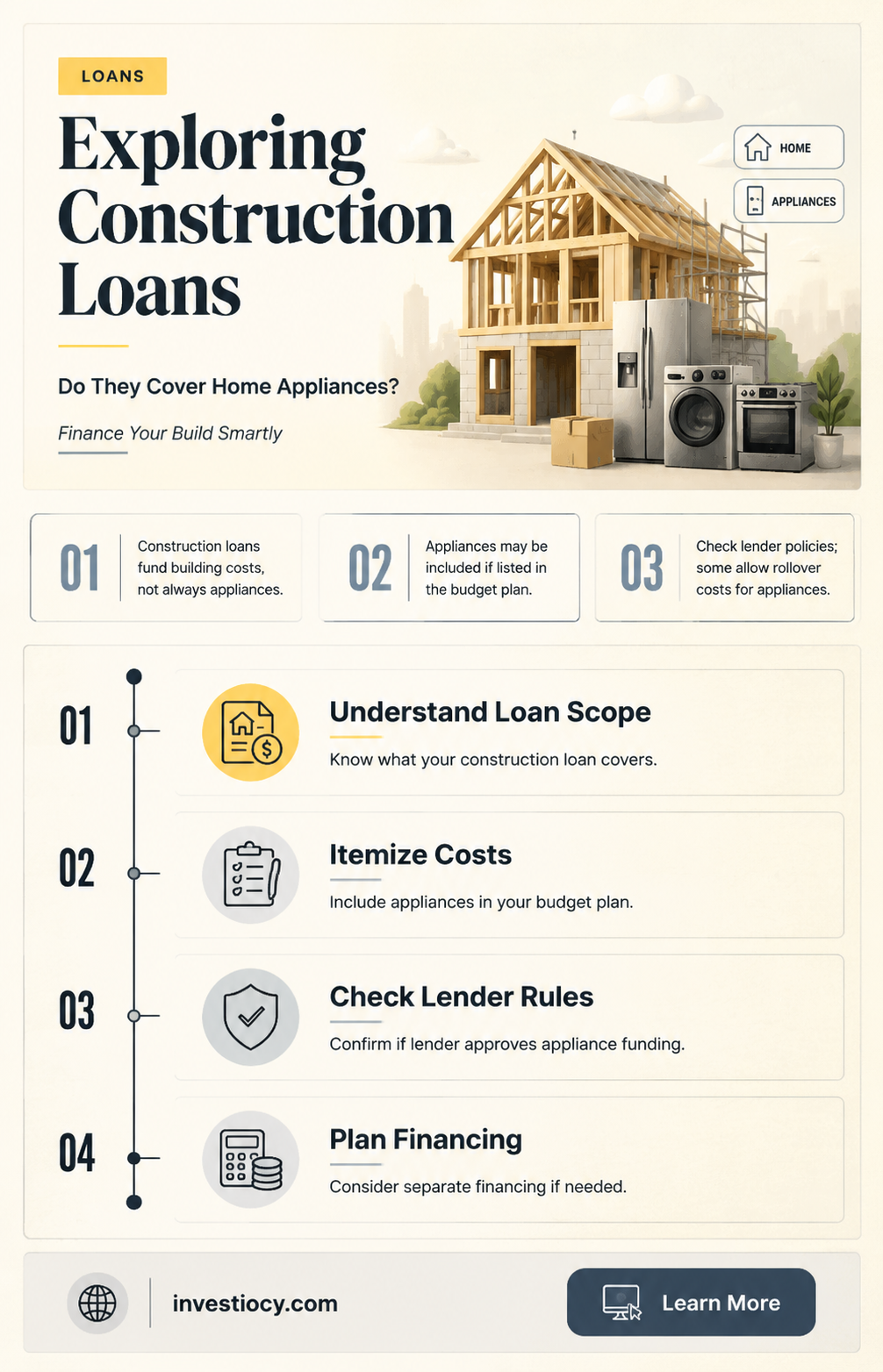
A construction loan is a specialized type of financing designed to cover the costs associated with building or renovating a property. This can include a wide range of expenses, from the raw materials and labor required for the actual construction, to permits, inspections, and even the purchase of land. One common question that arises when considering a construction loan is whether it includes funding for appliances. The answer to this question can vary depending on the specific terms of the loan and the lender's policies. Some construction loans may indeed cover the cost of appliances, particularly if they are considered essential to the functionality of the home, such as a refrigerator, stove, or water heater. However, other loans may exclude appliances, requiring the borrower to purchase them separately or include them in a different type of financing. It's important for potential borrowers to carefully review the terms of their construction loan and discuss any questions or concerns with their lender to ensure they have a clear understanding of what is and is not covered.
Explore related products


What You'll Learn
- Definition of Construction Loan: A loan for building or renovating structures, typically covering materials and labor
- Appliance Coverage: Construction loans may include funds for essential appliances like HVAC systems, but not always
- Loan Terms: Specific terms and conditions vary by lender, influencing what expenses are covered
- Budgeting for Appliances: Borrowers should budget separately for appliances if they're not included in the loan
- Negotiating Loan Coverage: It's possible to negotiate with lenders to include appliances in the loan package

Definition of Construction Loan: A loan for building or renovating structures, typically covering materials and labor
A construction loan is a specialized financial product designed to cover the costs associated with building or renovating structures. This type of loan typically includes expenses for materials and labor, which are essential components of any construction project. However, when it comes to appliances, the situation is less clear-cut. Appliances are often considered fixtures in a home, but they can also be seen as separate entities that are not permanently attached to the structure.
In most cases, construction loans do not explicitly include appliances as part of the covered expenses. This is because appliances are usually not considered essential to the construction process itself. They are often added as finishing touches after the main structure has been completed. However, there may be some flexibility in how the loan funds are used, depending on the lender and the specific terms of the loan agreement.
It's important to note that while construction loans may not directly cover the cost of appliances, they can still be used to finance other aspects of the renovation or building process that may indirectly impact the installation of appliances. For example, a construction loan could be used to fund the installation of electrical or plumbing systems that are necessary for the operation of appliances.
In some cases, lenders may offer a separate loan or line of credit specifically for the purchase and installation of appliances. This could be a more suitable option for homeowners who are looking to finance their appliance purchases as part of their overall home renovation or construction project.
Ultimately, the question of whether a construction loan includes appliances depends on the specific terms and conditions of the loan agreement. It's essential for borrowers to carefully review the loan documents and consult with their lender to understand what expenses are covered and what are not. This will help ensure that they have a clear understanding of their financial obligations and can plan accordingly for their construction or renovation project.
Debt Consolidation: A Path to Financial Freedom or a Costly Mistake?
You may want to see also
Explore related products


Appliance Coverage: Construction loans may include funds for essential appliances like HVAC systems, but not always
Construction loans primarily focus on funding the building or renovation of a property's structure. However, they may also include provisions for essential appliances, particularly those that are integral to the property's functionality and habitability. For instance, HVAC (Heating, Ventilation, and Air Conditioning) systems are often considered essential and may be covered under a construction loan. This inclusion is not universal, though, and varies based on the lender's policies, the type of construction loan, and the specific needs of the property.
The determination of whether appliances are covered under a construction loan often hinges on their classification as essential or luxury items. Essential appliances, like HVAC systems, are typically necessary for the comfort and safety of the property's occupants. In contrast, luxury appliances, such as high-end kitchen gadgets or entertainment systems, are usually not covered. Lenders assess the necessity of each appliance in the context of the property's overall construction and budget.
When evaluating appliance coverage, it's crucial to review the loan agreement carefully. The terms and conditions should specify which appliances are included and any limitations or exclusions. Borrowers should also consider the long-term implications of including appliances in their construction loan. While it may be convenient to finance essential appliances through the loan, it could also increase the overall debt and affect the property's equity.
In some cases, borrowers may opt to purchase appliances separately, either out-of-pocket or through other financing options. This approach can provide more flexibility in choosing the specific models and brands desired, potentially leading to cost savings or the ability to upgrade to higher-quality appliances. However, it also means that the borrower will need to manage the appliance purchase and installation process independently, which can add complexity to the overall construction project.
Ultimately, the inclusion of appliances in a construction loan depends on various factors, including the lender's criteria, the property's needs, and the borrower's financial situation and preferences. By understanding these factors and carefully reviewing the loan terms, borrowers can make informed decisions about whether to include appliances in their construction loan.
Understanding Conforming Loan Limits: LTV Ratio Insights
You may want to see also
Explore related products



Loan Terms: Specific terms and conditions vary by lender, influencing what expenses are covered
Loan terms are a critical aspect of construction financing, as they dictate the specific expenses that can be covered under the loan. These terms vary significantly by lender, which means that borrowers must carefully review and compare different loan offers to ensure they are getting the best deal for their project. For instance, some lenders may allow for the inclusion of appliance costs in the loan, while others may not. This can have a substantial impact on the overall budget and financial planning for the construction project.
When evaluating loan terms, it is essential to consider the interest rates, repayment schedules, and any fees or penalties associated with the loan. Additionally, borrowers should pay close attention to the list of eligible expenses that can be covered by the loan. This list will vary depending on the lender and the specific type of construction loan being offered. For example, a loan for a residential construction project may have different terms and eligible expenses compared to a loan for a commercial construction project.
In some cases, lenders may offer flexible loan terms that allow borrowers to customize the loan to fit their specific needs. This could include options to include or exclude certain expenses, such as appliances, from the loan. However, this flexibility may come at a cost, such as higher interest rates or additional fees. Borrowers must carefully weigh the pros and cons of these options to determine the best course of action for their project.
It is also important to note that loan terms can be negotiated between the borrower and the lender. This means that borrowers should not be afraid to ask for specific terms or conditions that they need for their project. Lenders may be willing to accommodate these requests, especially if the borrower has a strong credit history and a solid project plan. However, borrowers should be prepared to provide detailed documentation and justification for any requested changes to the loan terms.
In conclusion, understanding and navigating loan terms is a crucial part of securing financing for a construction project. Borrowers must be diligent in reviewing and comparing different loan offers, paying close attention to the specific expenses that can be covered under the loan. By doing so, they can ensure that they are getting the best deal for their project and avoid any potential financial pitfalls.
Exploring the Limits: What's Included in a Construction Loan?
You may want to see also
Budgeting for Appliances: Borrowers should budget separately for appliances if they're not included in the loan
Borrowers should carefully review their loan agreements to determine whether appliances are covered under the construction loan. If they are not, it is crucial to budget separately for these items to avoid financial surprises down the line. This budgeting process should begin by researching the average costs of the necessary appliances, such as refrigerators, stoves, and dishwashers. By doing so, borrowers can get a realistic estimate of the total expenses they will incur.
Once the research is complete, borrowers should create a detailed budget that outlines the costs of each appliance, as well as any additional expenses such as installation fees or extended warranties. This budget should be separate from the overall construction budget to ensure that the funds are allocated correctly. It is also important to consider the timing of the appliance purchases, as some may need to be bought and installed before the construction is complete, while others can wait until after the loan has been paid off.
Borrowers should also explore different financing options for their appliances, such as credit cards, personal loans, or store financing. By comparing the interest rates and terms of these options, borrowers can choose the one that best fits their financial situation. Additionally, they should consider any potential tax deductions or rebates that may be available for energy-efficient appliances, as these can help offset the overall costs.
In conclusion, budgeting for appliances is a critical step in the construction loan process. By carefully planning and allocating funds for these items, borrowers can avoid financial stress and ensure that their new home is fully equipped with the necessary appliances.
Simplify Your Finances: The Truth About Loan Consolidation Costs
You may want to see also
Negotiating Loan Coverage: It's possible to negotiate with lenders to include appliances in the loan package
Negotiating loan coverage for appliances can be a strategic move for borrowers looking to finance their home improvements or new purchases. While construction loans typically cover the cost of building or renovating a property, they may not always include appliances. However, it's possible to negotiate with lenders to include appliances in the loan package, which can save borrowers money and simplify the financing process.
To successfully negotiate loan coverage for appliances, borrowers should first research the lender's policies and guidelines. Some lenders may have specific requirements or restrictions on the types of appliances that can be included in the loan. Borrowers should also gather quotes from multiple appliance retailers to demonstrate the cost-effectiveness of including appliances in the loan. This can help borrowers make a strong case to the lender and increase their chances of approval.
When negotiating with lenders, borrowers should be prepared to make a compelling argument for why appliances should be included in the loan. This may involve highlighting the energy efficiency of the appliances, their durability, and their overall value to the property. Borrowers should also be willing to compromise on certain aspects of the loan, such as the interest rate or repayment terms, in order to secure coverage for appliances.
In some cases, borrowers may need to consider alternative financing options for appliances, such as personal loans or credit cards. However, by negotiating with lenders and exploring all available options, borrowers can increase their chances of securing the financing they need to purchase or upgrade their appliances.
Navigating Loan Consolidation: Private vs. Federal Options Explained
You may want to see also
Frequently asked questions
A construction loan primarily covers the costs associated with building or renovating a structure. This includes expenses like labor, materials, and permits. Appliances are generally considered a separate expense and are not typically included in a construction loan.
While a construction loan is designed to cover the costs of building or renovating a home, it usually does not include the purchase of appliances. Appliances are often considered a personal expense and are not typically part of the construction loan package.
In some cases, if the appliances are considered essential to the functionality of the home and are permanently installed, they might be included in a construction loan. For example, a built-in refrigerator or oven might be considered part of the construction costs. However, this varies by lender and the specific terms of the loan.